
 Walid Sujud Trenggono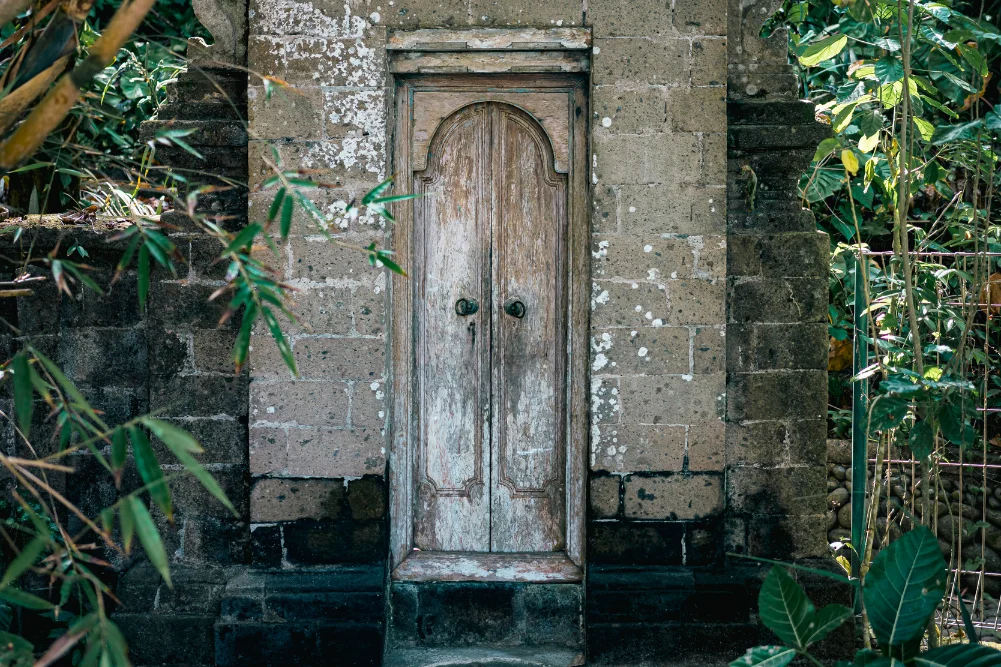
The landscape of Balinese tourism is currently undergoing a significant geographical shift as international travelers increasingly bypass the congested hubs of Kuta and Seminyak in favor of the island’s rugged western coastline. Centered around the volcanic sands of Balian Beach and the legendary point breaks of Medewi, this region offers a stark contrast to the commercialized "hello mister" hustle of Denpasar. For those seeking an authentic immersion into the island’s natural beauty and traditional village life, the west coast represents a final frontier where uncrowded waves, lush rice paddies, and a burgeoning wellness culture intersect.
The Geographical and Cultural Profile of Balian Beach
Located approximately 50 kilometers west of Denpasar, Balian Beach—situated in the village of Lalanglinggah within the Tabanan Regency—serves as the primary gateway to Bali’s western wilderness. Unlike the white-sand beaches of the Bukit Peninsula, Balian is characterized by its dramatic, sea-ravaged volcanic crags and expansive stretches of iron-grey sand. This unique geological composition is a result of the island’s volcanic history, providing a striking backdrop for the powerful Indian Ocean swells that define the area.
The village of Lalanglinggah remains largely defined by traditional Balinese social structures. Unlike the tourist-centric developments in the south, the local architecture is dominated by ancestral family compounds. These rectangular walled structures are designed to house multiple generations, centered around a family temple that serves as the spiritual heart of the home. This cultural preservation ensures that the "hustle" found in major tourist hubs is absent here; instead, visitors are greeted with a community-oriented atmosphere where rice planting and religious ceremonies remain the primary rhythms of daily life.
Analysis of Surf Mechanics and Seasonal Conditions
Balian Beach has long been a sanctuary for experienced surfers, primarily due to its consistency. The area features three distinct breaks that cater to various skill levels, though the environment remains more challenging than the gentle tumblers of Legian.
- The Peak: A reliable A-frame break that barrels fast to the right and offers a slower, more manageable ride to the left.
- Ketuts: Located across the river mouth, this break provides an intense, high-performance right-hand ride preferred by advanced surfers.
- The West End: This section offers a more forgiving, "cruisy" ride suitable for intermediate and novice surfers, depending on the tide.
The surf mechanics at Balian are heavily influenced by the sacred Balian River. The river mouth magnifies even minor swells, ensuring consistent waves year-round. However, this geography introduces specific environmental risks; bull sharks are known to congregate near the river mouth, particularly following heavy torrential downpours when the water is murky.
Meteorologically, the region follows a strict seasonal pattern. From April to October, cool mountain air creates reliable offshore winds in the early morning, carving out clean, "glassy" waves. By noon, southeasterly trade winds typically take over, often creating "choppy" conditions that signal the end of the morning session.
The Integration of Wellness and Yoga Culture
While surfing remains the primary draw, Balian has evolved into a niche destination for the global wellness industry. This shift is exemplified by the presence of local practitioners like Nicky Sudianta, whose Balian Spirit Yoga shala has become a cornerstone of the community. Unlike the commercial yoga studios in Ubud, the sessions here—ranging from morning Vinyasa to afternoon Hatha flow—are often conducted in open-air pavilions overlooking the ocean, integrating the natural elements into the practice.
The growth of wellness tourism in the west provides a sustainable economic alternative to the mass-market tourism seen elsewhere. By focusing on low-impact, high-value visitors, local business owners are able to maintain the ecological integrity of the rice paddies and coastal ecosystems while providing employment opportunities for the village youth.
The Northern Frontier: Yeh Sumbul and Medewi
An hour’s drive further west leads to Yeh Sumbul and Medewi, located in the Jembrana Regency. This region is home to Bali’s longest left-hand point break, which can offer rides of up to 300 meters under optimal conditions. The coastline here is even more sparsely developed than Balian, consisting of a 20-kilometer stretch of "au-natural" beachfront where grazing grasslands have replaced former rice paddies.
Accommodation in Yeh Sumbul remains largely budget-oriented, catering to "surf camp" demographics. However, the lack of high-end infrastructure is balanced by the authenticity of the culinary scene. Local warungs, such as Nal’s Kitchen and Holy Tree, focus on traditional Indonesian staples like Gado-Gado (a vegetable salad with peanut sauce) and Tempeh burgers, often utilizing ingredients sourced directly from nearby farms.
Tourism Data and Economic Context
According to data from the Bali Central Bureau of Statistics (BPS Bali), the island saw a significant rebound in international arrivals in 2023, with over 5 million visitors recorded. However, over 80% of these arrivals remain concentrated in the Badung and Gianyar regencies. The Indonesian Ministry of Tourism and Creative Economy has recently emphasized the "Quality Tourism" initiative, which aims to distribute tourist traffic more evenly across the island to prevent environmental degradation in the south.
The development of the West Bali region is a key component of this strategy. By promoting the Tabanan and Jembrana regencies as centers for eco-tourism and adventure sports, the government hopes to alleviate the "over-tourism" currently plaguing Denpasar. Currently, the modest room rates in Balian—often starting as low as $45 per night for private villas—reflect a market that is still in its early growth phase compared to the premium prices of Seminyak.
Chronology of Development and Future Outlook
The history of Bali’s west coast as a destination began in the 1970s and 80s when intrepid surfers began exploring the coastline via the main road to the Gilimanuk ferry port. For decades, it remained a well-kept secret among the "hardcore" surf community.
- 1990s-2000s: Initial guesthouses and surf camps began to appear in Balian and Medewi, primarily catering to Australian and European surfers.
- 2010s: The rise of social media and digital nomadism brought a new wave of visitors interested in yoga and remote work, leading to the construction of more sophisticated villas and cafes.
- 2020-Present: Post-pandemic travel trends have seen a surge in "slow travel," where visitors stay for weeks rather than days, seeking deeper connections with local communities.
Looking ahead, the planned construction of the Mengwi-Gilimanuk Toll Road is expected to drastically reduce travel times to the west coast. While this will improve accessibility, there are ongoing debates among local stakeholders regarding the potential impact on the region’s "off-the-beaten-path" charm.
Practical Implications for Travelers
For those planning a visit to Bali’s western shores, several logistical factors must be considered to ensure a safe and productive trip.
- Transportation: While Grab and Gojek operate in the area, they are less frequent than in the south. Many travelers opt for private driver hires or scooter rentals to navigate the 2.5km distance between the rice paddy villas and the beachfront.
- Climate: The dry season (April to October) is the optimal window for both surfing and outdoor exploration. The wet season (November to March) can lead to river runoff, which impacts water clarity and safety.
- Infrastructure: Power outages and limited internet connectivity can occur in the more remote sections of Yeh Sumbul. Travelers should be prepared for a more "unplugged" experience.
Conclusion: The Balance of Authenticity
The west coast of Bali stands as a testament to the island’s enduring appeal beyond its commercial hotspots. The contrast between the "Goldilocks" waves of Legian and the raw, unbridled power of Balian reflects the diversity of the Indonesian archipelago. While the south offers convenience and luxury, the west offers a "shifted mindset"—a reminder of why Bali originally became a global destination: its unique blend of spirituality, natural grandeur, and communal warmth. As the island continues to navigate the challenges of modern tourism, the preservation of places like Balian Beach will be crucial in maintaining the cultural soul of Bali.
Reference Guide for West Bali Travel
Logistics and Access
Balian is situated a two-hour drive north of Denpasar International Airport. Travelers can utilize the local "Bemo" buses for a more traditional experience, though private taxis are the standard for international arrivals.
Key Establishments
- Accommodation: Pondok Hari Baik (Rice paddy views), Pondok Pitaya (Beachfront), West Break Bali Medewi (Surf-centric).
- Dining: Rama Balian (Coffee/Breakfast), Warung Makan OCA (Tempeh specialties), Balian Beach Cafe (Seafood/Views).
- Activities: Balian Surf School (Lessons/Rentals), Nicky’s Balian Spirit Yoga (Daily classes).
Cultural Etiquette
When visiting local temples such as Luhur Srijong or Tanah Lot, travelers are reminded to wear a traditional sarong and sash, and to respect the "Nyepi" (Day of Silence) protocols if traveling during the Balinese New Year.



 Anjar Salim
 Chandra Hamzah
 Tatiana Tantri Indah Sari
 Budi Mulyono

