
 Anjar Salim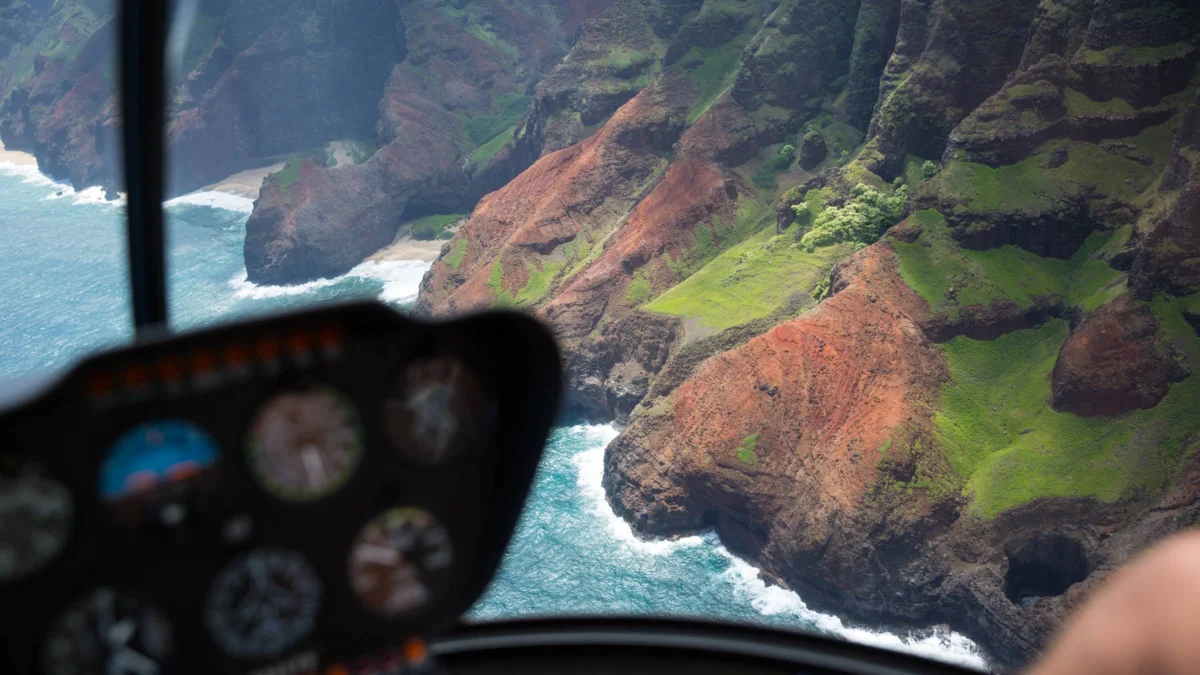
The aviation community and federal regulators are facing renewed pressure to address safety protocols in the sightseeing industry following a fatal helicopter crash on March 26, 2026, off the coast of Kauai. The incident, involving a doors-off Hughes 500 aircraft operated by Airborne Aviation, resulted in the deaths of three individuals and left two survivors, one of whom was trapped in the wreckage for over an hour before being rescued. This tragedy has reignited a long-standing debate regarding the oversight of commercial air tours in Hawaii, a state that leads the nation in sightseeing-related aviation accidents.
As the National Transportation Safety Board (NTSB) continues its investigation, the crash has highlighted the inherent risks of aerial tourism in high-consequence environments. While the Na Pali Coast remains one of the world’s most sought-after vistas, its volatile weather patterns and rugged geography present significant challenges to even the most experienced pilots. The March 26 accident is the latest in a series of events that have prompted calls for more stringent Federal Aviation Administration (FAA) regulations, improved pilot training, and the universal adoption of safety technologies.
Chronology of the March 26 Incident
The flight on March 26, 2026, began as a standard 60-minute "doors-off" tour, a popular option for photographers and tourists seeking an unobstructed view of Kauai’s emerald peaks and sea cliffs. According to public flight records released in April, the aircraft—a Hughes 500 model manufactured in 1979—had already completed five successful flights earlier that day. However, meteorological data indicates that a turbulence advisory was active across all Hawaiian islands at the time of the tour.
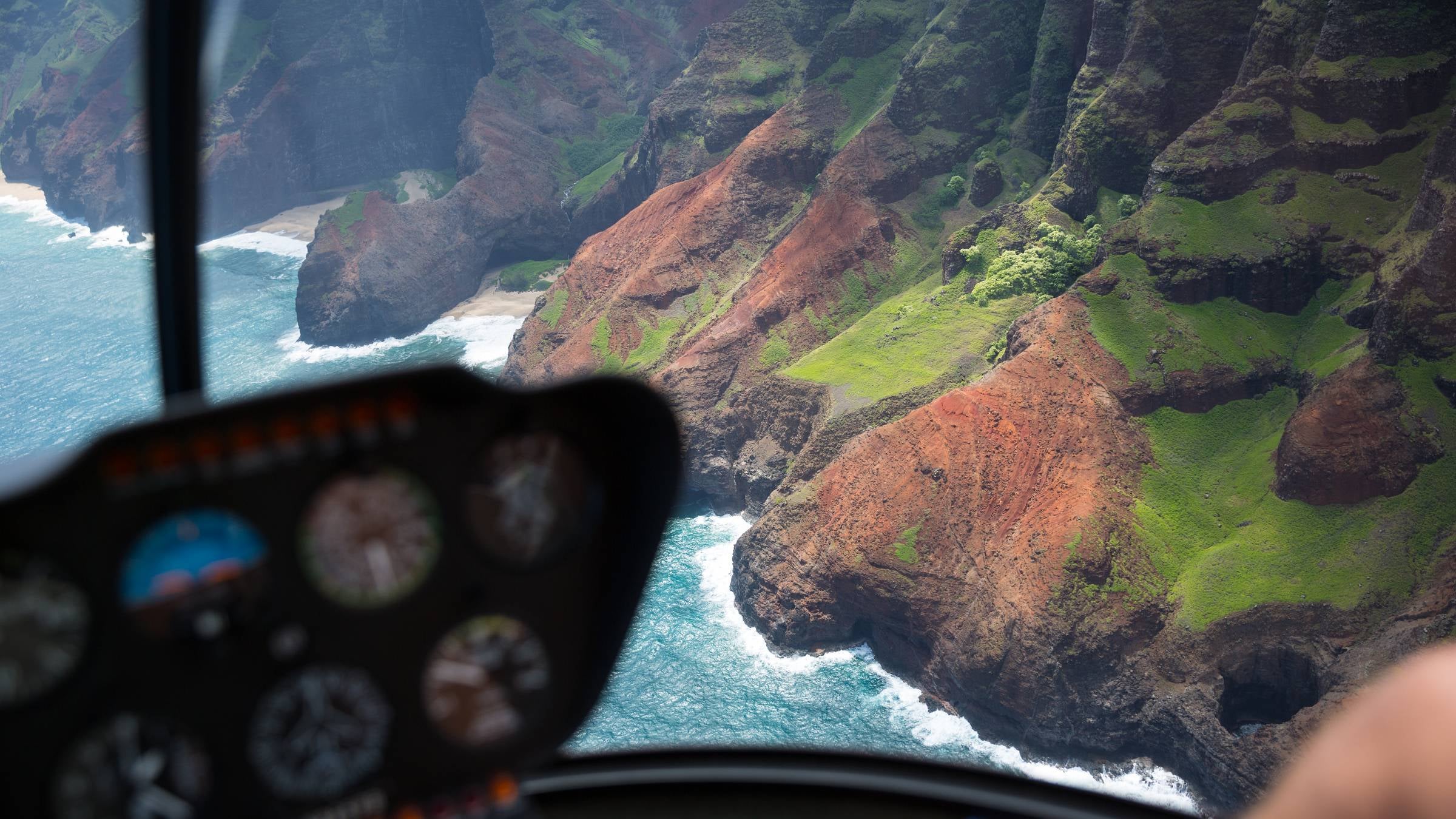
Witness statements and preliminary NTSB reports suggest that as the helicopter approached the Na Pali Coast near Kalalau Beach, the aircraft experienced a sudden mechanical or environmental failure. The pilot reported severe vibrations and a subsequent loss of directional control while attempting a turn toward the shoreline. A surviving passenger noted a distinct change in the engine’s sound and a noticeable deceleration before the helicopter rotated and "nosedived" into the Pacific Ocean, approximately 100 yards offshore.
Rescue operations were complicated by the rough surf and the helicopter’s position on a submerged sandbar. While two individuals managed to escape the sinking fuselage, three others perished at the scene. Airborne Aviation, the operator of the flight, briefly suspended operations following the crash but has since reinstated its regular tour schedule. The NTSB’s final report, which will determine the official cause of the accident, is not expected to be finalized until mid-2027.
Historical Context: The Evolution of Hawaii’s Air Tour Industry
The roots of Hawaii’s helicopter tourism industry trace back to 1962, when U.S. Army veteran Charles "Jack" Harter founded Kauai Helicopters. Harter is widely credited with pioneering the scenic flight industry, eventually introducing the state’s first doors-off tours in 2005. What began as a niche market for rescue work and limited charters exploded into a massive commercial enterprise as Hawaii’s tourism sector grew in the 1970s and 80s.
By the early 1990s, the number of annual helicopter tours across the islands surpassed 100,000. Today, the industry is a vital component of the local economy; approximately one out of every ten visitors to Hawaii takes an aerial tour, accounting for more than one million passengers annually. Globally, the helicopter tourism market was valued at $745 million in 2020 and is projected to exceed $1 billion by 2028. However, this rapid expansion has been mirrored by an escalation in accident rates, particularly in regions with complex terrain and weather.
Analyzing Safety Gaps and Regulatory Oversight
The safety of sightseeing flights is governed by a different set of rules than those applied to commercial airlines. Critics argue that the FAA allows air tour operators to function under more lenient standards regarding maintenance, pilot qualifications, and rest requirements. Since 2008, the United States has seen more than 80 commercial sightseeing helicopter accidents, resulting in over 75 fatalities. Hawaii has the highest concentration of these incidents, with 21 accidents and 22 deaths recorded in that timeframe.
In response to a spike in fatalities during the early 1990s, the FAA implemented Special Federal Aviation Regulation (SFAR) No. 71. This mandate established minimum safe altitudes and equipment requirements specifically for Hawaiian air tours. While the regulation led to a 47 percent decrease in the overall crash rate, it inadvertently coincided with an increase in accidents involving "Visual Flight Rules into Instrumental Meteorological Conditions" (VFR-IMC).
VFR-IMC occurs when a pilot, flying based on visual cues rather than instruments, encounters weather—such as heavy fog or clouds—that obscures their vision. This often leads to spatial disorientation, a leading cause of fatal crashes in mountainous terrain. Between 1995 and 2008, VFR-IMC was cited in 16 fatal crashes in Hawaii. Despite these figures, many tour flights still operate under basic visual rules that do not require onboard terrain awareness systems or black box flight recorders.
Environmental and Geographical Challenges of the Na Pali Coast
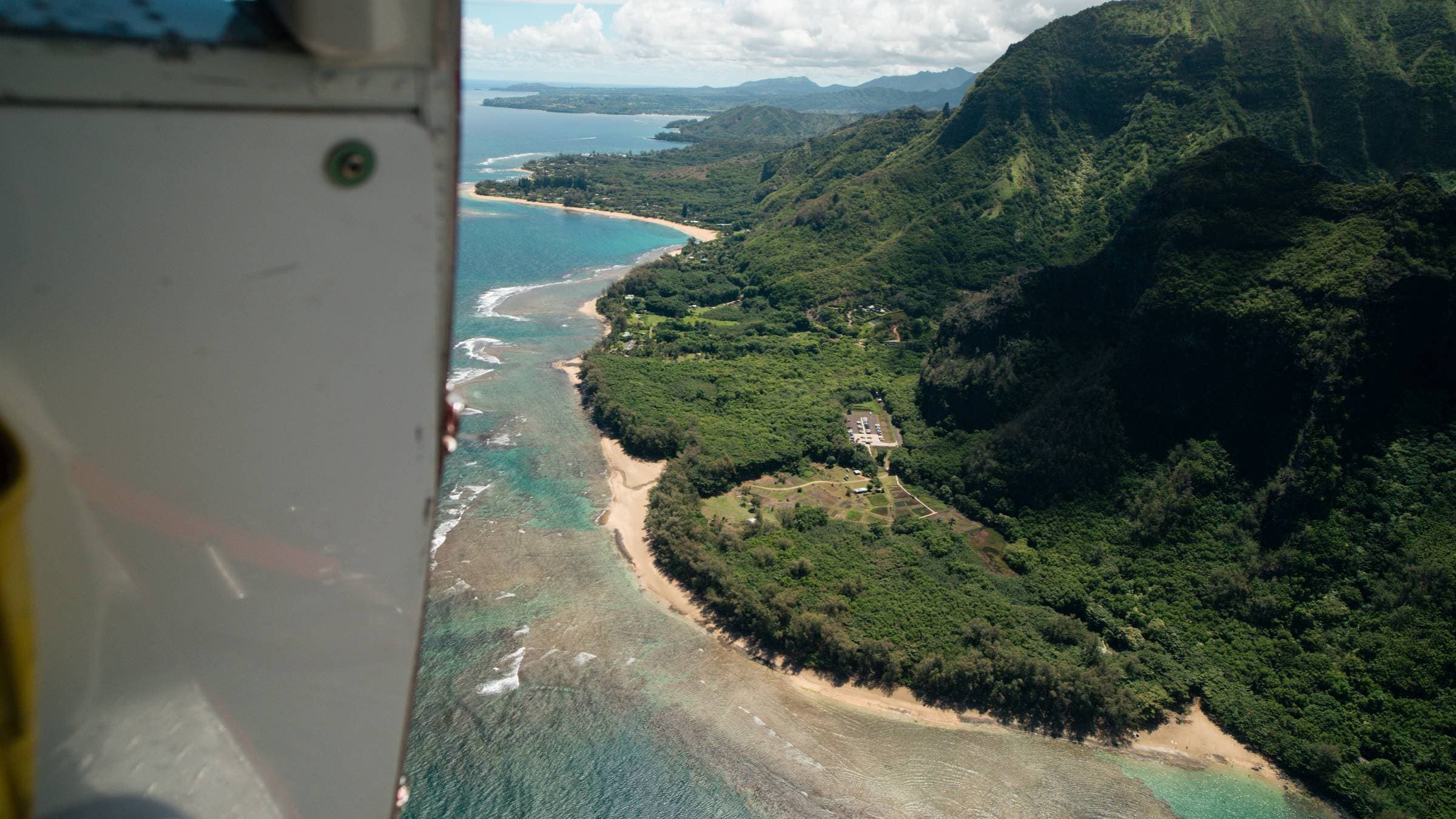
The very features that attract tourists to the Na Pali Coast—its 4,000-foot cliffs and narrow valleys—create a perilous environment for aviation. Hawaii’s lack of a dense network of weather sensors means that pilots often rely on mathematical models and limited buoy data rather than real-time readings from neighboring landmasses.
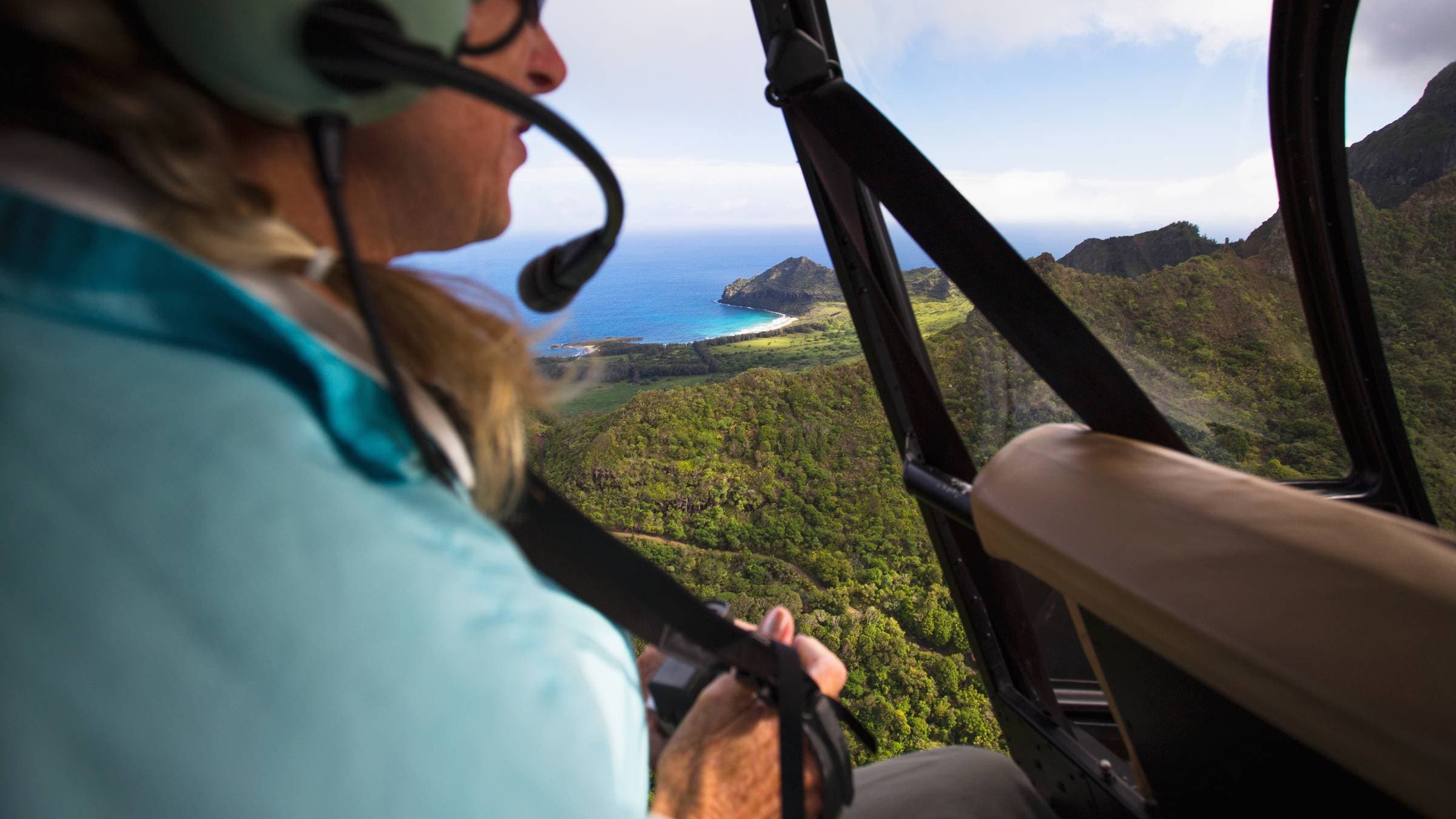
Expert pilots note that the "microclimates" of Kauai can produce extreme wind spikes and torrential rain with little warning. The geography of the coast leaves a razor-thin margin for error. In the event of a mechanical failure, the "autorotation" procedure—a maneuver where the pilot uses the air moving up through the rotor blades to land safely without engine power—is exceptionally difficult to execute over turbulent seas or jagged cliffs. Furthermore, the high volume of traffic adds another layer of risk; at peak times, as many as 15 helicopters may be operating within a five-mile radius of the Na Pali Coast.
Industry Perspectives and Expert Analysis
Aviation litigation experts and veteran pilots have pointed to systemic issues within the industry’s operational culture. Ladd Sanger, an aviation attorney with over two decades of experience in Hawaii-based crash litigation, suggests that many accidents are preventable through more robust training and stricter adherence to existing rules. Sanger noted that the humid, salt-laden air of the islands is notoriously corrosive to aircraft materials, necessitating a level of maintenance that is difficult to maintain when mechanics are in short supply.
Furthermore, the economic structure of the industry may influence safety decisions. While some high-end operators place pilots on a fixed salary, many others pay based on flight hours. This "pay-per-flight" model can create an implicit incentive for pilots to fly in marginal weather conditions to avoid losing income. Veterans of the industry emphasize that flying in Hawaii requires "superb skills" rather than just "superb judgment," citing the need for pilots to have thousands of hours of experience specifically in tropical, mountainous environments before taking on commercial passengers.
Broader Implications and Future Safety Recommendations
The NTSB has long advocated for more aggressive safety measures. Following a 2019 crash that killed seven people on Kauai, NTSB Chair Jennifer Homendy criticized the FAA for failing to implement 11 specific safety recommendations. These included the installation of aviation weather cameras in remote areas, cue-based pilot training for deteriorating weather, and mandatory flotation devices for all over-water flights.

While the FAA did tighten Hawaii’s VFR flight rules in recent years, the March 26 crash suggests that significant vulnerabilities remain. Proponents of industry reform are calling for:
- Mandatory Flight Data Recorders: Ensuring all commercial tour aircraft are equipped with "black boxes" to provide definitive data following an incident.
- Enhanced Weather Infrastructure: Increasing the number of ground-based sensors and cameras to provide pilots with real-time visibility data.
- Standardized Training: Requiring specialized certification for pilots operating in Hawaii’s unique microclimates.
- Stricter Maintenance Audits: Increasing federal oversight of maintenance logs and aircraft aging, particularly for older models like the 1970s-era Hughes 500.
As Kauai officials and the tourism board weigh the economic importance of air tours against the rising safety concerns, the results of the ongoing NTSB investigation will likely serve as a catalyst for legislative change. For the million tourists who board these flights every year, the hope is that the lessons learned from the Kalalau Beach tragedy will finally lead to a higher standard of safety that matches the grandeur of the Hawaiian landscape.


 Chandra Hamzah
 Tatiana Tantri Indah Sari
 Budi Mulyono
