
 Walid Sujud Trenggono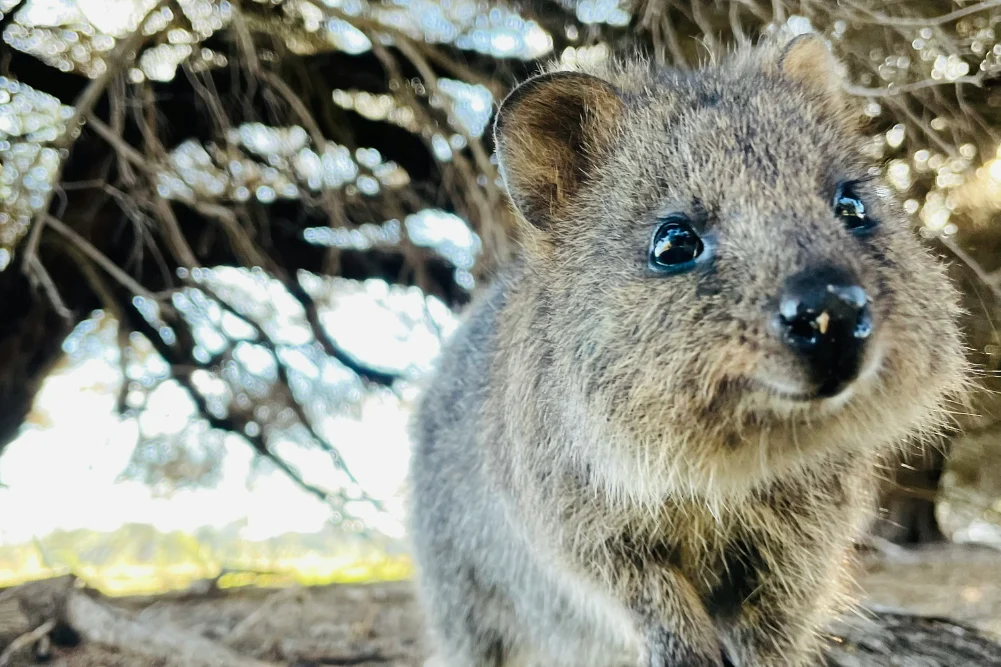
Western Australia’s tourism sector continues to see a significant influx of domestic and international visitors drawn to the unique ecological and historical landscape of Rottnest Island and its mainland gateway, Fremantle. Known to the Whadjuk Noongar people as Wadjemup, Rottnest Island serves as a critical sanctuary for the quokka (Setonix brachyurus), a small marsupial that has become a global digital phenomenon. However, beneath the island’s vibrant turquoise waters and sun-drenched cycling paths lies a complex history of colonial incarceration and Indigenous dispossession that modern authorities and tourism operators are increasingly working to acknowledge and interpret for the public.
The Ecological Significance of Wadjemup
Rottnest Island, located approximately 18 kilometers off the coast of Perth, encompasses 19 square kilometers of diverse habitats, including coastal heathlands, salt lakes, and limestone reefs. The island’s isolation, caused by rising sea levels approximately 6,500 years ago, created a unique evolutionary environment. Today, it serves as the primary stronghold for the quokka, supporting approximately two-thirds of the world’s remaining population.
While the quokka is the island’s most famous resident, the surrounding marine environment is equally significant. The Leeuwin Current brings warm tropical waters southward, supporting a mixture of temperate and tropical marine life. This results in the presence of over 400 species of fish and 20 species of coral, making the island a premier destination for snorkeling and diving. Areas such as Porpoise Bay, Parker Point, and Salmon Bay are designated as high-protection zones to preserve the clarity of the water and the health of the rugged limestone reefs.
A Chronology of Rottnest Island and Fremantle
The history of the region is characterized by three distinct eras: Indigenous significance, colonial exploration and conflict, and the modern transition to a global tourism hub.
Pre-6,500 BP: The island was connected to the mainland. For the Whadjuk Noongar people, the area was a place of ceremony and a site where spirits were said to travel after death, giving rise to the name Wadjemup, meaning "place across the water where the spirits are."
1696: Dutch explorer Willem de Vlamingh arrived at the island. Mistaking the abundant quokkas for large rats, he named the land "Rotte Nest" (Rat’s Nest). Despite the naming, de Vlamingh described the island as a "terrestrial paradise," though he did not establish a permanent settlement.
1838–1931: Following the British colonization of the Swan River Colony, Rottnest Island was repurposed as a penal colony for Indigenous men and boys. Over nearly a century, more than 4,000 Indigenous people from across Western Australia were transported to the island. Prisoners were subjected to forced labor, contributing to the construction of much of the island’s existing heritage architecture, including the Wadjemup Lighthouse and "The Quod," a former prison building later converted into tourist accommodation.
1917–Present: The island transitioned toward a public recreation reserve. In recent decades, management has shifted toward a dual focus on environmental conservation and "truth-telling" regarding the island’s dark history as a site of Aboriginal deaths in custody.
The Quokka Phenomenon and Digital Tourism
In the last decade, Rottnest Island’s global profile has been exponentially raised by the "quokka selfie" trend. This phenomenon reached its peak in 2017 when the Western Australian government partnered with tennis professional Roger Federer for a promotional campaign. The resulting image of Federer with a quokka was estimated to have reached over half a billion people globally, sparking a surge in visitor numbers.
According to data from the Rottnest Island Authority (RIA), annual visitor numbers have historically exceeded 700,000. While this provides a significant economic boost—with tourist levies funding conservation efforts—it also presents ecological challenges. The quokka is currently listed as "vulnerable" on the IUCN Red List of Threatened Species. The population faces threats from habitat loss, rising temperatures, and decreasing freshwater sources due to prolonged drought periods.
Wildlife experts have expressed concern over the "humanization" of the quokkas. While the animals are naturally curious and often approach humans, the RIA strictly prohibits feeding or touching them, with fines in place to protect the animals’ health. The agency emphasizes that the quokka’s survival depends on maintaining their natural diet of native grasses and shrubs.
Infrastructure and Visitor Management
The primary hub of the island is "The Settlement," located at Thomson Bay. This area functions as the logistical center, offering a range of services from budget-friendly campsites and hostel dormitories to luxury accommodations like Samphire Rottnest. To maintain the island’s environmental integrity, private vehicles are prohibited. The primary mode of transport is the bicycle, with thousands of rentals processed daily.
The island’s infrastructure includes a network of paved roads and hiking trails that lead to key landmarks. The Wadjemup Lighthouse, standing at the island’s highest point, remains a focal point for visitors. Despite the physical exertion required to reach the summit, it offers panoramic views of the inland salt lakes—an ecosystem that supports a variety of migratory birds and unique brine shrimp.
Fremantle: The Mainland Gateway and Cultural Counterpart
The experience of Rottnest Island is inextricably linked to the port city of Fremantle, known as Walyalup in the Noongar language. Fremantle serves as the main ferry terminal and offers a complementary historical narrative. Walyalup translates to "Place of the Woylie," referring to a small brush-tailed bettong that was once common in the area.
Fremantle is celebrated for having one of the best-preserved 19th-century port streetscapes in the world. Key historical sites include:
- The WA Shipwreck Museum: Renowned for its display of the Batavia, a Dutch East India Company ship wrecked in 1629. The museum utilizes 400-year-old timbers to reconstruct the hull, providing a stark look at early maritime history.
- The Round House: Built in 1830, it is the oldest public building in Western Australia and served as the first permanent prison in the colony.
- Fremantle Prison: A World Heritage-listed site that operated as a place of incarceration until 1991. It now serves as a museum and hostel, offering tours that detail the harsh realities of convict life.
In contrast to its somber history, modern Fremantle is a center for sustainable living, arts, and gastronomy. The Fremantle Markets, established in 1897, continue to operate as a hub for local produce and independent artisans. The city’s "cappuccino strip" and diverse range of microbreweries reflect a shift toward a high-value service economy.
Conservation and Reconciliation: The Path Forward
The management of Rottnest Island and Fremantle is currently undergoing a period of significant reflection. For many years, the Indigenous history of Wadjemup was largely sidelined in favor of a "sun and sand" tourism narrative. Recent initiatives by the Rottnest Island Authority and the State Government are aimed at rectifying this through the "Wadjemup Project."
This project focuses on the future of the Quod and the burial ground where hundreds of Indigenous men are interred in unmarked graves. Plans include the establishment of a permanent memorial and the transformation of the prison site into a place of education and healing. This shift reflects a broader national movement in Australia toward reconciliation and the acknowledgment of "difficult heritage" sites.
From a conservation perspective, the island is also a testbed for sustainable tourism. Initiatives include the use of desalinated water, a wind turbine that provides approximately 30% of the island’s power, and strict waste management protocols to ensure that the "pristine" nature of the island is maintained for future generations.
Practical Information for Travelers
Transportation Logistics:
Ferries are the primary means of access. Departures from Fremantle take approximately 25 to 30 minutes, with adult return fares ranging from $84 to $90. Longer routes are available from Perth (90 minutes) and Hillarys Boat Harbour (45 minutes). Major operators include SeaLink, Rottnest Fast Ferries, and Rottnest Express.
Accommodation and Seasonality:
The peak season coincides with the Australian summer (December to February), during which accommodation prices can double. The shoulder seasons of September/October and March/April offer a balance of favorable weather and lower costs. Accommodation ranges from luxury safari tents at Discovery Rottnest ($580–$1,240/night) to basic campsites (starting at $43/night).
Visitor Ethics:
Travelers are encouraged to bring refillable water bottles to utilize the island’s free water stations and to use reef-friendly sunscreen to protect the fragile coral ecosystems. The overarching philosophy promoted by local authorities is one of "observational tourism," where visitors are invited to witness the island’s beauty without leaving a lasting physical footprint.
Analysis of Regional Impact
The synergy between Rottnest Island and Fremantle represents a vital component of Western Australia’s $10 billion tourism industry. By balancing the "celebrity" appeal of the quokka with a deep dive into the region’s colonial and Indigenous past, Western Australia is attempting to create a multi-layered visitor experience. The success of this model depends on the continued health of the quokka population and the sensitive management of historical sites. As the region moves forward, the focus remains on ensuring that these "places across the water" are preserved not just as playgrounds for tourists, but as significant sites of ecological and cultural integrity.


 Anjar Salim
 Chandra Hamzah
 Tatiana Tantri Indah Sari
 Budi Mulyono

