
 Hendra Ismail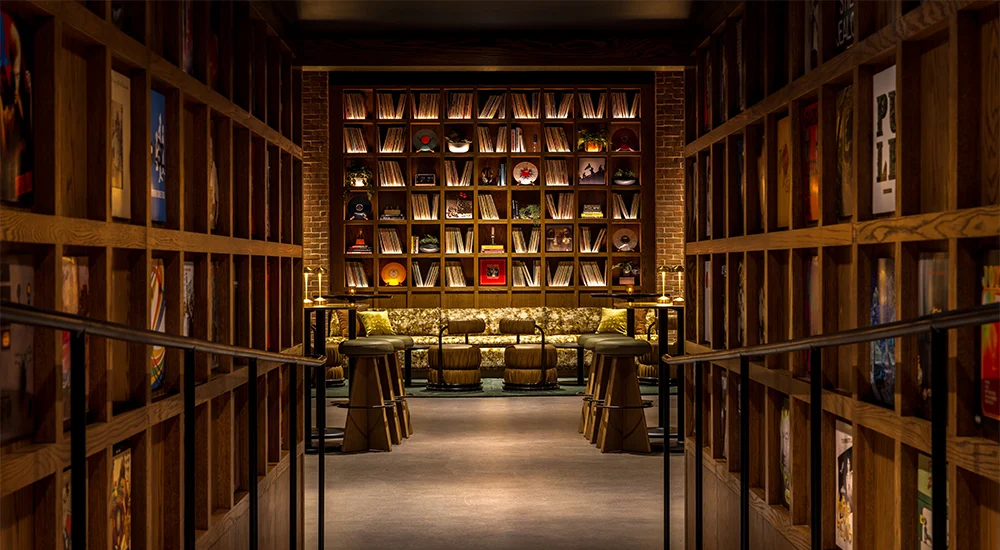
The enduring appeal of vinyl records is not merely a nostalgic trend; it is a powerful cultural force reshaping the landscape of hospitality design. Across the globe, a new typology of social space is emerging: the dedicated listening lounge. These intimate environments elevate music from a mere background amenity to the primary focus, drawing significant inspiration from Japan’s iconic jazz kissa – hushed cafes that have long championed high-fidelity sound and contemplative listening as the foundation for social interaction. This paradigm shift is prompting designers to fundamentally rethink how sound, seating arrangements, and spatial flow coalesce to craft profoundly social experiences.
One notable example of this burgeoning trend is the Listening Room at the recently inaugurated Hotel Saint Augustine in Houston, Texas. Nestled within the hotel’s Augustine Lounge, just off the main lobby, this dedicated space is anchored by a meticulously curated reel-to-reel tape deck and turntable. Here, analog sound systems are paired with a collection of vintage furnishings and an extensive vinyl library, deliberately designed to encourage guests to linger, absorb, and engage with music on a deeper, more personal level. This intentional design choice reflects a broader movement within the hospitality sector to create destinations that offer more than just transient comfort, but rather immersive experiences that foster genuine connection and appreciation.
The revival of vinyl, which has seen a consistent upward trajectory in sales and cultural relevance over the past decade, is a key catalyst for this design evolution. According to the Recording Industry Association of America (RIAA), vinyl record sales have outpaced CD sales for several consecutive years, reaching over $1 billion in revenue in 2022 alone, a testament to its robust market presence. This resurgence is driven by a demographic that values tangibility, curated sound quality, and the ritualistic aspect of music consumption. Hospitality venues are recognizing this demand and translating it into tangible, experiential spaces.
This article delves into four distinct bars, lounges, and social spaces that have been meticulously reimagined through the shared ritual of focused listening, illustrating the diverse applications and interpretations of this innovative hospitality concept.
Vinyl Room at Hollywood Palladium: A Sonic Sanctuary in a Historic Venue
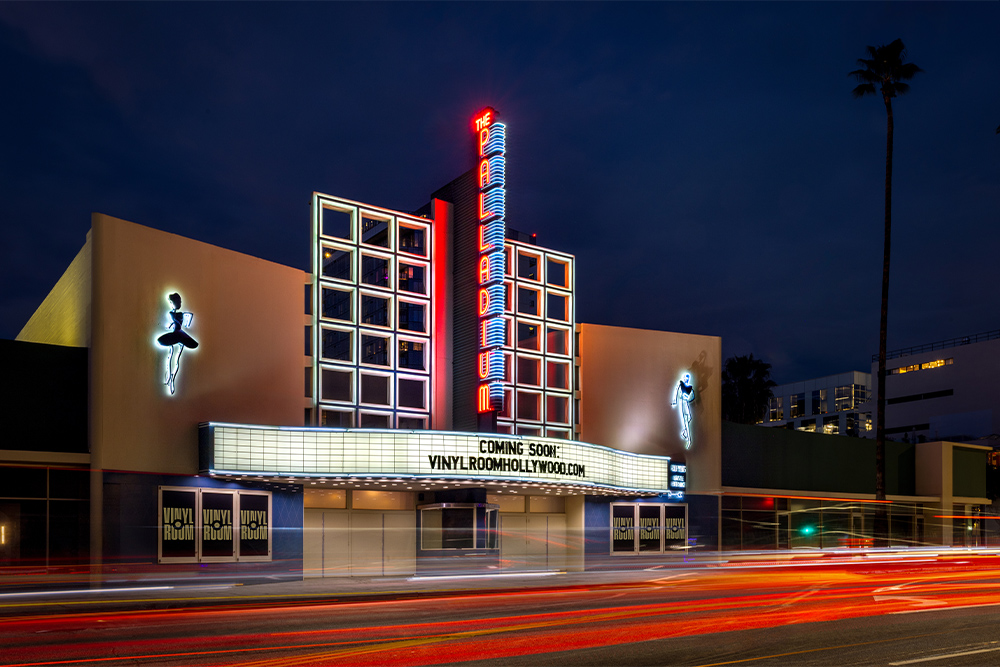
Within the hallowed grounds of the historic Hollywood Palladium, a once underutilized corner has been transformed into the Vinyl Room, a sophisticated listening lounge offering an intimate counterpoint to the venue’s renowned high-energy concerts. This ambitious project, conceptualized by Los Angeles-based design firm Studio Collective in close collaboration with Live Nation’s Blueprint Studio, draws deeply from the rich traditions of Japanese listening bars and the golden era of hi-fi audio in the 1960s and 1970s. The result is a space meticulously crafted for the appreciation of analog sound and dedicated listening.
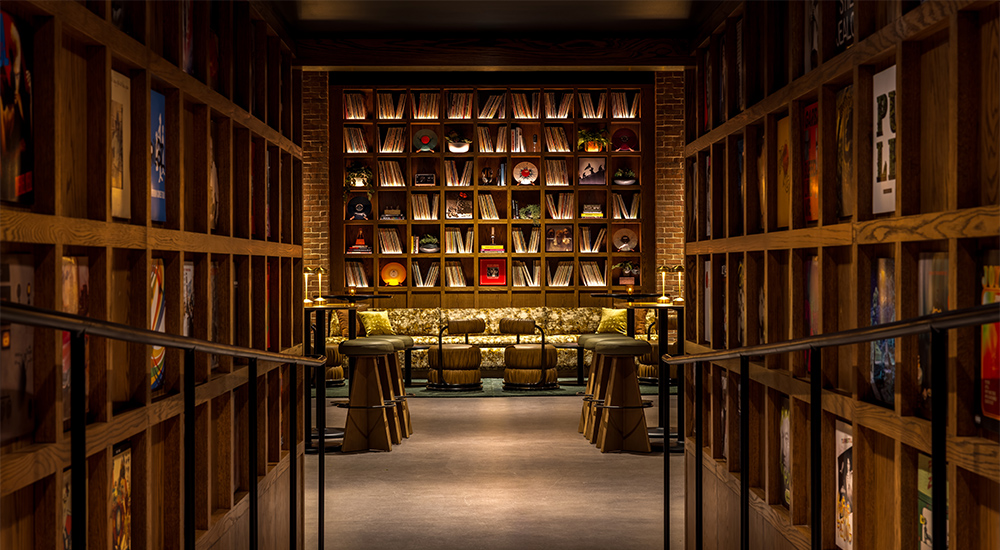
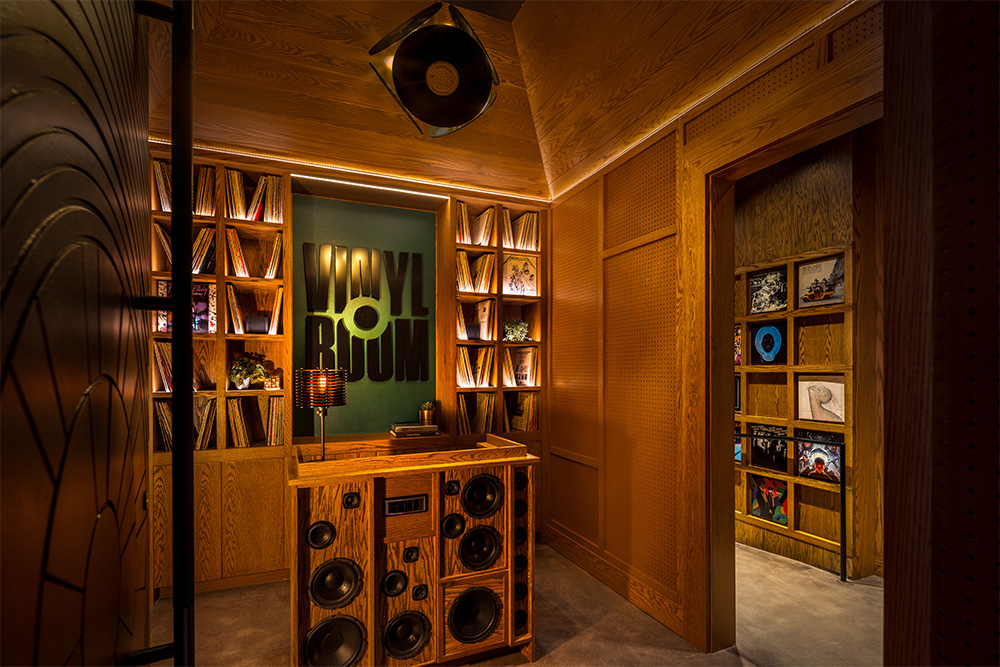
The entrance to the Vinyl Room is deliberately understated, an unassuming alleyway doorway that guides visitors down a dimly lit corridor. This approach intentionally builds anticipation, with walls lined with carefully displayed vinyl records serving as a visual prelude to the main event. The corridor eventually opens into the central lounge, a space immediately distinguished by its striking, LP-shaped curved bar. This architectural element is more than just a visual centerpiece; it’s a functional nexus where custom millwork seamlessly integrates high-fidelity speakers, discreet vinyl storage, and a dedicated DJ booth. This innovative design not only accommodates specialized audio equipment with elegance but also ensures unobstructed sightlines across the entire room, fostering a sense of community and shared experience. The overall aesthetic achieves a delicate balance between minimalist detailing and residential comfort, positioning the lounge as both a premier listening destination and a vibrant social hub intrinsically linked to the Palladium’s broader live music programming.
Adam Goldstein, Design Director and Partner at Studio Collective, expressed his enthusiasm for the project, stating, "It was very exciting for us to develop this new concept with Live Nation and Blueprint Studio. The Vinyl Room is intended to be a true audiophile sanctuary rooted in each venue’s history. Unlike other listening rooms, it’s designed to both stand alone as a dedicated listening space and complement existing Live Nation venues, allowing guests to experience the rush of live performance alongside a more intimate audio environment." This dual-purpose design strategy aims to capture a wider audience, from dedicated vinyl enthusiasts to concert-goers seeking a more refined pre- or post-show experience.
Ruthie Embry, Senior Vice President of Architecture and Design at Blueprint Studio, echoed this sentiment, highlighting the foundational principle guiding their work: "Our fans’ connection to music and the rich history of our venues is at the center of everything we do. Each Vinyl Room builds on a shared design foundation while celebrating the music history that defines its community." This commitment to heritage and fan engagement underscores the strategic importance of these listening spaces within Live Nation’s expansive portfolio, suggesting a future where iconic venues are augmented with immersive audio experiences. The Vinyl Room at the Hollywood Palladium represents a significant investment in enhancing the fan experience, blending historical reverence with cutting-edge acoustic design.
Anima at Locke at East Side Gallery, Berlin: A Fluid Space Embracing Layered Histories
In Berlin, at the Locke at East Side Gallery hotel, the listening bar Anima serves as the vibrant heart of the property’s ground-floor social spaces. Designed by New York-based Grzywinski+Pons, this multi-functional venue seamlessly integrates a café, lounge, and a vinyl-focused bar. Its strategic placement within the 176-room property is particularly significant, situated adjacent to the longest surviving stretch of the Berlin Wall, now famously transformed into the dynamic East Side Gallery.
The architectural design of Anima is a thoughtful response to this complex and layered history. Conceived as a liminal space designed for exchange and connection, the ground floor acts as a fluid conduit between the bustling city and the tranquil Spree river. This is achieved through an intentional opening within the gallery itself, weaving together the reception area, café, lounge, and listening zones into a cohesive and accessible environment. "We treated these social spaces as a microcosm of Berlin itself," explains Matthew Grzywinskiwinski, Principal of Grzywinski+Pons. "There are no restrictions to visibility, access, or circulation, and the entire level presents itself as a legible whole." This design philosophy emphasizes openness and interconnectedness, mirroring Berlin’s own evolution as a city that embraces its past while forging a dynamic future.
Within Anima, carefully considered architectural details serve to delineate the interior into more intimate zones, fostering a sense of cozy refuge amidst the larger, open-plan layout. Fluted partitions, flowing ombré curtains, and the judicious use of warm materials serve to soften the raw concrete shell of the building, creating a convivial atmosphere. This deliberate design choice cultivates a setting where guests are encouraged to gather around music, engage in conversation, and participate in shared cultural exchange. The material palette and spatial organization work in concert to create an environment that is both stimulating and comfortable, inviting patrons to settle in and immerse themselves in the sonic and social experience. Anima’s integration with the East Side Gallery further enhances its cultural resonance, providing a unique backdrop that bridges art, history, and contemporary social life.
Stylus: An Acoustic Salon Redefining the Members’ Club
Set to open in New York City’s Lower East Side this fall, Stylus is poised to redefine the traditional concept of a members’ club by transforming it into an acoustic salon dedicated to the art of deep listening. The project, spearheaded by Brooklyn-based O’Neill Rose Architects, involves the ambitious repurposing of a former recording studio and Blue Man Group rehearsal space. The result is a four-story environment meticulously constructed around the core tenets of sound, culture, and community.
At the very heart of Stylus lies Ephemeral, an acoustically engineered listening room and performance space. This central hub is designed to host a diverse program of vinyl sessions, insightful talks, and intimate live performances throughout the day. The room is anchored by sculptural speakers, custom-designed by Devon Turnbull of OJAS, which are not only visually striking but also integral to the sonic experience. Complementing these, a sophisticated spatial audio system by Amadeus Acoustics allows the room’s reverberation profile to be dynamically adjusted. This advanced technology enables the space to transform its acoustic character, recreating environments ranging from the intimate ambiance of a jazz club to the grandeur of a concert hall, offering unparalleled versatility for sonic exploration.
The architectural journey through Stylus is as carefully curated as its soundscapes. Visitors progress through a sequence of progressively quieter spaces, transitioning from the energetic pulse of Clinton Street into increasingly refined interiors. This deliberate spatial progression culminates in the dedicated listening space, designed to be a sonic destination. "The design concept is rooted in the idea of exploration and destination, and acoustics play a central role," explains Devin O’Neill, Cofounder of O’Neill Rose Architects. "As you move through the building, the spaces gradually become calmer and quieter, culminating in a sonic destination that calls attention to the experience of listening." This layered approach to design ensures that the transition into the listening environment is a gradual and intentional one, preparing patrons for a focused and immersive auditory experience. Stylus represents a forward-thinking approach to exclusive social spaces, prioritizing a unique and profound engagement with music.
Jam Record Bar, Sydney: An Intimate Ode to Japanese Listening Culture
In Sydney, the listening lounge concept takes a more intimate and focused form at Jam Record Bar. This compact venue, located on George Street, channels the spirit and refined aesthetic of Japanese listening bars into a 45-seat establishment. Boasting an impressive collection of over 15,000 vinyl records, Jam Record Bar expertly pairs its curated musical selections with a menu of Japanese-inspired snacks and artisanal cocktails, creating a holistic sensory experience.
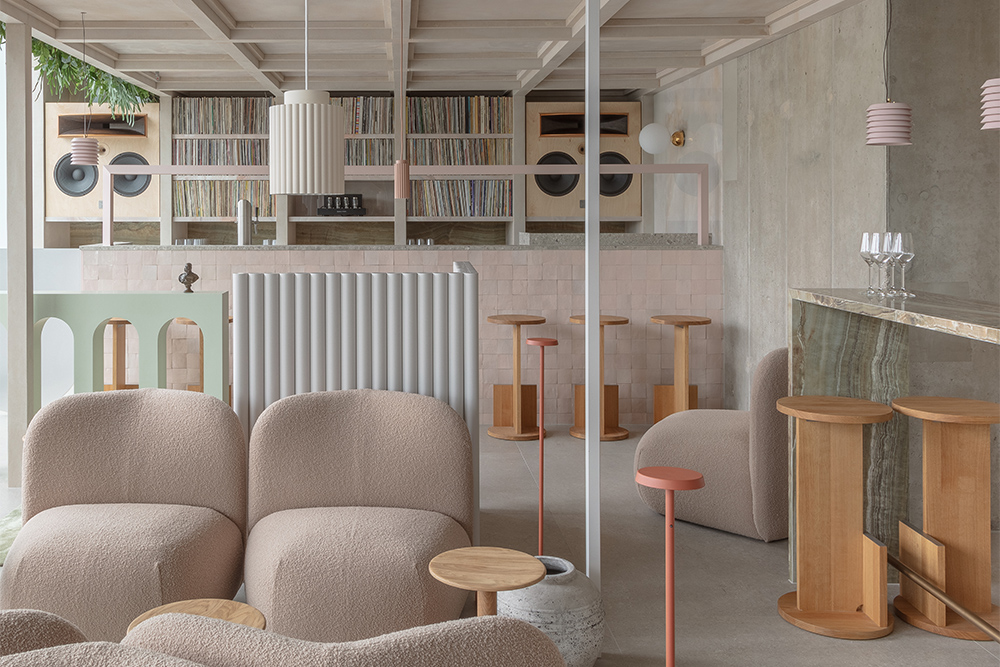
The interior design, crafted by local firm Akin Atelier, draws direct inspiration from the very architecture of sound itself. The space is enveloped in materials such as plywood, cork, and pink insulation, meticulously arranged to create an immersive environment. The design intention is akin to stepping inside a giant speaker box, where acoustics and atmosphere are inextricably linked. "We wanted the bar to feel simple and analog but also refined," says Kelvin Ho, Principal Architect and Design Director at Akin Atelier. This philosophy translates into a space that feels both unpretentious and sophisticated, prioritizing the purity of the listening experience.
Retro lighting fixtures and carefully selected styling objects imbue the otherwise stripped-back palette with warmth and character. The compact scale of the room is a deliberate design choice, ensuring that the focus remains squarely on the music. Together, these elements converge to form an intimate venue where the rich culture of vinyl takes center stage, and sound is unequivocally the main event. Jam Record Bar exemplifies how even small-scale hospitality venues can create profound listening experiences, demonstrating that dedicated attention to acoustics and curated atmosphere can transform a simple bar into a sanctuary for music lovers.
The proliferation of these listening lounges across diverse hospitality settings signals a significant shift in how we approach social spaces and sonic engagement. As the demand for authentic, immersive experiences continues to grow, venues that prioritize high-fidelity sound and dedicated listening are likely to become increasingly popular, offering a much-needed respite from the sonic saturation of everyday life and fostering deeper connections through the shared appreciation of music. The revival of vinyl is not just about the format; it’s about a renewed appreciation for the act of listening itself.


 Chandra Hamzah
 Tatiana Tantri Indah Sari
 Budi Mulyono
 Anjar Salim

