
 Hendra Ismail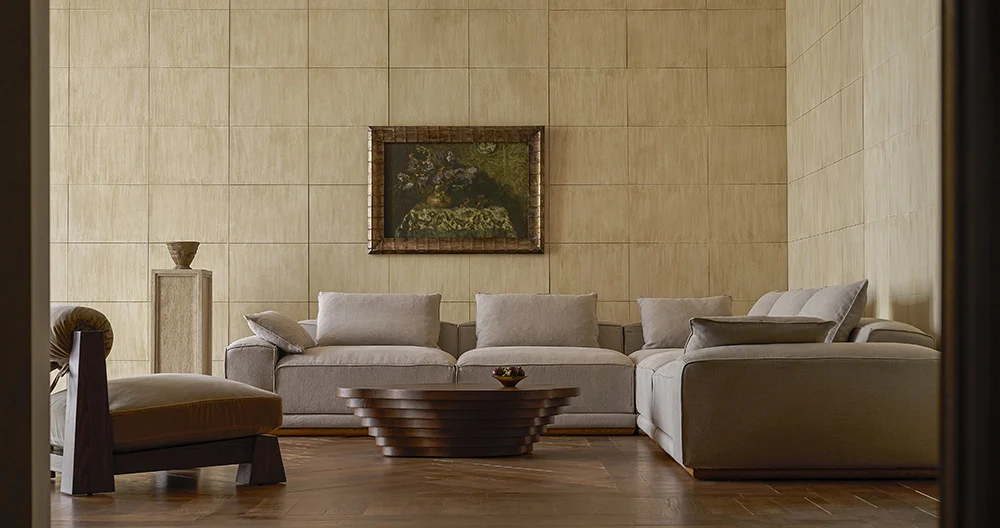
The evocative power of music, experienced through shared moments in his father’s car, laid the foundation for Robert Natale’s profound appreciation for beauty and sensory experience. These formative childhood memories, imbued with the emotional resonance of chord changes and musical passages, instilled in him an early understanding of how elements beyond the tangible can profoundly affect the human spirit. This deep-seated sensitivity to aesthetic and emotional impact has since become the guiding principle behind his transformative leadership at Sixpenny, the furniture and home goods brand he co-owns and steers as CEO and Chief of Design.
Natale’s journey into the world of design and entrepreneurship began not in a design studio, but within the dynamic and rapidly evolving landscape of a burgeoning tech startup. After graduating from American University in Washington, D.C., he relocated to New York City in 2010, joining the "beautiful, chaotic startup" that was Warby Parker. His initial role on the customer experience team provided a hands-on immersion into building a brand from its nascent stages. In this environment, characterized by a "Swiss Army knife" approach where employees wore multiple hats, Natale not only handled customer interactions but also occasionally modeled eyewear and eventually transitioned into an in-house copywriter role. This period at Warby Parker, spanning six years, honed his skills in brand storytelling, customer engagement, and the art of concise, impactful communication.
Following his tenure at Warby Parker, Natale ventured into freelancing, dedicating his expertise to brand building and product and experience design for a diverse range of companies. It was during this period that a pivotal professional connection led to a significant life and career shift. In 2016, Jing Zhang, who would later become his wife, enlisted Natale for art direction as she prepared to launch Sixpenny, a furniture brand, alongside two co-founders. This collaboration marked the beginning of a powerful partnership that would reshape both their personal and professional lives.

The Genesis and Evolution of Sixpenny Under Natale’s Vision
The early days of Sixpenny were characterized by a focus on midcentury industrial aesthetics, a design language that resonated with the brand’s initial market. However, Natale’s leadership brought a nuanced approach to brand evolution. He emphasized the importance of listening to customer feedback and market trends, allowing the brand to organically grow and adapt. "I just see it," Natale explains regarding his creative process, highlighting an intuitive approach to design. "I’ll see a sofa in my mind—literally an arm or a shape—and I’ll sketch it. We’re constantly banking little nuggets of ideas." This method, coupled with the ownership of their manufacturing facility, has granted Sixpenny a significant advantage: unparalleled flexibility and control over the production process. "We have fingers on the pulse at all times," he asserts, underscoring the ability to rapidly iterate and respond to design inspirations.
This commitment to continuous evolution has led Sixpenny’s aesthetic to mature from its industrial roots towards a softer, more romantic, and decidedly "California-cozy" direction. This refined sensibility is a direct reflection of Natale’s design philosophy, which seeks to create spaces that are not only aesthetically pleasing but also deeply inviting and emotionally resonant.
The "Wild Air" Collection: A Breath of Fresh Romance
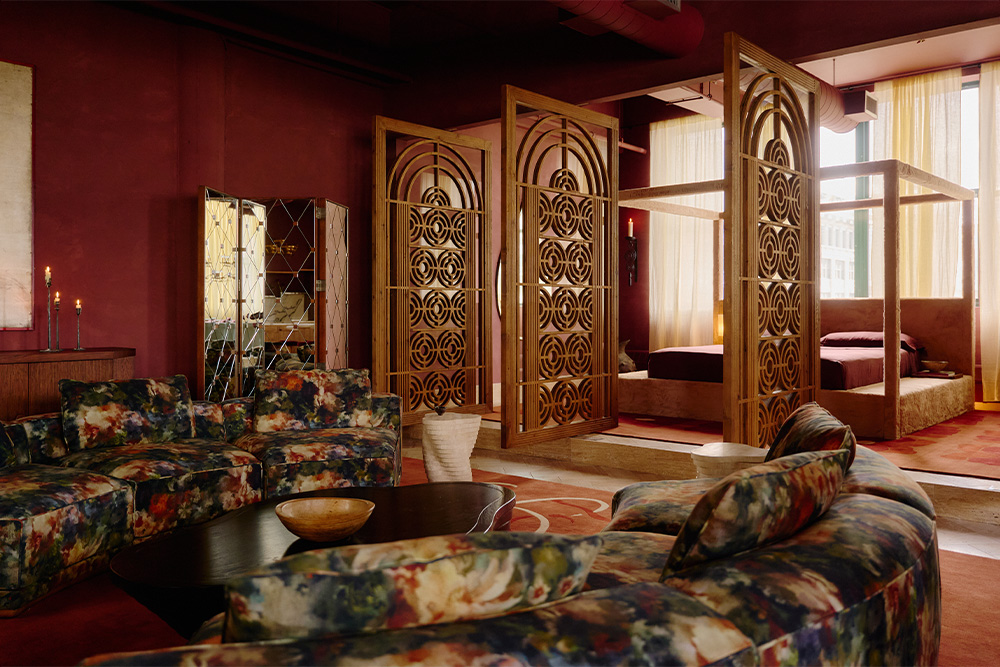
The latest offering from Sixpenny, the "Wild Air" collection, exemplifies this design trajectory and introduces a significant new dimension to the brand’s product catalog. "Wild Air" is described as a collection that "lets nature be the artist," drawing inspiration from the natural world to infuse homes with a sense of tranquility and beauty. A key highlight of this collection is the introduction of Sixpenny’s first-ever custom print. "We’ve never done [one], so it was an obvious next step," Natale notes. "Everyone is looking for a bit of romance in their home, and this print felt like a beautiful opportunity for us to showcase that philosophy in something three dimensional."
The print itself is a delicate watercolor floral, meticulously crafted to evoke the aesthetic of Impressionist paintings. Natale further elaborates on its inspiration, quoting a description that captures its essence: "someone described as looking out at a garden through a rainy window." This imagery suggests a blend of soft focus, natural light, and a touch of wistful beauty, perfectly aligning with the collection’s romantic and serene undertones.
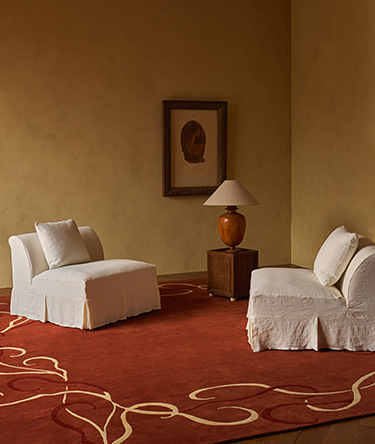
The "Wild Air" collection is not limited to upholstery. It encompasses a broader range of home furnishings, including rugs, bedding, and casegoods, allowing for a cohesive and immersive design experience. The Dalia armless chairs, for instance, are shown resting atop the handknotted "Wander in Cardinal" rug, one of Sixpenny’s inaugural rug designs, demonstrating the brand’s expansion into complementary product categories. The introduction of prints on cotton-linen upholstery, as seen on the Yogi curved sectional, signifies a bold step into new material applications and design expressions.
The Sixpenny Loft: A Physical Embodiment of Design Philosophy
The tangible manifestation of Sixpenny’s evolving design ethos can be experienced at the Sixpenny Loft in Dumbo, Brooklyn. This retail space serves as a curated environment, designed to embody Natale’s core principles: creating interiors that are simultaneously warm and inviting, yet possess an undeniable boldness and luxurious feel. The "Wild Air" collection, with its emphasis on natural beauty and romanticism, is central to this experience. Natale articulates the collection’s aim: "captures the romance and creates spaces where you feel held." This sentiment speaks to the profound impact that thoughtful interior design can have on well-being, fostering a sense of security and contentment within one’s home.
The expansion of Sixpenny into a comprehensive home goods brand, from furniture to textiles and decorative elements, reflects a strategic growth trajectory. By offering a holistic approach to interior design, Sixpenny aims to empower individuals to curate spaces that not only reflect their personal style but also enhance their quality of life.
A Partnership Forged in Design and Business
The evolution of Sixpenny’s leadership is a testament to a strong personal and professional partnership. By 2020, Robert Natale and Jing Zhang had not only married but had also jointly acquired the company, solidifying their shared vision and commitment. This transition marked Natale’s formal assumption of the CEO and Chief of Design roles, granting him the authority to fully steer the brand’s creative and strategic direction.
The ownership of their factory has been a critical differentiator for Sixpenny. This vertical integration provides a rare level of agility, allowing for rapid prototyping and adaptation to design ideas. "We have fingers on the pulse at all times," Natale reiterates, emphasizing the constant feedback loop between design conception, manufacturing, and market response. This direct oversight ensures that the brand remains at the forefront of design innovation while maintaining rigorous quality standards.
The Broader Impact on the Home Furnishings Market
Natale’s leadership at Sixpenny represents a significant trend in the contemporary home furnishings market: the rise of brands that prioritize emotional resonance, artisanal quality, and a direct connection with their customer base. In an industry often dominated by mass production and fleeting trends, Sixpenny, under Natale’s guidance, carves out a niche by focusing on timeless design, tactile comfort, and the creation of deeply personal living spaces. The brand’s ability to evolve its aesthetic while maintaining its core values of quality and customer-centricity positions it as a compelling player in the evolving landscape of home décor.
The "Wild Air" collection, with its artistic prints and emphasis on natural beauty, signals a broader consumer desire for homes that offer a sanctuary from the outside world. As the lines between living spaces and personal well-being continue to blur, brands like Sixpenny, led by designers with a profound understanding of sensory experience, are poised to shape the future of interior design. Natale’s journey, from the early sensory awakenings of childhood to the strategic leadership of a thriving design brand, underscores the enduring power of passion, vision, and a deep appreciation for the elements that make a house a home.
"We’re grateful to do something we love, while allowing people to truly love their space and feel excited to be home," Natale concludes, encapsulating the ultimate mission of Sixpenny: to enrich lives through the creation of beautiful, comfortable, and deeply cherished living environments. This sentiment, rooted in his personal journey and professional dedication, serves as the guiding philosophy for Sixpenny’s continued growth and influence in the home furnishings sector.


 Budi Mulyono
 Anjar Salim
 Chandra Hamzah
 Tatiana Tantri Indah Sari

 Lukman Taruna Persada Ramadan