
 Anjar Salim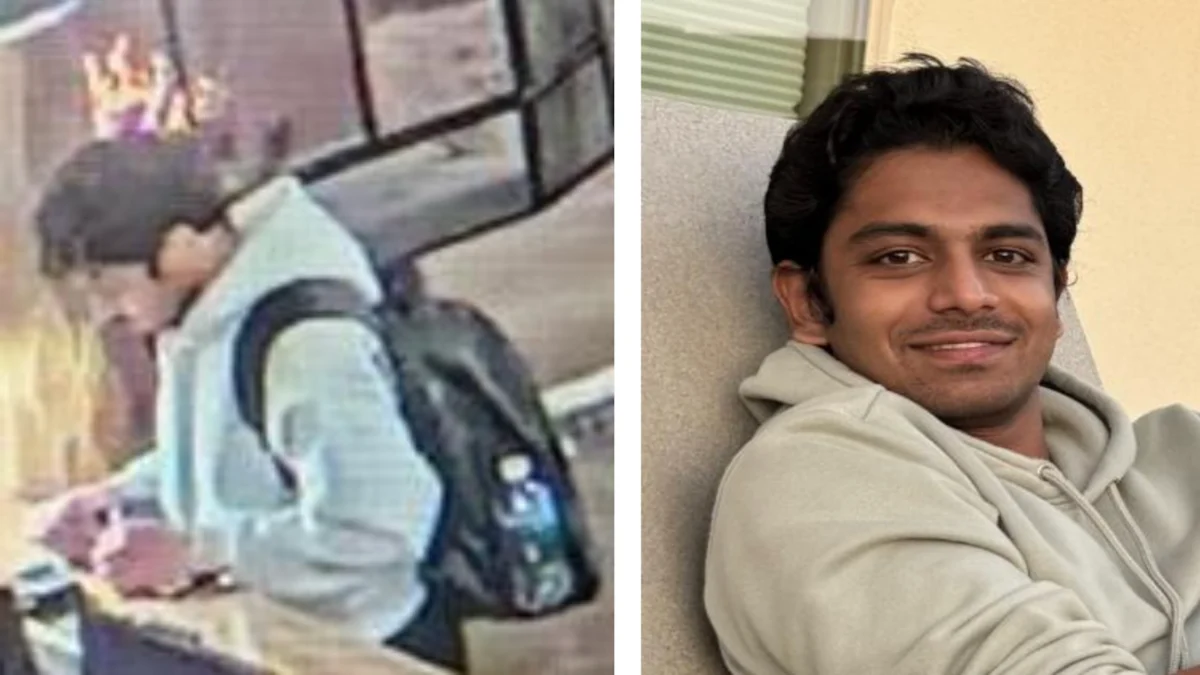
National Park Service officials and local law enforcement agencies have launched an extensive search and rescue operation in the South Rim area of Grand Canyon National Park following the disappearance of 26-year-old Sandarsh Krishna. Mr. Krishna was last seen on April 27, 2026, along the popular Rim Trail, a high-traffic pedestrian path that skirts the edge of the canyon’s precipitous drops. As the search enters its third day, authorities are appealing to the public for any photographic evidence or personal observations that may assist in narrowing the search perimeter.
According to official statements released by the Grand Canyon National Park dispatch, the alarm was first raised on April 28, 2026, when authorities were notified of a potential missing person within the park boundaries. Preliminary investigations suggest that Mr. Krishna may have arrived at the park via a ride-share service or a taxi, as no personal vehicle associated with him has been located in any of the park’s designated parking lots or transit hubs. This lack of a vehicle has complicated the initial stages of the investigation, as search teams typically use abandoned vehicles to determine a subject’s primary entry point and equipment level.
Profile of the Missing Individual
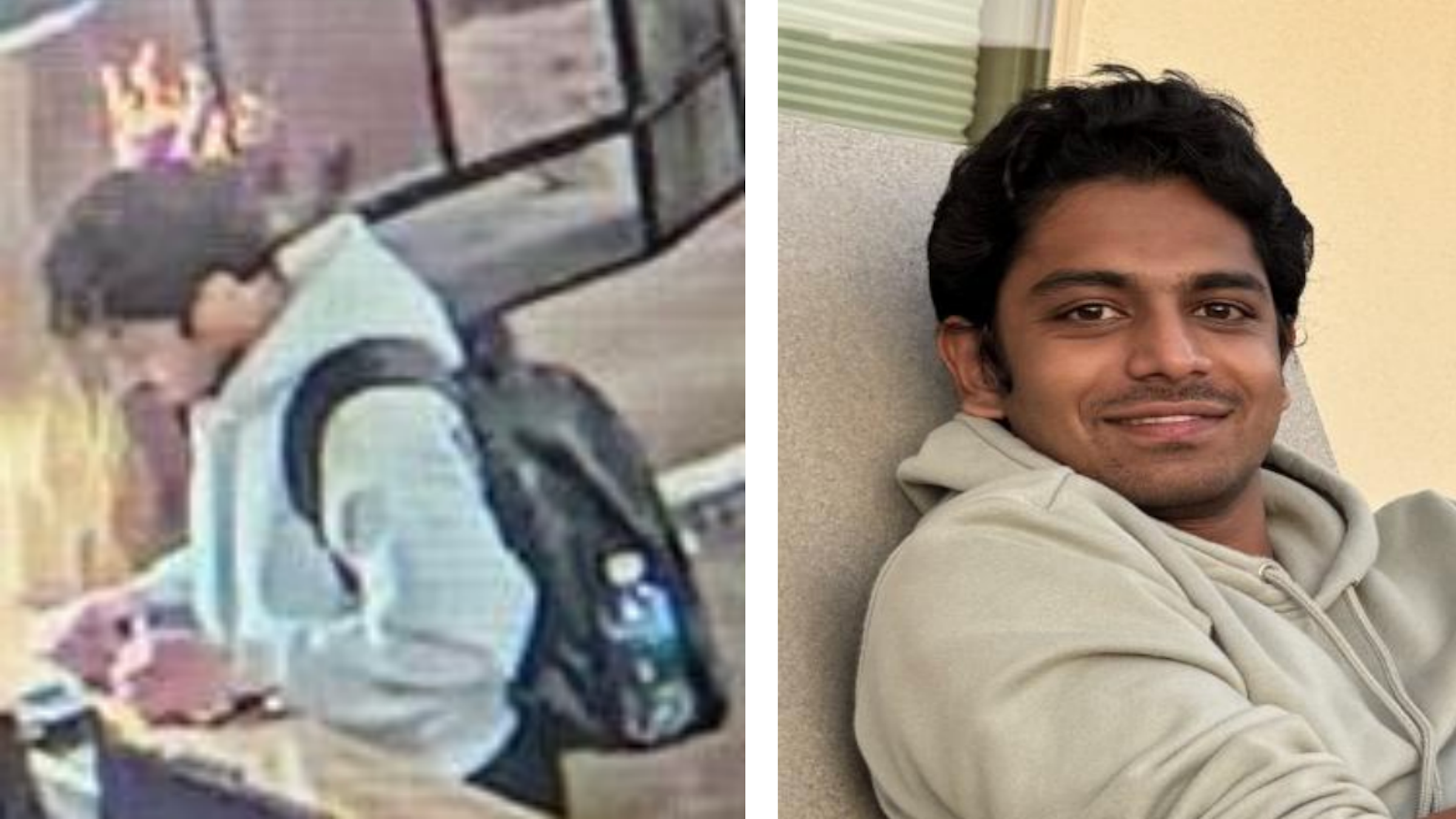
Sandarsh Krishna is described by officials as a 26-year-old male, approximately 5 feet 10 inches tall, weighing 160 pounds. He has a thin build, black hair, and brown eyes. At the time of his disappearance, he was reportedly wearing athletic clothing, which suggests he may have been prepared for a casual hike or a run along the rim, though it remains unclear if he was equipped for an overnight stay or a descent into the canyon’s interior.
The National Park Service (NPS) Investigative Services Branch has highlighted the window of 4:00 p.m. on Monday, April 27, to midnight on Tuesday, April 28, as the critical period for his disappearance. Investigators believe he was traversing the section of the Rim Trail between Bright Angel Lodge and Mohave Point. This 3-mile stretch is among the most scenic and heavily trafficked portions of the South Rim, making the lack of immediate sightings particularly concerning to park rangers.
Chronology of the Disappearance and Response
The timeline of events began on the afternoon of April 27, 2026, when Mr. Krishna was last confirmed to be on the South Rim. The Rim Trail, which spans a total of 12.8 miles from South Village to Hermits Rest, is largely paved and serves as the primary artery for tourists seeking views of the canyon without venturing onto the more grueling inner-canyon trails.
On April 28, the Grand Canyon Dispatch received the missing person report. Given the 24-hour gap between the last sighting and the report, the NPS immediately mobilized its Search and Rescue (SAR) teams. By the morning of April 29, the park had issued a public flyer and activated the Investigative Services Branch (ISB) to handle incoming tips.
The search strategy currently employed is known as the "point-last-seen" (PLS) method. This involves establishing a radius around the last confirmed location and expanding outward based on terrain analysis and the subject’s presumed physical capabilities. Because Mr. Krishna was seen near the Rim Trail—a path defined by its proximity to steep cliffs—the search includes both the plateau of the rim and the immediate "fall line" zones below the rim’s edge.
Geographic and Environmental Challenges of the Rim Trail
The Rim Trail along Hermit Road is a unique environment that presents specific challenges for search and rescue operations. While much of the trail is paved and accessible to wheelchairs and strollers, it is punctuated by numerous exposed overlooks and sheer drop-offs that exceed 1,000 feet in vertical descent. Between Bright Angel Lodge and Mohave Point, the trail winds past landmarks such as Maricopa Point, Powell Point, and Hopi Point.
At this time of year, Hermit Road is closed to private vehicle traffic, meaning the only ways to access these points are via the park’s shuttle bus system, on foot, or by bicycle. This restriction narrows the pool of potential witnesses to those who utilized the "Red Route" shuttle or were hiking the trail during the afternoon of April 27.
The environmental conditions at the Grand Canyon can be deceptive, particularly in late April. At an elevation of approximately 7,000 feet, the South Rim experiences significant diurnal temperature swings. On the day Mr. Krishna went missing, the weather was reported as clear and sunny with mild daytime temperatures. However, nighttime temperatures at this elevation frequently plummet to near-freezing levels. For an individual wearing only athletic clothing, the risk of hypothermia becomes a critical factor within hours of sunset. Furthermore, the high-altitude air is extremely dry, increasing the risk of dehydration even in the absence of extreme heat.
Search and Rescue Statistics and Park Safety Context
Grand Canyon National Park is one of the busiest search and rescue hubs in the United States. According to NPS data, the park responds to an average of 300 to 400 SAR incidents annually. These incidents range from minor medical emergencies and heat exhaustion to complex technical "short-haul" helicopter extractions from the canyon’s depths.
The South Rim, due to its accessibility and high visitation rates—averaging nearly 5 million visitors per year—sees a disproportionate number of these incidents. Officials often warn that the "sidewalk-like" nature of the Rim Trail can instill a false sense of security in visitors. The transition from a paved path to a lethal drop-off can occur in a matter of inches, particularly in areas where social trails (unofficial paths created by visitors) deviate from the main route.
In recent years, the NPS has increased its "Preventative Search and Rescue" (PSAR) efforts, deploying volunteers and rangers to talk to hikers about the dangers of the environment. However, the vastness of the park—covering over 1.2 million acres—means that once an individual leaves the established trail system, the difficulty of locating them increases exponentially.
The Role of Public Assistance and Investigative Leads
Authorities are leaning heavily on the "citizen scientist" approach to this investigation. With thousands of tourists visiting the South Rim daily, many individuals likely captured photographs or videos in the background of which Mr. Krishna may appear. The NPS is specifically asking visitors who were near Bright Angel Lodge, Maricopa Point, or Mohave Point on the evening of April 27 to review their digital media.
"Even a blurry figure in the background of a selfie can provide a timestamp and a direction of travel that shifts the entire focus of a search," a former SAR coordinator noted regarding similar cases.
The investigation is also looking into ride-share data. Since Mr. Krishna did not have a vehicle, investigators are likely working with companies like Uber and Lyft, as well as local taxi services in Tusayan and Flagstaff, to identify the driver who dropped him off. Understanding his demeanor and any equipment he may have had upon arrival is a top priority for the ISB.
Broader Implications for National Park Security
The disappearance of Sandarsh Krishna highlights the ongoing challenges of managing visitor safety in sprawling wilderness areas. While the NPS encourages "Hiking Smart" and provides extensive safety literature, the sheer volume of visitors makes individual monitoring impossible.
This case also brings to light the complexities of the "missing person" phenomenon in national parks, a topic that has garnered significant public interest and media scrutiny in recent years. The lack of a vehicle in this specific instance adds a layer of modern complexity, reflecting changing travel habits where visitors rely on transit apps rather than personal transport, potentially delaying the discovery of a disappearance until a third party reports the individual missing.
Current Status of the Search
As of the latest update from park officials, the search remains in an active phase. Ground teams are combing the brush along the rim, and aerial assets may be deployed depending on weather conditions and visibility. The NPS Investigative Services Branch continues to manage the tip line, vetting information from the public.
The National Park Service reminds all visitors that the Grand Canyon is a wild and unforgiving environment. Hikers are encouraged to always carry the "ten essentials," inform someone of their specific plans, and stay on designated trails.
Anyone with information regarding the whereabouts of Sandarsh Krishna, or anyone who may have seen him on April 27 or 28, is urged to contact the NPS Investigative Services Branch. Tips can be submitted via the dedicated tip line at 888-653-0009, through the online form on the NPS website, or by emailing [email protected]. Information can be provided anonymously. The cooperation of the public is considered vital in bringing this search to a resolution.



 Chandra Hamzah
 Tatiana Tantri Indah Sari
 Budi Mulyono
