
 Chandra Hamzah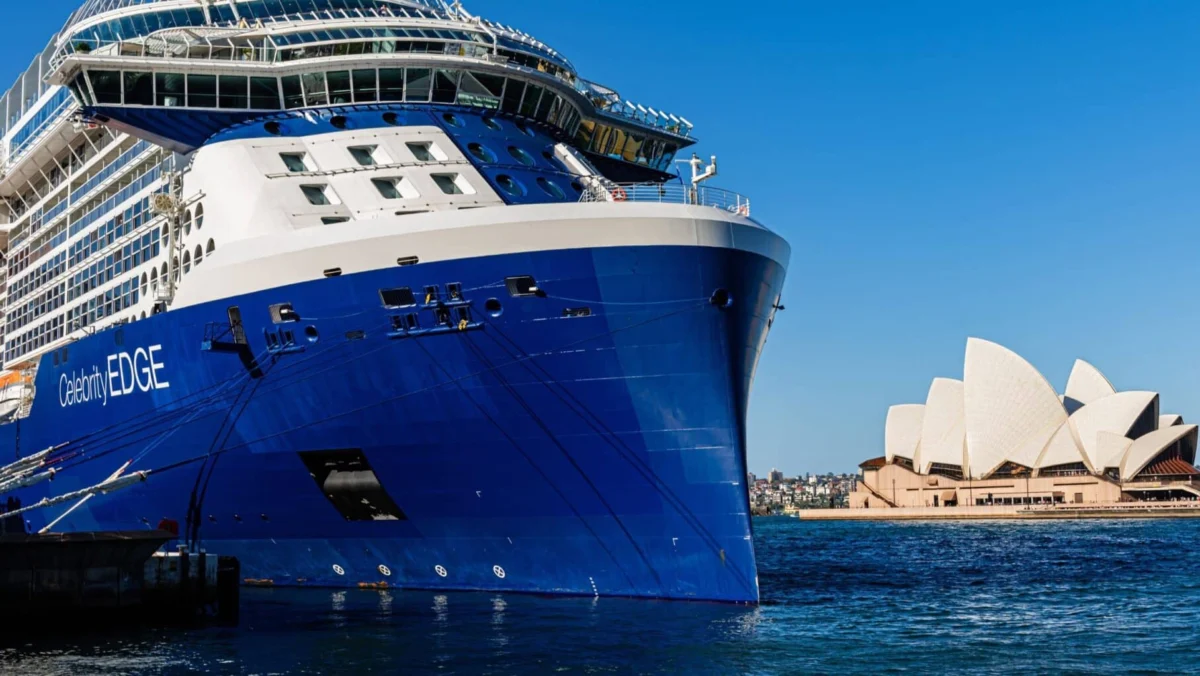
The allure of a cruise vacation, once synonymous with all-inclusive luxury and predictable expenses, is increasingly being challenged by a growing sentiment among seasoned travelers. A chorus of complaints frequently echoes through the cruising community, centered on the perception that cruise lines are engaging in a practice of "nickel-and-diming" passengers, gradually introducing charges for services and amenities that were historically bundled into the fare. This shift has transformed the once straightforward budgeting of a cruise into a complex calculation of base fares, ancillary charges, and perceived value.
Recent weeks have amplified these concerns, with several major cruise lines implementing new fee structures. Princess Cruises, for instance, has adjusted its service charges for sailings originating in the United States, a move that has drawn scrutiny from its loyal customer base. Similarly, MSC Cruises has introduced new fees specifically for baby care services, a provision that was previously offered free of charge. Perhaps one of the most striking examples is Norwegian Cruise Line’s new vessel, the Norwegian Luna, which features a circus-themed show with an admission fee of $45 per person. This particular charge is notable, as elaborate entertainment has long been a cornerstone of the cruise experience, typically included as part of the overall cruise fare, and its unbundling has sparked considerable discussion.
While individual new charges might appear modest, their cumulative effect can significantly alter the final cost of a vacation. This phenomenon is keenly illustrated by a recent decision from Royal Caribbean. The cruise line has discontinued the inclusion of its signature "Coca-Cola Freestyle cup" within its beverage packages. While the cup can be purchased for a $5 fee onboard, its removal from bundled packages, when combined with other emerging charges or cutbacks, contributes to a growing sense among cruisers that the overall value proposition is diminishing. This trend is not isolated; it reflects a broader strategic adjustment by cruise operators in response to evolving market dynamics and operational costs.
Beyond the tangible financial implications, there is a significant psychological aspect to this evolving pricing model. A core appeal of cruising has always been the promise of a largely prepaid holiday, allowing passengers to relax and immerse themselves in the experience without constant concern about additional spending. Each new fee or removed inclusion erodes this sense of effortless indulgence, fostering a more cautious and calculating approach to vacation spending. This shift can detract from the very relaxation and carefree atmosphere that many seek when booking a cruise.
The subtle nature of some of these changes further complicates the issue. While some adjustments are readily apparent, such as explicit fees for entertainment or services, others are less perceptible. These can include reductions in the frequency of room cleanings, adjustments to staffing levels, or a simplification of culinary offerings. These less visible cutbacks, when aggregated, contribute to a gradual alteration of the onboard experience, creating a challenging environment for passengers attempting to gauge the true value of their cruise booking. This situation can be likened to "shrinkflation" in the retail sector, where product sizes decrease while prices remain constant, offering less value for the same expenditure.
Navigating the truth behind these industry shifts requires careful analysis, as conflicting narratives often emerge. Some passengers maintain that cruise lines are indeed increasing charges for previously included amenities, thereby inflating costs. Conversely, others argue that the entire travel industry is facing rising operational expenses, and cruising, despite these adjustments, still represents one of the most cost-effective vacation options available. Proponents of this view suggest that by removing inclusions not universally utilized by all passengers, cruise lines can potentially stabilize or even lower base fares, benefiting a wider segment of travelers.
The reality is likely a nuanced combination of these perspectives. Cruise lines, as large commercial enterprises, are understandably focused on optimizing revenue streams. However, it is also undeniable that cruising, even with its evolving cost structures, often provides substantial value compared to other vacation types, particularly when considering the breadth of experiences and destinations offered. The key for consumers lies in understanding how these value propositions are being recalibrated.
A prudent approach for any prospective cruiser involves a thorough analysis of a cruise line’s pricing strategy and its included amenities. Different lines are adopting varied tactics to manage costs and revenues. For example, some, like Norwegian Cruise Line, Celebrity Cruises, and Carnival Cruise Line, have strived to maintain relatively stable base fares. However, these lines may be making adjustments in other areas, such as the specific inclusions within their packages. What one passenger might perceive as a bothersome "nickel-and-dime" charge, another, who does not utilize that particular service or amenity, might find entirely irrelevant and inconsequential to their overall satisfaction.
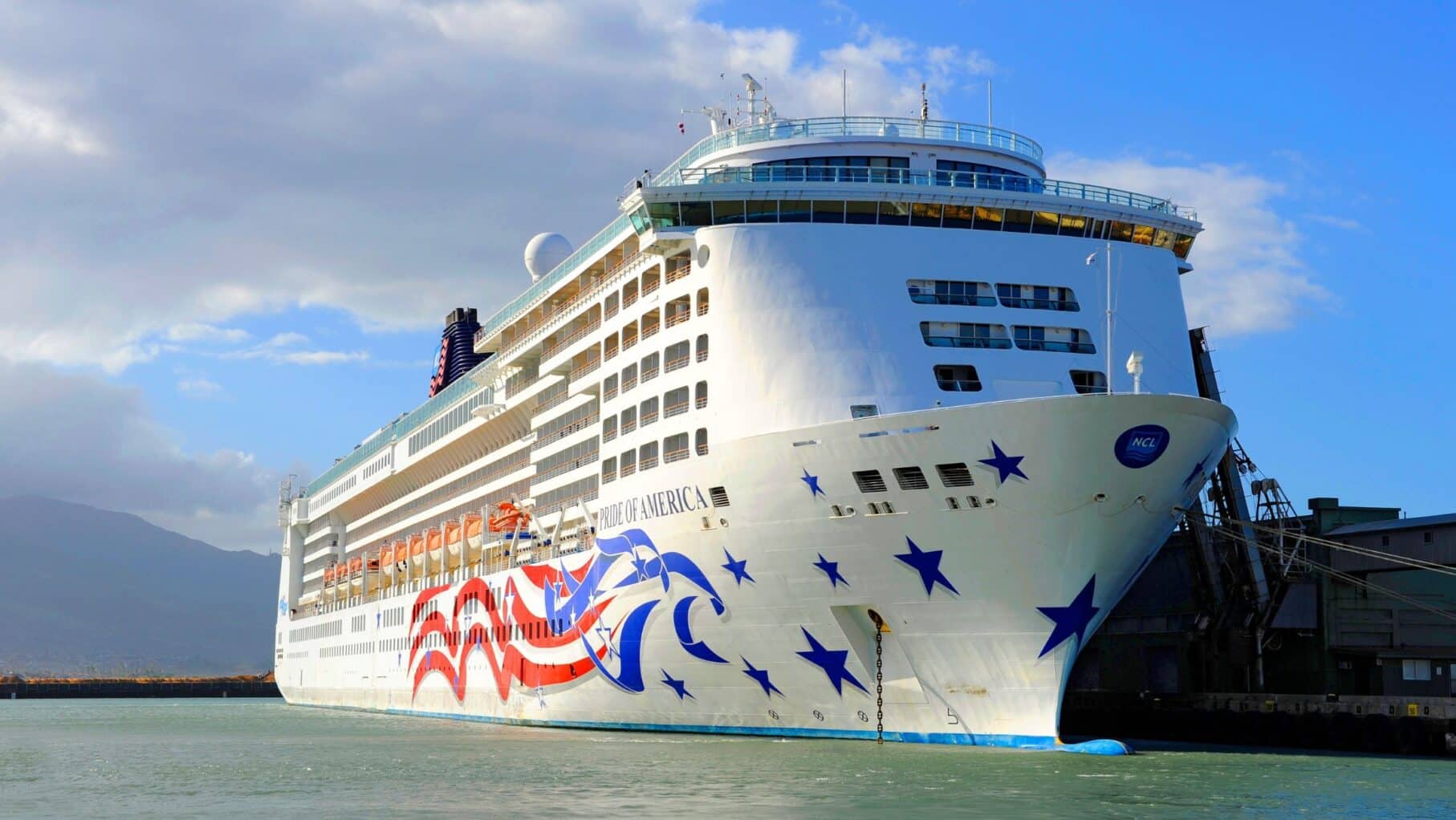
In contrast, lines such as Royal Caribbean and Princess Cruises have seen more pronounced increases in their advertised fares, and yet, these lines also face complaints regarding perceived cutbacks in inclusions. The dynamic nature of cruise line pricing and service offerings necessitates ongoing vigilance from consumers.
A recent example that has sparked debate involves Norwegian Cruise Line’s policy of charging passengers who request a second entrée during dinner. While this might be characterized by some as an instance of "nickel-and-diming," others might view it as an indication of outright greed, particularly given the generally abundant nature of cruise ship dining. Ultimately, the decision of whether a particular cruise represents good value rests with the individual consumer, who must weigh the stated fare against the totality of what is being offered and what is being omitted.
Understanding Cruise Line Strategies: A Deeper Dive
The cruise industry operates within a complex economic landscape, influenced by factors such as fuel costs, global economic conditions, and evolving consumer expectations. In response to these pressures, cruise lines are employing a range of strategies to maintain profitability and competitiveness. These strategies can be broadly categorized into two main approaches: price adjustments and the unbundling of services.
The Unbundling Trend: From Inclusions to Add-ons
Historically, cruise fares were designed to encompass a comprehensive vacation experience. This included meals in main dining rooms and buffets, access to most onboard entertainment, gratuities, and often non-alcoholic beverages. However, in recent years, there has been a noticeable shift towards unbundling these elements. This allows cruise lines to present a lower advertised base fare, attracting price-sensitive consumers, while generating additional revenue from passengers who opt for premium services or amenities.
- Beverage Packages: The evolution of beverage packages exemplifies this trend. Initially, basic non-alcoholic beverages might have been included. Now, comprehensive packages covering specialty coffees, premium juices, and alcoholic beverages are often separate, significant expenses. The aforementioned Coca-Cola Freestyle cup incident with Royal Caribbean highlights how even seemingly minor inclusions are now subject to separate charges.
- Specialty Dining: While main dining rooms and buffets remain largely inclusive, specialty restaurants offering more refined culinary experiences are almost universally an additional cost. These can range from a modest surcharge to substantial à la carte pricing, significantly impacting the final bill for those who indulge.
- Entertainment and Activities: As seen with the Norwegian Luna‘s circus show, even forms of entertainment that were once standard are now being monetized. This extends to premium shows, access to certain lounges or entertainment venues, and even specific onboard activities like escape rooms or enhanced spa treatments.
- Gratuities and Service Charges: While gratuities have always been a component of cruise costs, their presentation has shifted. Some lines now automatically add daily service charges, while others have moved towards higher base fares that may or may not implicitly include these charges, leading to confusion and varied passenger experiences depending on the sailing region. Princess Cruises’ adjustments to service charges for U.S. sailings illustrate this ongoing recalibration.
- Wi-Fi and Connectivity: Internet access at sea has transitioned from a rare luxury to a near-necessity for many travelers. However, onboard Wi-Fi remains a significant additional expense, with prices often higher than land-based equivalents, and with varying speeds and data limitations.
Operational Adjustments: The Subtle Erosion of Value
Beyond direct charges, cruise lines are also implementing operational changes that, while not always incurring direct fees, can subtly alter the passenger experience and perceived value. These are the "less perceptible" cutbacks that contribute to the feeling of getting less for more.
- Staffing Levels: Reductions in staffing can lead to longer wait times for service in dining rooms, bars, and other onboard venues. It can also impact the frequency or thoroughness of housekeeping services. While not a direct charge, a diminished service level can detract from the overall enjoyment of the cruise.
- Menu Simplification: In some instances, cruise lines may simplify menus in main dining rooms, offering fewer choices or reducing the complexity of dishes. This can be attributed to cost-saving measures in food procurement and preparation, but it can lead to a less diverse and exciting culinary experience for passengers.
- Frequency of Services: As noted with room cleanings, a reduction in the frequency of certain services can be a cost-saving measure. While basic standards are maintained, the "extra touches" that contribute to a feeling of pampered luxury might be less prevalent.
Analyzing the Implications for Cruisers
The cumulative effect of these pricing and operational adjustments presents a complex scenario for consumers. The "all-inclusive" promise of cruising is becoming increasingly nuanced, requiring travelers to meticulously research and budget for a wider array of potential expenses.
- Increased Budgeting Complexity: Passengers can no longer rely on a simple cruise fare to cover all their vacation costs. They must factor in potential charges for beverages, specialty dining, entertainment, Wi-Fi, and potentially even increased gratuities. This requires a more proactive and detailed approach to financial planning for a cruise.
- Shifting Value Perception: The perceived value of a cruise is becoming more subjective and dependent on individual preferences. For a traveler who primarily enjoys the main dining room, free entertainment, and minimal alcohol consumption, the unbundling of services might have less impact. However, for a passenger who seeks out premium dining, enjoys extensive bar service, and utilizes onboard amenities frequently, the cumulative cost of additional charges can be substantial.
- Competitive Differentiation: Cruise lines are increasingly differentiating themselves not just by itinerary and ship design, but by their pricing models and what is included. Travelers seeking a truly all-inclusive experience may need to seek out specific lines or packages that emphasize this, while those comfortable with à la carte pricing may find more options.
- Potential for Passenger Dissatisfaction: When passengers feel they are paying more for less, or that previously included amenities have been removed without clear justification, it can lead to dissatisfaction and negative word-of-mouth. This can impact a cruise line’s reputation and future booking potential.
Conclusion: Empowering the Savvy Cruiser
The landscape of cruising is undeniably evolving. While the core appeal of exploring new destinations and enjoying onboard amenities remains, the way these experiences are priced and delivered is undergoing significant transformation. The "nickel-and-diming" narrative, while perhaps overly simplistic, reflects a genuine concern among passengers about the diminishing value proposition of traditional cruise fares.
For cruise lines, the challenge lies in balancing revenue generation with maintaining passenger satisfaction and the perception of value. For cruisers, the key to navigating this evolving environment lies in informed decision-making. This involves diligent research into cruise line pricing structures, a clear understanding of personal vacation priorities, and a realistic assessment of the total cost of a cruise beyond the initial fare. By embracing these practices, travelers can continue to enjoy the unique pleasures of a cruise vacation while making financially sound choices that align with their expectations and budget. The era of the truly "all-inclusive" cruise may be fading, but the value of a well-planned and understood cruise experience remains a compelling option for many.




 Anjar Salim
 Tatiana Tantri Indah Sari
 Budi Mulyono
