
 Chandra Hamzah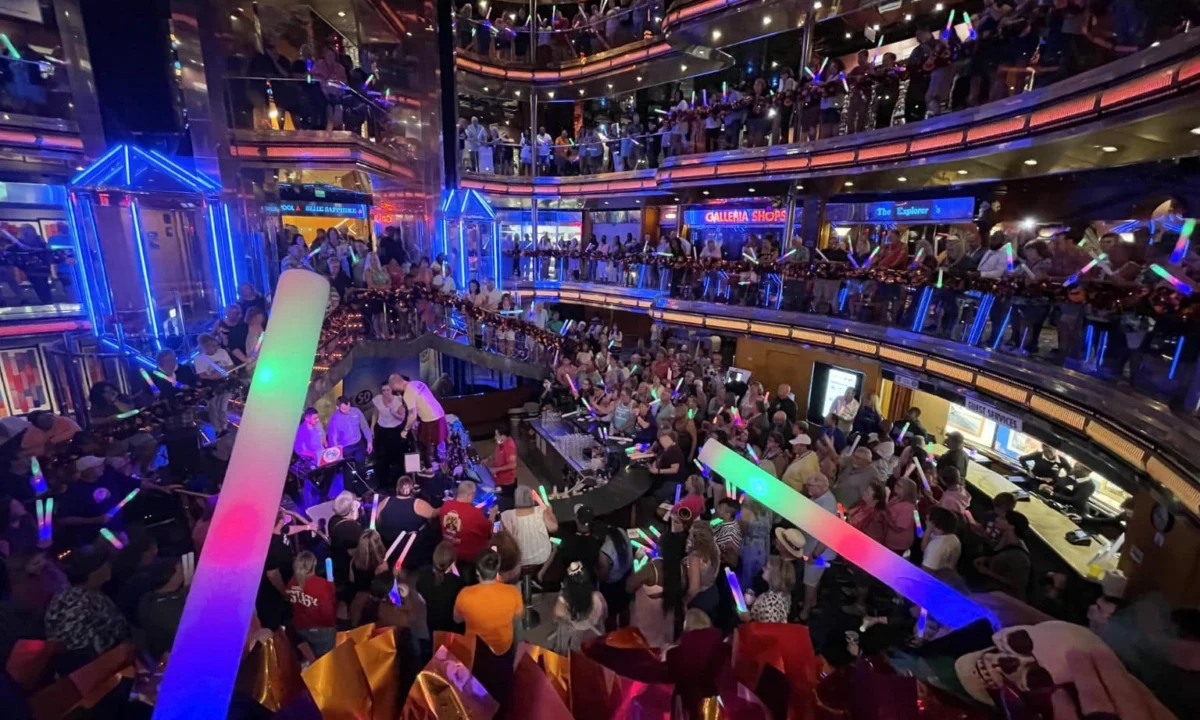
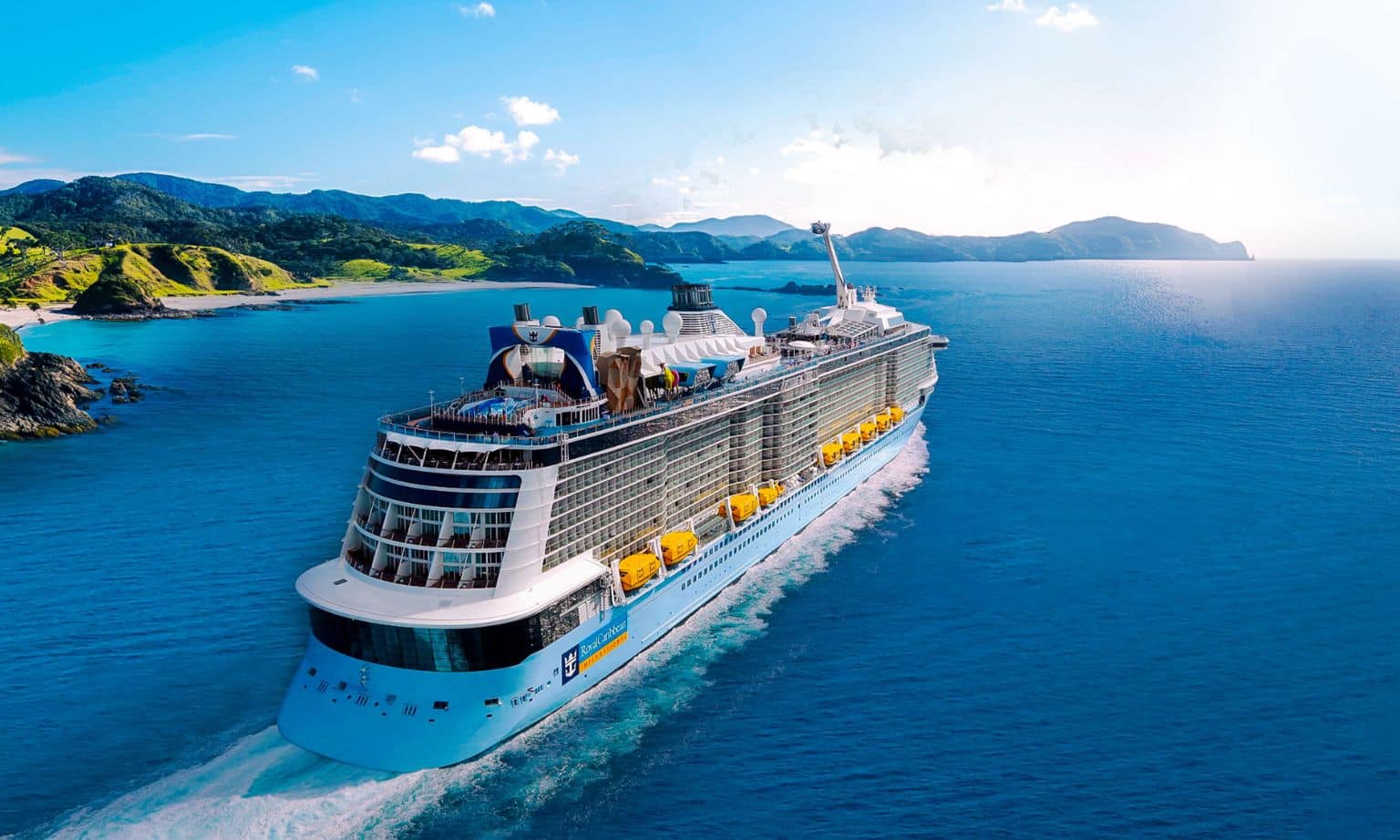
The Australian cruise industry is experiencing a significant surge in popularity for "cruises to nowhere," a trend that, while attracting a new demographic and invigorating the onboard experience, is simultaneously casting a shadow over the economic vitality of coastal towns. These short-duration voyages, characterized by their lack of port calls and often a vibrant, party-centric atmosphere, are increasingly being offered by major cruise lines such as Carnival Cruises and Royal Caribbean. While this shift caters to a younger audience and those seeking a more immediate vacation experience, it presents a tangible challenge to the established economic model that relies on cruise passengers disembarking and injecting funds into local economies.
The allure of the "cruise to nowhere" lies in its simplicity and accessibility. For passengers, it offers a convenient escape, a chance to experience the amenities and entertainment of a large cruise ship without the logistical complexities or extended time commitment of a traditional itinerary. This has proven particularly effective in drawing in a younger demographic, lowering the average age of cruise passengers and broadening the appeal of cruising beyond its historically more mature clientele. The onboard environment is frequently designed to be high-energy, featuring live music, themed parties, and a focus on entertainment, creating a self-contained holiday experience.
However, this burgeoning trend carries significant economic implications for Australia’s coastal communities. The fundamental shift away from port visits directly reduces the amount of time cruise passengers spend ashore and, consequently, their expenditure in these towns. This translates to a direct loss of revenue for local businesses, including retail outlets, restaurants, tour operators, and transportation services, which historically benefit from the influx of cruise visitors. Furthermore, the reduction in port calls impacts employment opportunities for those working in the tourism and hospitality sectors within these communities.
Declining Passenger Visit Days: A Stark Reality
The impact of this trend is not merely anecdotal; it is reflected in the overall statistics of the Australian cruise market. Despite an increase in the sheer number of cruise passengers arriving in Australian waters, the total number of "passenger visit days" has seen a notable decline. This metric, crucial for understanding the economic footprint of cruising, measures the aggregate time spent by passengers in a given region. For instance, recent data indicates a 2.7 per cent decrease in total passenger visit days across Australia, even as passenger numbers have climbed. This discrepancy highlights how shorter itineraries and non-port-calling cruises are diluting the economic contribution of each individual passenger.
The Projected Impact of 2027 Itineraries
A closer examination of planned itineraries for the upcoming year, specifically for 2027, provides a clearer picture of the scale of this phenomenon. Leading cruise lines are significantly increasing their offerings of "cruises to nowhere." Carnival Cruise Line, for example, has scheduled a substantial number of such voyages. Ships like the Carnival Adventure will undertake 10 "cruises to nowhere," the Carnival Encounter 15, the Carnival Splendor 12, and the Carnival Luminosa five. This totals 42 non-port-calling cruises from Carnival alone.
Royal Caribbean is also heavily invested in this market segment. The Voyager of the Seas is slated for six "cruises to nowhere," the Quantum of the Seas for three, and the Anthem of the Seas for seven, contributing an additional 16 such voyages. Princess Cruises, with vessels like the Grand Princess offering three and the Sapphire Princess two, adds another five to the tally.
In aggregate, these planned voyages for 2027 amount to 63 "cruises to nowhere." Based on the typical passenger capacities of these ships, this translates to an estimated 210,840 passengers who will embark on a cruise from Australia without visiting any international or domestic ports. This means that approximately one in every seven individuals embarking on a cruise from Australia in 2027 will not contribute directly to port-based economies. This figure does not even account for cruises that sail to destinations like New Zealand or the South Pacific but do not include any Australian port calls, further exacerbating the situation for local communities.
The Economic Void: A Missed Opportunity Worth Millions
The aggregation of these non-port-calling cruises represents a substantial missed economic opportunity for Australia. The cruise industry contributes significantly to the Australian economy, with pre-pandemic figures often citing an annual contribution exceeding $1 billion. However, the shift towards shorter, port-less itineraries directly impacts the distribution of this economic benefit.
When passengers do not disembark at Australian ports, the direct spending on shore excursions, souvenirs, dining, and local services is eliminated. The Cruise Lines International Association (CLIA) estimates that the average passenger spend in a domestic transit port is approximately $195. Extrapolating this figure to the projected 210,000 passengers on "cruises to nowhere" in 2027 suggests a potential loss of up to $39 million in direct economic contribution to Australian coastal towns. This figure could potentially be higher, as passengers on shorter cruises may sometimes spend more per day on onboard activities and services, further diverting expenditure away from local economies.
Beyond the immediate financial impact, the reduction in port visits has broader economic ramifications. Fewer cruise calls mean diminished demand for services provided by port workers, tour operators, and local businesses that are integral to the cruise tourism ecosystem. This can lead to job losses and a general downturn in economic activity within these communities. Moreover, the consistent flow of cruise passengers to ports can stimulate investment in tourism infrastructure and services. A decline in these visits can hinder such development, impacting the long-term potential for tourism growth.
A Ripple Effect Beyond Direct Spending
The economic benefits of cruise tourism extend beyond the direct expenditure of passengers. Towns that host cruise ships often experience a multiplier effect, where the initial spending circulates through the local economy, creating additional jobs and revenue. Furthermore, a positive cruise experience can inspire repeat visits. Cruise Eden, for example, has reported that many individuals who visit their port via cruise ship later return for extended stays, recognizing the area as a desirable tourist destination. This aspirational tourism is a crucial component of sustainable economic development, and its potential is diminished when passengers remain solely onboard.
The Shifting Demographics and Evolving Passenger Expectations
The rise of "cruises to nowhere" is intrinsically linked to changing consumer preferences and demographic shifts within the travel market. Younger travelers, often referred to as Millennials and Gen Z, are increasingly seeking experiences that are immediate, vibrant, and offer a strong social component. "Cruises to nowhere" cater precisely to these desires, providing a concentrated burst of entertainment and a party atmosphere that appeals to a demographic less inclined towards the more leisurely, port-intensive itineraries of traditional cruises.
Cruise lines have astutely identified this market gap and are actively developing products to meet this demand. The investment in larger ships with extensive onboard entertainment facilities, coupled with targeted marketing campaigns, has successfully repositioned cruising as a viable and attractive option for a younger audience. This strategic adaptation has undoubtedly contributed to the overall growth in cruise passenger numbers.
However, this strategic shift necessitates a recalibration of expectations and economic planning for coastal communities. The traditional model, where cruise ships served as conduits for passengers to explore and spend in local destinations, is being challenged. The economic equation for these towns now requires a greater emphasis on attracting longer-staying tourists, developing unique land-based attractions, and diversifying their tourism offerings beyond cruise ship arrivals.
Analyzing the Broader Implications for Australia’s Tourism Sector
The trend of "cruises to nowhere" raises broader questions about the future trajectory of Australia’s tourism industry and its reliance on different segments of the travel market. While the cruise sector offers significant economic benefits, the sustainability of a model that prioritizes onboard expenditure over onshore economic activity warrants careful consideration.
The Australian government and tourism bodies have invested heavily in promoting Australia as a premier tourist destination. The success of these efforts is often measured by the total economic contribution of tourism. A significant portion of cruise expenditure, when it occurs onshore, directly supports this national objective. However, when that expenditure is predominantly confined to the ship, the benefit to the broader Australian tourism narrative is diminished.
There is a delicate balance to be struck between catering to evolving passenger preferences and safeguarding the economic interests of regional communities. Cruise lines, while driven by commercial imperatives, also play a crucial role in shaping the tourism landscape. Their decisions regarding itinerary planning have far-reaching consequences.
Potential Strategies for Mitigation and Adaptation
Addressing the economic implications of "cruises to nowhere" requires a multi-faceted approach involving cruise lines, government bodies, and local communities.
One potential strategy involves incentivizing cruise lines to include more port calls, particularly in underserved regional areas. This could be achieved through differential port fees, targeted marketing support for itineraries that feature Australian ports, or collaborative efforts to enhance the visitor experience in these locations.
Local communities can also play a proactive role in making their ports more attractive to cruise passengers. This might involve developing unique shore excursion packages, improving infrastructure to facilitate smoother disembarkation and embarkation, and enhancing the overall ambiance and offering of port precincts. Showcasing the unique cultural heritage, natural beauty, and culinary experiences of each region can entice passengers to venture ashore.
Furthermore, fostering partnerships between cruise lines and local businesses can create mutually beneficial arrangements. This could involve cruise lines promoting local businesses onboard, or local businesses offering exclusive discounts or experiences to cruise passengers.
The concept of "destination cruising" – where the destination itself is a primary drawcard – needs to be reinforced. While "cruises to nowhere" offer a valid form of leisure, the economic imperative for Australia is to ensure that a significant portion of cruise tourism translates into tangible benefits for its coastal towns and regions. This requires a sustained effort to highlight the unparalleled attractions that Australia has to offer, encouraging passengers to explore beyond the confines of the ship and discover the richness of the Australian coastline. The long-term economic health of these communities depends on a cruise industry that not only attracts passengers but also actively contributes to their prosperity.




 Tatiana Tantri Indah Sari
 Budi Mulyono
 Anjar Salim
