
 Anjar Salim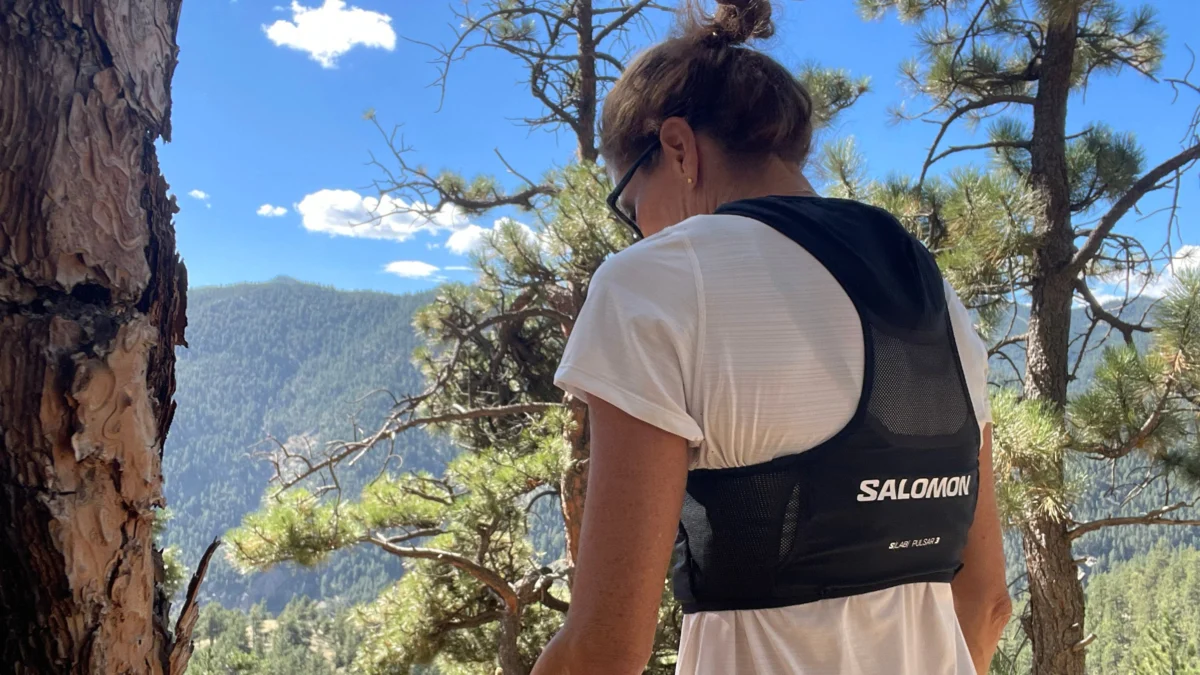
The landscape of endurance sports equipment has reached a pivotal moment in 2026, characterized by a shift toward ultra-lightweight materials, sustainable manufacturing, and gender-specific ergonomics. As trail running and ultramarathon participation continue to see a 15% year-over-year increase globally, the demand for high-performance hydration solutions has never been more acute. Following an exhaustive multi-month testing period conducted primarily in the rugged terrain of the Colorado Rockies, a definitive list of the year’s premier hydration vests has emerged. These garments, which have evolved from mere storage packs into sophisticated pieces of wearable technology, are now essential for runners ranging from casual weekend enthusiasts to elite competitors tackling triple-digit mileages.
The 2026 testing cycle involved a rigorous evaluation of over 30 models, eventually narrowing the field to 11 standout vests across six distinct categories. Led by veteran gear specialist Lisa Jhung and a team of eight experienced trail runners, the testing focused on several critical metrics: moisture management, weight-to-capacity ratios, "bounce" mitigation, and accessibility of essentials while in motion. The results highlight a market dominated by legacy brands like Salomon and Patagonia, while also showcasing significant value-driven innovations from Nathan Sports and technical advancements from Osprey and Ultimate Direction.
The Evolution of Hydration Technology and Market Context
The hydration vest market in 2026 is defined by two major trends: the elimination of "forever chemicals" (PFAS) and the rise of modularity. As environmental regulations tighten across North America and Europe, manufacturers have been forced to innovate new Durable Water Repellent (DWR) finishes that provide weather resistance without ecological harm. Patagonia has emerged as a leader in this space, with its Slope Runner series setting a benchmark for Fair Trade-certified production and chemical-free construction.
Furthermore, the "Fastest Known Time" (FKT) culture has influenced design, leading to vests that are lighter than ever. In 2026, the average weight for a race-ready vest has dropped to approximately 6 ounces, including flasks—a 20% reduction from standards seen five years ago. This reduction in weight has not come at the expense of capacity, as advanced stretch-mesh fabrics now allow 4-liter packs to carry what previously required 7-liter volumes.
Top Performance: Best All-Around and Value Selections
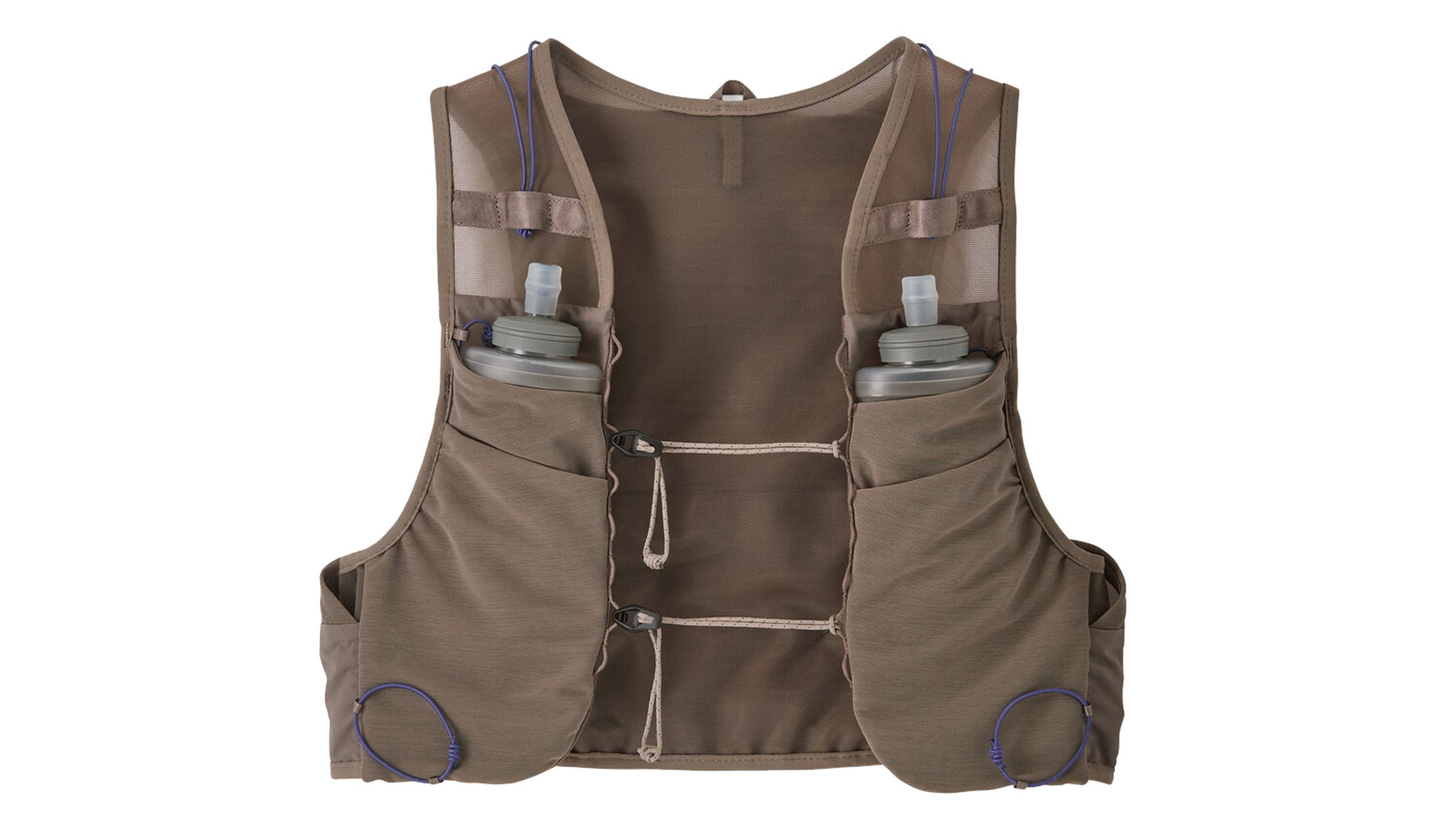
The Patagonia Slope Runner Vest has secured the title of Best All-Around for 2026. Weighing a mere 6.9 ounces with flasks, this 4-liter vest is praised for its "airy" feel and versatility. Testers noted that its DWR finish effectively repels light precipitation, a crucial feature for mountain runners facing unpredictable alpine weather. The inclusion of two 500 mL soft flasks and a secure clip for an optional hydration bladder makes it a dual-threat for various distances. Its standout feature, the rear pass-through pocket, allows runners to stow or retrieve layers without breaking their stride, addressing a common pain point in endurance racing.
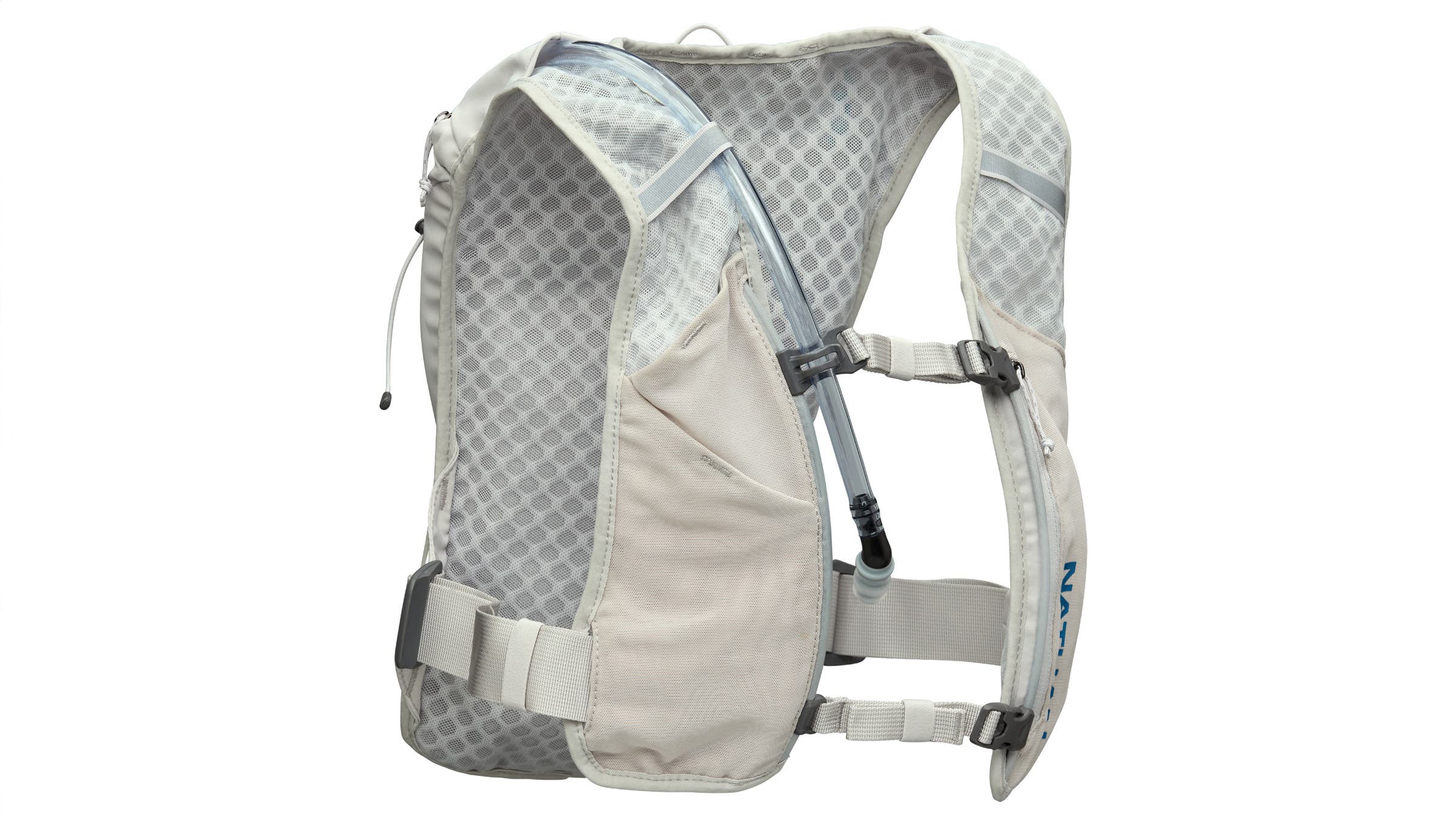
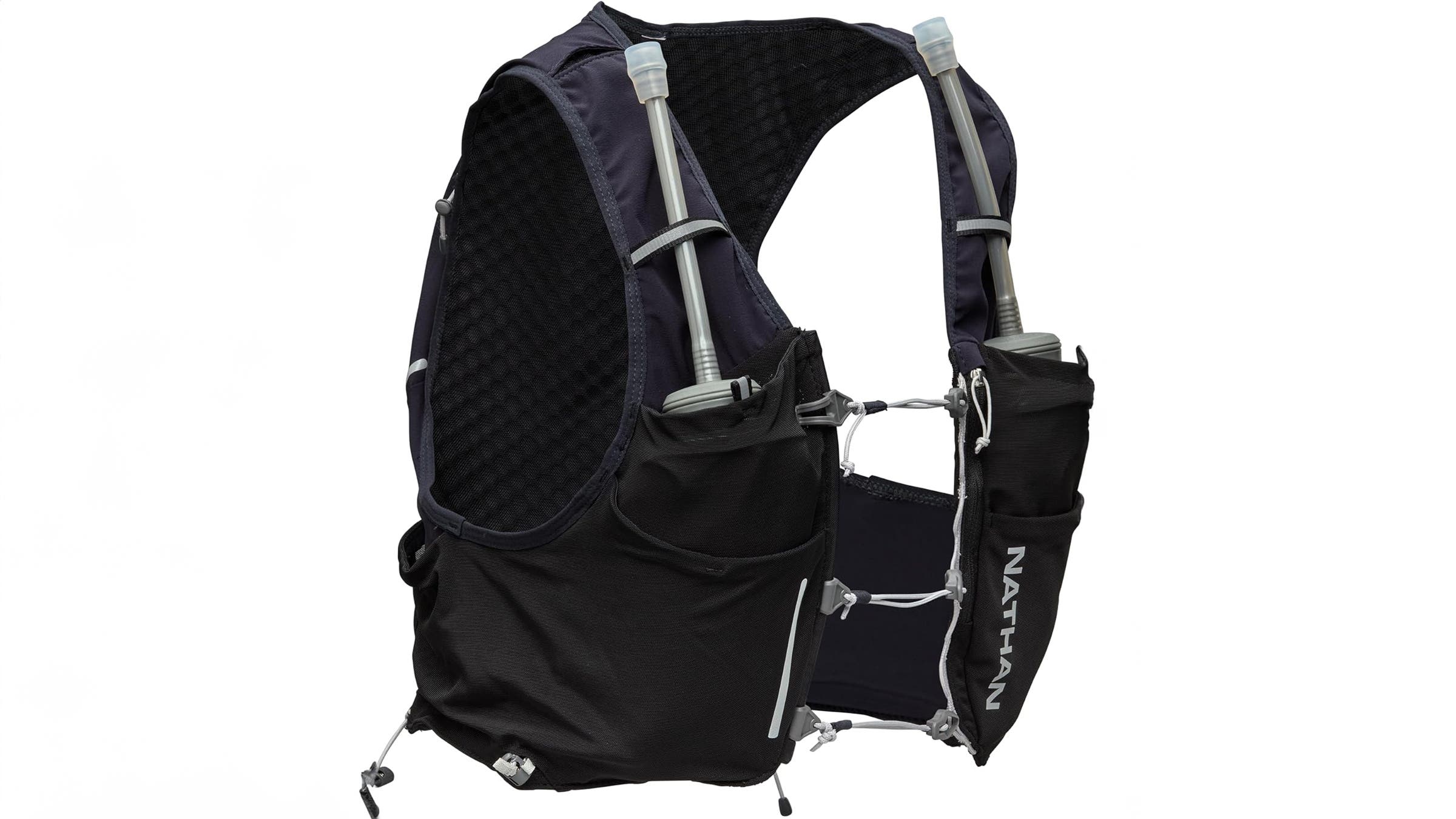
In the value-oriented segment, the Nathan Sports QuickStart 3.0 4L Hydration Pack has disrupted the market with a sub-$100 price point that does not compromise on essential functionality. While many budget options sacrifice comfort, the QuickStart 3.0 utilizes a soft, breathable mesh and a contoured back panel. Notably, it includes a 1.5-liter bladder featuring a push-pull valve system designed to prevent leaks—a common failure point in lower-priced gear. However, the "one size fits most" approach remains a point of contention; smaller-framed testers reported difficulty achieving a zero-bounce fit, suggesting that while the value is high, the sizing remains less inclusive than premium models.
Minimalist Solutions for Short and Technical Runs
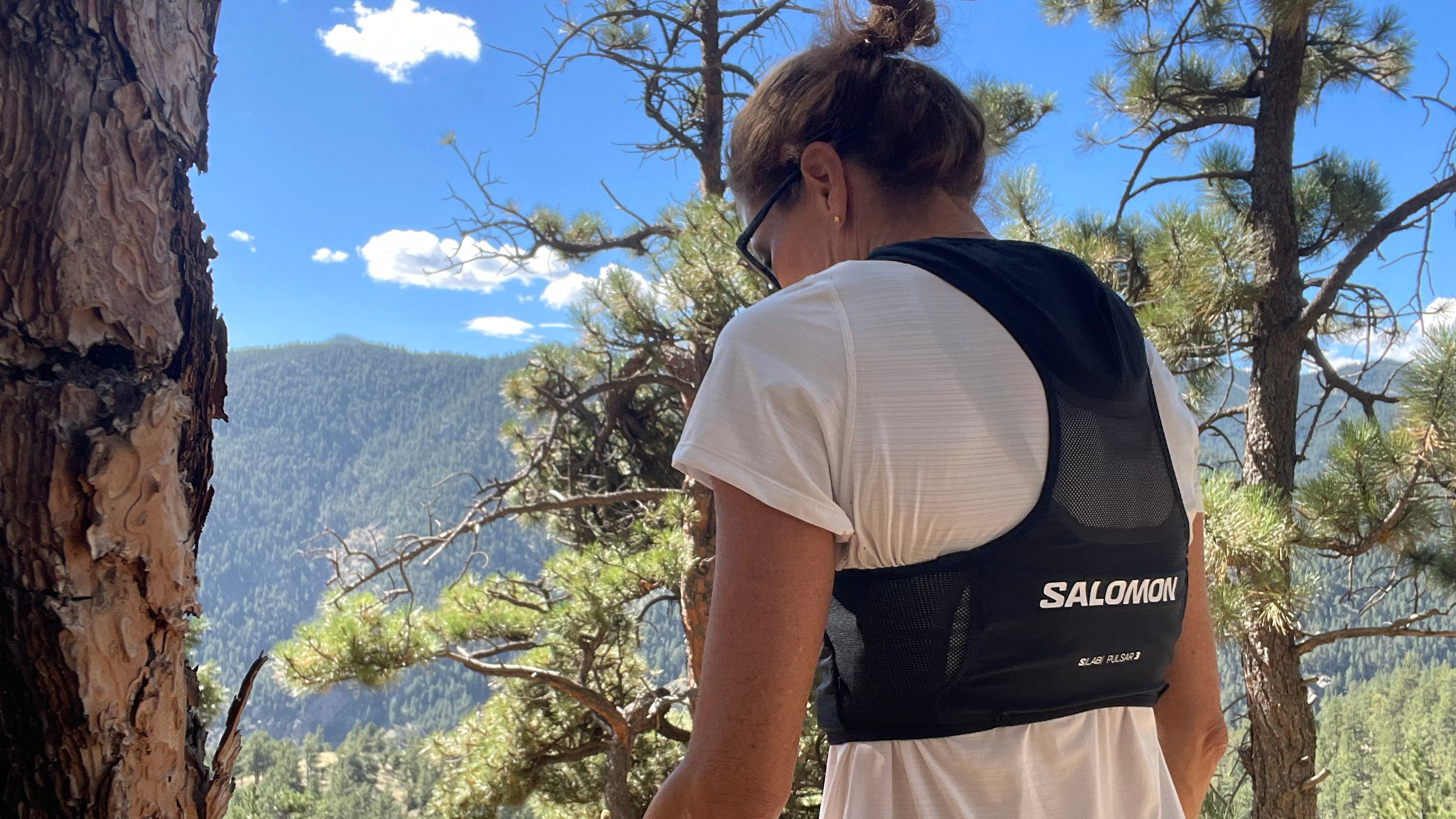
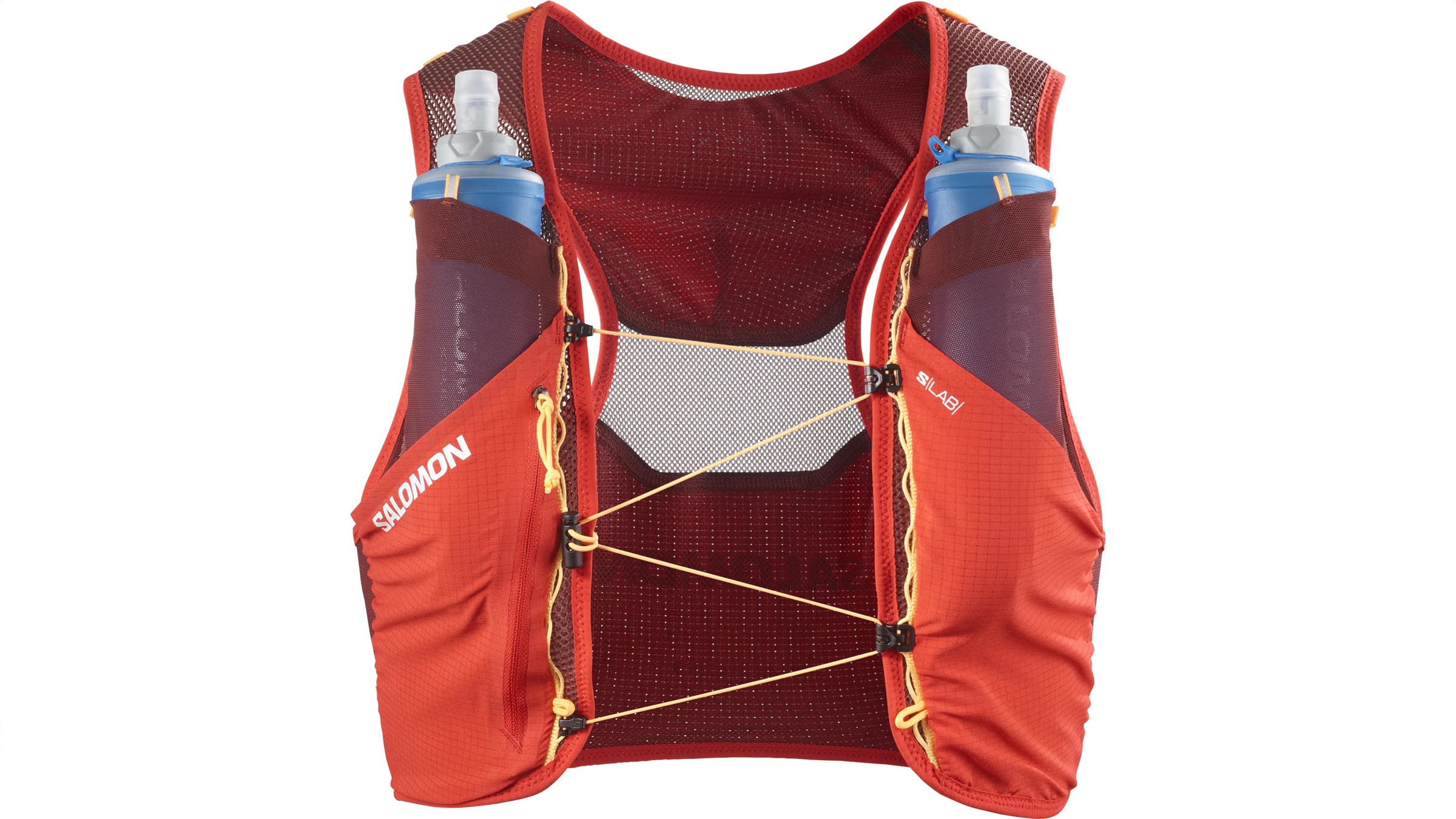
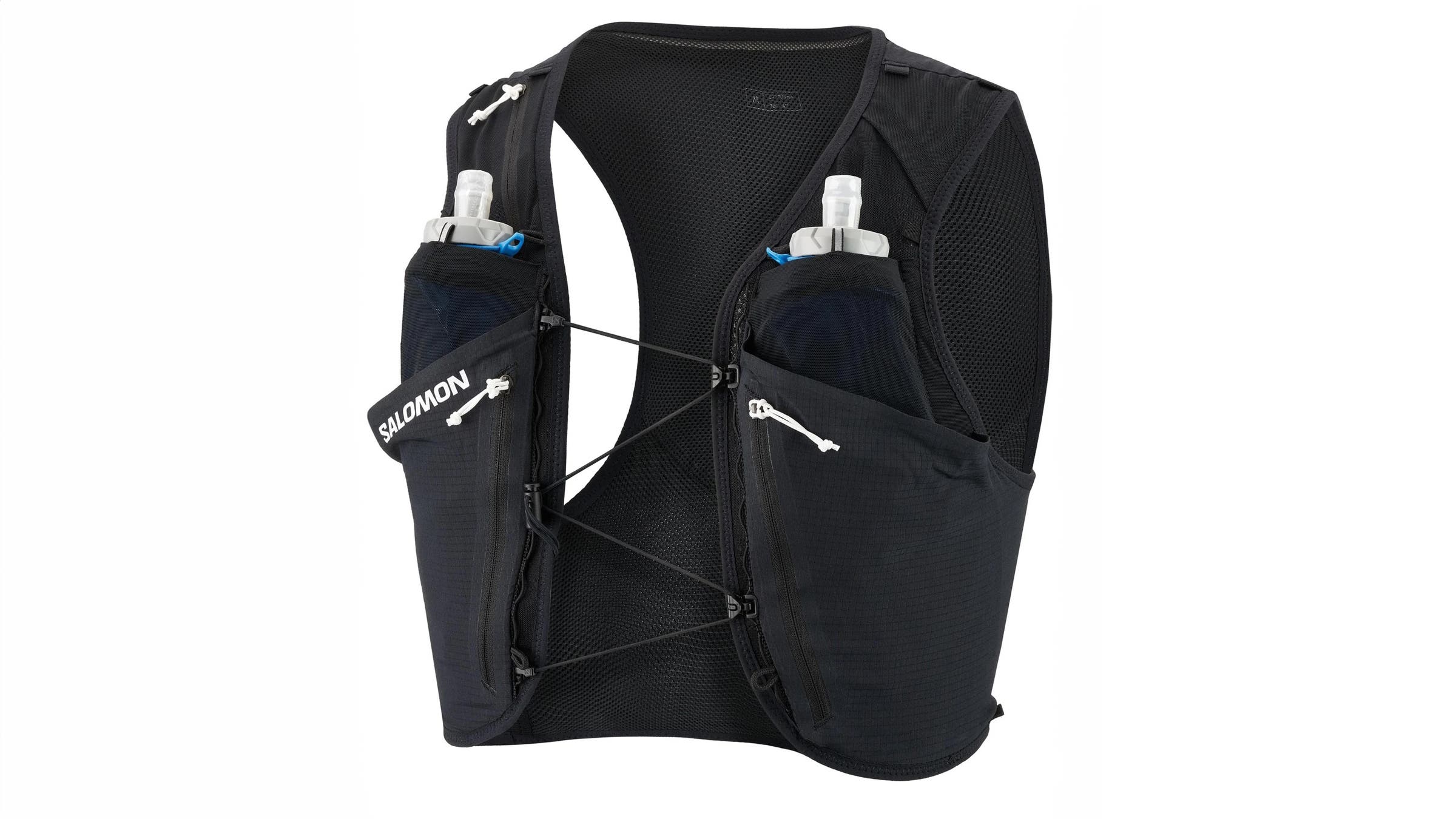
For runners prioritizing speed and minimalism, the Salomon S/Lab Pulsar 3 and the Salomon Gravel Skin 2 represent the pinnacle of "barely-there" design. The Pulsar 3, weighing only 4.9 ounces, is engineered for high-intensity efforts where every gram matters. Despite its 3-liter capacity, it can carry up to 1,000 mL of fluid by utilizing a lumbar pocket for an additional flask. Testers lauded its "amazing" fit, which mimics the feel of a secondary skin rather than a pack.
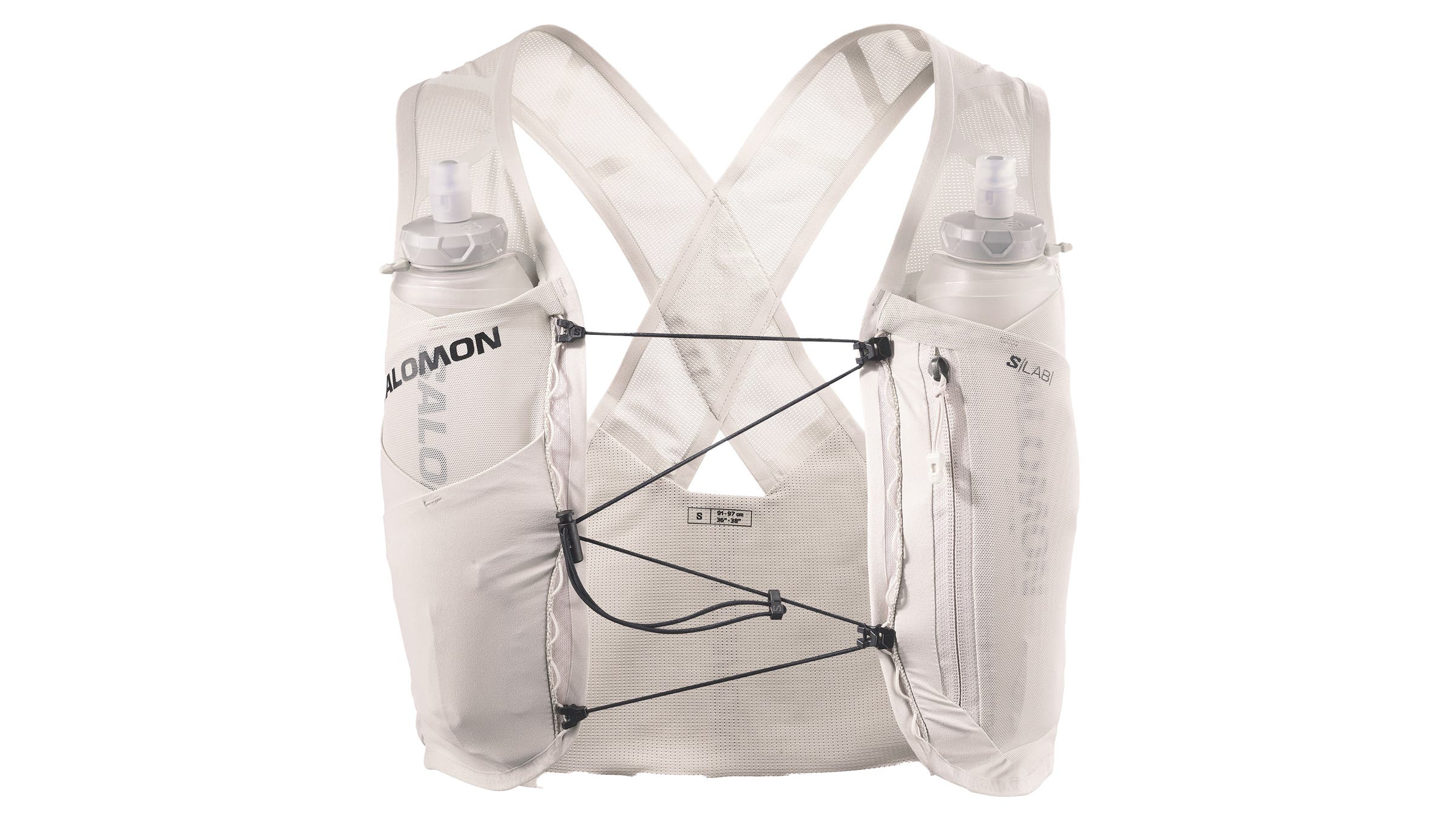
The Salomon Gravel Skin 2 introduces a radical "X-shape" back panel design. This configuration maximizes breathability by leaving much of the runner’s back exposed to airflow, a critical factor for heat management during summer sessions. At 5.9 ounces, it offers a 2-liter capacity and utilizes a unique bungee cord system for chest closure, replacing traditional zippers or heavy buckles. Industry analysts suggest this move toward "minimalist architecture" in vests is a response to the increasing temperatures of summer racing seasons globally.
Mid-Distance and High-Capacity Endurance Vests
As distances increase, the requirements for gear storage and weight distribution become more complex. The Salomon Active Skin 4 has been identified as the premier choice for medium-to-long runs. Though its materials are slightly heavier and more robust than the S/Lab series, it offers a secure fit that testers described as an "extension of a running shirt."
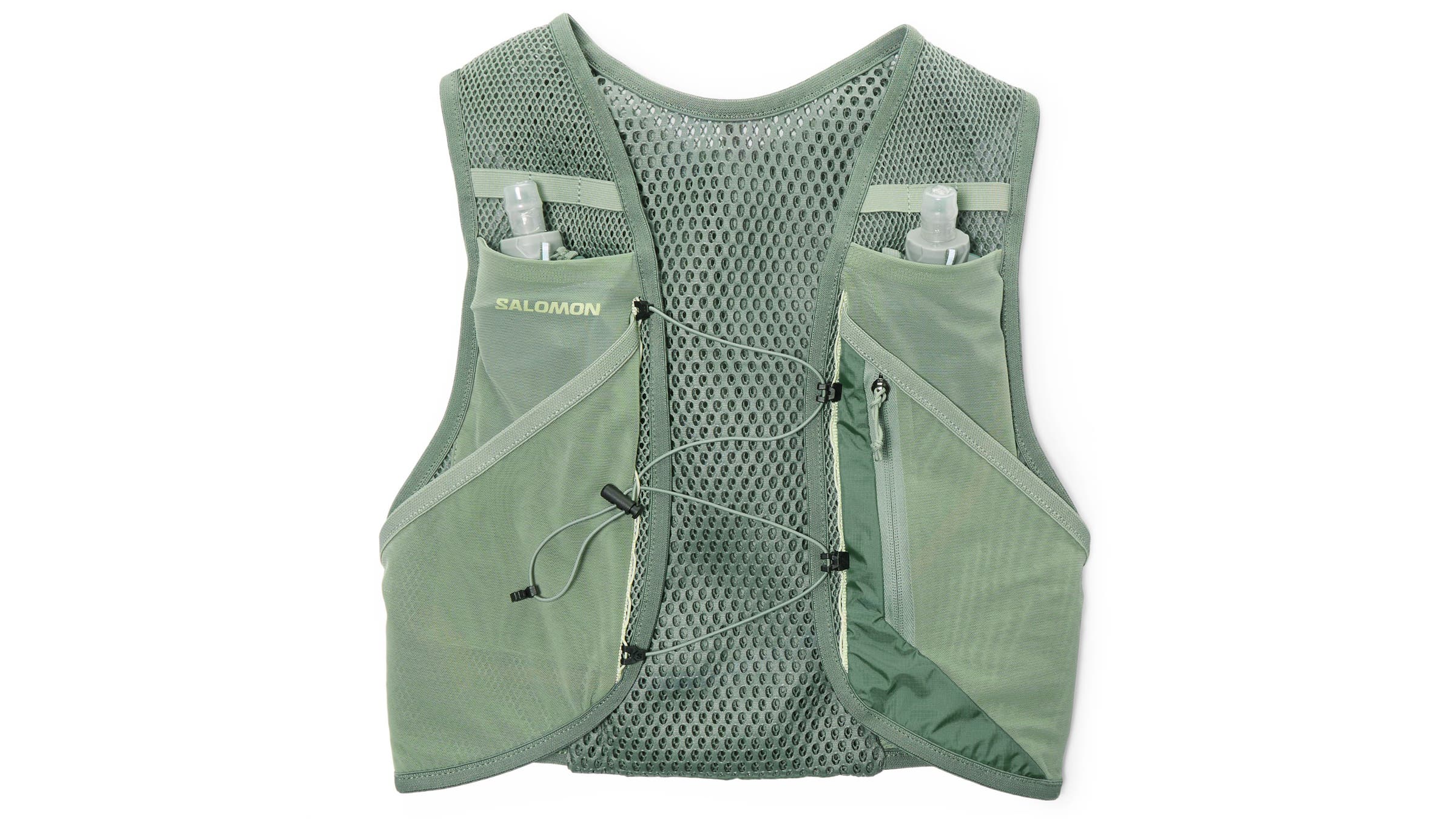
For "all-day epics," the Nathan Sports Pinnacle Pro 6L and the Salomon S/Lab Sense 6 offer specialized features for long-duration efforts. The Pinnacle Pro 6L is notable for its gender-specific design, particularly the women’s model which adjusts for bust shape and shoulder width. It features straw-equipped soft flasks, allowing runners to hydrate without removing flasks from their pockets or tilting their heads—a small but significant energy-saving measure over a 50-mile race.
The On Ultra Vest Pro, with a 10-liter capacity, introduces a unique modularity with its detachable 10L waterproof pouch. This allows the vest to transition from a minimalist hydration carrier to a high-capacity pack for unsupported mountain missions. The use of white, heat-reflective fabric is a functional design choice aimed at runners operating in high-UV environments.
The Race Day Standard: Precision and Organization
Race-day gear requires a balance of high capacity and rapid accessibility. The Osprey Dyna Pro 7 (and its male counterpart, the Duro Pro 7) has set a new standard for organization. With seven liters of capacity and a specialized "quiver" for trekking poles, it caters to the technical requirements of mountain ultramarathons like the UTMB. A unique innovation in this model is the inclusion of "wing-shaped stabilizers" on the soft flasks, which simplify the process of reinserting full bottles into mesh pockets during the frantic atmosphere of a race aid station.
The Ultimate Direction Race Vest 6L and the Salomon ADV Skin 12 round out the top tier. The ADV Skin 12 remains a perennial favorite, updated for 2026 with a new Y-shaped construction that optimizes fit across the torso. Its 12-liter capacity makes it one of the most versatile packs on the market, capable of carrying the mandatory gear lists for the world’s most demanding ultramarathons while remaining stable enough for shorter training runs.
Technical Analysis: Fit and Selection Criteria
The 2026 testing report emphasizes that the most critical factor in hydration vest performance is the "interface" between the garment and the body. Professional fit is no longer just about chest circumference; it involves the "yoke" (the way the pack sits on the shoulders) and the "harness" (the front strap system).
The "Bounce" Factor and Material Science
Modern vests utilize 4-way stretch power mesh to ensure that as water is consumed and volume decreases, the pack can be cinched to remain tight against the body. This prevents the rhythmic "bounce" that causes chafing and energy loss. Testers recommend that runners should be able to take a full, deep breath without restriction, yet feel no independent movement from the pack while jogging.
Gender-Specific Ergonomics
The industry has moved significantly away from "shrink it and pink it" marketing. In 2026, women’s-specific vests feature narrower shoulder widths, shorter torso lengths, and flask placements that sit either higher or lower than the chest to avoid pressure points. Brands like Osprey and Nathan have led this shift, resulting in a 30% increase in comfort ratings among female testers compared to unisex models.
Methodology and Lead Expertise
The findings of this report are the result of rigorous field testing. Lead tester Lisa Jhung, who has over 25 years of experience in adventure racing and trail running, oversaw the process. The testing protocol required each vest to be used in three distinct scenarios: a high-intensity "vertical kilometer" style run, a standard 10-to-15-mile trail run, and a long-duration mountain effort exceeding five hours.
Testing took place in diverse conditions, from the dry heat of Boulder’s foothills to the humid, sub-alpine environments of the Indian Peaks. This ensured that claims regarding breathability and moisture-wicking were verified across various climates.
Implications for the Running Community
The advancements in 2026 hydration vests reflect a broader trend in the outdoor industry toward "invisible technology"—gear that performs its function so efficiently that the user forgets it is there. As weights continue to drop and ergonomics improve, the barrier to entry for long-distance trail running is lowered. Furthermore, the commitment to sustainable, PFAS-free manufacturing by brands like Patagonia and Salomon signals a necessary shift in the industry’s environmental responsibility.
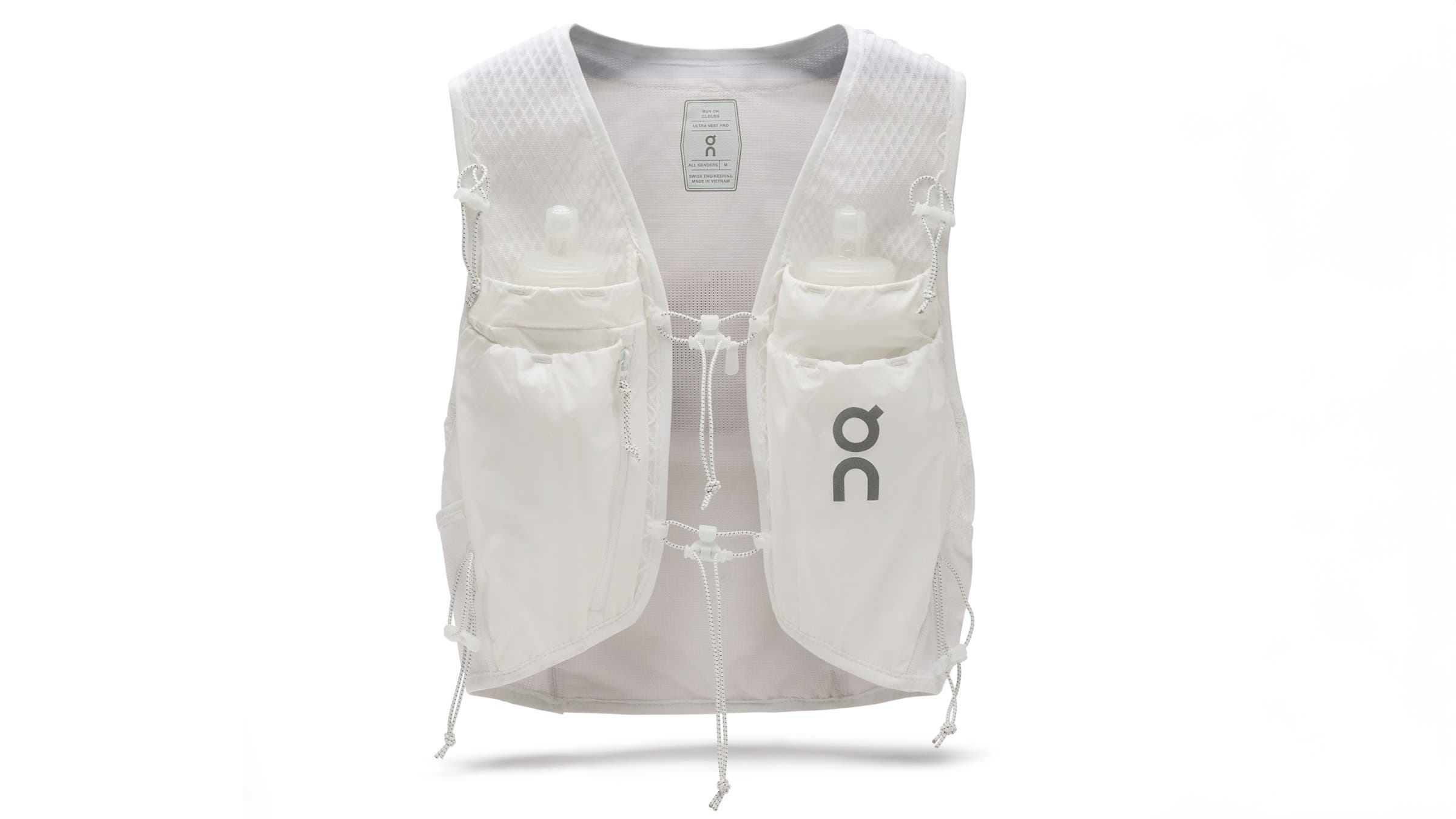
For the consumer, the 2026 market offers a vest for every niche, whether it is the minimalist speed of the Salomon Pulsar 3 or the high-capacity, waterproof versatility of the On Ultra Vest Pro. As the sport of trail running continues to evolve, the equipment supporting it has clearly kept pace, providing runners with the tools necessary to push further into the wilderness with greater safety and comfort.




 Chandra Hamzah
 Tatiana Tantri Indah Sari
 Budi Mulyono
