
 Chandra Hamzah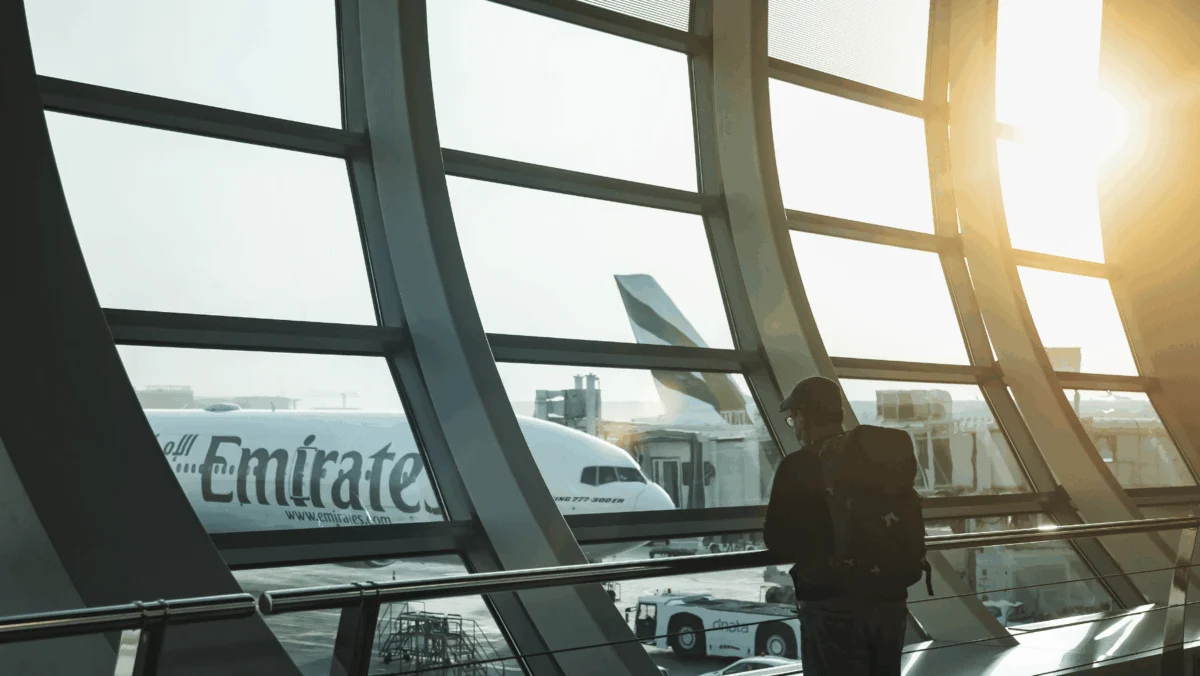
Australia’s most affluent travellers are demonstrating a remarkable commitment to their long-planned European summer cruises, with many opting to purchase second, alternative flight itineraries at significant cost to circumvent the ongoing travel disruptions stemming from the conflict in the Middle East. These high-net-worth individuals, whose luxury holidays were meticulously arranged up to 18 months in advance, are refusing to let geopolitical instability derail their dream getaways. The strategy involves securing supplementary flights that bypass transit hubs in countries currently flagged by the Australian Government on its "Do Not Travel" list, an approach that can add tens of thousands of dollars to an already substantial travel expenditure.
This trend highlights a stark dichotomy in Australian travel behaviour. While the well-heeled can absorb the financial impact of these "double bookings," a significant segment of Australian travellers are either unable to afford such contingency plans or are choosing to accept the inherent risks, proceeding with their original itineraries that involve transiting through destinations like Dubai and Qatar. This situation has been exacerbated by recent adjustments in airline schedules, with Qantas announcing an increase in its European flight capacity, including a new Perth-Rome service, at the expense of its services to India. The airline will be adding approximately 2,000 seats per week to its European network, with Paris flights returning to three weekly services from Sydney, routing through Singapore.
The Resilience of the Australian Traveller: A Historical Perspective
James Kavanagh, Global Leisure Chief Executive at Flight Centre, attributes this phenomenon to the inherent resilience of Australian travellers, a trait he has observed consistently over decades. "Australian travellers are super resilient," Kavanagh stated. "Every time there’s an event in the world, and we tracked the data back to 1977 from the Australian Bureau of Statistics, as soon as it’s finished… we see a sharp recovery." This historical pattern suggests a deep-seated desire for international travel that often overrides immediate concerns, particularly for those who have invested heavily in their holiday plans.
The surge in "double bookings" was particularly pronounced in March, according to Kavanagh. "March was huge for double bookings," he noted. "Some are still holding those flights. Some have actually given up on the flights that they would have held via the Middle East and they’ve just booked an alternative, and that alternative has cost them a bit more." The luxury segment, with its greater financial flexibility, is best positioned to exercise this strategy, securing their preferred options while simultaneously establishing a backup plan. "The luxury traveller has got the ability to hold their preferred choice and then fork out on an alternative if the preferred doesn’t go ahead," Kavanagh explained.
The Escalating Cost of Contingency
The financial implications of hedging travel plans against geopolitical uncertainty are considerable. A standard economy flight booked six months in advance might typically cost between $1,700 and $2,000. However, securing a similar fare for travel within a four-week window can escalate to $4,000. For families opting for business class within this compressed timeframe, the total cost can easily reach six figures. One family reportedly incurred an expense of $100,000 to secure "back-up plan" flights to Europe. While these additional tickets may offer refundability or flexibility, potentially mitigating the financial loss, the upfront expenditure is substantial.
The Root of the Disruption: Middle East Conflict and its Ripple Effects
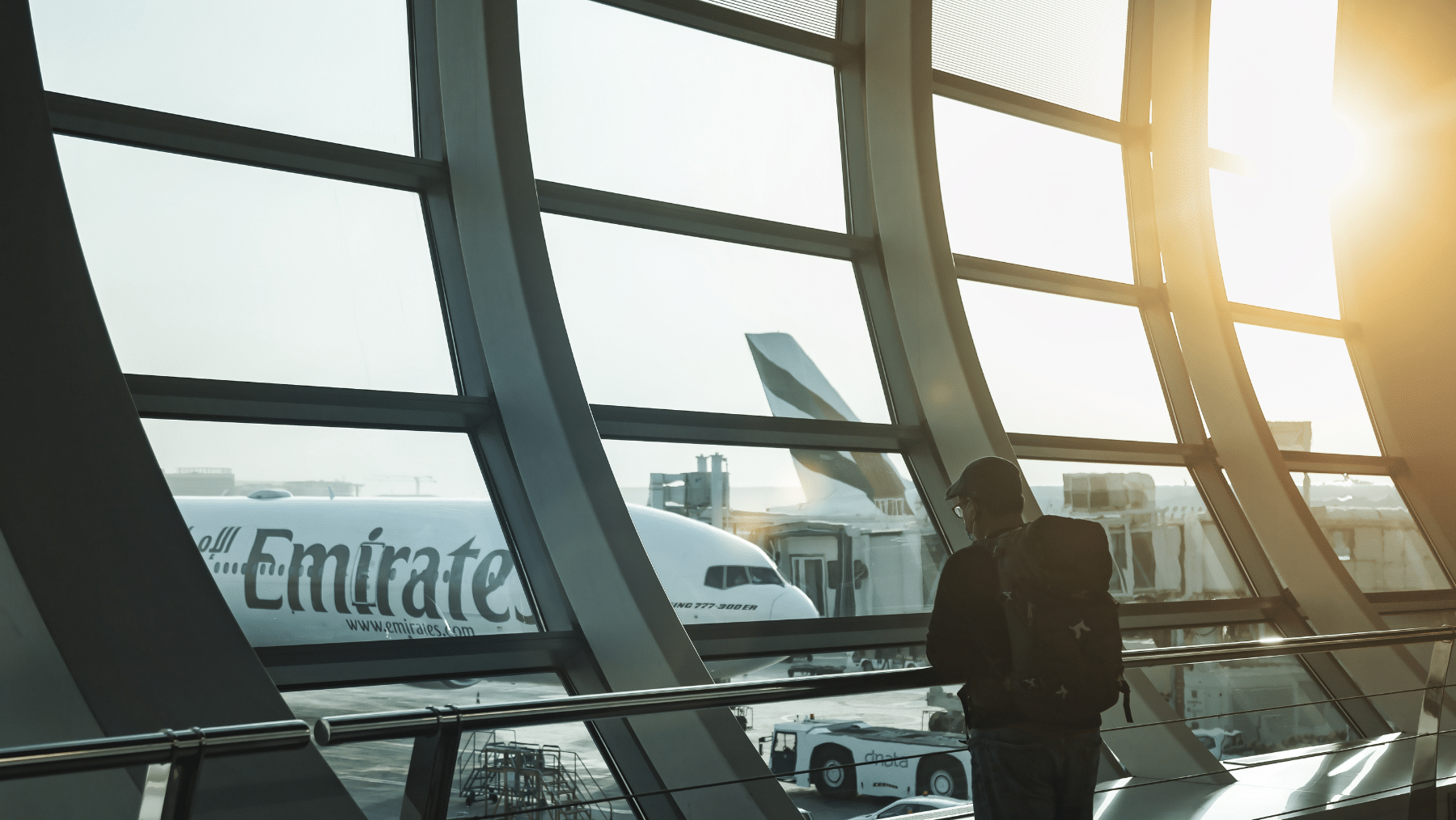
The current travel complexities are directly linked to escalating tensions in the Middle East. Major airlines that serve as critical transit points for Australian travellers to Europe, including Etihad, Emirates, and Qatar Airways, experienced significant disruptions following Iranian missile strikes on Middle Eastern airports in late February. These events, which occurred well after most European cruise bookings were finalised for the 12-to-18-month lead time typical for such voyages, have made reaching these destinations considerably more challenging. Consequently, while the cruise ships continue their scheduled routes, the journey to board them has become a complex logistical hurdle.
Navigating the Insurance Minefield
For the budget-conscious traveller, the decision to proceed with existing bookings, often involving transit through affected regions, presents a difficult risk assessment. The potential financial ramifications are amplified by the limitations of most travel insurance policies. The Insurance Council of Australia (ICA) has advised travellers to exhaust all avenues with their airlines and travel agents before contacting their insurers.
"Most travel insurance policies exclude claims caused by war, armed conflict, or military action, and do not cover cancellations simply because you have changed your mind about travelling," an ICA spokesperson clarified. This exclusion means that even if government travel advisories are in place, claims related to conflict-induced disruptions are unlikely to be covered. Furthermore, the ICA noted that travel advisories often pertain to direct travel to a destination, not necessarily transit through it. "Even though the Australian Government says do not travel there, [passengers consider] that’s as a destination. So as a connecting through point, people are actually still travelling on the Middle Eastern carriers," the council stated, highlighting the nuanced interpretation of travel warnings by many.
Shifting Destinations: The Rise of Alternative Cruise Markets
Beyond the financial strategies of the affluent, the current situation is also driving a broader shift in Australian travel preferences. As Europe becomes more complex to reach, travellers are actively seeking alternative destinations that offer more straightforward and secure travel arrangements. This has led to a notable increase in interest and bookings for cruises in regions less affected by geopolitical volatility.
"The luxury customer is pretty resilient anyway," Kavanagh reiterated. "If they can fork out that money, they’ll find a way to get there." However, for the wider travel-seeking population, the focus is shifting. "What Kavanagh is also seeing is that the average travel-mad Aussie is snapping up cruise deals away from Europe that are coming on to the market to drive demand."
Emerging popular cruise markets include Canada, which has seen a "bit of a lift" in bookings. Japan has also maintained its strong appeal, continuing to be a favoured destination for Australian travellers over the past three years. "Aussies want to travel, they want to have a break, they want to have a holiday and they’ll find out where they can go," Kavanagh observed. "After all the major events [in the Middle East] had happened, the first things that came out were sales to Hawaii, and then Japan and Canada started to get more attention." This redirection of interest underscores a pragmatic approach to holiday planning, prioritising accessibility and perceived safety. "So it’s really shifting attention to where people can actually travel to."
Official Stance and Future Outlook
The Department of Foreign Affairs and Trade (DFAT) continues to advise Australian citizens against travelling to, or transiting through, Qatar and the United Arab Emirates. The department cites the volatile regional situation and the persistent risk of attacks and escalation as the primary reasons for this advisory. This official guidance reinforces the complexities travellers face, balancing their desire for holidays with governmental safety recommendations.
The current climate underscores the interconnectedness of global events and the travel industry. While the resilience of the Australian traveller is evident, the financial and logistical challenges presented by international conflicts are forcing a re-evaluation of travel strategies. The long-term implications for European cruise demand remain to be seen, but the immediate impact is a clear bifurcation: the affluent securing their plans at considerable expense, and others pivoting to alternative, more accessible holiday destinations. The industry, meanwhile, adapts by reallocating capacity and capitalising on the enduring appetite for travel, albeit in evolving geographical landscapes.



 Anjar Salim
 Tatiana Tantri Indah Sari
 Budi Mulyono
