
 Anjar Salim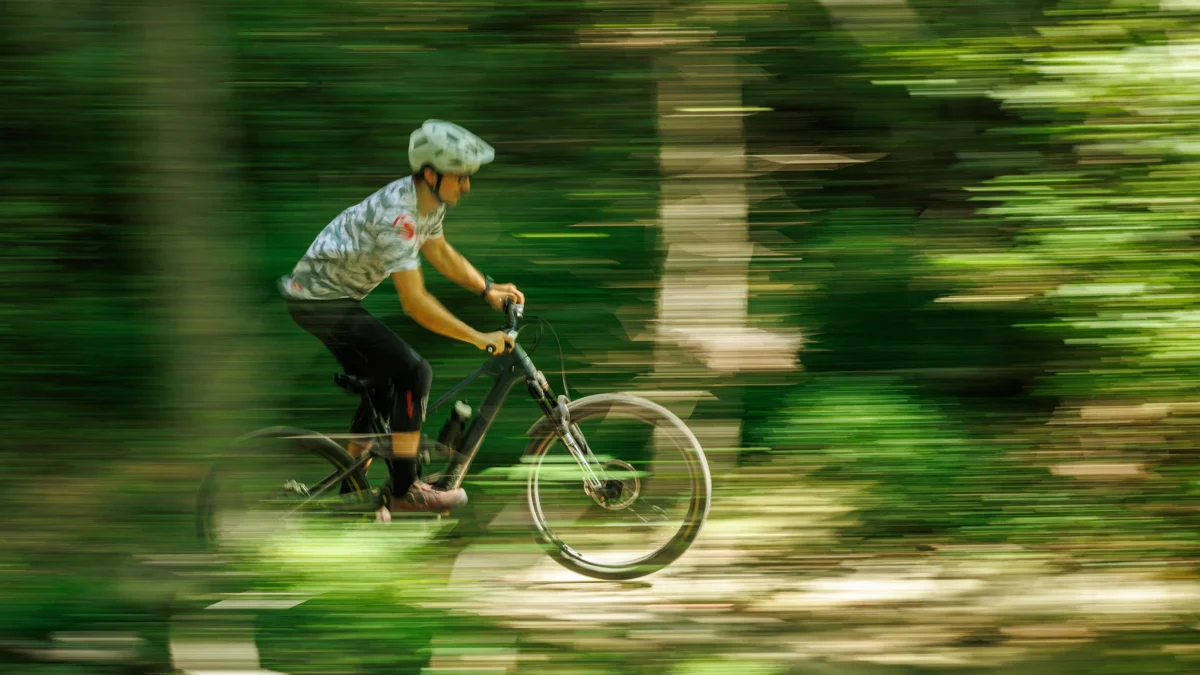
The 2026 Field Test: Chronology and Context
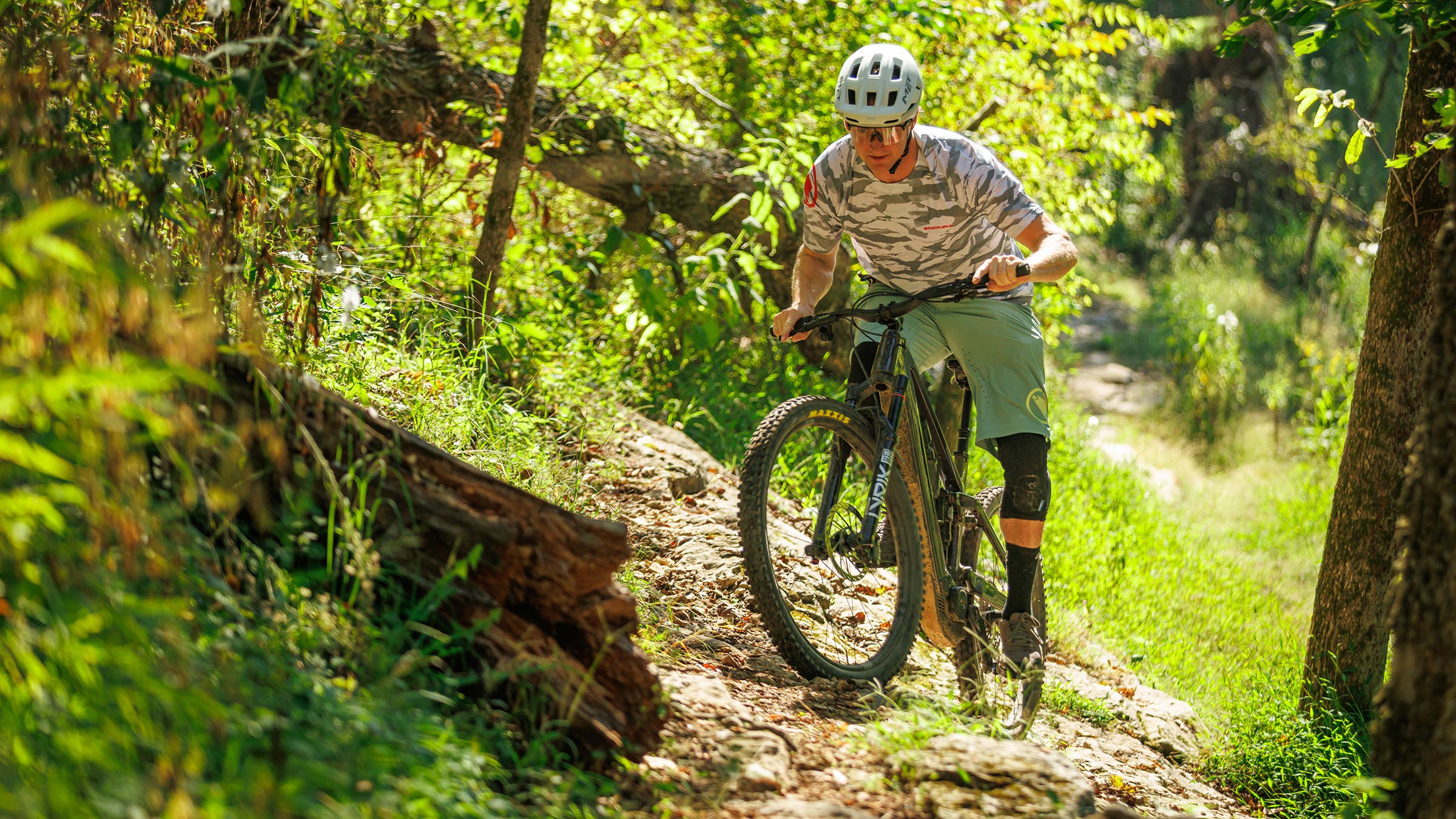
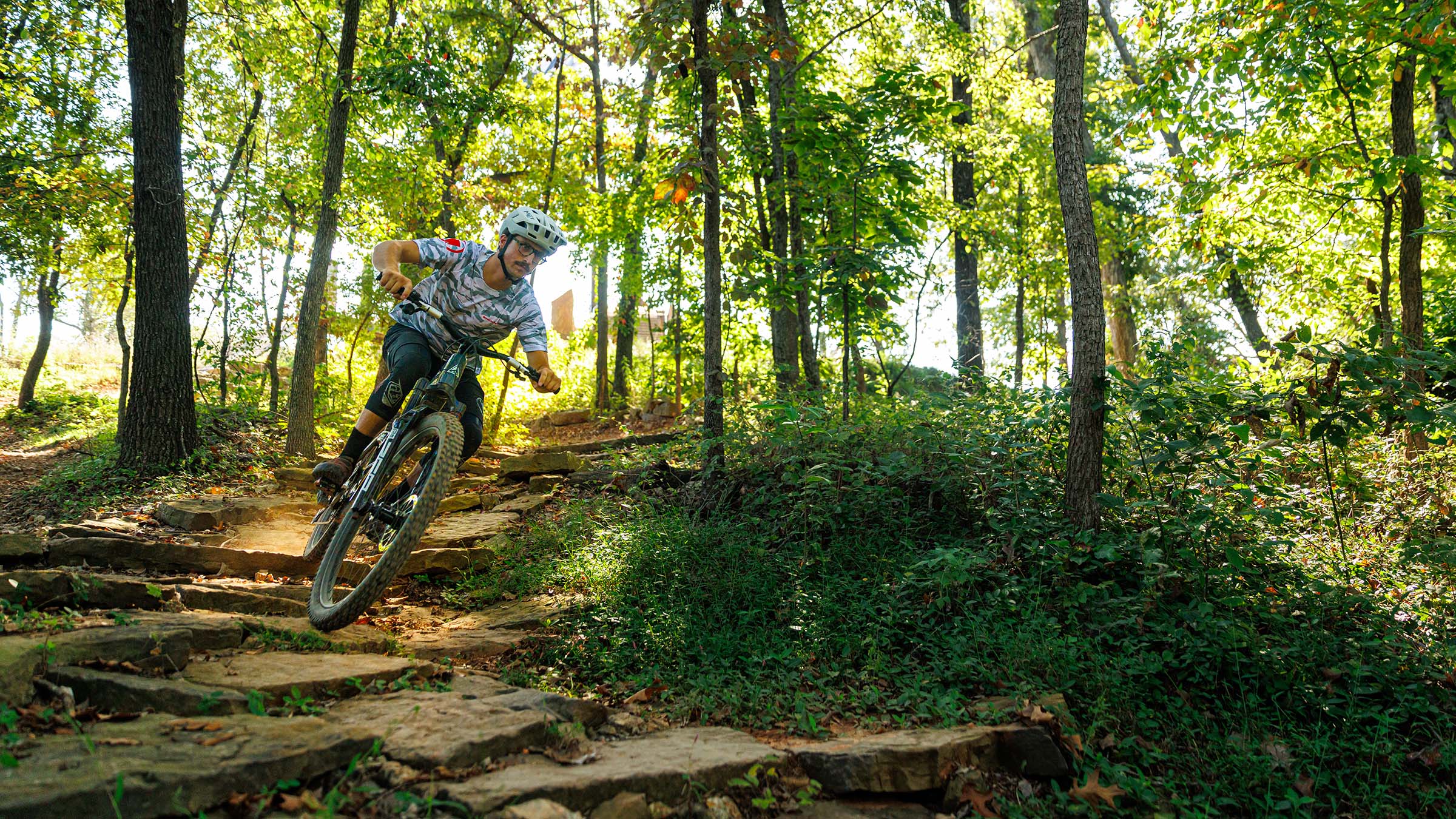
The 2026 Field Test represented a collaboration between Outside and the technical experts at Pinkbike to address the rapidly diversifying eMTB market. Over a 14-day period in April 2026, testers Mike Kazimer, Dario DiGiulio, and Matt Beer subjected seven of the year’s most anticipated long-travel models to a battery of head-to-head challenges. The testing grounds in Northwest Arkansas provided a unique laboratory; the region’s mix of "Ozark granite" tech, manicured flow lines, and steep, punchy climbs allowed for an exhaustive assessment of motor lag, battery efficiency, and chassis stability.
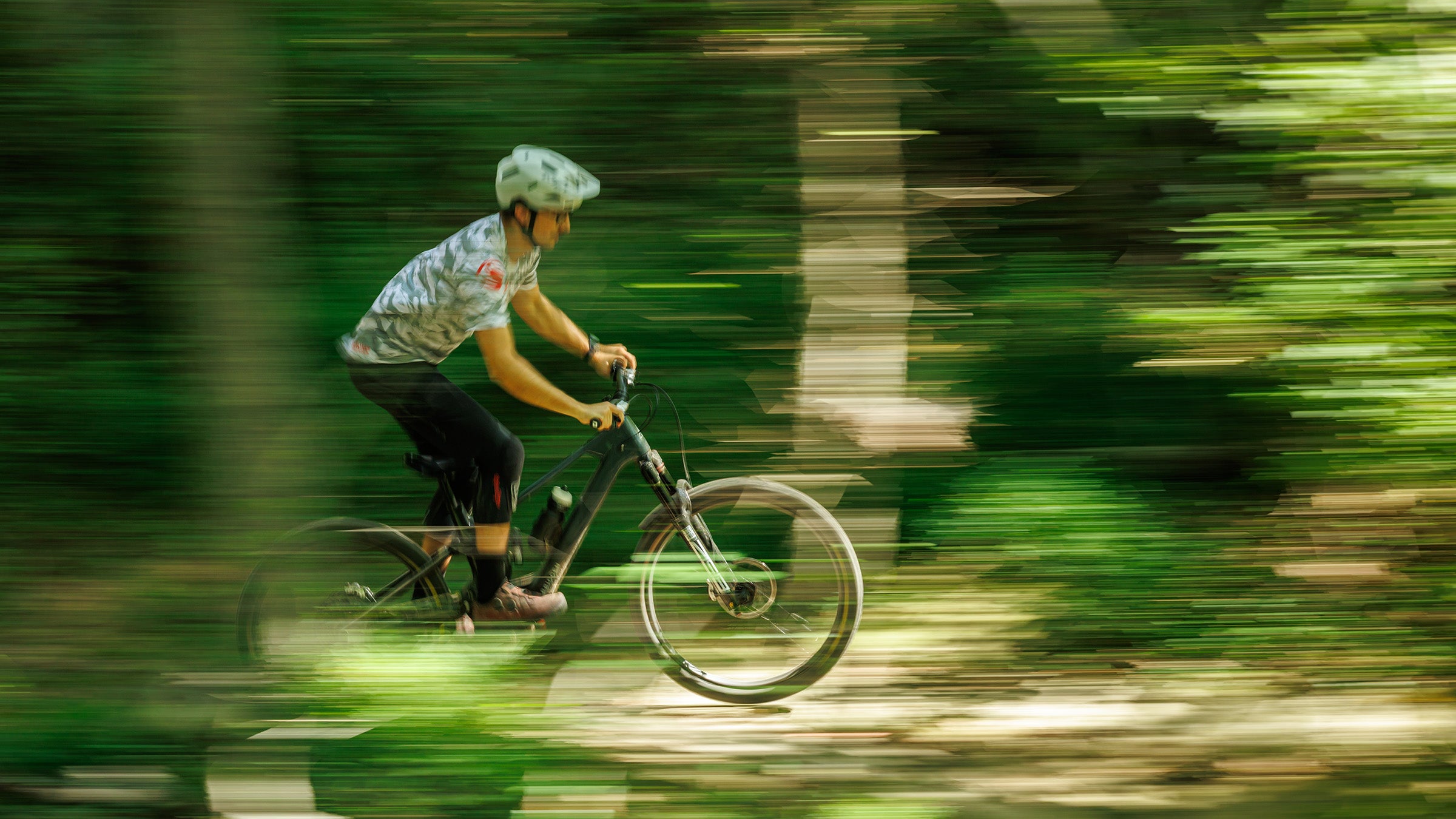
The selection process for the 2026 cohort focused on three primary motor platforms: the updated Bosch Performance Line CX, the Specialized 2.2 system, and the high-torque Avinox M1. The objective was to determine how these integrated systems influenced the handling characteristics of bikes ranging from "lightweight" nimble machines to "full-power" downhill-oriented behemoths.
Editors’ Choice: The Yeti LTe and the Sixfinity Advantage
The Yeti LTe stands at the pinnacle of the 2026 rankings, primarily due to its implementation of the Sixfinity suspension platform. While many eMTBs struggle with the "dead" feel often associated with the additional weight of a motor and battery, the LTe manages to maintain a level of bump erasure that testers described as nearly uncanny.
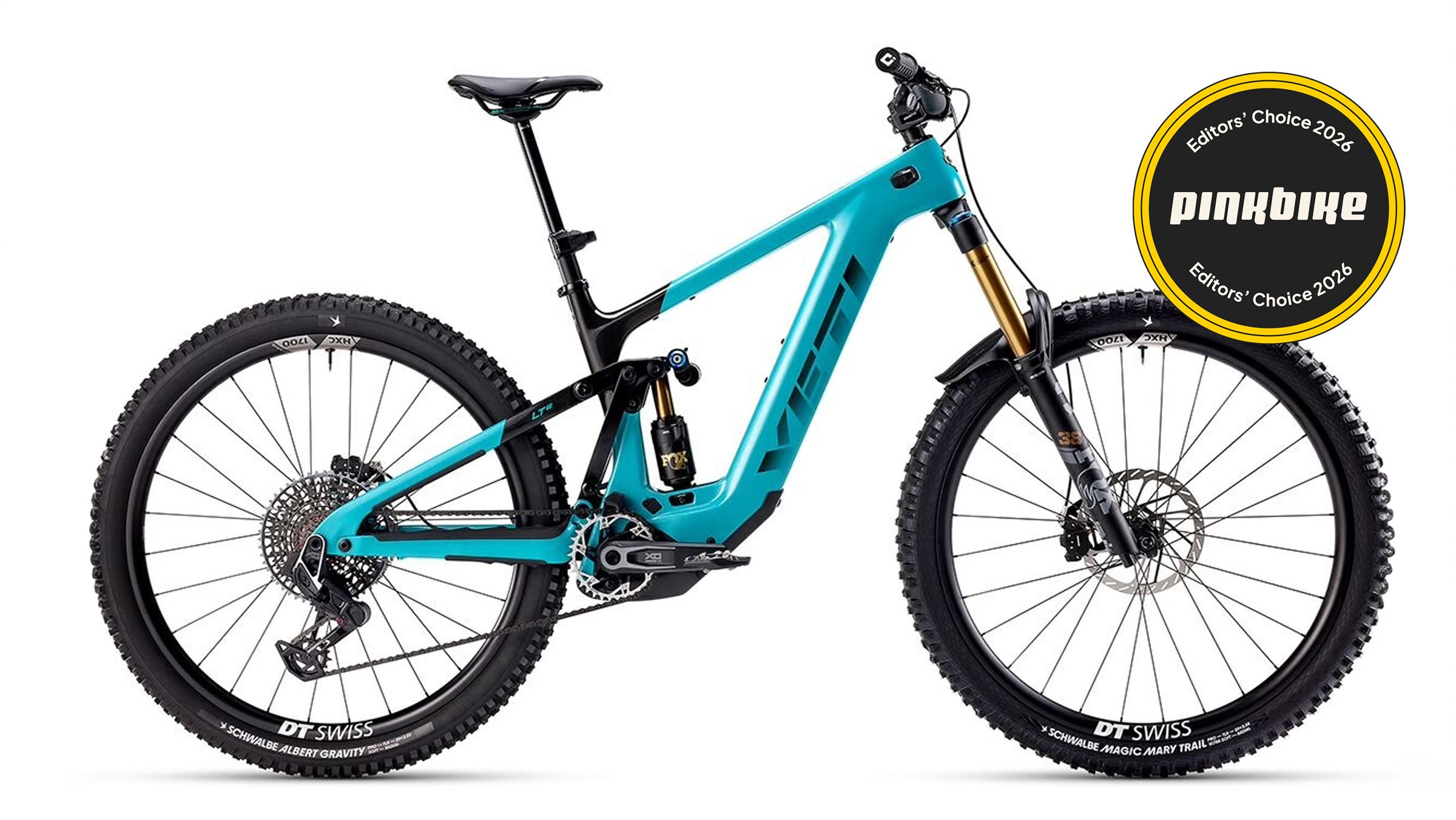
The tested T3 X0 AXS build features a 170mm fork paired with 160mm of rear travel. While the Bosch CX motor’s 100 Nm of torque is technically lower than the 120 Nm offered by the Avinox system, the Yeti’s ability to maintain traction through its suspension design allowed it to match or exceed the climbing speed of more powerful competitors. The Sixfinity system—a six-bar linkage—allows Yeti to fine-tune the bike’s anti-squat and anti-rise independently, resulting in a chassis that remains neutral under heavy braking and remarkably efficient during technical ascents.
Industry analysts suggest that Yeti’s success with the LTe marks a transition for the brand, moving from a niche boutique manufacturer to a dominant force in the high-performance electric sector. The LTe’s versatility is further enhanced by a flip-chip system at the lower shock mount, allowing riders to switch between a dual 29-inch wheel setup and a "mullet" configuration (29-inch front, 27.5-inch rear) without compromising the bike’s geometry.

Market Disruption: The Norco Sight VLT and Value Proposition
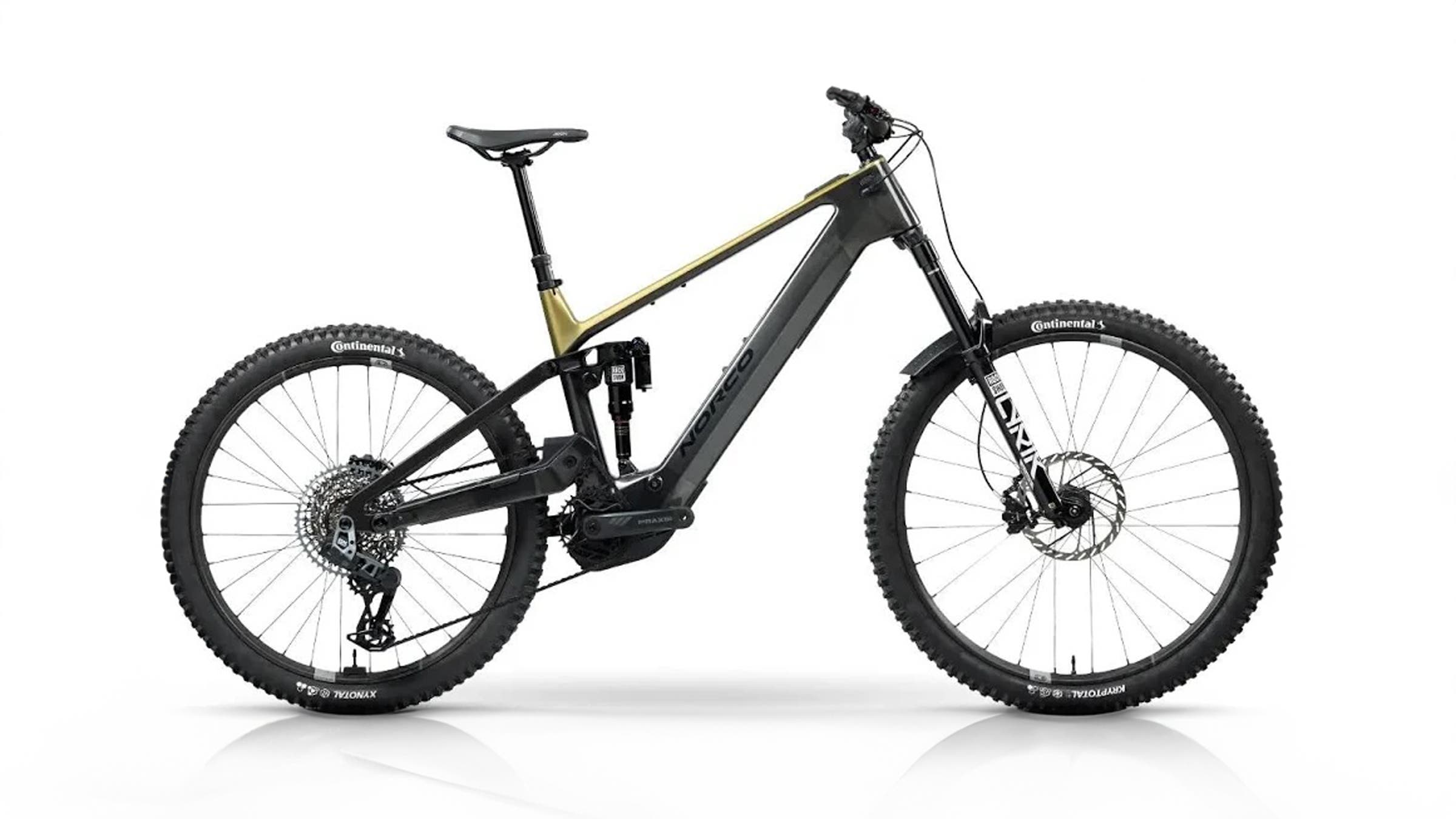
In an era where flagship eMTBs frequently exceed the $12,000 threshold, the Norco Sight VLT C1 emerged as the "Best Value" of 2026. Norco’s strategy focused on a high-pivot suspension layout, which uses an idler pulley to manage chain growth. This design allows the rear wheel to move in a rearward axle path, significantly improving the bike’s ability to maintain momentum through square-edged hits.
The Sight VLT’s performance in Bentonville highlighted a growing trend: the democratization of high-end performance. By utilizing the Bosch CX motor and an 800Wh battery, Norco delivered a package that competes directly with more expensive rivals. Testers noted that while the Sight VLT was slightly less composed than the Yeti on the most aggressive "double-black" descents, its "spritely" feel on moderate trails made it a more practical choice for the average enthusiast.
The Horst Link Pivot: Santa Cruz Vala’s Design Shift
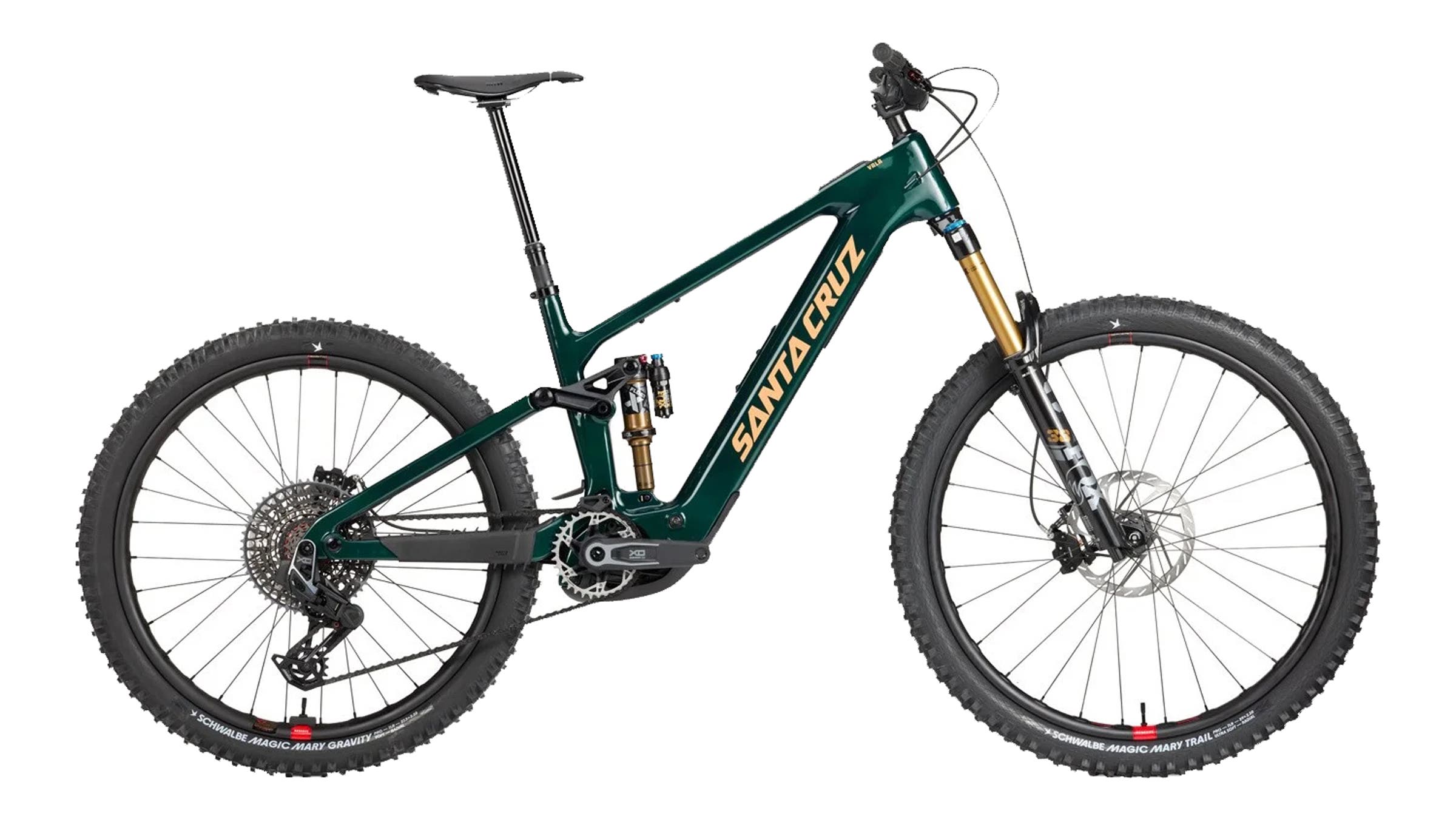
One of the most discussed developments of the 2026 season was Santa Cruz’s departure from its iconic Virtual Pivot Point (VPP) design for the new Vala. As the brand’s first Horst link (four-bar) bike, the Vala was engineered specifically to accommodate the packaging requirements of the Bosch CX motor and its 600Wh battery.
The Vala, crowned "Best All-Rounder," bridges the gap between traditional mountain bikes and eMTBs. Despite the shift in suspension architecture, the bike retains the intuitive cornering and "pop" that Santa Cruz riders expect. The 600Wh battery capacity—smaller than the 800Wh industry standard for 2026—is a calculated trade-off to keep the total system weight lower, though a range extender is available for those seeking longer sessions. This design choice reflects a broader industry debate regarding the "sweet spot" for battery capacity versus overall maneuverability.
Technical Superiority in Ascents: The Forbidden Druid CorE
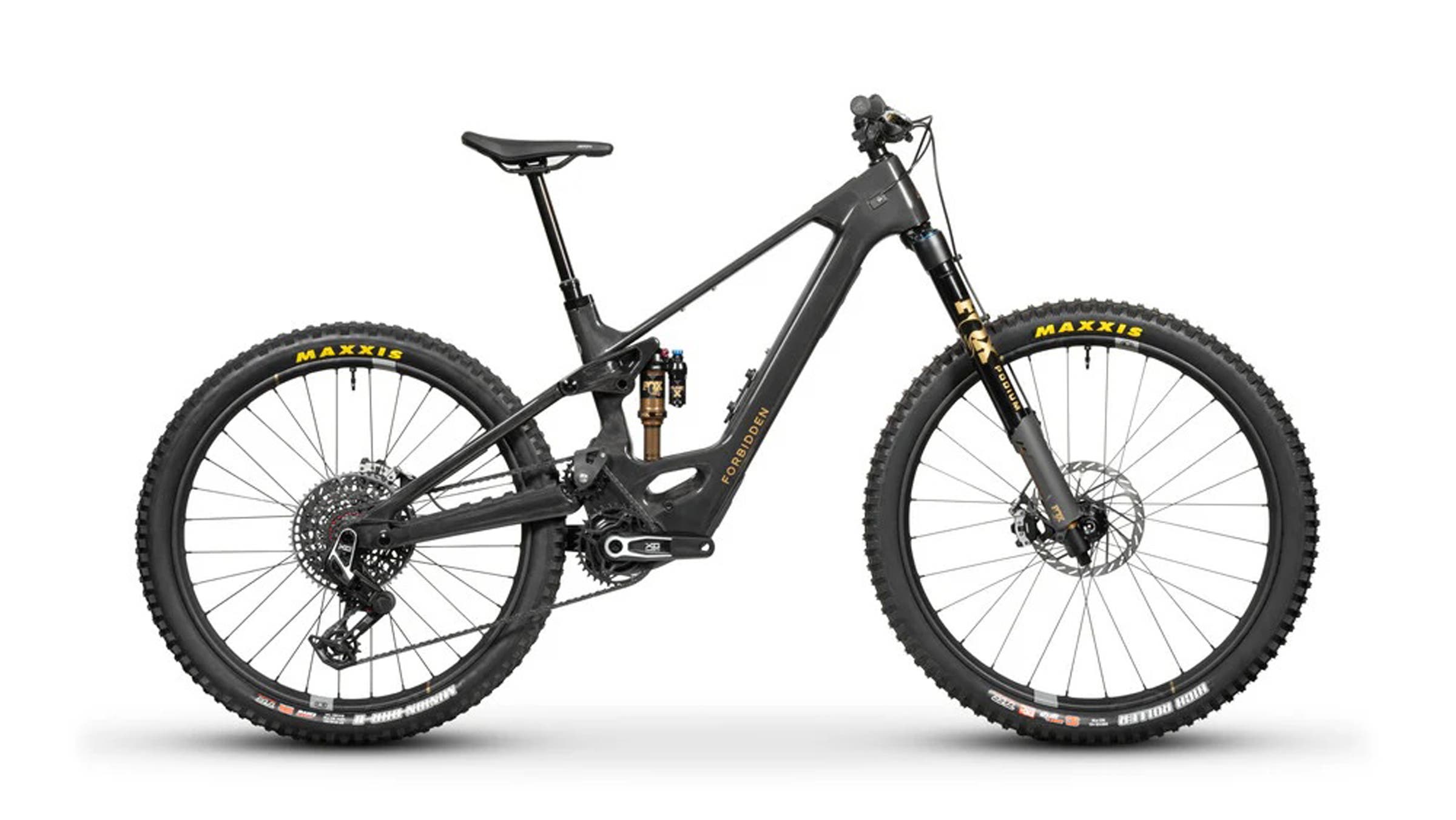
For riders prioritizing climbing performance, the Forbidden Druid CorE established itself as the benchmark for 2026. The bike pairs Forbidden’s signature high-pivot geometry with the Avinox M1 motor, a system that delivers a staggering 1000W of peak power.
The Druid CorE’s "Best Climber" accolade is a result of the synergy between the rearward axle path—which prevents the rear wheel from "hooking up" on obstacles during power delivery—and the Avinox motor’s sophisticated torque sensing. This combination allows the bike to scale inclines that were previously considered unrideable. However, testers cautioned that the high-pivot feel and unconventional geometry require a period of adaptation, as the wheelbase effectively lengthens when the suspension is compressed.
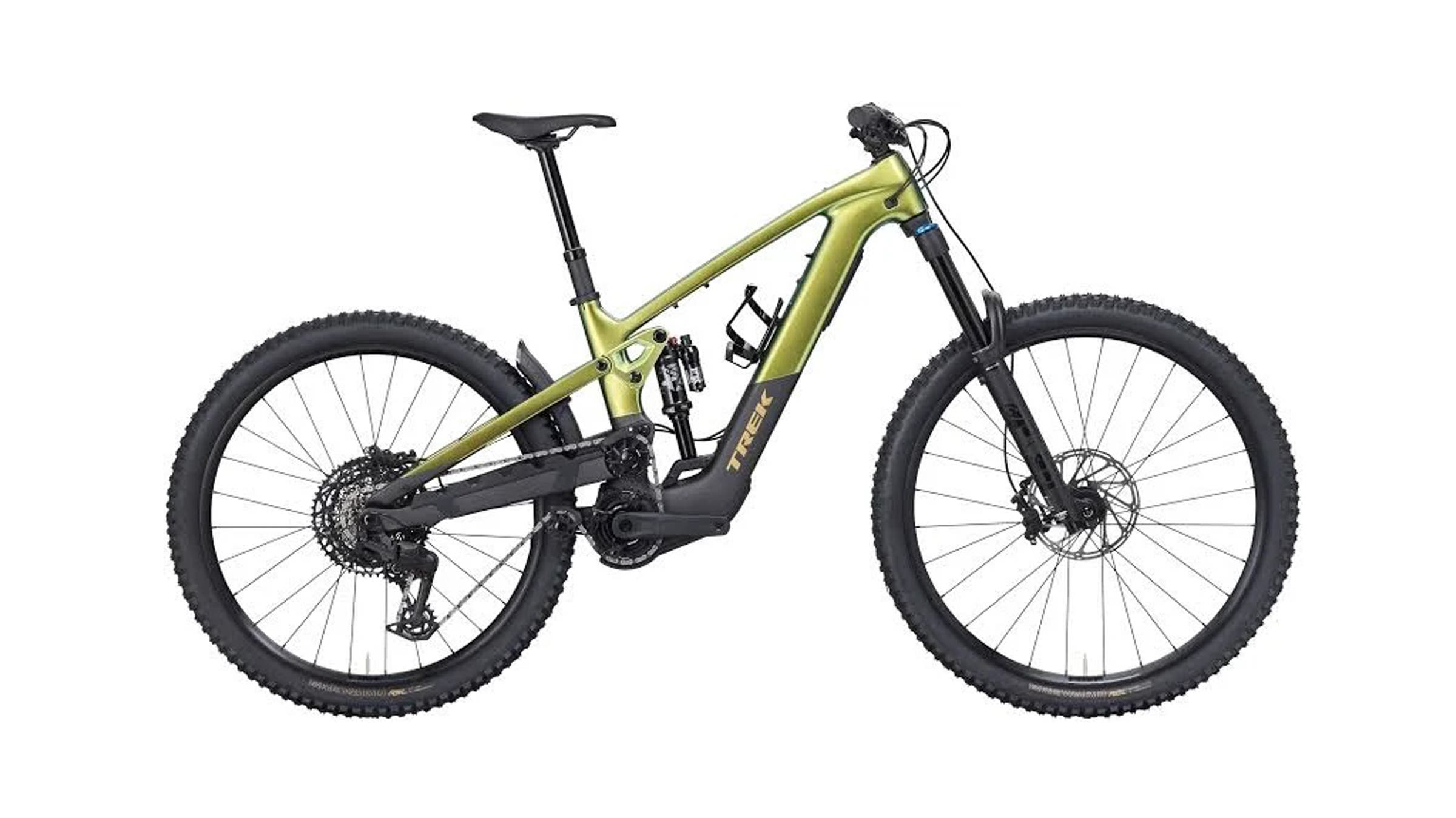
The Lightweight Revolution: Trek Slash+
The Trek Slash+ represents the pinnacle of the "lightweight eMTB" category, a segment that has seen 30% year-over-year market growth according to 2025 industry reports. Weighing in at approximately 46 pounds, the Slash+ utilizes the TQ HPR50 motor system. Unlike the high-decibel whine of some full-power motors, the TQ system is virtually silent, offering a riding experience that is indistinguishable from an analog bike in terms of acoustics.
The Slash+ features 172.2mm of rear travel and a 177mm fork, positioning it as a dedicated gravity machine. Its 580Wh internal battery, combined with a 160Wh extender, provides a range that rivals many full-power bikes, thanks to the motor’s high efficiency. Analysis suggests that the Slash+ is the primary contender for riders who want a "one-bike quiver," capable of self-shuttling downhill laps while remaining light enough for technical trail riding.
Comparative Motor Performance and Technical Data
The 2026 testing cycle underscored the fact that torque figures on a spec sheet do not always translate to on-trail speed. The following table summarizes the key performance metrics of the leading motor platforms evaluated:
| Motor System | Peak Torque | Peak Power | Primary Strength |
|---|---|---|---|
| Bosch Performance CX | 100 Nm | 750 W | Reliability & Power Delivery |
| Avinox M1 | 120 Nm | 1000 W | Absolute Climbing Power |
| TQ HPR50 | 50 Nm | 300 W | Weight & Natural Ride Feel |
A critical finding from the Field Test was that Bosch-equipped bikes, such as the Yeti and Santa Cruz, were often more efficient in "Turbo" modes than the higher-output Avinox systems. The Bosch software’s ability to map power to the rider’s cadence ensures that energy is not wasted through wheel spin, a factor that contributed to the Yeti LTe’s overall victory.
Broader Industry Implications and Future Outlook
The 2026 eMTB Field Test results reflect a maturing industry that is moving beyond the "arms race" for larger batteries and more power. Instead, manufacturers are focusing on "ride quality" and "system integration." The prevalence of 800Wh batteries as the new standard for full-power bikes indicates that range anxiety is largely a thing of the past for the high-end consumer.
However, the high cost of entry remains a significant barrier. While the Norco Sight VLT offers a glimpse into a more affordable future, the average price of a top-tier eMTB in 2026 hovers around $11,500. Economic analysts predict that as motor technology stabilizes, the next three years will see a "trickle-down" effect, where the suspension kinematics seen on the Yeti and Forbidden will become available on alloy-framed models at the $5,000 to $7,000 price point.
Furthermore, the environmental impact of large-scale lithium-ion battery adoption in the outdoor sector is beginning to face regulatory scrutiny. In response, brands like Trek and Specialized have initiated "closed-loop" recycling programs in early 2026, ensuring that the batteries powering these advanced machines do not end up in landfills at the end of their lifecycle.
Conclusion
The 2026 eMTB Field Test has solidified the position of the Yeti LTe as the industry leader in suspension performance and the Norco Sight VLT as the champion of value. As the distinction between electric and traditional mountain bikes continues to blur, the bikes of 2026 prove that the addition of a motor does not have to come at the expense of soul, agility, or trail-shredding capability. For the modern rider, the choice is no longer about whether to go electric, but rather which specific flavor of electric assistance best suits their terrain.




 Chandra Hamzah
 Tatiana Tantri Indah Sari
 Budi Mulyono

