
 Budi Mulyono
JPMorgan Chase has officially unveiled its most aggressive acquisition offer to date for its flagship premium travel product, the Chase Sapphire Reserve. Effective immediately, new cardholders can earn a sign-up bonus of 150,000 Ultimate Rewards points after meeting a minimum spending requirement of $6,000 within the first three months of account opening. This development represents a significant strategic pivot for the financial institution, as it simultaneously adjusted the card’s annual fee to $795, positioning the product at a higher price point while significantly enhancing its introductory value and ongoing benefit suite.
The 150,000-point offer is double the card’s typical introductory bonus and exceeds the previous high-water mark of 100,000 points established during the card’s initial launch in 2016. At a minimum valuation of 1.5 cents per point when redeemed through the Chase Travel portal, the bonus carries a fixed value of $2,250. However, industry analysts note that the value can appreciate substantially when points are transferred to Chase’s ecosystem of airline and hotel partners, which includes high-value programs such as World of Hyatt, United Airlines, and British Airways.
Historical Context and Market Evolution
The Chase Sapphire Reserve originally disrupted the premium credit card market in August 2016. At that time, the card’s 100,000-point bonus and simplified $300 travel credit forced competitors to re-evaluate their offerings. Since then, the market has become increasingly crowded, with American Express frequently updating its Platinum Card and Capital One entering the fray with the Venture X.
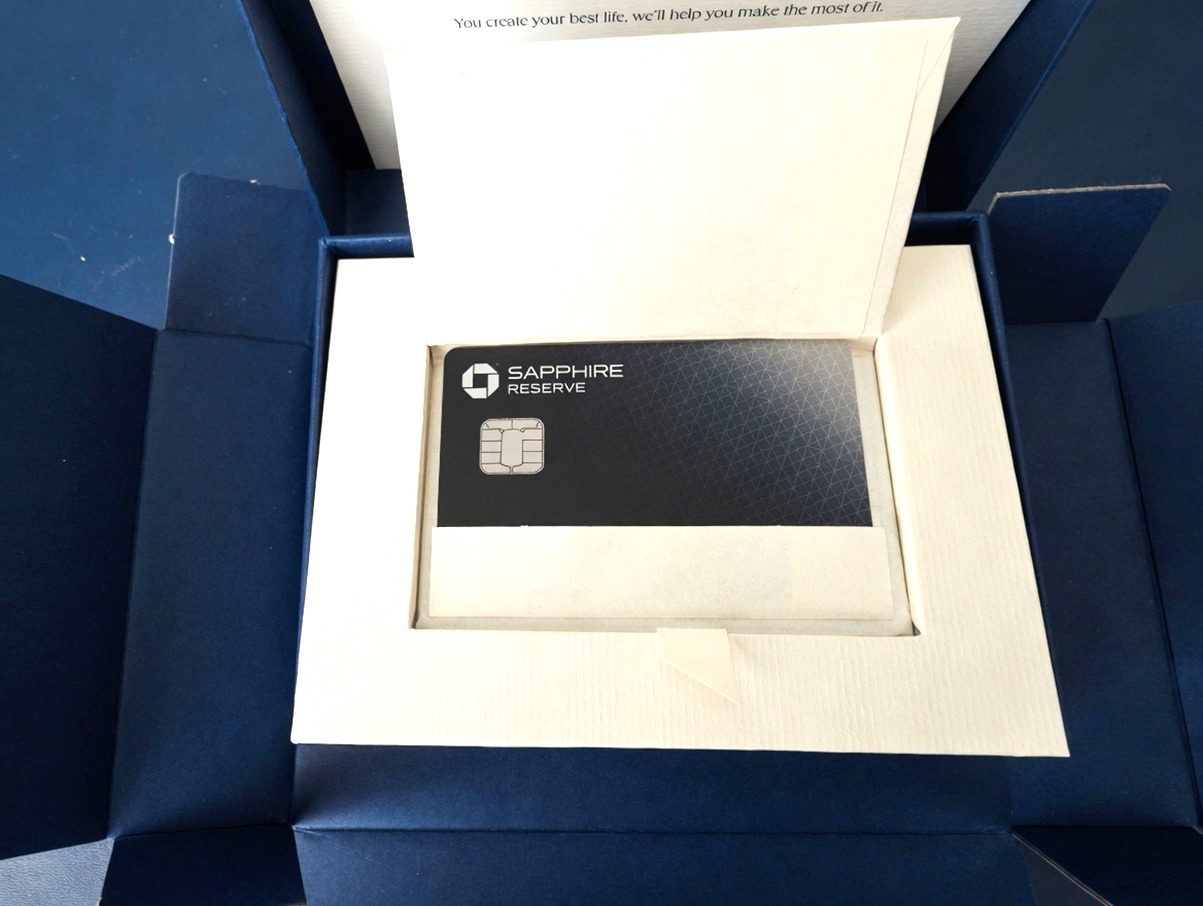
The move to a 150,000-point bonus and a $795 annual fee signals a new phase in the "premium card wars." JPMorgan Chase appears to be shifting its focus toward high-net-worth individuals and "heavy spenders" who prioritize lounge access and elite status over simple cashback. The increase in the annual fee from its previous $550 level to $795 places the Sapphire Reserve among the most expensive consumer credit cards on the market, yet the bank has countered this by introducing a series of proprietary credits designed to offset the cost for active travelers.
Analysis of the Enhanced Benefit Structure
The revised Chase Sapphire Reserve remains a spending-centric card, offering 3x points on travel and dining worldwide. To justify the $795 annual fee, Chase has integrated several new recurring credits and status-earning opportunities.
Direct Financial Offsets and Credits
The card retains its hallmark $300 annual travel credit, which is automatically applied to a broad range of travel-related purchases, including airfare, hotels, and transit. In addition to this, the bank has introduced a $250 credit for "The Edit," Chase’s curated luxury hotel program. Unlike some competitor programs, bookings through The Edit remain eligible for hotel loyalty points and elite status recognition, a critical distinction for frequent travelers.

Furthermore, a separate $250 hotel credit has been introduced, alongside ongoing partnerships with delivery and ride-share services. Cardholders continue to receive DoorDash DashPass subscriptions and monthly credits, as well as elevated earning rates on Lyft. When utilized fully, these credits can exceed the $795 annual fee, though the utility of the credits depends heavily on the cardholder’s existing spending habits.
High-Spend Incentives and Elite Status
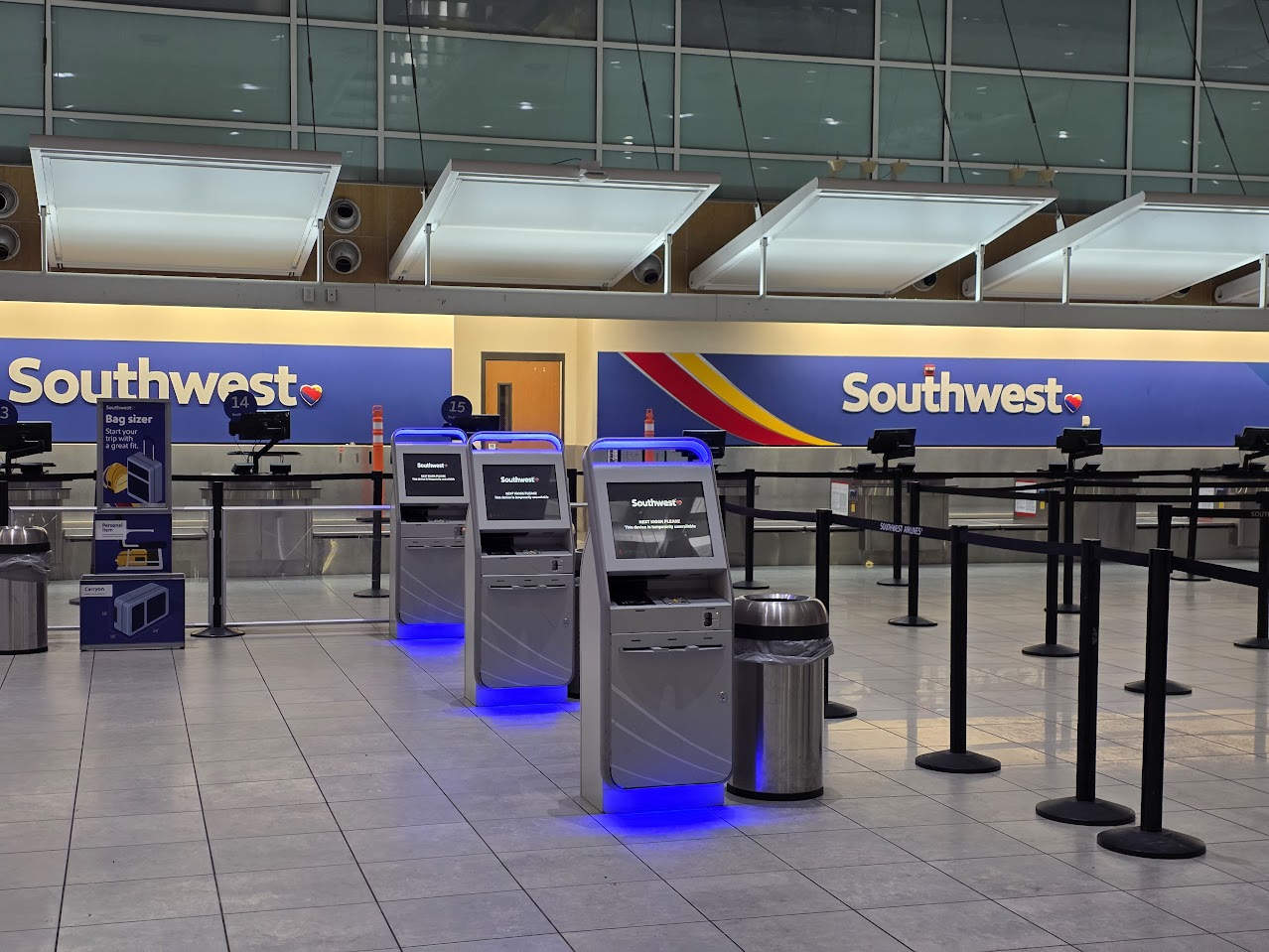
In a departure from previous iterations, Chase has introduced a "tier-based" incentive for high-volume spenders. Cardholders who reach $75,000 in annual purchases on the Sapphire Reserve now receive a suite of elite status designations across various travel sectors:
- Southwest Airlines: Rapid Rewards A-List status and a $500 travel credit.
- IHG Hotels & Resorts: Diamond Elite status (upgraded from the standard Platinum Elite).
- World of Hyatt: Explorist status.
- Shopping: A $250 "Shops at Chase" credit, applicable toward high-end retail partners.
This shift suggests that Chase is attempting to increase "wallet share" by encouraging users to consolidate their spending on a single card rather than rotating between different products for various categories.
The Expansion of the Chase Sapphire Lounge Network
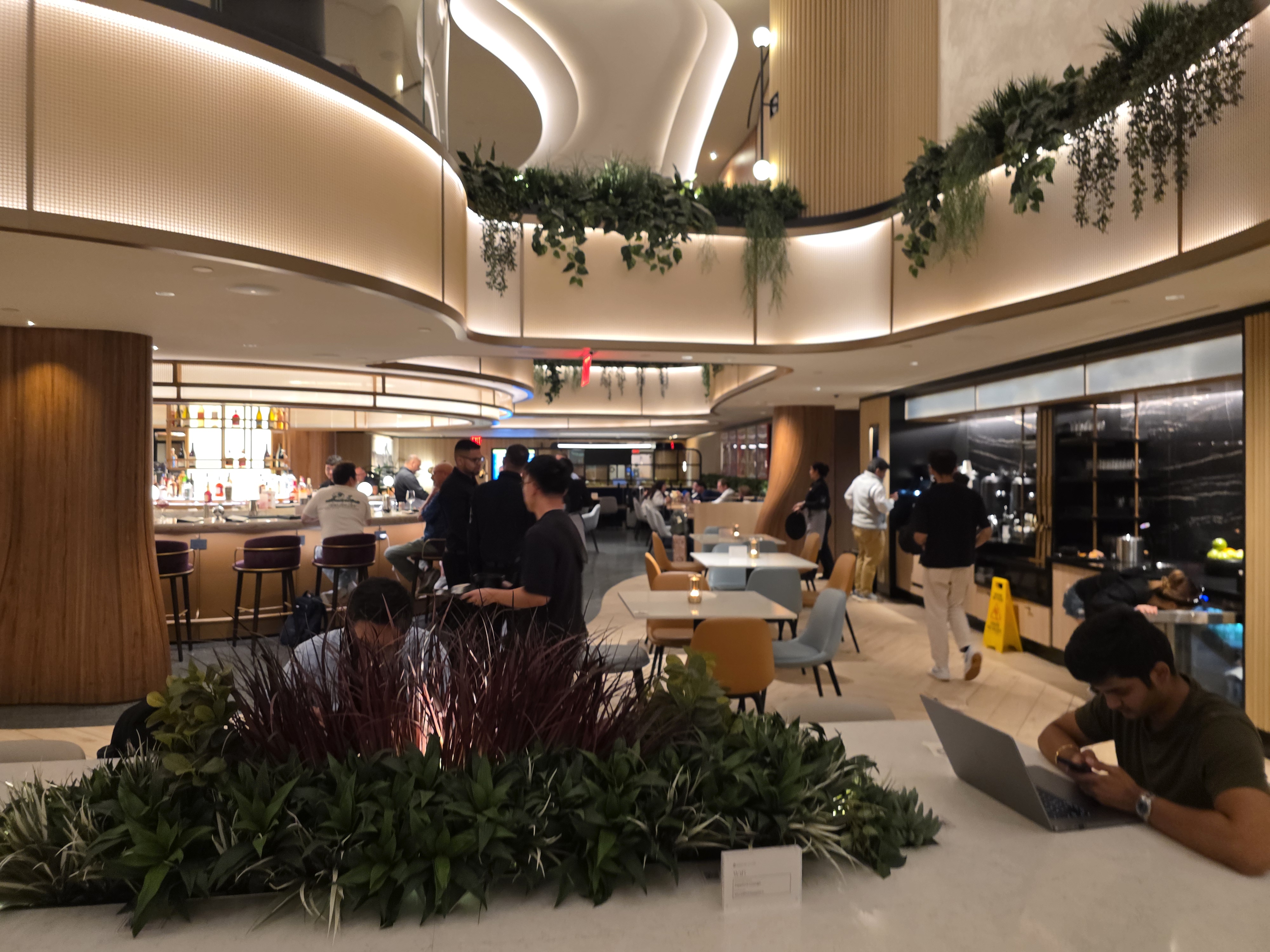
A central component of the Chase Sapphire Reserve’s value proposition is its proprietary lounge network. While American Express has long dominated this space with its Centurion Lounges, Chase has rapidly expanded its "Sapphire Lounge by The Club" locations.
Current operational lounges include major hubs such as Boston Logan (BOS), New York-JFK, New York-LaGuardia (LGA), Philadelphia (PHL), Phoenix (PHX), and Washington Dulles (IAD). The bank has confirmed that additional locations in Dallas-Fort Worth (DFW) and Las Vegas (LAS) are slated for opening within the current calendar year.
These lounges have been praised by travel critics for their high-end culinary offerings and amenities, such as the "Champagne Parlor" in the Las Vegas location and spa pods in Philadelphia. Sapphire Reserve cardholders receive unlimited access for themselves and two guests. This guest policy remains notably more generous than that of the American Express Platinum or Capital One Venture X, neither of which currently offer complimentary guests without significant annual spending.
Beyond the proprietary Chase lounges, the card continues to include a Priority Pass Select membership, providing access to over 1,300 airport lounges globally, including various Virgin Atlantic Clubhouses and Air France lounges.
Eligibility and Regulatory Constraints
Prospective applicants must navigate Chase’s stringent approval internal policies, most notably the "5/24 rule." This unofficial but widely documented policy generally prevents approval for those who have opened five or more personal credit cards from any issuer within the past 24 months.
Additionally, the "Sapphire Family" rule dictates that individuals cannot hold both a Sapphire Preferred and a Sapphire Reserve simultaneously. Those who have received a sign-up bonus on any Sapphire-branded card within the last 48 months are also typically ineligible for the 150,000-point offer. However, Chase has implemented a "pop-up" notification system during the online application process. This feature alerts applicants if they are ineligible for the bonus before a hard inquiry is performed on their credit report, mitigating the risk of a fruitless application.

Broader Economic and Industry Implications
The launch of a 150,000-point bonus comes at a time of shifting consumer behavior. Despite inflationary pressures, demand for premium travel experiences remains robust. Market analysts suggest that financial institutions are leveraging these high-value bonuses to capture "sticky" customers who are less likely to cancel their accounts once they have integrated into a specific rewards ecosystem.
The $795 annual fee also reflects the rising costs of providing premium travel benefits. As lounge crowding becomes a persistent issue and the cost of travel redemptions increases, issuers are forced to raise fees to maintain the exclusivity and quality of their services. Chase’s decision to increase the fee while simultaneously offering a record-breaking bonus is a calculated move to acquire high-value customers while ensuring the long-term profitability of the Sapphire Reserve portfolio.
Competitors are expected to monitor the success of this offer closely. If Chase successfully captures a significant segment of the premium market with the 150,000-point incentive, it may trigger a retaliatory round of benefit enhancements or bonus increases from American Express and Capital One.

Conclusion and Outlook for Travelers
For the modern traveler, the Chase Sapphire Reserve at its new 150,000-point level represents a high-cost, high-reward proposition. The initial bonus provides an immediate influx of travel capital that can fund multiple international trips or dozens of domestic flights.
While the $795 annual fee is a significant barrier to entry, the card’s robust insurance protections—including primary rental car collision coverage, trip delay reimbursement, and lost luggage protection—remain industry-leading. For those who can maximize the $800+ in available credits and frequent the expanding Sapphire Lounge network, the card continues to serve as a powerful tool in a comprehensive travel strategy. As the travel industry continues its post-pandemic evolution, the Sapphire Reserve’s new structure positions it as a dominant force in the high-end financial services sector.




 Anjar Salim
 Chandra Hamzah
 Tatiana Tantri Indah Sari
 Lukman Taruna Persada Ramadan
