
 Susilo Edi Turonggo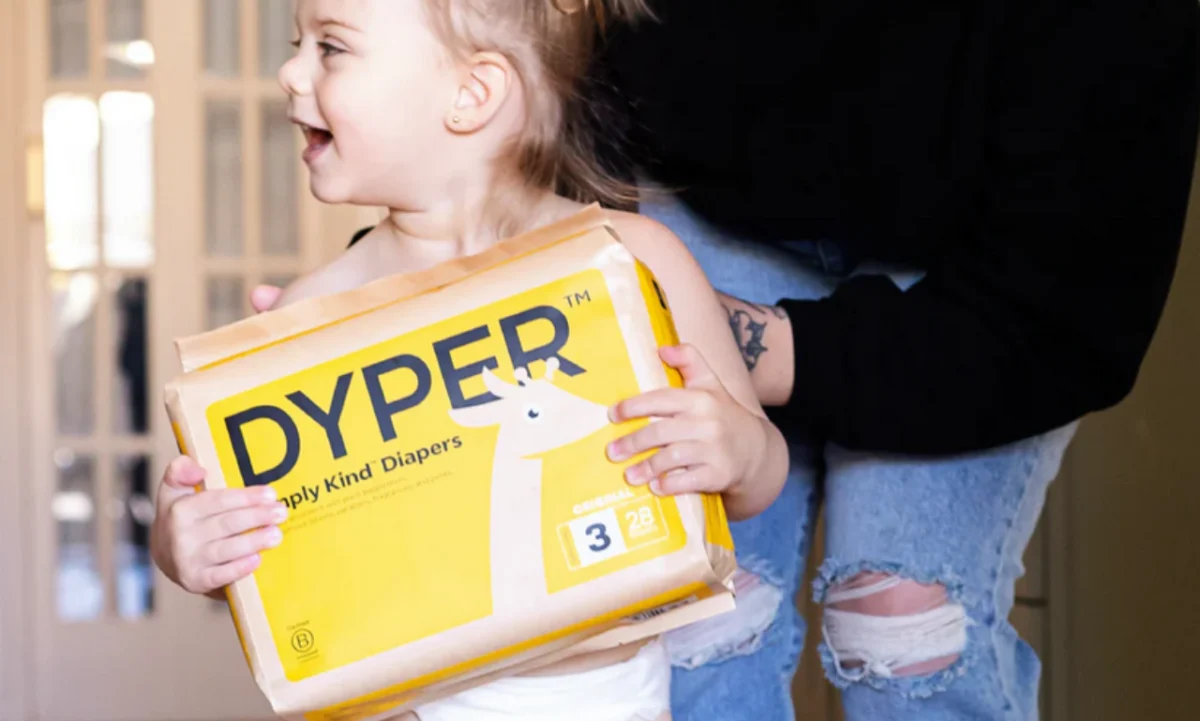
The sheer volume of waste generated by infants poses a significant challenge to modern waste management systems and environmental sustainability efforts. Babies, on average, utilize approximately 6,000 disposable diapers within their first two years of life, contributing to an immense global waste stream. This pervasive issue is not merely a matter of disposal; it also encompasses critical health implications stemming from the materials and chemicals commonly found in conventional single-use diapers. While reusable cloth diapers offer an alternative, their demanding washing and maintenance routines often prove impractical for the majority of contemporary, busy parents, leaving a substantial gap in the market for convenient yet environmentally responsible solutions.
Traditional disposable diapers, predominantly composed of plastics and synthetic materials, are a major source of landfill waste. They are estimated to take hundreds of years to decompose, often remaining intact in landfills for generations, releasing microplastics and other pollutants into the environment. Beyond their long-term environmental footprint, these diapers frequently contain a cocktail of chemicals, including phthalates, parabens, fragrances, and volatile organic compounds (VOCs). These substances, used for absorbency, scent, or structural integrity, have been linked to a range of adverse health outcomes. Research suggests connections to endocrine and reproductive disorders, acute skin rashes and irritation, and even a potential increased risk of testicular cancer later in life. A critical regulatory oversight in the United States, where the Consumer Product Safety Commission (CPSC) mandates testing only for lead in diapers, leaves a vast array of other potentially harmful chemicals, including carcinogens and endocrine-disrupting chemicals, unchecked and undisclosed to consumers. This regulatory vacuum underscores the necessity for companies to proactively prioritize transparency and safety in product formulation.
The genesis of Dyper emerged from a direct observation of this escalating problem. Tony Patron, a new father and engineer, alongside his business partner, noticed a recurring issue: their household waste bins were consistently overflowing with plastic diapers each week. This personal experience ignited a determination to find a scalable and sustainable alternative. The realization that conventional options fell short—reusables were cumbersome, and existing disposables were environmentally and health-wise problematic—fueled their ambition to innovate. This moment marked the inception of what would become Dyper, a company committed to developing high-performance, non-toxic, and ultimately compostable single-use diapers.
The Evolution of Diaper Technology and the Call for Sustainability
The history of diapers reflects a continuous quest for convenience and hygiene. From the earliest forms of reusable cloth tied with pins to the advent of mass-produced disposable diapers in the mid-20th century, innovation has largely focused on absorption, leak protection, and ease of use. However, the environmental and health costs of this convenience have become increasingly apparent. The global disposable diaper market, valued at over $60 billion annually, generates millions of tons of non-biodegradable waste each year. In the United States alone, diapers constitute a significant percentage of municipal solid waste, contributing to landfill expansion and associated greenhouse gas emissions.
The environmental movement of the late 20th and early 21st centuries brought these issues to the forefront, spurring demand for greener alternatives. While cloth diapers experienced a resurgence, their logistical challenges remained a barrier for many. The market was ripe for a solution that combined the convenience of disposables with a significantly reduced environmental impact and improved health profile. This context provided the fertile ground for Dyper’s mission. Patron, leveraging his engineering background, initially explored partnerships with existing manufacturers of compostable diapers. This collaborative approach eventually led to a merger, solidifying the foundation for Dyper as a pioneering entity focused on creating biodegradable diapers designed to mitigate both household waste and broader environmental pollution.

Dyper’s Innovation: Pushing for Change in a Landfill-Bound Industry
Dyper’s product development strategy is meticulously focused on maximizing biodegradability and ensuring product safety without compromising performance. The company’s dedicated product team works tirelessly to source and integrate materials that can naturally decompose, acknowledging that certain advanced technologies, such as Velcro fasteners, are not yet available in fully biodegradable forms. Despite these current limitations, the overarching goal remains clear: to deliver a diaper that performs equivalently to any leading conventional diaper in terms of absorbency, fit, and comfort, while critically ensuring no skin irritation for infants.
Central to Dyper’s material innovation is the use of primarily plant-based resources. The brand extensively utilizes US-grown, FSC-certified bamboo and eucalyptus fibers, chosen for their rapid renewability and sustainable harvesting practices. The viscose bamboo employed in their products is sourced from an Oeko-Tex certified supplier, a global standard that guarantees textiles are free from harmful substances. To foster complete transparency with conscious parents, Dyper meticulously labels each layer of its diapers with specific component details. This commitment to ingredient disclosure empowers consumers to make informed choices about what comes into contact with their baby’s skin. The brand’s dedication to natural materials is further evidenced by its product certifications: its diapers are Certified USDA BioPreferred 55% Product, and its wipes boast a Certified USDA BioPreferred 95% Product status, signifying a high percentage of bio-based content.
Beyond ingredient sourcing, Dyper rigorously tests its products. The diapers themselves meet stringent Oeko-Tex standards, and the company recently achieved the coveted DermaTest 5-Star Certification. This independent dermatological testing guarantees that the diapers are extremely gentle and will not cause any skin reactions, providing an added layer of assurance for parents concerned about sensitive skin and allergies. These third-party certifications are not just marketing tools; they represent a verifiable commitment to non-toxicity and compostability, setting a new benchmark for safety and environmental responsibility within the industry.
Plants Over Plastic: A Holistic Approach to Baby Care
The guiding philosophy behind Dyper’s entire operation is encapsulated in its mantra: "plants over plastic for happy babies." This principle dictates every aspect of product design and material selection. By prioritizing plant-based materials and eliminating harmful chemical additives, Dyper has successfully formulated diapers that are entirely free from phthalates, latex, parabens, chlorine, alcohol, perfumes, and other common irritants frequently found in conventional supermarket diapers. The natural fibers, inherently softer and more breathable, are significantly gentler on a baby’s delicate skin, reducing the likelihood of diaper rash and discomfort. Furthermore, the commitment to responsibly sourced materials ensures that the environmental impact of production is minimized from the outset.
Dyper’s innovation extends beyond mere material composition; it addresses the practical needs of parents. While made from over 50% plant-based materials, these diapers are engineered for high performance, designed to prevent leaks effectively and maintain dryness, thereby contributing to a happy and comfortable baby. This dual focus on sustainability and functionality directly challenges the long-held belief that parents must choose between effective diapering and eco-friendly options.
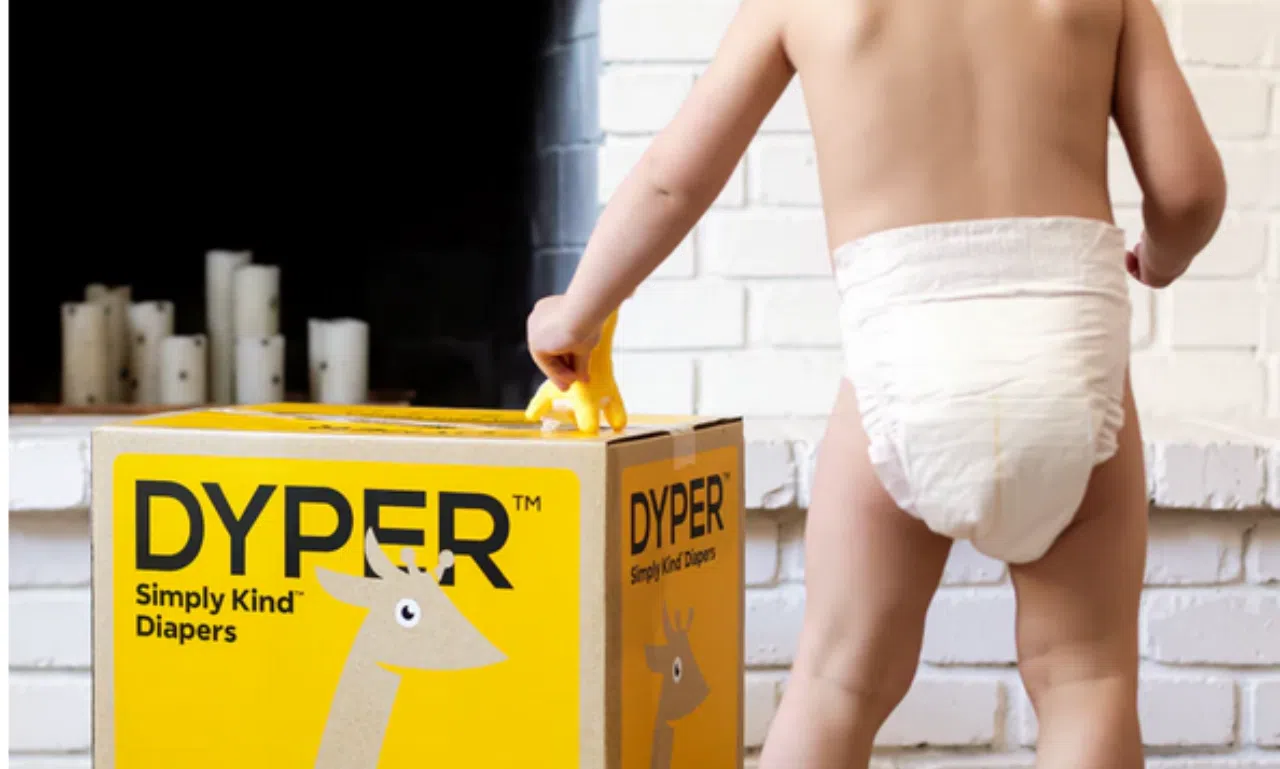
A cornerstone of Dyper’s sustainable ecosystem is its optional REDYPER program. This innovative service, subject to availability in specific states, facilitates the collection and composting of used Dyper diapers and wipes. Parents can subscribe to a weekly or bi-weekly pickup service, diverting soiled diapers from municipal landfills. Dyper partners with regional composting facilities, where the plant-based materials can be broken down within 14 to 16 weeks. While non-compostable components, such as the aforementioned Velcro, are removed and disposed of responsibly, the vast majority of the diaper’s material content is returned to the earth. This ambitious program has already achieved significant milestones, diverting over 14 million pounds of waste from landfills to date, demonstrating a tangible positive impact on waste reduction.
The "plants over plastic" philosophy permeates Dyper’s entire supply chain, including its packaging. The company actively seeks out and utilizes sustainable packaging materials wherever possible, further reducing its overall environmental footprint. This holistic approach underscores Dyper’s commitment to minimizing impact at every stage of the product lifecycle, from sourcing to disposal.
Convenience Meets Conscience: Making Sustainable Diapering Accessible
Recognizing that convenience is paramount for modern parents, Dyper has streamlined the purchasing and disposal process. The company offers flexible subscription services, allowing parents to schedule regular deliveries based on their needs, or one-time purchasing options for greater flexibility. This model ensures a consistent supply of diapers, alleviating the stress of last-minute purchases.
The REDYPER program, in particular, addresses one of the most significant barriers to sustainable diapering: the disposal of used products. By offering a pickup service that connects directly to industrial composting facilities, Dyper removes the burden from individual households. While home composting of diapers is generally not recommended due to potential pathogen concerns, industrial composting facilities operate at higher temperatures and with controlled conditions, making them suitable for processing biological waste. This closed-loop system represents a significant step towards a circular economy for baby care products.
The broader implications of Dyper’s model are substantial. It signals a shift in consumer expectations, demonstrating that high-performing, convenient, and truly sustainable baby products are not mutually exclusive. As parental awareness of environmental issues and chemical exposure grows, the demand for brands like Dyper is likely to increase, pushing the entire industry towards more responsible practices. Dyper’s success could inspire further innovation in biodegradable materials and waste management infrastructure, fostering a more sustainable future for infant care.
In an era where environmental consciousness and consumer health are increasingly prioritized, Dyper stands out as a company that embodies a commitment to both. By offering a high-performing diaper made from plant-based, non-toxic materials, and providing a robust composting solution through its REDYPER program, Dyper is not merely selling a product; it is offering a comprehensive solution that addresses the multifaceted challenges of modern diapering. It represents a commitment to sustainability, transparency, and superior baby care, ensuring that parents no longer have to compromise their values for the sake of convenience.



 Anjar Salim
 Chandra Hamzah
 Tatiana Tantri Indah Sari
 Budi Mulyono

