
 Budi Mulyono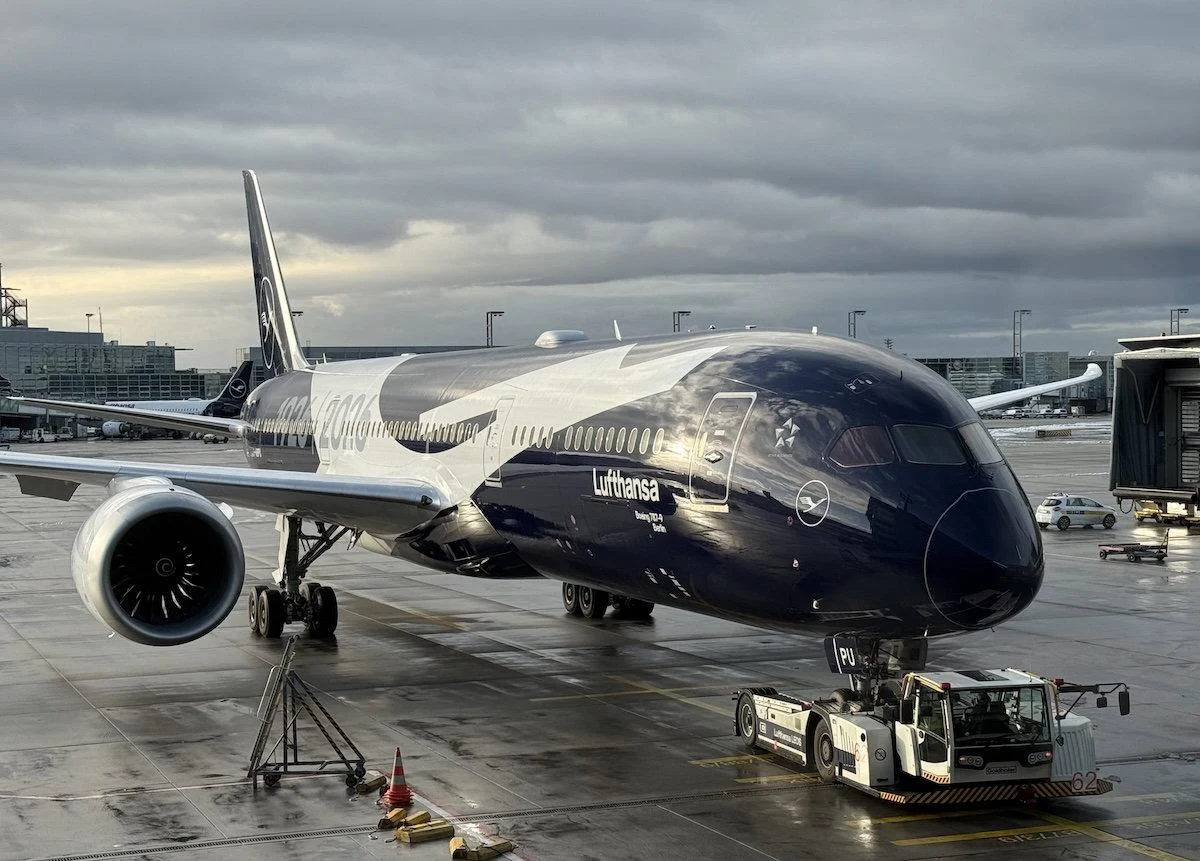
Strategic Vision and the 2026 Turnaround
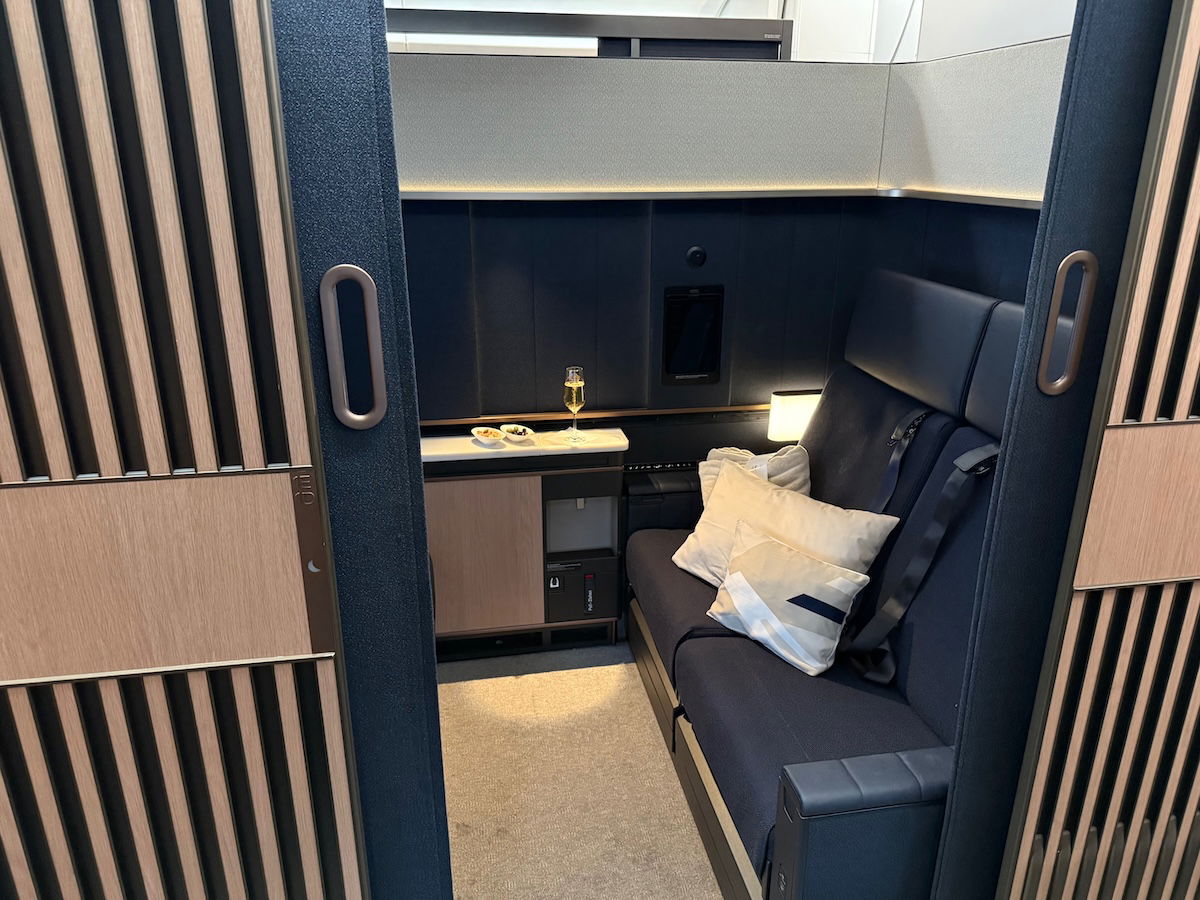
The goal articulated by Ritter is not merely a moderate improvement in service standards but a total transformation into Europe’s premier airline by 2026. This timeline is significant, as it coincides with the full integration of the airline’s "Allegris" cabin interior project across its long-haul fleet. The Allegris initiative represents a multi-billion euro investment intended to modernize the passenger experience across all travel classes, including a revamped First Class, seven different seating options in Business Class, and enhanced Premium Economy and Economy products.
Ritter’s vision for 2026 is rooted in the belief that Lufthansa can bridge the gap between its current operational reality and the high expectations of the premium market. However, the airline faces a complex duality: while it strives for a "five-star" reputation, it currently struggles with being the least profitable entity within its own corporate group. In recent fiscal reports, Lufthansa Airlines trailed significantly behind its subsidiaries, such as SWISS International Air Lines and Austrian Airlines, in terms of profit margins. SWISS, in particular, has consistently demonstrated margins nearly ten times higher than those of the core Lufthansa brand, benefiting from a more streamlined cost structure and a high-yield premium market in Zurich and Geneva.
Chronology of Recent Operational Challenges
The path toward a premium resurgence has been marred by a series of logistical and labor-related setbacks. The timeline of the last quarter highlights the volatility Ritter must manage:
- April 7, 2024: Ritter participates in the Luftraum podcast, asserting that Lufthansa is operating with a level of punctuality and reliability unseen in a decade.
- April 10–15, 2024: Just days after Ritter’s optimistic assessment, the airline was hit by a series of rolling strikes organized by ground staff and flight attendants. These industrial actions forced the cancellation of thousands of flights, affecting hundreds of thousands of passengers and costing the airline an estimated €250 million in lost revenue and compensation.
- Late April 2024: In a controversial move to manage costs and labor flexibility, Lufthansa announced the permanent cessation of operations for its CityLine subsidiary. This decision, aimed at transitioning regional operations to the new "Lufthansa City Airlines" entity, sparked further friction with labor unions, who viewed the move as a tactic to bypass existing collective bargaining agreements.
These events underscore the primary hurdle in Lufthansa’s premium strategy: the disconnect between management’s aspirations and the ground-level reality of labor relations and operational stability. For a "premium" brand, reliability is considered the baseline requirement; frequent strikes and sudden subsidiary closures undermine the trust of the high-yield corporate travelers the airline is desperate to attract.
The Financial Divide and Fleet Modernization
To understand the scale of the challenge, one must look at the data governing the Lufthansa Group’s performance. In the 2023 fiscal year, the Group reported an Adjusted EBIT of €2.7 billion. However, the vast majority of this profit was generated by Lufthansa Technik, the maintenance arm, and the subsidiary airlines. The core Lufthansa German Airlines brand saw its margins squeezed by rising fuel costs, high airport fees in Frankfurt and Munich, and the highest labor costs in the European aviation sector.
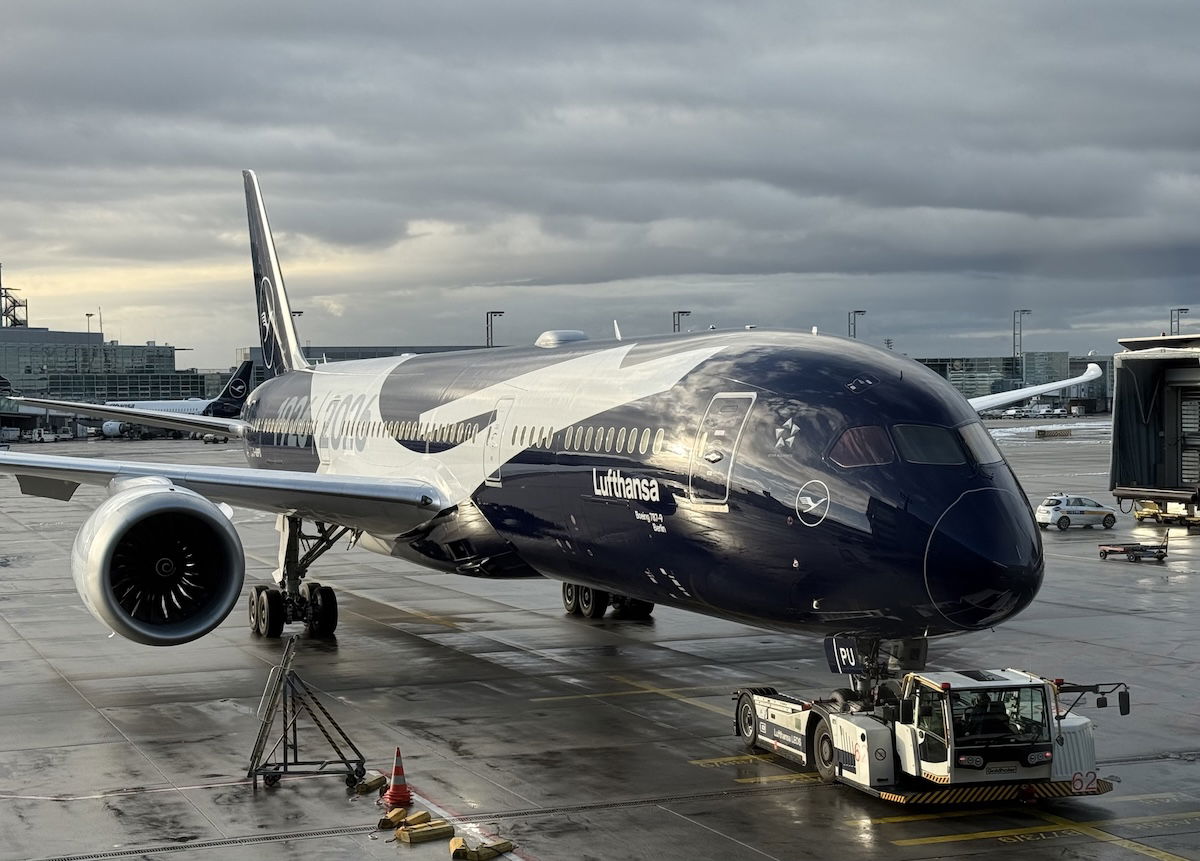
To counter this, the airline is betting heavily on fleet renewal. Lufthansa currently has over 250 new-generation aircraft on order, including Boeing 777-9s, Airbus A350-1000s, and Boeing 787-9s. These aircraft are more fuel-efficient and are designed to house the Allegris cabins. The delivery of these aircraft has been plagued by manufacturer delays at both Boeing and Airbus, which has forced Lufthansa to continue operating older, less efficient aircraft with outdated cabin products. This has created a fragmented passenger experience where a traveler might experience the new Allegris product on one leg of a journey and a decade-old business class seat on the next.
Competitive Benchmarking: Lufthansa vs. the European Elite
Ritter’s goal of becoming the "number one premium airline in Europe" places Lufthansa in direct competition with Air France, which has spent the last five years aggressively elevating its brand. Air France’s "La Première" First Class is widely regarded as the gold standard in Europe, and the airline has successfully integrated French culinary and fashion heritage into its soft product.
Market analysts point out that "premium" is often associated with cultural "soft power." France is naturally synonymous with luxury goods, gastronomy, and elegance, which Air France leverages in its branding. Germany, conversely, is associated with engineering, efficiency, and pragmatism. While these are valuable traits, they do not always translate easily into the emotive luxury experience sought by premium travelers. To surpass Air France, Lufthansa must move beyond "German engineering" and develop a service culture that rivals the personalized attention found on Middle Eastern or Asian carriers like Qatar Airways or Singapore Airlines.
Labor Relations as a Barrier to Entry
A significant portion of Lufthansa’s "premium" deficit stems from its fractious relationship with its workforce. The Independent Flight Attendants Organization (UFO) and the Vereinigung Cockpit (VC) pilot union have historically held significant leverage over the airline’s operations. The cost of labor in Germany, combined with strict social protections, makes it difficult for Lufthansa to compete on price with low-cost carriers or on service levels with carriers based in regions with lower labor costs.
Ritter has emphasized the need for a "new social partnership," but the recent strikes suggest that the two sides remain far apart. For Lufthansa to be perceived as premium, it must ensure that its "human product"—the service provided by crew and ground staff—is consistent. Industry experts suggest that no amount of expensive leather or high-definition screens can compensate for a service culture that feels transactional or is frequently interrupted by industrial action.
Broader Impact and Industry Implications
The success or failure of Lufthansa’s 2026 goal will have far-reaching implications for the European aviation landscape. If Lufthansa succeeds, it will prove that a high-cost legacy carrier in a strictly regulated environment can still compete at the highest level of luxury. It would also provide a blueprint for the "premiumization" of the industry, where airlines focus on high-yield passengers to offset the rising costs of sustainable aviation fuel (SAF) and carbon credits.
However, if the airline fails to meet these goals, it may be forced to undergo a more radical restructuring. This could involve further shifting operations to lower-cost subsidiaries or reducing the size of the core Lufthansa brand in favor of the more profitable SWISS and Austrian units.
Conclusion: A Race Against Time and Perception
As Lufthansa moves toward its centennial celebrations, the pressure on Jens Ritter and his management team is immense. The 2026 target is ambitious, bordering on the audacious, given the current state of the global supply chain and the domestic labor market. The introduction of the Allegris product is a necessary first step, but it is not a panacea.
To truly become Europe’s leading premium airline, Lufthansa must achieve three things simultaneously: stabilize its labor relations to ensure operational reliability, complete its fleet modernization despite manufacturer delays, and redefine its brand identity to offer a luxury experience that goes beyond mere efficiency. The next 24 months will determine whether Lufthansa’s 100th year marks the beginning of a new golden age or a continuation of its struggle to find a profitable identity in a rapidly evolving global market. For now, the industry watches as Germany’s flagship carrier attempts to navigate the turbulent skies between its storied past and a premium future.




 Anjar Salim
 Chandra Hamzah
 Tatiana Tantri Indah Sari

