
 Walid Sujud Trenggono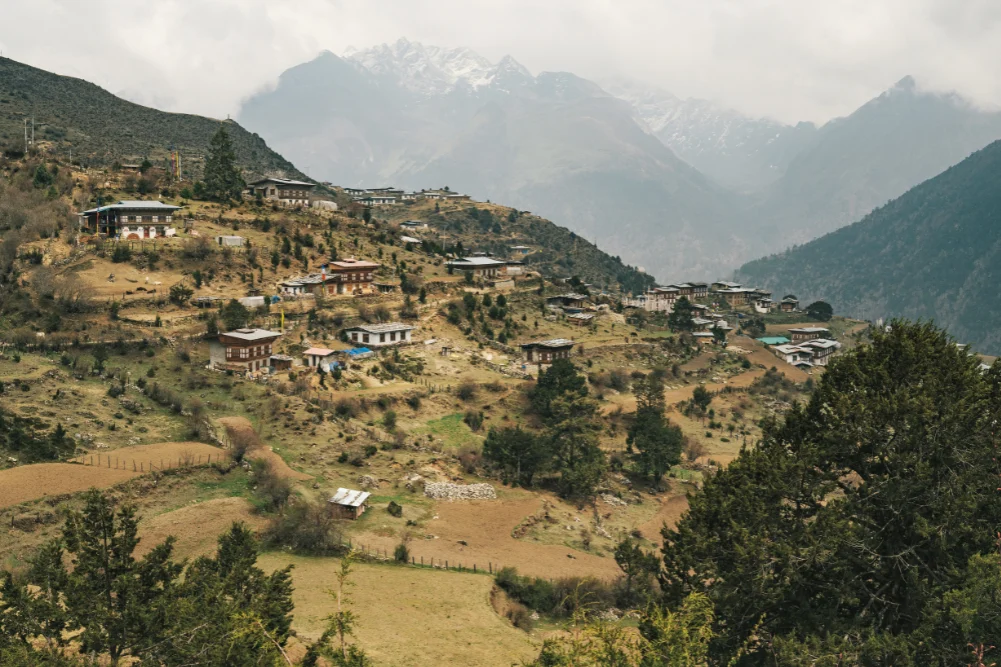
The modern phenomenon of "burnout culture" has increasingly driven professionals and parents toward radical forms of mental resets, moving beyond traditional vacations into the realm of transformative travel. For individuals balancing the high-pressure demands of entrepreneurship, solo parenting, and the care of aging relatives, the search for equilibrium often leads to the Kingdom of Bhutan. This landlocked Himalayan nation, situated between the geopolitical giants of China and India, has become a global case study for integrating traditional values with modern governance. As global rates of digital fatigue and professional exhaustion rise, Bhutan’s unique socio-economic model—defined by its rejection of traditional GDP in favor of Gross National Happiness (GNH)—offers more than a scenic retreat; it provides a structural critique of Western productivity standards.
The Context of the Modern Reset: Burnout and the Sandwich Generation
The impetus for seeking a "midlife reset" in Bhutan often stems from a state of being "stretched impossibly thin," a condition common among the "sandwich generation"—adults who are simultaneously raising children and caring for elderly parents. Statistical data from various mental health organizations suggests that the constant connectivity of the digital age has exacerbated this stress, leading to a "zombie state" characterized by being half-present in one’s own life. For many, the decision to visit Bhutan is an intentional act of defiance against a lifestyle measured by "profit margins" and "inbox counts." Bhutan remains an unconventional choice for such a reset, as it eschews the luxury "linen and green juice" aesthetic of typical wellness retreats in favor of a rugged, humbling, and deeply communal experience.
A Kingdom Defined by Isolation and Intentionality
Bhutan’s history is one of carefully managed exposure to the outside world. Never colonized, the kingdom has maintained a fierce sense of sovereignty and cultural identity. It was not until 1974 that the first foreign tourists were permitted to enter the country, and the introduction of television and the internet was delayed until 1999. This slow adoption of global technology was not a result of lack of access, but a deliberate policy to protect the nation’s social fabric.
Today, Bhutan is recognized as the world’s first carbon-neutral country—and frequently carbon-negative—due to its extensive forest cover, which is mandated by law to remain at a minimum of 60 percent of the total land area. In urban centers, the absence of billboards, global fast-food chains like McDonald’s, and even traffic lights serves as a physical manifestation of the country’s "High Value, Low Volume" tourism policy. This policy, which includes a Sustainable Development Fee (SDF) for visitors, ensures that tourism does not overwhelm the environment or the local culture.
The Journey into the Interior: A Chronology of Transformation
The logistical reality of visiting Bhutan begins with one of the most challenging aviation feats in the world: the flight into Paro International Airport. Surrounded by 5,500-meter peaks, the runway is accessible to only a handful of certified pilots. This dramatic entry serves as an immediate psychological threshold, forcing travelers out of the "baggage claim dash" mentality and into a state of silent observation.
The Monastic Experience: Dodedrak
A common entry point for those seeking a spiritual reset is the Dodedrak Monastery. Established in the 12th century, the site requires a rigorous two-to-three-hour hike up a steep mountain, a physical trial that serves to ground the visitor. The monastery functions as a living institution where burgundy-clad monks engage in ancient scripture chanting. The use of butter lamps and incense creates a sensory environment that facilitates a "dropping of the shoulders" and a slowing of the respiratory rate—physiological markers of a shift from the sympathetic to the parasympathetic nervous system.
The Remote Heights of Laya
To understand the true depth of Bhutanese contentment, one must travel to Laya, one of the most remote inhabited villages on Earth. Situated at an altitude of 3,800 meters, Laya is inaccessible by motor vehicle. The journey involves a multi-day trek through terrain occupied by yaks and ponies. The village is home to approximately 1,600 Layap people, an indigenous community with Tibetan roots known for their distinct conical hats and yak-wool garments.
In Laya, the concept of "wellbeing" is inextricably linked to community and hospitality. Local guides, such as Pema Wangchuk, note that the village operates on a system of reciprocal kindness; when a home is built, the entire community participates in the labor. This collective care stands in stark contrast to the hyper-individualism of Western urban centers.
The Philosophy of "Enough": Insights from the Bumkor Festival
The timing of a visit to Laya often coincides with the Bumkor Festival, a biennial event where sacred texts are carried in a grand procession through the village. The festival is a "riot of color" against the backdrop of snow-capped peaks like Tiger’s Peak. It represents a communal rhythm where villagers of all ages move as one, reinforcing a sense of belonging that many visitors find lacking in their home countries.
Interviews with village elders, such as Am Pem, a widow of a high-ranking local figure, reveal a philosophy of happiness centered on the avoidance of greed. When asked for advice on a long life, the prevailing sentiment among the Layap is: "To be happy, don’t be greedy. Make the most of what you have." This "philosophy of enough" challenges the consumerist drive for "more," highlighting the psychological burden of endless choice—a phenomenon often referred to in psychology as the "paradox of choice."
The Four Pillars of Gross National Happiness
Bhutan’s approach to wellbeing is codified in the Gross National Happiness (GNH) index, a governance framework first proposed by the Fourth King, Jigme Singye Wangchuck, in 1972. The GNH is built upon four pillars:
- Sustainable and Equitable Socio-Economic Development: Ensuring that growth benefits all citizens, evidenced by free healthcare and education.
- Environmental Conservation: Protecting the natural world as a sacred duty.
- Preservation and Promotion of Culture: Maintaining traditional festivals, dress, and architecture.
- Good Governance: Ensuring that policies are evaluated through a "GNH lens" to prevent harm to the community.
In 2022, Bhutan’s GNH index indicated that nearly half of the population described themselves as "happy," a statistic that remains resilient even as the country navigates the challenges of modernization and youth emigration.
Traditional Healing and the Medicine of Nature
The Bhutanese approach to health integrates the physical environment with spiritual practice. The Gasa hot springs (Gasa Tsachu) serve as a prime example. Unlike luxury spas, these are communal baths where locals and visitors soak side-by-side. The springs are considered sacred, with legends attributing healing powers to a 13th-century saint. From a modern wellness perspective, these experiences align with "forest bathing" or "nature therapy," which research suggests lowers cortisol levels and resets the nervous system.
Furthermore, the Bhutanese cultural relationship with death provides a unique psychological tool. Citizens are encouraged to contemplate impermanence five times a day. Rather than being viewed as morbid, this practice is intended to foster a sense of urgency regarding kindness and a reduction in anxiety over trivial matters.
Broader Impact and Implications for Global Wellness
The long-term impact of a Bhutanese reset is often not a permanent state of serenity, but the acquisition of a "mental toolkit" for handling future stress. Six months post-travel, visitors often report that while their external circumstances—overscheduling, digital noise, and family demands—have not changed, their internal reaction to those stressors has shifted.
The "Bhutan effect" suggests that the solution to modern burnout is not merely a temporary escape, but a fundamental reassessment of what constitutes "enough." By observing a society where speed limits are capped at 20km/h and success is measured by collective contentment rather than individual accumulation, outsiders are forced to confront their own "digital zombie" states.
Conclusion: The Lasting Resonance of the Kingdom
Bhutan remains a rare example of a nation attempting to balance the benefits of the 21st century with the wisdom of the 12th. For the exhausted professional or the overwhelmed parent, the kingdom serves as a mirror, reflecting the costs of a high-speed, high-consumption lifestyle. The lessons of the Himalayas—community over competition, nature as medicine, and the radical embrace of "enough"—provide a blueprint for resilience that extends far beyond the borders of the kingdom. As the world continues to grapple with a global mental health crisis, Bhutan’s model of Gross National Happiness offers a provocative and increasingly necessary alternative to the traditional metrics of human success.



 Anjar Salim
 Chandra Hamzah
 Tatiana Tantri Indah Sari
 Budi Mulyono
 Lukman Taruna Persada Ramadan
