
 Tatiana Tantri Indah Sari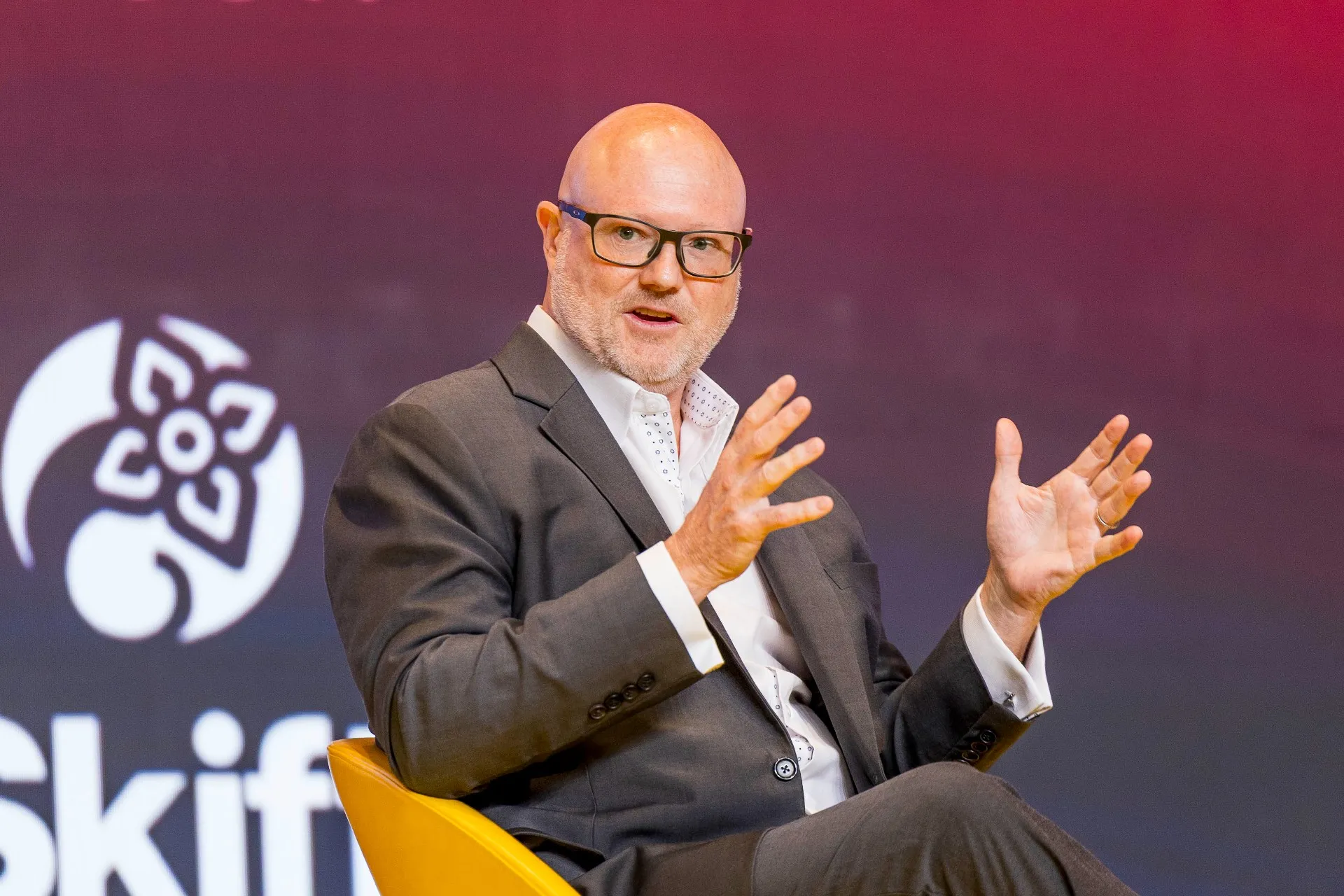
The Asian hotel landscape is undergoing a profound structural transformation, driven primarily by evolving generational dynamics among property owners and an increasingly intense competitive environment among global hospitality giants. This significant shift is accelerating hotel brand conversions across the continent, with mid-scale and economy properties emerging as the primary drivers of this unprecedented growth. This was the central theme explored by Andrew Langdon, Chief Development Officer at Accor, during his insightful presentation at the Skift Asia Forum 2026, where he highlighted how these forces are reshaping the future of hospitality in one of the world’s most dynamic travel markets.
Skift Asia Forum 2026: A Confluence of Industry Leaders
The Skift Asia Forum 2026, a premier gathering of global and regional travel industry leaders, served as a critical platform for discussing the most pressing trends and strategic imperatives shaping the future of travel. Held in a pivotal year for global tourism recovery and expansion, the forum brought together executives, innovators, and analysts to share insights on technology, sustainability, market dynamics, and consumer behavior. Accor, as a leading global hospitality group with a significant footprint and ambitious expansion plans in Asia, played a prominent role in these discussions. Andrew Langdon’s session, titled "Staying Competitive as Asia’s Hotel Market Shifts," was a highlight, offering a deep dive into the strategic considerations behind the accelerating pace of hotel brand conversions, particularly in the vast and diverse Asian market. His conversation with Carolyn Kremens, President of Skift, underscored the urgency and opportunity presented by these structural changes.
The Evolving Landscape of Asian Hospitality: From Independence to Integration
Historically, the Asian hotel market has presented a stark contrast to its Western counterparts. While North America and Europe predominantly feature globally branded hotels, Asia has long been characterized by a robust presence of independent, often family-owned and operated, properties. This prevalence of independent hotels, many of which are deeply embedded in local communities and traditions, created a unique market fabric. These establishments thrived on personalized service, local charm, and often, a lower operational overhead compared to branded chains. However, this fragmented landscape also presented significant challenges, particularly in terms of global distribution, marketing reach, and access to sophisticated operational technologies.
This historical "gap" between Asia and the West has, in recent years, transformed into a significant opportunity for large international operators. Recognizing the immense potential of converting these independent properties into branded hotels, global groups have intensified their efforts, rolling out an array of conversion-friendly brands, soft brands, and collection brands. Furthermore, they have strategically introduced more flexible franchise models into markets where they previously maintained a more rigid management-contract-only approach. This strategic pivot reflects a nuanced understanding of the Asian market’s unique ownership structures and a concerted effort to adapt global strategies to local contexts.
Generational Shifts: A Catalyst for Transformation
A primary driver behind the current wave of conversions is the profound generational shift occurring within Asia’s family-owned hotel businesses. Many of the independent hotels that flourished in the latter half of the 20th century were built and operated by first-generation entrepreneurs. These pioneers often possessed a strong entrepreneurial spirit, a hands-on approach to management, and a deep personal connection to their properties. As these businesses transition, they are increasingly being passed down to second- and third-generation owners.
These younger generations often face a dramatically different and far more complex market reality than their predecessors. Unlike their parents, many lack the same inherent desire or specialized experience to directly manage the day-to-day operations of a hotel. They may have pursued different career paths, studied abroad, or simply grown up in an era where professional management and global connectivity are seen as essential for sustained success. Crucially, they are inheriting businesses in a market that is exponentially more competitive, technologically driven, and consumer-demanding than ever before. The advent of online travel agencies (OTAs), sophisticated digital marketing, and the expectation of seamless guest experiences have placed immense pressure on independent operators who may lack the resources or expertise to keep pace.
Facing these multifaceted challenges, many second and third-generation owners are increasingly turning to global operators for critical support. The allure of partnering with a global brand lies in the promise of enhanced distribution networks, access to powerful loyalty programs that drive repeat business, and invaluable operational expertise. These partnerships often manifest as long-term contracts, typically spanning 15 to 20 years, which Langdon likened to "marriages." He emphasized that the success of these agreements hinges on mutual respect, trust, and a shared vision, enabling both parties to navigate inevitable market fluctuations and operational challenges effectively. This strategic decision by younger owners reflects a pragmatic understanding that professional branding and management can unlock greater value, improve operational efficiency, and secure the long-term viability of their inherited assets.
Intensified Competition and the Rise of Mid-Scale and Economy Segments
The competitive landscape among global hotel operators in Asia has reached unprecedented levels of intensity. This fierce competition is particularly pronounced within the mid-scale and economy segments, which are now accounting for the majority of net unit growth across the continent. This shift signifies a strategic pivot by major players who traditionally focused on luxury and upscale segments in many emerging markets. The rationale is clear: these segments offer a vast, untapped market potential, catering to a growing middle class and an expanding demographic of value-conscious travelers.
Accor, a dominant force in these segments globally, has been at the forefront of this expansion. Langdon reported that Accor signed nearly 11,000 keys across Asia in the preceding year (prior to Skift Asia Forum 2026), with a remarkable 70% of this growth concentrated in mid-scale and economy properties. This statistic underscores the strategic importance of these segments to Accor’s overall development pipeline and its commitment to capturing market share in this burgeoning space.
The push by "American competitors," as Langdon alluded to, into what has historically been Accor’s stronghold in the mid-scale and economy categories, has further intensified the competitive dynamics. Brands like Marriott International, Hilton, IHG Hotels & Resorts, and Wyndham Hotels & Resorts are aggressively expanding their portfolios in these segments through various conversion-friendly brands. This heightened competition is creating a highly favorable environment for hotel owners. Global operators are now offering more flexible fee structures, richer financial terms, and more innovative partnership models to attract independent properties. From an owner’s perspective, this competitive environment presents an opportune moment to explore conversion deals, leveraging the demand from multiple brands to secure the most advantageous terms.
Mechanisms of Conversion: Tailored Strategies for the Asian Market
The success of brand conversions in Asia relies heavily on the flexibility and attractiveness of the models offered by global operators. The traditional, rigid management contract is often less appealing to owners of established independent properties who wish to retain a degree of autonomy or control over their assets. To address this, global brands have innovated with several key strategies:
- Conversion-Friendly Brands: These are often existing brands within a portfolio that have been adapted to accommodate the specific needs of independent hotels. They may have more relaxed brand standards, lower initial investment requirements for property upgrades, and a quicker integration process.
- Soft Brands: A significant innovation in the conversion space, soft brands allow independent hotels to retain much of their unique identity, name, and operational character while benefiting from a global brand’s distribution channels, loyalty program, and marketing prowess. The property’s individual charm remains intact, but it gains access to a much wider customer base and sophisticated booking technology. Examples include Marriott’s Autograph Collection, Hilton’s Curio Collection, and Accor’s MGallery.
- Collection Brands: Similar to soft brands, collection brands group together distinctive, often upscale or luxury, independent hotels under a common umbrella, offering a curated experience to guests while providing brand benefits to owners.
- Franchise Models: Historically less common in many parts of Asia for international brands, franchising has seen a resurgence. This model empowers local owners to operate their hotels under a global brand’s flag, adhering to its standards, but with a greater degree of operational independence compared to a managed property. The brand provides the intellectual property, training, and systems, while the owner assumes operational and financial risk. This model is particularly attractive to second and third-generation owners who may want professional support without relinquishing full control, or who have the operational capability but lack brand recognition and distribution. The reduced capital expenditure for the brand and the increased local ownership appeal make franchising a powerful growth engine in the region.
These tailored approaches acknowledge the diverse cultural, economic, and ownership structures across Asia, enabling global brands to integrate properties that might not fit a standardized new-build model.
Implications for Stakeholders and the Future Outlook
The accelerating pace of hotel brand conversions carries significant implications for various stakeholders across the Asian hospitality ecosystem:
- For Hotel Owners: The current environment is a "seller’s market" for independent hotel owners considering conversion. The competitive landscape ensures favorable terms, while the benefits of brand affiliation—access to loyalty programs (often boasting tens of millions of members), global distribution systems, marketing expertise, and operational efficiencies—offer a compelling proposition for long-term sustainability and profitability. It also provides a clear succession plan for family businesses grappling with generational transitions.
- For Global Operators: The conversion strategy allows for rapid portfolio expansion with lower capital expenditure compared to new builds. It enables brands to quickly establish or strengthen their presence in key markets, leveraging existing infrastructure and local knowledge. However, it also demands flexibility in brand standards and a nuanced understanding of local owner expectations.
- For Consumers: The proliferation of branded properties means greater consistency in service quality, more reliable standards, and easier access to loyalty benefits across a wider array of destinations. It also means more choice, as soft brands and collection brands still offer unique experiences within a trusted framework.
- For Regional Development: The integration of independent hotels into global networks can lead to increased tourism, particularly from international markets, and can stimulate local economies through job creation, supplier demand, and enhanced infrastructure. The professionalization of the hotel sector also contributes to overall economic development.
Looking ahead, the trend of hotel brand conversions in Asia is expected to continue its robust trajectory. The underlying drivers—generational shifts, technological advancements, and intense competition—are deeply entrenched and show no signs of abating. As Asian economies continue to grow and disposable incomes rise, the demand for both mid-scale comfort and globally recognized hospitality standards will only increase. Brands like Accor, with their proactive strategies in these high-growth segments and their flexible conversion models, are well-positioned to capitalize on this transformative period. The "marriage" between independent Asian hotels and global hospitality giants is not merely a transaction; it represents a fundamental reshaping of the continent’s travel landscape, promising a more integrated, professionalized, and competitive future for the industry. The insights shared at Skift Asia Forum 2026 serve as a testament to this ongoing evolution, signaling a new era for Asian hospitality.




 Anjar Salim
 Chandra Hamzah
 Budi Mulyono

