
 Budi Mulyono
The Qantas Group has officially confirmed an extension of its domestic capacity reductions, signaling a prolonged period of tightened flight schedules that will now stretch through at least September. What was initially framed as a tactical, short-term adjustment for the May–June period has evolved into a comprehensive winter slowdown, as Australia’s national carrier and its low-cost subsidiary, Jetstar, move to insulate their balance sheets from a volatile global energy market and shifting geopolitical landscapes. The decision results in a 5% reduction in domestic capacity across the group’s network, a move that industry analysts suggest will lead to fewer available seats, reduced frequency on key business corridors, and sustained upward pressure on airfares for the remainder of the 2026 calendar year.
Beyond the domestic market, the Qantas Group is also trimming its footprint across the Tasman, with a 4% reduction in flights connecting Australia and New Zealand. This retrenchment is mirrored by Jetstar’s internal New Zealand operations, which are seeing similar scale-backs. While the airline continues to navigate a complex post-pandemic recovery, these latest cuts highlight a strategic shift toward "capacity discipline"—a practice where airlines intentionally limit supply to match fluctuating demand and skyrocketing operational overheads.
The Catalyst: A Global Fuel Crisis and Geopolitical Instability
The primary driver behind this systemic reduction in flight frequency is the ongoing instability in the Middle East. The escalation of conflict involving major regional powers has not only disrupted traditional flight paths but has sent the price of Brent crude and refined jet fuel into a period of extreme volatility. For an airline of Qantas’ scale, even marginal increases in fuel prices have a profound impact on the bottom line. The carrier has recently flagged a potential $800 million blowout in fuel expenses for the second half of 2026, a figure that necessitates drastic mitigation strategies.
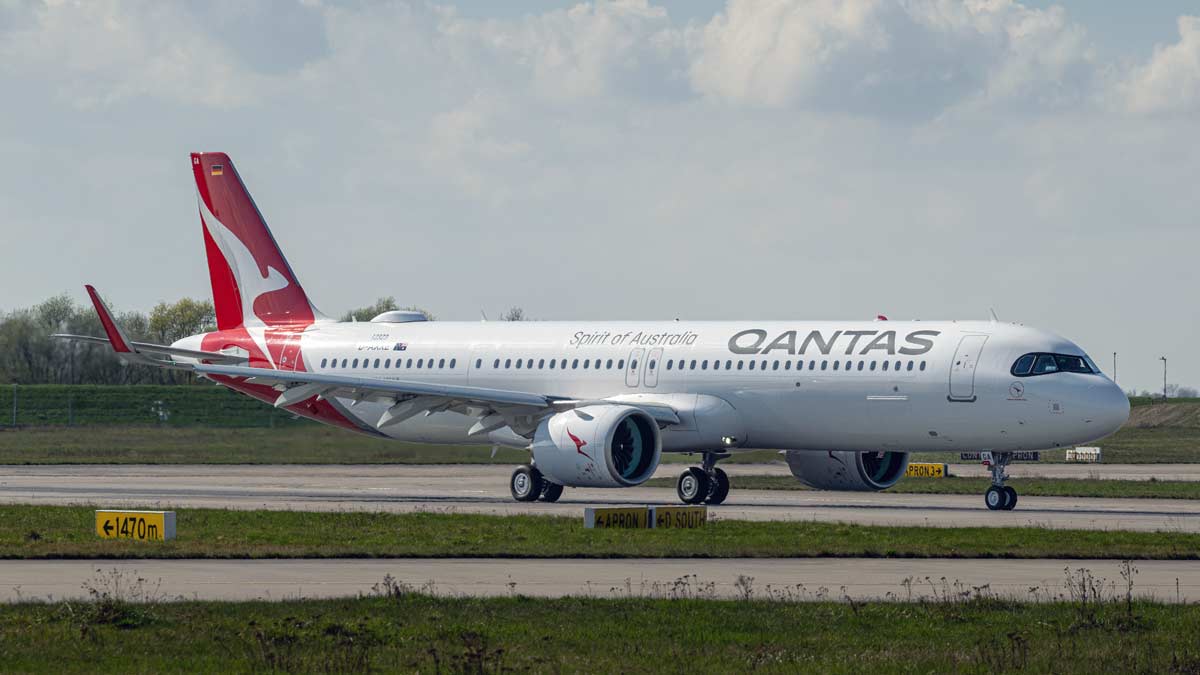
Jet fuel is typically an airline’s largest or second-largest variable cost. When prices surge, carriers are faced with two primary options: pass the costs directly to consumers through fuel surcharges or reduce the number of flights to lower total fuel burn. Qantas appears to be utilizing a combination of both, though the emphasis on capacity reduction suggests a desire to maintain high "load factors"—the percentage of available seats filled by paying passengers. By operating fewer flights but ensuring those flights are near maximum capacity, the airline can optimize its fuel efficiency per passenger-kilometer.
Energy analysts warn that the current crisis is exacerbated by "crack spreads"—the difference between the price of crude oil and the price of refined products like jet fuel. Due to limited global refining capacity and supply chain disruptions linked to the conflict, the cost of jet fuel has remained disproportionately high compared to raw crude, placing an additional burden on the aviation sector.
Government Intervention and National Fuel Security
The severity of the fuel supply situation has prompted the Australian federal government to take direct action to shore up the nation’s reserves. Trade Minister Don Farrell recently announced that the government has secured emergency shipments totaling 100 million liters of jet fuel, specifically earmarked for major hubs in Perth and Brisbane. Additionally, 50 million liters of diesel have been secured for Darwin to support essential transport and logistics sectors.
This intervention highlights a long-standing vulnerability in the Australian economy: its heavy reliance on imported fuel. Australia consumes approximately 10 billion liters of jet fuel annually, with more than 80% of that volume sourced from international refineries. China remains a critical partner in this supply chain, accounting for roughly one-third of Australia’s jet fuel imports. While recent signals from Beijing suggest a potential increase in export quotas, which could provide some relief to the Pacific market, the Australian government’s decision to intervene directly suggests that market forces alone were insufficient to guarantee short-term stability.

The secured fuel shipments are intended to provide a "buffer" for the aviation industry, ensuring that even if global supply chains face further shocks, domestic connectivity and international gateways remain operational. However, Minister Farrell noted that while these shipments provide confidence, they do not necessarily guarantee a reduction in retail ticket prices, as the global market price for fuel remains the dominant factor in airline pricing models.
International Network Realignment: The Pivot to Europe
While domestic and trans-Tasman routes are being trimmed, Qantas is simultaneously reconfiguring its international network to capitalize on specific areas of high demand. Overall international capacity is expected to dip by approximately 2% through early 2027, but this figure masks a significant internal redeployment of aircraft.
The most notable trend is the surge in demand for European travel. As geopolitical tensions make traditional Middle Eastern transit hubs—such as Dubai, Doha, and Abu Dhabi—less attractive to some travelers, Qantas is seeing a windfall in its direct and semi-direct "Western" routes. In response, the airline has extended its seasonal Perth–Rome service through to late October. Furthermore, the Sydney–Paris service, which operates via Singapore, will continue to see high frequency, adding an estimated 2,000 extra seats per week to the European sector.
By focusing on these high-yield, long-haul routes, Qantas is effectively following the money. Travelers are currently showing a willingness to pay a premium for routes that avoid perceived conflict zones, allowing Qantas to maintain strong margins on its ultra-long-range fleet, including the Boeing 787 Dreamliner and the Airbus A330.
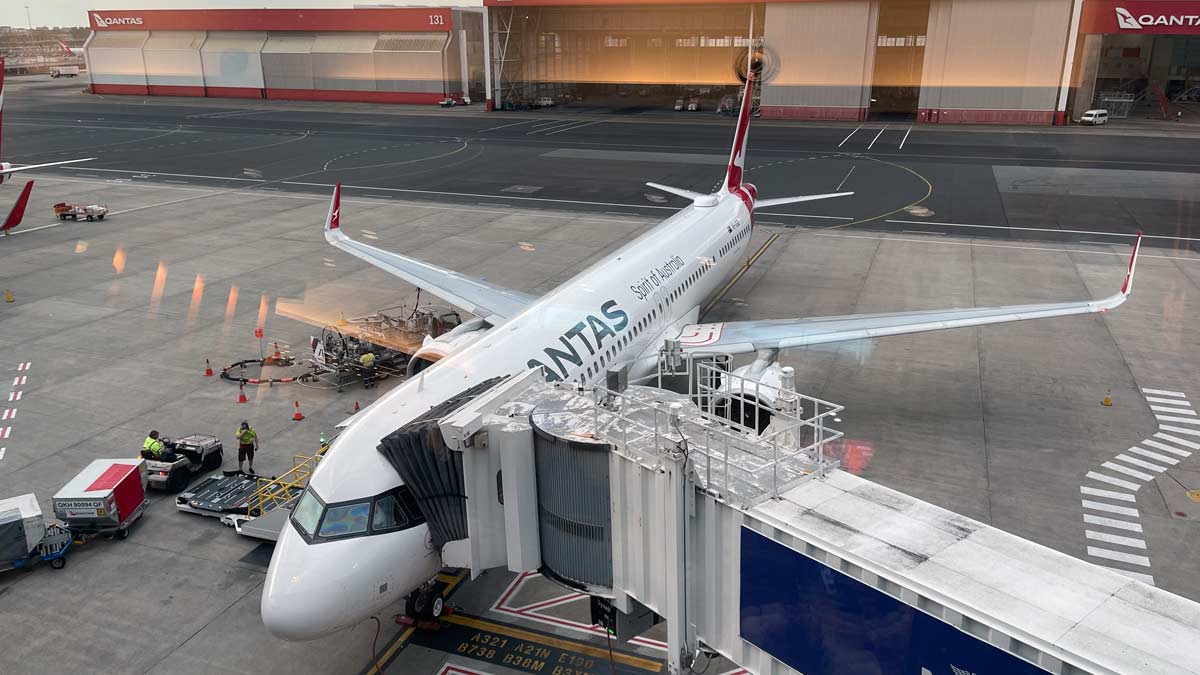
Conversely, routes where demand has softened or where competition is more intense are being paused. The Sydney–Bengaluru service, a key link for the technology and education sectors, will be suspended from August 2026 before a planned return in late October. This "seasonalizing" of routes allows the airline to move its most fuel-efficient aircraft to the routes where they can generate the highest revenue per seat.
Regional Comparisons and Industry Trends
Qantas is not the only carrier in the Asia-Pacific region tightening its belt. The move reflects a broader industry trend toward caution as the "revenge travel" surge of 2023–2024 begins to normalize into a more price-sensitive environment. Fiji Airways recently announced the cancellation of its non-stop service between Nadi and Dallas, citing the unsustainable combination of high fuel costs and fluctuating demand on the long-haul route.
However, the landscape is not one of universal retreat. While Qantas and Jetstar are trimming, Middle Eastern giants like Emirates are doubling down on the Australian market. Emirates has announced plans to increase its Melbourne service to double-daily and is reinstating its full Brisbane schedule. This creates a fascinating competitive dynamic: while the Australian national carrier pulls back to protect its margins, international competitors with different fuel-hedging strategies and state-backed structures are moving in to capture the market share left behind.
Implications for the Traveling Public
For the average Australian traveler, the extension of these capacity cuts translates into a more challenging booking environment. The reduction in domestic frequencies—particularly on "Golden Triangle" routes (Sydney–Melbourne–Brisbane)—means that the flexibility of "turning up and flying" is diminished. Business travelers, who often rely on high-frequency schedules to accommodate changing meeting times, will likely feel the impact most acutely.

From a pricing perspective, the laws of supply and demand suggest that airfares will remain elevated. With 5% fewer seats in the domestic market, the "floor" price for tickets is likely to rise. This is compounded by the fact that Qantas is increasingly focusing on its "Economy Plus" offerings, which provide extra legroom and amenities for a higher fee. By converting rows of standard economy into premium-lite seating, the airline can generate more revenue from a smaller total number of passengers.
Chronology of the 2026 Aviation Adjustments
- April 2026: Qantas first flags concerns regarding Middle East instability and rising fuel prices. Initial domestic capacity cuts of 5% are announced for May and June.
- May 2026: Fuel prices hit a 12-month high. The Australian government begins negotiations for emergency fuel shipments.
- June 2026: Qantas confirms the extension of cuts through September. Jetstar announces parallel reductions.
- July 2026 (Projected): Emergency fuel shipments arrive in Perth, Brisbane, and Darwin.
- August 2026: Sydney–Bengaluru service is paused; aircraft are redeployed to support extended Rome and Paris schedules.
- September 2026: Review period for domestic capacity. Analysts expect a decision on whether to extend cuts into the Christmas peak.
The Path Forward: Capacity Discipline as the New Normal
The strategy currently employed by Qantas CEO Vanessa Hudson and her leadership team is one of "rationalized growth." In a departure from the pre-pandemic era, where airlines often engaged in "capacity wars" to drive out competition, the current focus is on financial resilience. By trimming 5% of its domestic flying, Qantas is signaling to the market that it will not chase volume at the expense of profitability.
This approach is likely to be viewed favorably by shareholders, particularly given the projected $800 million fuel hit. However, it places the airline in a delicate position with the public and the government. As the recipient of significant taxpayer support during the pandemic, Qantas remains under intense scrutiny regarding its service standards and pricing.
As the winter slowdown takes hold, the Australian aviation sector stands at a crossroads. The ability of the national carrier to navigate these headwinds will depend largely on factors beyond its control: the duration of the Middle East conflict, the stability of Chinese fuel exports, and the continued appetite of Australians for high-cost international travel. For now, the message from Qantas is clear: the era of cheap, abundant domestic flights has been grounded by the realities of global geopolitics.




 Anjar Salim
 Chandra Hamzah
 Tatiana Tantri Indah Sari
 Lukman Taruna Persada Ramadan
