
 Budi Mulyono
The modern travel landscape is increasingly defined by a tension between the desire for comprehensive exploration and the physical limitations of the human body. As international tourism rebounds to pre-pandemic levels, a growing consensus among travel experts and long-term voyagers suggests that the most effective way to maintain the quality of a trip is the proactive integration of "rest" or "chill" days. While the temptation to maximize every hour of a vacation remains high, particularly in high-density destinations across Europe and Asia, the strategic decision to schedule periods of inactivity is emerging as a vital component of sustainable travel management. This approach addresses the physiological demands of transit, the psychological impact of sensory overload, and the logistical unpredictability inherent in global movement.
The Evolution of Itinerary Planning: From Sightseeing to Experience Management
Historically, tourism was often viewed through the lens of "conquest"—a race to visit as many landmarks, museums, and historical sites as possible within a narrow window of time. This "checklist" approach to travel, however, frequently leads to a phenomenon known as travel burnout. According to recent tourism industry surveys, approximately 40% of travelers report feeling "exhausted" by the mid-point of a trip lasting longer than ten days.

In response, a shift toward "slow travel" has begun to influence how itineraries are constructed. The concept of the "proactive rest day" is a cornerstone of this movement. Unlike a reactive rest day, which occurs only after a traveler has reached a point of total exhaustion or illness, a proactive rest day is built into the schedule from the outset. This ensures that the traveler remains in a state of high engagement throughout the journey, rather than experiencing a declining rate of enjoyment as the trip progresses.
The Physiology of Travel Fatigue: Understanding the Cognitive Load
The necessity of rest days is supported by physiological data regarding the toll that travel takes on the human body. Long-haul flights, changes in time zones, and the constant navigation of unfamiliar environments induce a state of heightened cortisol production. This "travel stress" is often exacerbated by the physical demands of urban exploration. In major metropolitan hubs like Rome, Tokyo, or Paris, it is not uncommon for tourists to walk between 15,000 and 25,000 steps per day—nearly triple the average daily activity level of a sedentary office worker.
Beyond the physical exertion, the cognitive load of travel is significant. Travelers must constantly process new languages, currencies, social norms, and transportation systems. Psychologists specializing in "leisure science" note that this constant state of high-alert processing can lead to decision fatigue. When a traveler is over-scheduled, their ability to appreciate the nuances of a destination diminishes. By Day 7 or Day 8 of an intensive trip, the brain’s ability to form vivid, long-term memories is often compromised by the sheer volume of incoming data. A planned rest day serves as a "buffer" that allows the nervous system to recalibrate and the brain to consolidate the experiences of the preceding days.

The Logistics of the Buffer: Managing Unforeseen Disruptions
One of the most practical arguments for the integration of rest days involves the inherent instability of global logistics. In the current travel climate, flight cancellations, rail strikes, and technical delays have become common occurrences. According to data from flight tracking services, major international hubs saw a 20% increase in significant delays during the 2023-2024 peak travel seasons compared to five years prior.
When an itinerary is packed "back-to-back" without any margin for error, a single delayed flight or a minor illness can cause a cascading failure of the entire trip. Reservations are missed, non-refundable deposits are forfeited, and the traveler is forced into a state of high-stress crisis management. Conversely, a built-in rest day provides a "logistical safety net." If a traveler loses a day to a transportation mishap, the rest day can be sacrificed to get the trip back on track without losing a primary sightseeing opportunity. If no such mishap occurs, the rest day remains available for its original purpose: recuperation.
The Concept of the Urban Flâneur: Finding Value in Unstructured Exploration
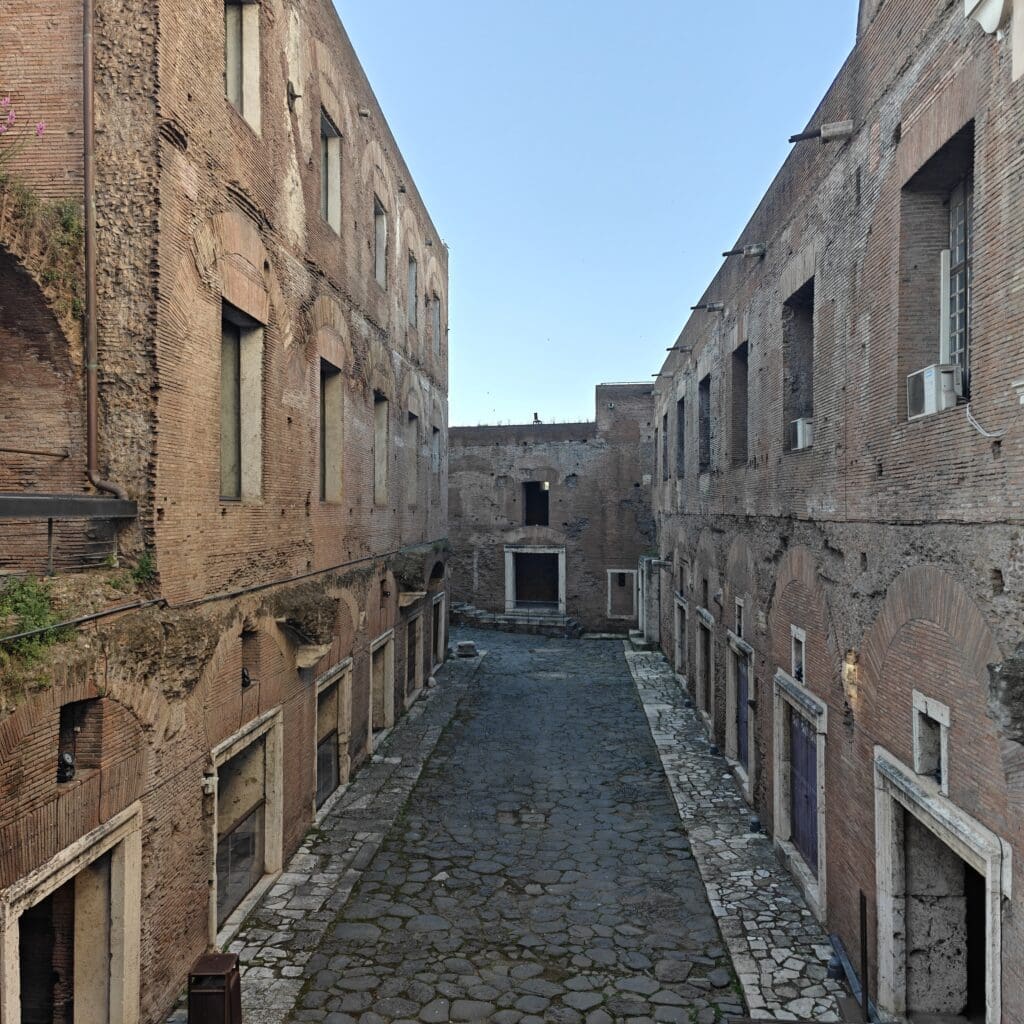
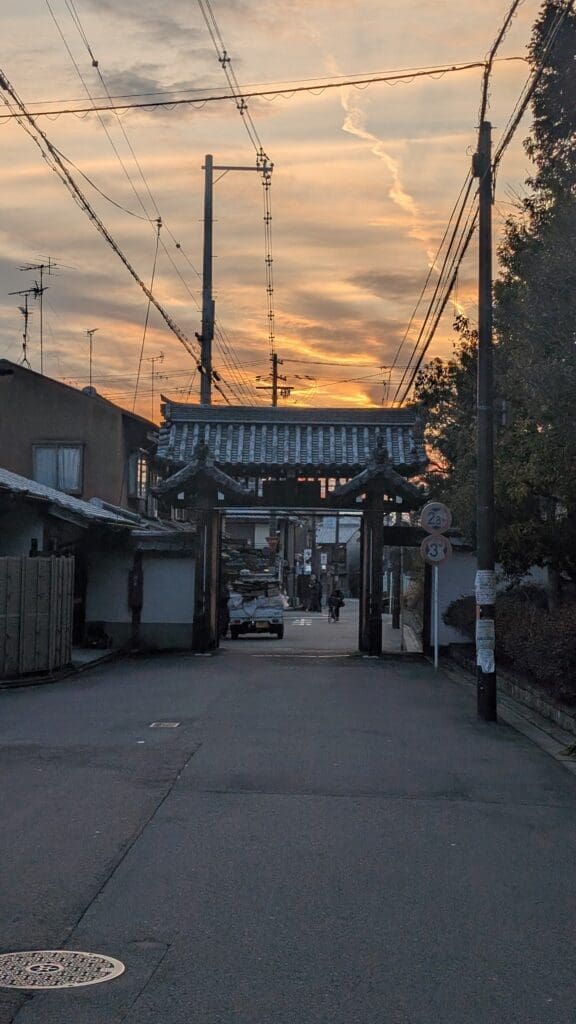
While a rest day can involve staying in a hotel or rental property, it is often more effectively utilized through the concept of "wandering." Derived from the 19th-century French term flâneur, this refers to the act of strolling through a city without a specific destination or deadline.

In the context of modern travel, this unstructured time often leads to the most memorable and authentic experiences. Without the pressure to reach a museum before it closes or to find a specific highly-rated restaurant, travelers are more likely to observe the daily life of the local population. This might involve sitting in a public park, visiting a neighborhood grocery store, or discovering a small, unlisted gallery. These "chill days" provide the perspective necessary to transition from a "tourist" (one who views a place) to a "traveler" (one who experiences a place).
Chronology of a High-Intensity Trip vs. a Balanced Itinerary
To understand the impact of rest days, it is helpful to examine the typical chronology of a multi-week journey:
- Days 1-3 (The Honeymoon Phase): High adrenaline and excitement. The traveler ignores physical cues of tiredness to maximize the "newness" of the destination.
- Days 4-6 (The Accumulation Phase): Physical soreness begins to set in. The initial excitement is replaced by a routine of movement. Sensory input begins to blur.
- Day 7 (The Threshold): In a high-intensity itinerary, this is often where "traveler’s irritability" begins. In a balanced itinerary, this is the ideal placement for the first proactive rest day.
- Days 8-14 (The Sustainability Gap): Travelers without rest days often report that they "can’t wait to get home" by this point. Travelers with built-in rest days typically maintain a steady level of enthusiasm and curiosity.
Expert Perspectives and Industry Responses
Travel industry analysts have begun to take note of these shifting habits. Hospitality brands, particularly those catering to digital nomads and long-term travelers, are redesigning their spaces to accommodate "rest days." The rise of "lifestyle hotels" that emphasize communal lounges, high-quality bedding, and on-site wellness facilities reflects a market response to the demand for recuperative spaces.
"The goal of a vacation should not be to return home needing another vacation to recover," says Dr. Elena Rossi, a consultant in travel psychology. "We are seeing a significant correlation between ‘itinerary density’ and ‘post-travel blues.’ When travelers push themselves to the point of exhaustion, the positive psychological effects of the trip evaporate almost immediately upon return. Proactive resting preserves the ‘hedonic benefits’ of the travel experience."
Furthermore, tour operators are increasingly offering "modular" itineraries that allow for free days. Rather than 14 days of guided tours, modern luxury packages often feature a "4-1-4" structure: four days of activity, one day of complete autonomy, and another four days of activity. This structure has been shown to increase customer satisfaction scores by over 15%.
Broader Impact and the Future of Sustainable Tourism
The movement toward integrating rest days also has broader implications for sustainable tourism. Overtourism is often driven by "peak-hour" surges at major landmarks. When travelers are on a rigid, high-speed schedule, they all tend to converge on the same sites at the same times. By encouraging "chill days" and unstructured wandering, tourism boards can effectively disperse the "footprint" of visitors across a wider area and a longer timeframe. This reduces the strain on local infrastructure and provides economic benefits to neighborhood businesses that are off the main tourist trail.
Moreover, as the "work-from-anywhere" culture continues to evolve, the line between "travel" and "life" is blurring. For the millions of individuals now engaged in "workations," the concept of the rest day is not just a luxury but a professional necessity. Balancing a 40-hour work week with international exploration requires a level of schedule discipline that prioritizes downtime as much as activity.
Conclusion: The "Game-Time Decision" and the Power of Flexibility
Ultimately, the greatest benefit of a proactively scheduled rest day is the gift of flexibility. As many experienced travelers note, a rest day does not mandate inactivity; rather, it provides the option of inactivity. It allows for "game-time decisions" based on the traveler’s current state of mind and body.
If, upon reaching the scheduled rest day, the traveler feels energized and inspired, the day can be used to revisit a favorite market, attend a local festival, or take a spontaneous day trip to a nearby village. If, however, the traveler feels the weight of the previous week’s journey, they can rest without the guilt of "wasting" a planned activity. By carving out time to do nothing, travelers often find they have gained the clarity and energy to do everything they actually want to do. In the complex architecture of a successful trip, the "rest day" is the foundation that allows the rest of the experience to stand.




 Anjar Salim
 Chandra Hamzah
 Tatiana Tantri Indah Sari

