
 Anjar Salim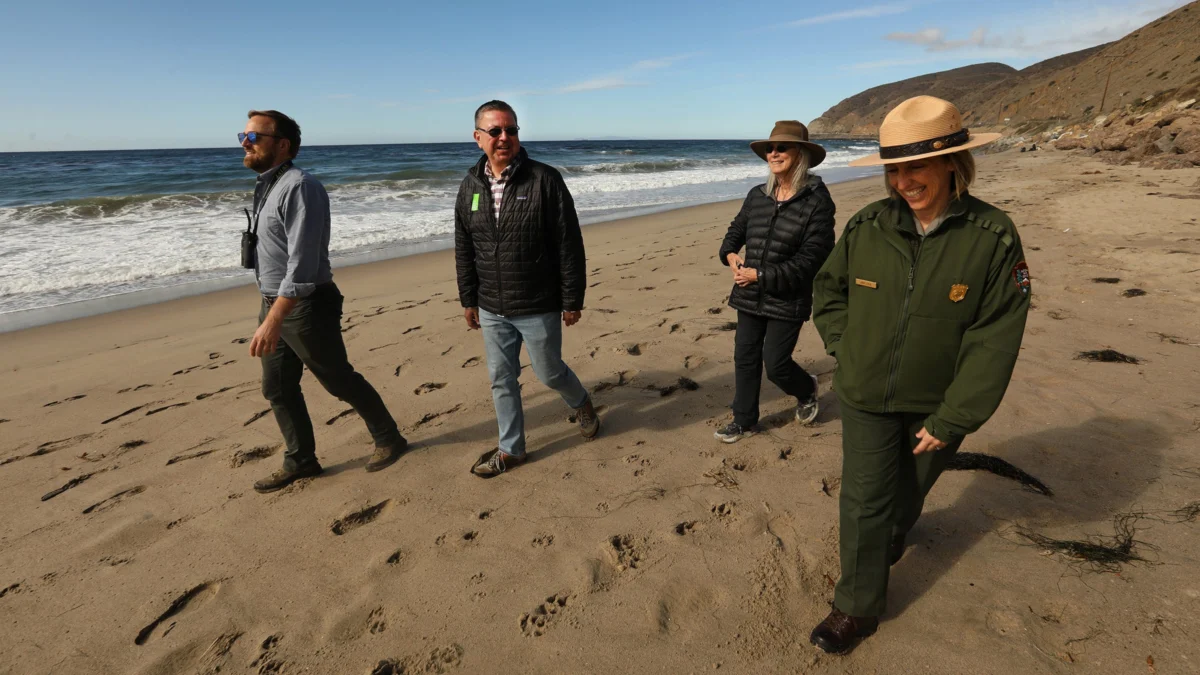
In an era defined by fluctuating federal priorities and a concerted effort by the Trump administration to scale back environmental regulations, the map of America’s public lands is paradoxically growing through the persistent efforts of a diverse coalition of conservationists, state governments, and local communities. While the executive branch has moved to strip protections, reopen vast acreages to industrial development, and implement visitor-facing budget realignments within the National Park Service, public land advocates have successfully secured significant victories. These acquisitions demonstrate that the American public’s appetite for conservation remains robust, even when the political winds in Washington, D.C., blow toward extraction and privatization.
The state of public lands in 2026 is a study in contrasts. On one hand, federal policy has shifted toward the "God Squad" approach to environmental management, often prioritizing oil drilling and resource extraction over habitat preservation. On the other hand, the Trust for Public Land (TPL) and its partners report a surge in localized conservation efforts. David Patton, vice president and managing director of the Center for Community Impact at TPL, emphasizes that the grassroots demand for high-quality outdoor spaces has never been stronger. This demand is underpinned by staggering economic data: as of 2025, the outdoor recreation economy contributes $1.2 trillion to the U.S. Gross Domestic Product (GDP) and supports over five million jobs. In that same year, the National Park System saw 331.9 million visitors, a near-record figure that highlights the cultural and social value Americans place on their shared landscapes.
The Financial Engine of Modern Conservation
The expansion of public lands is not merely a matter of ideology; it is a matter of sophisticated financial engineering. The primary vehicle for federal land acquisition remains the Land and Water Conservation Fund (LWCF). Established by Congress in 1964, the fund was designed to ensure that the development of offshore energy resources would directly fund the preservation of onshore natural resources. In 2020, the Great American Outdoors Act (GAOA) provided a watershed moment for the fund by mandating permanent, mandatory funding of $900 million annually. This funding is derived from royalties paid by energy companies for offshore oil and gas drilling, creating a "virtuous cycle" where extractive revenues are reinvested into environmental stewardship.
However, as federal priorities have become more volatile, states have pioneered their own funding mechanisms to ensure conservation continues regardless of the national political climate. Great Outdoors Colorado (GOCO), for instance, utilizes a portion of state lottery proceeds to fund land protection. Washington’s Wildlife and Recreation Program relies on state-issued bonds, while Tennessee has implemented a dedicated share of real-estate recordation taxes to fund its Local Parks and Recreation Fund. These models provide a buffer against federal budget cuts and allow states to move quickly when high-priority parcels become available on the private market.
At the local level, voters have shown a remarkable willingness to tax themselves for the sake of green space. Since 1996, TPL has assisted in the passage of 687 ballot measures, generating more than $112 billion in voter-approved funding. This local commitment suggests that for many Americans, the protection of nearby forests, trails, and coastal access is viewed as an essential component of municipal infrastructure and quality of life.
Coastal Preservation: The Case of Deer Creek Beach
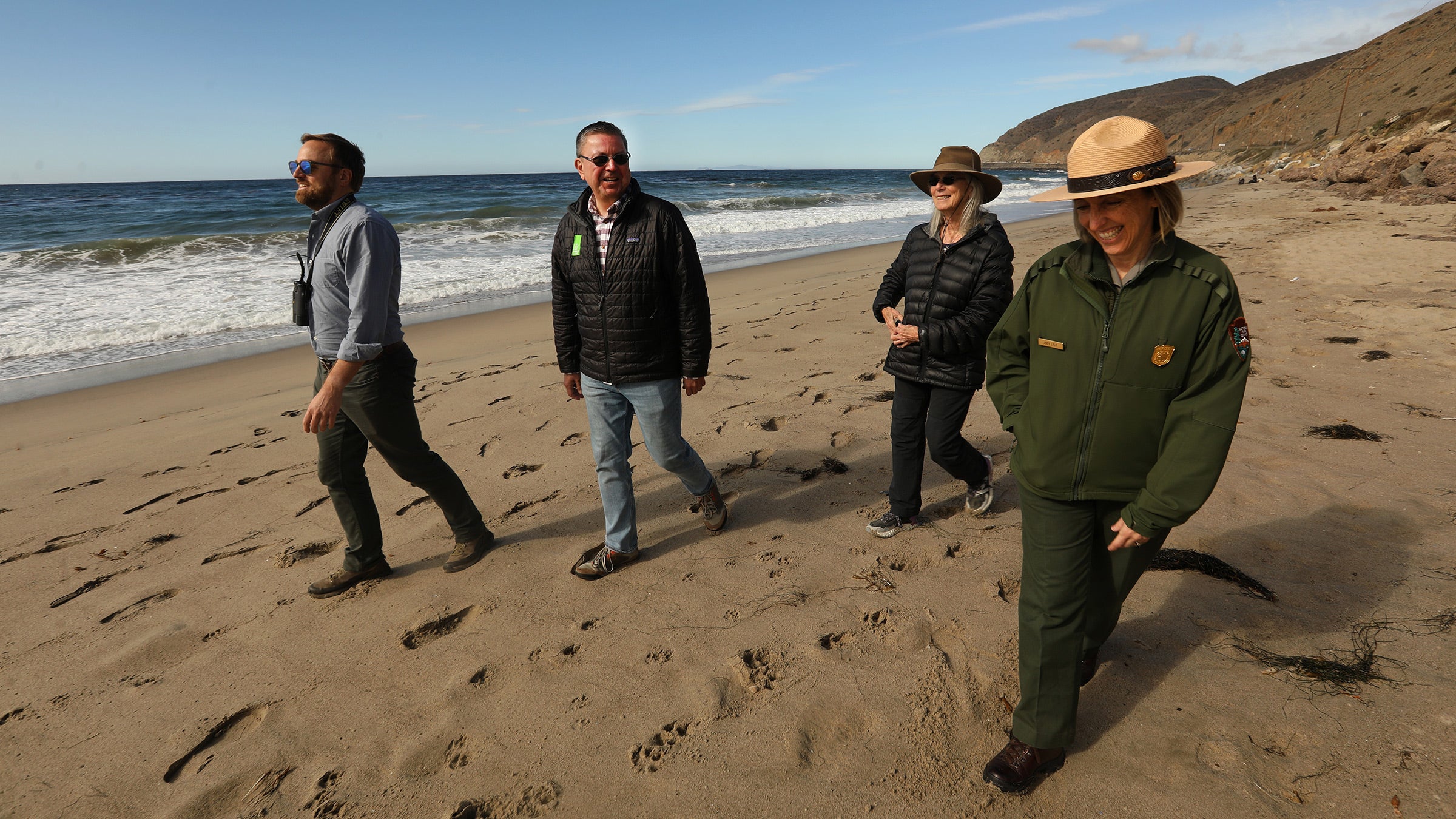
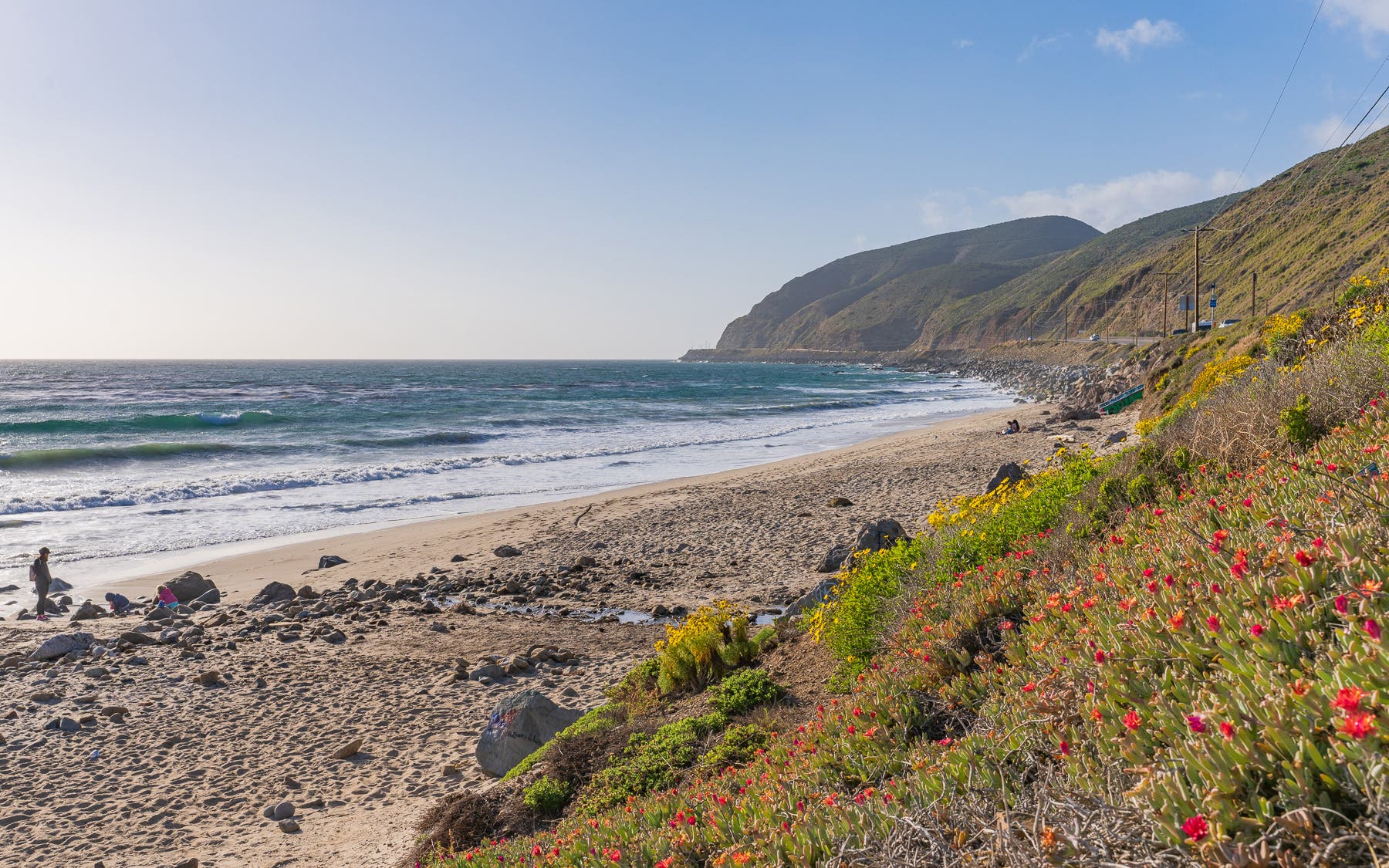
One of the most significant conservation achievements of 2025 was the resolution of a decades-long struggle to protect the California coastline. In February, conservationists announced the successful acquisition of Deer Creek Beach, a 1,241-acre parcel near Malibu. This stretch of land represented the last remaining undeveloped coastline in the region, a prime mountain-to-sea habitat that serves as a corridor for apex predators like cougars.
The $27.7 million purchase was the culmination of over twenty years of litigation and advocacy. The project required a complex partnership between the Santa Ynez Band of Chumash Indians, the Santa Monica Mountains Conservancy, the National Park Foundation, and the TPL. By adding this land to the Santa Monica Mountains National Recreation Area, the National Park Service has ensured that the two miles of untouched shoreline will remain open to the eight million residents of the Los Angeles and Ventura county areas. Furthermore, the acquisition secures a vital link for the proposed 70-mile Coastal Slope Trail, which aims to connect Point Mugu and Topanga State Parks.
The Working Forest Model in the Mountain West
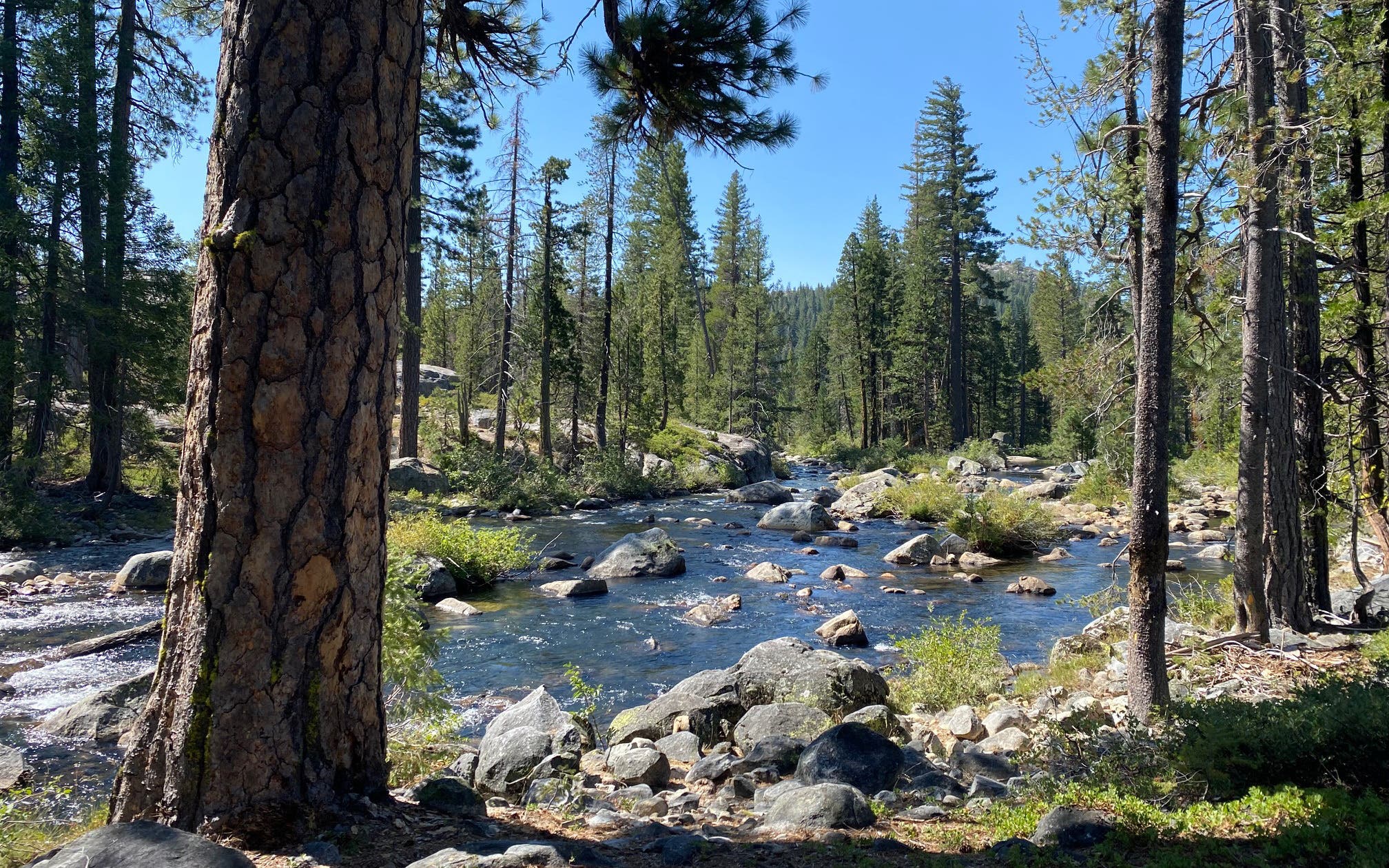
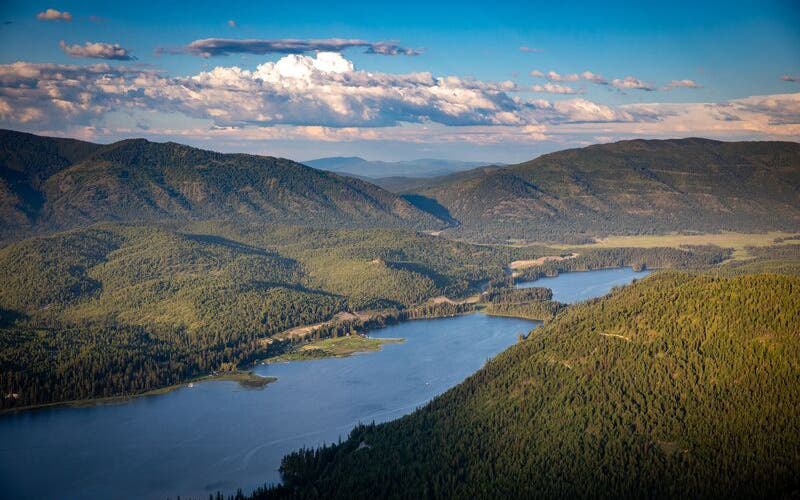
In the interior West, conservation is taking a "non-traditional" form through the use of conservation easements on working forests. In December 2025, the Montana Great Outdoors Project announced the protection of 53,000 acres of forest land near Glacier National Park. This followed an earlier phase that secured 33,000 acres. Unlike traditional wilderness areas, these lands remain "working forests," where sustainable timber harvesting continues, but the land is permanently protected from subdivision and development.
This model, brokered between the TPL, Montana Fish, Wildlife, and Parks, and the Green Diamond Resource Company, ensures that popular hunting grounds and timber-related jobs remain intact while preventing the "checkerboarding" of the landscape that often leads to habitat fragmentation. Similar deals in northern Idaho, involving the Spirit of Mount Spokane Forest Legacy Project and Stimson Lumber, have protected an additional 32,000 acres, preserving the region’s traditional outdoor lifestyle against the pressure of luxury mountain home development.
Strategic Connectivity in Arizona and the Pacific Northwest
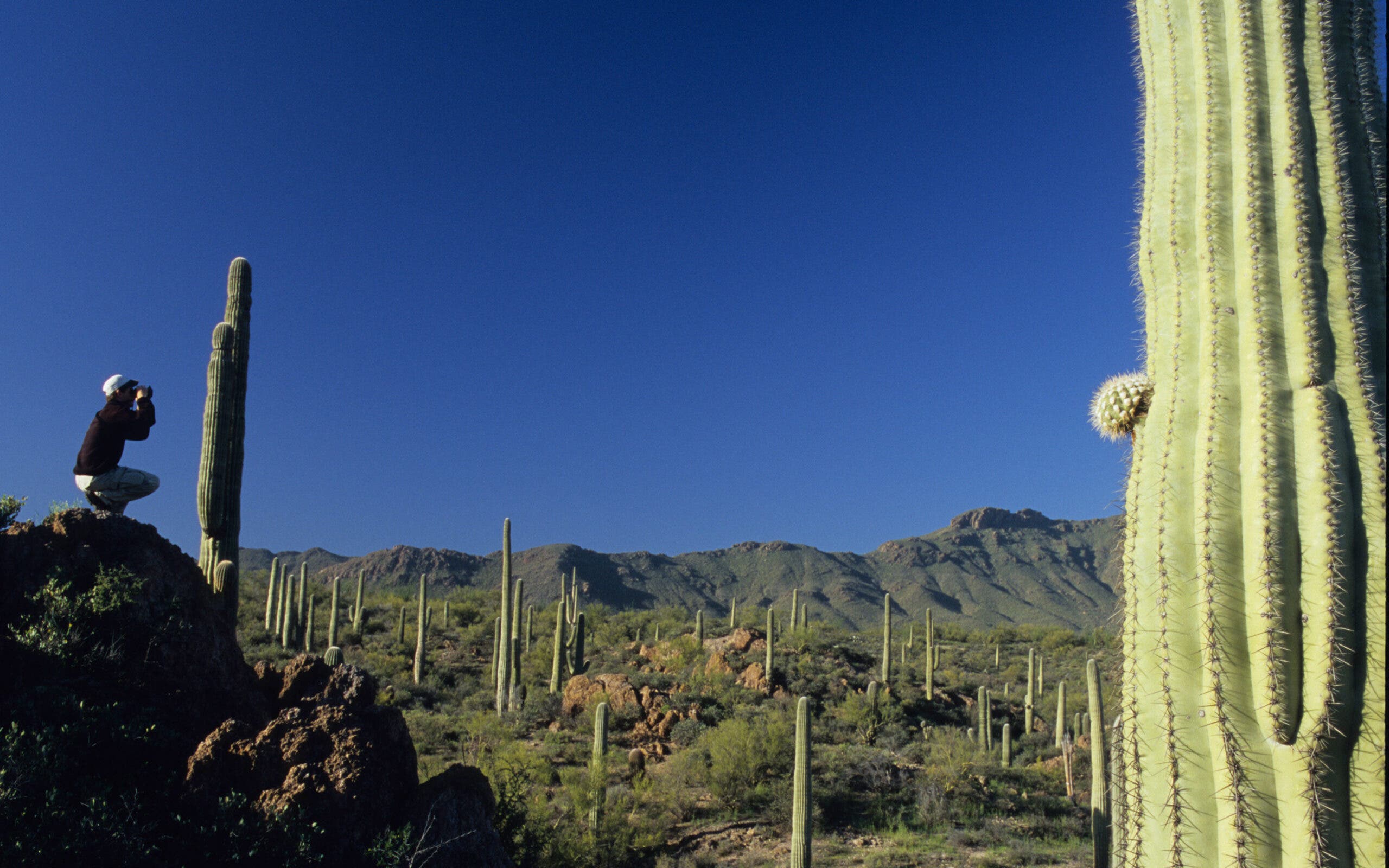
In the arid Southwest, the focus has shifted toward "connectivity"—ensuring that existing parks are not isolated islands of nature surrounded by suburban sprawl. In April and December 2025, Pima County, Arizona, used LWCF funds to acquire 67 acres adjacent to Saguaro National Park. While the acreage is modest compared to the vast forests of the North, its strategic value is immense. The purchase secured a public access corridor between the national park and the Sweetwater Preserve, a 900-acre network of trails. By protecting this land, the county has safeguarded the iconic saguaro cactus and maintained a contiguous habitat for desert wildlife in a region experiencing rapid population growth.
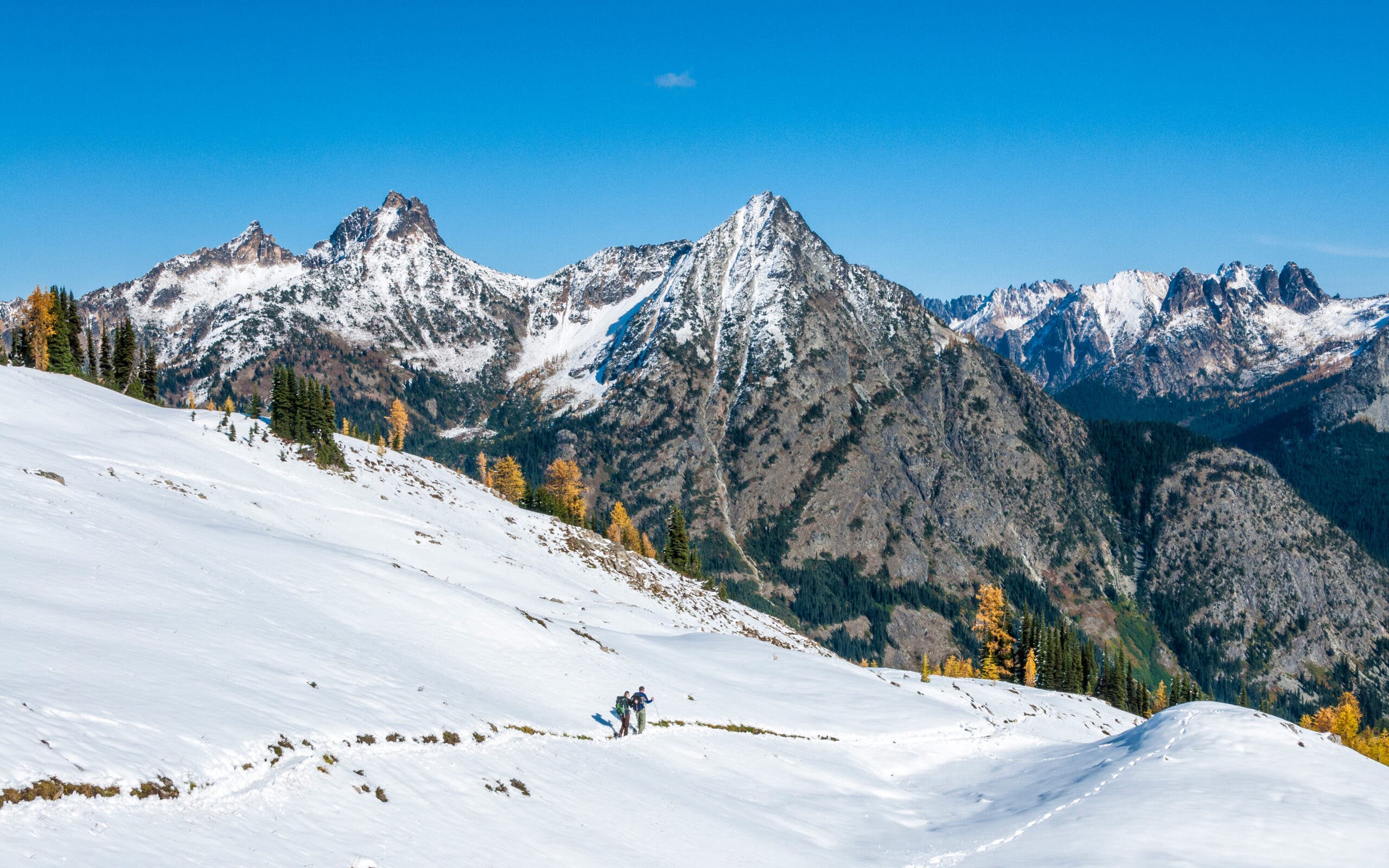
In Washington State, the Okanogan-Wenatchee National Forest saw an expansion of 11,520 acres in early 2026. This $22 million deal targeted the Upper Wenatchee watershed, a critical area for the region’s water supply and outdoor economy. The acquisition was particularly important for wildfire management. Patton noted that the previous "checkerboard" ownership of the watershed—where private and public parcels alternated—made it nearly impossible to implement cohesive fire mitigation strategies. By consolidating these lands under federal management, the Forest Service can better protect the Columbia River Valley from the increasing threat of catastrophic blazes.
New Frontiers in the Southeast and the Caribbean
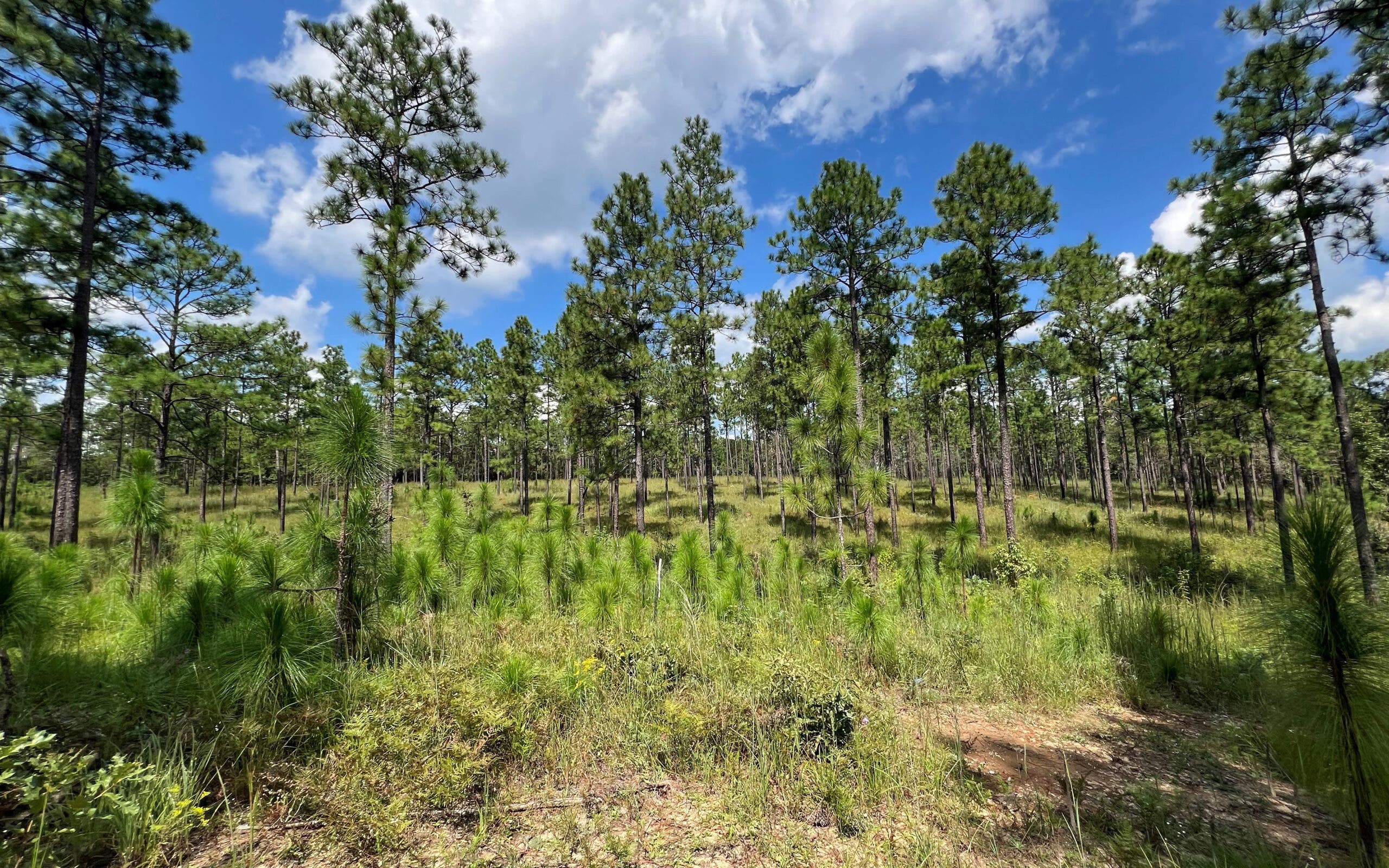
The Southeast has also seen a resurgence in state-led conservation. Louisiana, utilizing the Louisiana Outdoors Forever Program established in 2022, created two new Wildlife Management Areas (WMAs): the Bogue Chitto WMA and the Flatwoods Savanna WMA. These areas protect old-growth longleaf pine ecosystems and ensure public access for hunting and fishing. Additionally, the state expanded Bogue Chitto State Park by 45 percent, protecting 800 acres along one of the state’s most biodiverse rivers.
Perhaps the most culturally significant expansion occurred in the U.S. Virgin Islands. In the summer of 2025, the Maroon Sanctuary Territorial Park was established on St. Croix. Covering 2,469 acres—four percent of the island’s landmass—the park preserves "Maroon Country," where enslaved people sought refuge in the 18th century. Funded by an Inflation Reduction Act grant through the National Oceanic and Atmospheric Administration (NOAA), the park represents a new model for territorial land management, focusing equally on ecological preservation and the protection of cultural history.
Analyzing the Broader Impact: A Shift in Stewardship
The recent successes in land conservation suggest a shift in the American conservation movement. As federal agencies like the Bureau of Land Management and the National Park Service face potential budget cuts and leadership changes that prioritize industry, the "front line" of conservation has moved to the state and local levels. This decentralization of stewardship has several implications:
- Economic Resilience: Communities are increasingly viewing public lands as economic infrastructure. The $1.2 trillion outdoor recreation economy is a powerful counter-argument to the narrative that conservation hinders growth.
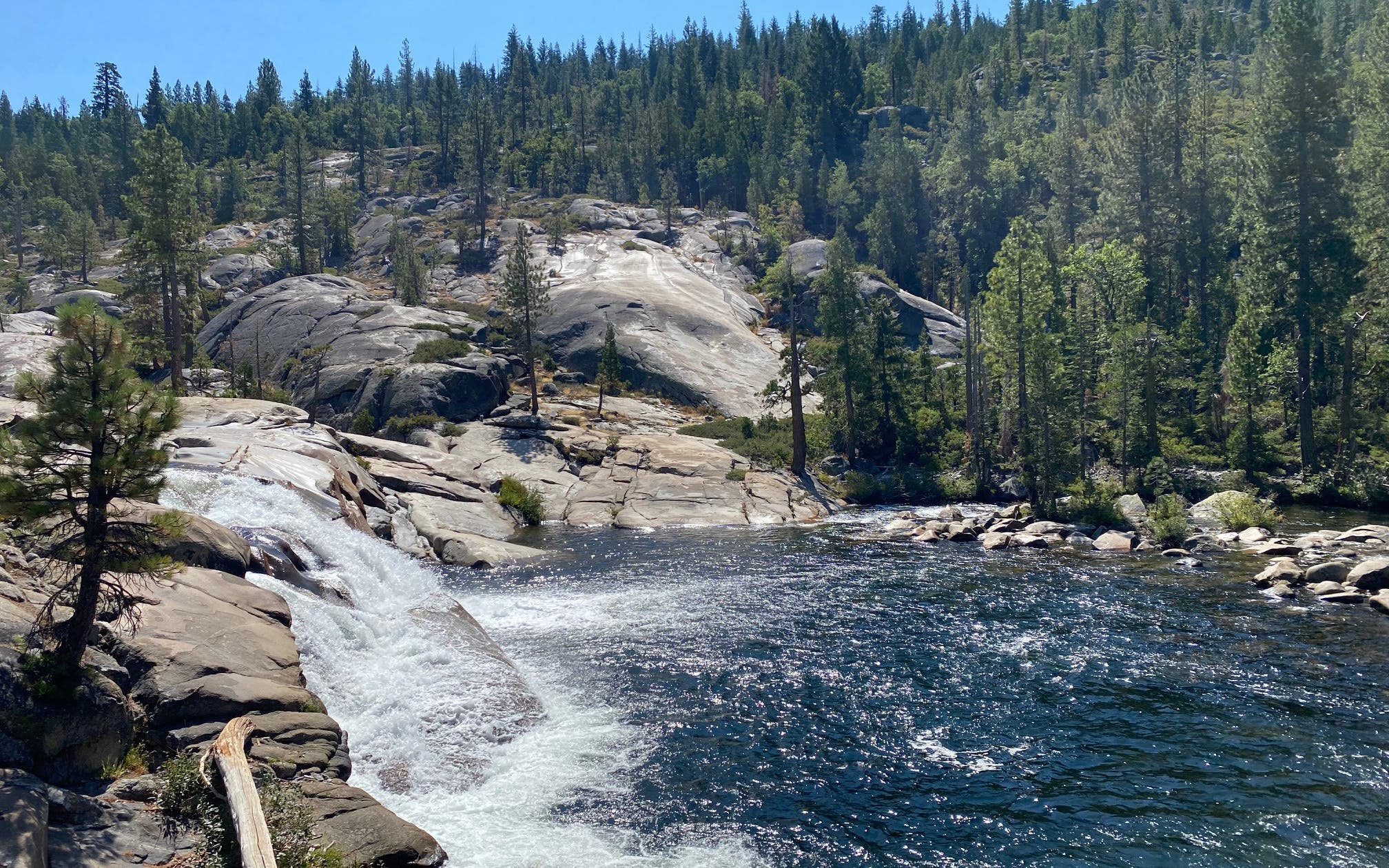
- Climate Mitigation: Many of the recent acquisitions, such as the Tahoe National Forest expansion and the Upper Wenatchee watershed project, specifically target water resources and wildfire corridors, indicating that land protection is being used as a tool for climate adaptation.
- Social Equity: Projects like Deer Creek Beach and the Maroon Sanctuary highlight a growing emphasis on providing outdoor access to diverse populations and protecting lands with deep historical and cultural significance.
Despite these victories, the challenges remain formidable. Proposals to transfer federal lands to state ownership for the purpose of eventual sale or development continue to circulate in Washington. Furthermore, the realignment of the National Park Service budget toward "visitor-facing" services at the expense of back-country conservation and biological research poses a long-term threat to the integrity of existing parks.
However, the events of 2025 and early 2026 suggest that the "very idea of conservation," as Patton described it, is deeply resilient. By diversifying funding sources and building broad-based coalitions that include tribal nations, private industry, and local taxpayers, the conservation movement has found a way to expand the American commons even during a period of federal retrenchment. As Patton concluded, "The fact is, we need more public lands, not less." The recent additions to the national map are a testament to that necessity and to the enduring public will to see it realized.



 Chandra Hamzah
 Tatiana Tantri Indah Sari
 Budi Mulyono
