
 Walid Sujud Trenggono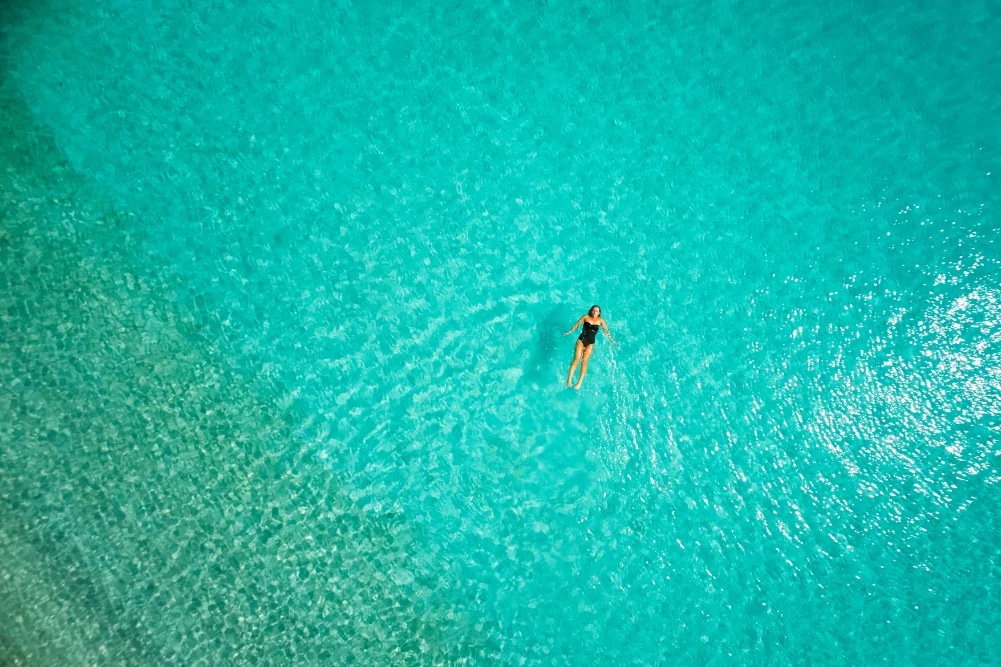
The cruise industry in the Asia-Pacific region has undergone a significant transformation, evolving from a traditional leisure sector into a primary vehicle for the burgeoning "wellness tourism" market. As modern professionals increasingly report high levels of burnout and digital fatigue, the South Pacific cruise—historically valued for its scenic beauty—is being repositioned as a strategic tool for mental health restoration and psychological "resetting." This shift comes at a time when the Cruise Lines International Association (CLIA) reports a record-breaking surge in passenger numbers, with Australia maintaining one of the highest cruise penetration rates globally. The confluence of maritime travel and wellness reflects a broader societal trend: the move away from high-intensity tourism toward "slow travel," a philosophy that emphasizes presence, cultural immersion, and biological synchronization with natural environments.
Historical Context and the Resurgence of Regional Tourism
The South Pacific has long been a focal point for maritime exploration, but its role in the modern cruise industry was solidified in the late 20th century as infrastructure in nations like Vanuatu, Fiji, and New Caledonia expanded to accommodate large-scale vessels. Following the global hiatus in maritime travel between 2020 and 2022, the industry has seen a robust recovery. According to industry data, the Australian cruise sector contributed over $5.6 billion to the national economy in the 2022-2023 financial year, supporting thousands of jobs and revitalizing regional ports that rely on transit tourism.
The appeal of the South Pacific lies in its geographic isolation and its preservation of "blue spaces"—environments characterized by the presence of water. Environmental psychologists have long argued that proximity to the ocean can lower cortisol levels and improve heart rate variability. By leveraging these natural assets, cruise lines such as Carnival Australia have tailored their itineraries to maximize exposure to these restorative elements, moving beyond mere transportation to provide a structured environment for holistic recovery.
The Chronology of the Modern Maritime Reset
The experience of a South Pacific cruise is structured to facilitate a gradual transition from the high-stress environment of urban life to a state of physiological rest. This process typically begins with the departure from major hubs such as Sydney or Brisbane, where the initial days at sea serve as a critical "decompression" phase.
During the first 48 hours of a voyage, the absence of traditional stressors—such as traffic, work-related notifications, and domestic chores—allows the nervous system to shift from a sympathetic (fight-or-flight) state to a parasympathetic (rest-and-digest) state. This transition is supported by the rhythmic nature of the ocean and the expansive horizons, which provide a visual "soft fascination" that restores directed attention, a concept central to Attention Restoration Theory (ART).

The mid-point of the journey involves land-based excursions, where the focus shifts from internal reflection to external engagement. Stops at locations like Mystery Island or Port Vila provide opportunities for "purposeful exploration." Unlike traditional rapid-fire sightseeing, modern shore excursions are increasingly designed around slow-paced interactions, such as guided walks through tropical flora, snorkeling in protected coral reefs, and participating in local culinary traditions. This chronological progression—from decompression at sea to active engagement on land—is designed to create a balanced psychological profile for the traveler.
Supporting Data: The Economic and Health Intersection
Recent consumer sentiment surveys indicate that 76% of travelers now prioritize "wellness" as a primary motivation for booking a holiday. Furthermore, data from the Global Wellness Institute suggests that wellness travelers spend, on average, 130% more than the typical tourist, reflecting a high value placed on experiences that offer more than just a change of location.
In the context of the South Pacific, this data translates to a demand for integrated onboard and offboard experiences. Cruise lines have responded by upgrading their facilities to include world-class spas, specialized fitness programs like sunrise yoga on the deck, and dietary options that emphasize fresh, locally sourced ingredients. The "retreat" model, particularly adults-only areas such as the Serenity Retreat on Carnival vessels, addresses the specific demographic of travelers seeking silence and separation from the multi-generational activity found elsewhere on the ship.
Industry Reactions and Professional Analysis
Industry analysts suggest that the success of South Pacific cruising is tied to its "low-friction" nature. "The logistical burden of international travel—visas, multiple hotel bookings, and navigating foreign transport—often negates the benefits of a holiday," notes a regional tourism consultant. "Cruising removes these barriers by providing a controlled, all-inclusive environment where the only requirement of the passenger is to exist in the space provided."
Health professionals have also weighed in on the benefits of maritime environments. Dr. Michael Aris, a specialist in occupational health, observes that the "enforced disconnection" found at sea is a vital countermeasure to the "always-on" culture of the modern workforce. "When you are on the water, there is a physical and metaphorical distance from the sources of stress. This allows for a level of cognitive clarity that is difficult to achieve in a land-based resort where the digital world is still within easy reach," Aris states.
Broader Impact and Regional Implications
The expansion of the cruise industry in the South Pacific has significant implications for local island communities. While the environmental impact of large vessels remains a topic of ongoing discussion and regulation, the economic benefits are undeniable. Managed tourism provides a steady stream of revenue for local artisans, tour operators, and conservation efforts.
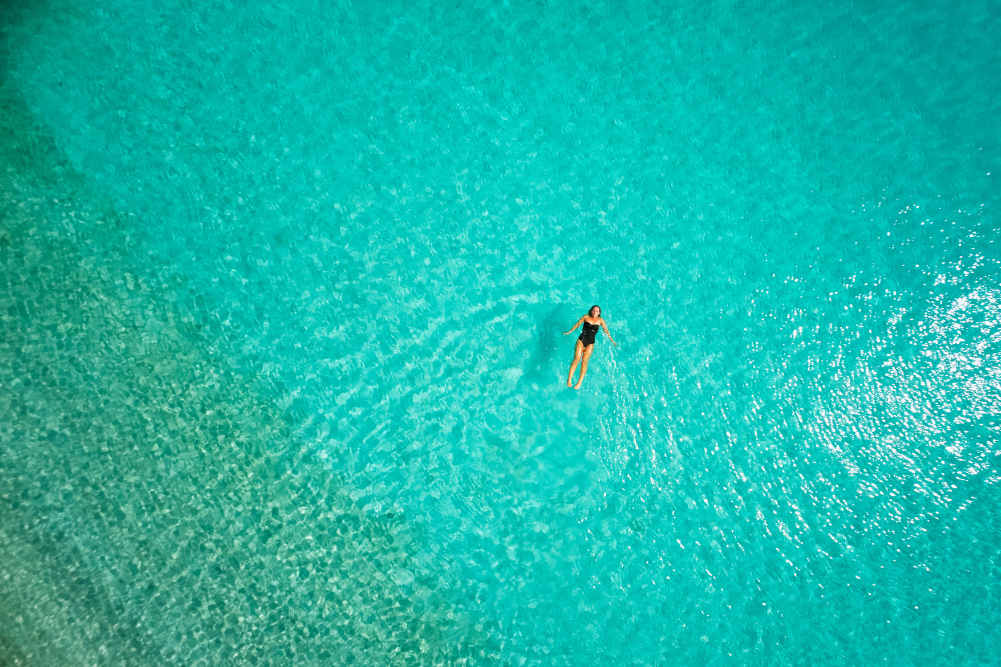
There is a growing emphasis on "regenerative tourism," where cruise lines work with local governments to ensure that the presence of tourists does not degrade the natural beauty that attracts them in the first place. This includes initiatives to protect coral reefs from over-tourism and programs that ensure a fair distribution of wealth within the local economy. For the traveler, this adds a layer of "ethical wellness"—the knowledge that their pursuit of personal rest is not coming at the cost of the destination’s integrity.
Technological and Environmental Advancements
To sustain this growth, the industry is investing heavily in environmental technology. Newer ships are being designed with advanced wastewater treatment systems and more efficient propulsion technologies to reduce their carbon footprint. This is particularly important in the South Pacific, an area highly sensitive to climate change and maritime pollution.
Onboard, technology is being used to enhance the wellness experience rather than detract from it. Smart-wearables provided to passengers can help them navigate the ship, book spa treatments, or monitor their physical activity, all while allowing them to keep their smartphones tucked away. This "stealth technology" facilitates a more seamless experience, allowing the focus to remain on the natural surroundings and personal reflection.
The Future of the South Pacific Cruise Market
Looking ahead, the South Pacific cruise market is expected to continue its upward trajectory. The diversification of itineraries to include more remote ports and longer "slow-stay" options will likely appeal to a younger demographic of digital nomads and wellness-conscious millennials.
The core of the appeal, however, remains the timeless relationship between humanity and the sea. As urban environments become more crowded and digital lives more cluttered, the open water offers a rare commodity: space. A South Pacific cruise provides a structured, safe, and restorative environment for individuals to reclaim their sense of balance.
By integrating movement (through yoga and excursions) with stillness (through quiet lounges and deck-side reflection), maritime travel addresses the dual needs of the human psyche. The result is a travel experience that does not merely end when the ship returns to port but leaves the passenger with a lasting sense of clarity and renewed perspective. For those seeking to reconnect with themselves and the natural world, the South Pacific remains one of the most effective theaters for personal transformation in the modern age. Through the strategic offerings of leaders like Carnival Australia, the industry is well-positioned to lead the next wave of the global wellness revolution, proving that sometimes the best way to move forward is to simply slow down.



 Anjar Salim
 Chandra Hamzah
 Tatiana Tantri Indah Sari
 Budi Mulyono
 Lukman Taruna Persada Ramadan
