
 Tatiana Tantri Indah Sari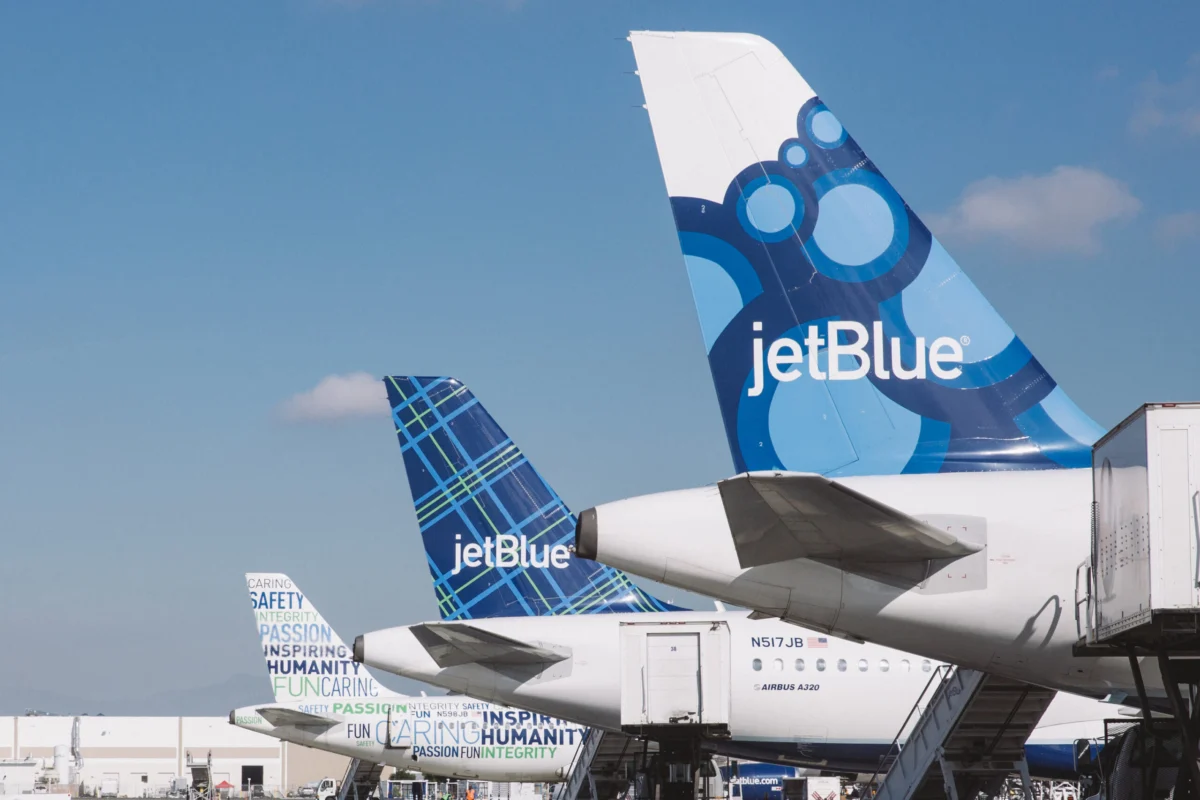
The domestic airline industry was rocked by the sudden announcement from Spirit Airlines that it would cease all operations effective 3 a.m. ET on Saturday, triggering an immediate scramble among competitors to absorb the void left in some of the most competitive U.S. markets. Fort Lauderdale, Orlando, and Atlantic City, long considered strongholds for the ultra-low-cost carrier (ULCC), became focal points of this rapid expansion, with major airlines moving swiftly to introduce new routes and increase capacity.
Spirit Airlines’ Unexpected Demise: A Chronology of Collapse
The unprecedented cessation of operations by Spirit Airlines was the culmination of escalating financial pressures and operational challenges that had plagued the carrier for several years. While Spirit had long been a disruptor in the U.S. aviation landscape, known for its aggressive pricing and extensive network of direct flights, its financial health had been deteriorating. Analysts point to a confluence of factors, including razor-thin profit margins inherent in the ULCC model, volatile fuel prices, persistent staffing shortages that led to frequent operational disruptions, and a significant debt load.
The tipping point reportedly occurred late Friday afternoon when negotiations with key creditors and potential last-minute investors collapsed. Unconfirmed reports suggest that a critical liquidity event, possibly triggered by an inability to secure short-term financing or a default on existing obligations, forced the airline’s hand. At approximately 7:00 p.m. ET Friday, Spirit’s leadership, facing an untenable financial position and under intense pressure from its board, made the devastating decision to halt all flights. An official statement, terse and lacking detailed explanation, was released shortly thereafter, informing employees, airport authorities, and the public of the operational cessation just hours away. This abrupt announcement left hundreds of thousands of passengers stranded, threw airport operations into disarray, and sent shockwaves through the entire travel sector.
Immediate Aftermath: Chaos and the Race to Rebook
The announcement sparked immediate chaos across airports where Spirit operated. Passengers with Saturday and Sunday flights found themselves without transportation, often with little to no notice beyond news alerts. Social media platforms were inundated with frustrated travelers recounting cancelled plans, missed connections, and the scramble to find alternative flights at significantly higher last-minute fares. Major airports, particularly Fort Lauderdale-Hollywood International (FLL), Orlando International (MCO), and Atlantic City International (ACY), activated emergency response protocols. Airlines with existing operations at these hubs quickly began waiving change fees and offering discounted rescue fares where possible, though capacity was severely limited in the immediate hours following Spirit’s shutdown.
According to data from FlightAware, Spirit Airlines operated an average of 600 daily flights across more than 80 destinations, carrying approximately 100,000 passengers each day. The cessation of these operations represented a massive logistical challenge, equivalent to grounding a medium-sized airline overnight. Estimates from the Air Transport Association of America (ATAA) suggested that over 300,000 passengers would be directly impacted within the first 72 hours of the shutdown, with ripple effects extending for weeks as the industry adjusted.
JetBlue Leads the Charge in Fort Lauderdale
Among the first to capitalize on the sudden market vacuum was JetBlue Airways, which announced a sweeping expansion plan just hours after Spirit’s definitive shutdown. Fort Lauderdale, a city where Spirit and JetBlue had roughly equal market share, according to Cirium data, became the epicenter of this competitive pivot. Historically, Spirit commanded approximately 20% of the passenger traffic at FLL, a significant portion that JetBlue was keen to capture.
On Saturday morning, JetBlue confirmed it would launch 11 new destinations directly out of Fort Lauderdale, effectively absorbing many of Spirit’s most popular routes and challenging other low-cost carriers in the region. The new routes from Fort Lauderdale include:
- Barranquilla (BAQ), Colombia
- Baltimore (BWI), Maryland
- Cali (CLO), Colombia
- Charlotte (CLT), North Carolina
- Columbus (CMH), Ohio
- Indianapolis (IND), Indiana
- Nashville (BNA), Tennessee
- Detroit (DTW), Michigan
- Houston (IAH), Texas
- Chicago (ORD), Illinois
- Ponce (PSE), Puerto Rico
In addition to these, JetBlue also announced a new nonstop service between Baltimore and several other key markets, indicating a broader strategic move to bolster its presence in airports where Spirit had a significant footprint. "This is an unfortunate situation for Spirit’s employees and customers, and our hearts go out to them," stated Joanna Geraghty, JetBlue’s CEO, in a press release. "However, JetBlue is uniquely positioned to step in and provide much-needed service and continuity for travelers in these critical markets. We are committed to offering our award-winning service and competitive fares to those who have been left in limbo." JetBlue’s aggressive expansion in FLL is projected to add over 50 new weekly departures from the airport by early next quarter, significantly increasing its capacity and challenging Southwest Airlines, which also maintains a strong presence there.
Other Carriers Join the Fray: Orlando, Atlantic City, and Beyond
The competitive response was not limited to JetBlue or Fort Lauderdale. Airlines across the spectrum, from legacy carriers to other ULCCs, quickly assessed their options to fill the void left by Spirit.
Orlando International Airport (MCO): As one of the busiest airports in the world and a major tourist destination, MCO was another critical market for Spirit. Prior to its cessation, Spirit held approximately 15% of the market share at MCO, primarily serving leisure travelers with direct flights to dozens of domestic and international destinations.
- Southwest Airlines: A major competitor at MCO, Southwest immediately announced increased frequencies on existing routes and the introduction of new daily services to cities like Hartford (BDL), Providence (PVD), and Raleigh/Durham (RDU), all of which were previously served by Spirit. Southwest emphasized its flexibility and point-to-point network as ideal for absorbing displaced passengers.
- Frontier Airlines: As another ULCC, Frontier saw a direct opportunity to capture Spirit’s cost-conscious customer base. Frontier declared an aggressive expansion at MCO, adding routes to cities like Cleveland (CLE), St. Louis (STL), and San Juan (SJU) – markets where Spirit had a strong presence. "We are saddened by the news concerning Spirit, but our commitment to providing affordable travel remains unwavering," said Barry Biffle, CEO of Frontier Airlines. "We believe our model is robust, and we are prepared to welcome new customers."
- American Airlines and Delta Air Lines: While not directly competing on price, these legacy carriers also announced incremental capacity increases, particularly on routes connecting Orlando to their major hubs (e.g., Charlotte for American, Atlanta for Delta), offering more connection options for stranded passengers and those seeking a full-service experience.
Atlantic City International Airport (ACY): For a smaller, regionally significant airport like ACY, Spirit’s departure was particularly impactful. Spirit had been the dominant carrier, accounting for over 70% of ACY’s passenger traffic with flights to a dozen cities.
- Allegiant Air: The primary competitor at ACY, Allegiant, quickly announced a significant expansion, adding new routes to Florida (e.g., Sarasota, St. Petersburg), Myrtle Beach (MYR), and Nashville (BNA). Allegiant, which also operates on an ULCC model but with a focus on smaller, underserved airports, is well-positioned to become the dominant carrier at ACY.
- Regional Carriers: Speculation also arose about smaller regional airlines potentially stepping in to offer limited service on key routes from ACY, though this would likely be a slower, more measured response.
Industry Reactions and Analyst Perspectives
The sudden collapse of Spirit Airlines sent tremors throughout the aviation industry, prompting various reactions from stakeholders and analysts.
"This is a seismic event for the U.S. airline market, particularly in the ultra-low-cost segment," stated Henry Harteveldt, a travel industry analyst at Atmosphere Research Group. "Spirit’s aggressive pricing forced others to compete, and its departure removes a significant price anchor. In the short term, we might see fare increases on previously contested routes, but in the medium term, new competitive dynamics will emerge as carriers like JetBlue and Frontier expand their footprint." Harteveldt also highlighted the challenges for airports like ACY, which were heavily reliant on Spirit’s volume.
Airport authorities expressed regret for Spirit’s demise but quickly pivoted to managing the transition. "Our immediate priority is assisting affected passengers and working with our airline partners to ensure continuity of service," commented Mark Gale, CEO of Fort Lauderdale-Hollywood International Airport. "We are already in discussions with several carriers about additional gate space and landing slots, and we anticipate a swift reallocation of resources to accommodate the new demand."
Consumer advocacy groups voiced concerns about the immediate impact on travelers and the potential for reduced competition. "While it’s positive that other airlines are stepping up, the loss of a major ULCC like Spirit could mean higher fares for budget-conscious travelers in the long run," said John Smith, a spokesperson for Passengers United. "We urge the Department of Transportation to monitor fare levels closely in affected markets and ensure that consumers are not unfairly penalized by this sudden market shift."
Regulatory and Economic Implications
The cessation of Spirit Airlines operations is expected to trigger several regulatory reviews. The Department of Transportation (DOT) will likely examine the circumstances of the shutdown, including passenger protection measures and the disposition of Spirit’s assets. Questions may also arise regarding market concentration and potential anti-competitive practices if a few carriers become overly dominant in former Spirit strongholds.
Economically, the impact will be felt on multiple levels. Airports will experience a temporary dip in landing fees and concession revenues, though this is expected to rebound as other airlines expand. Local economies, particularly those reliant on tourism driven by Spirit’s low fares (e.g., Atlantic City, parts of Florida), could face short-term challenges. Thousands of Spirit employees, including pilots, flight attendants, mechanics, and ground staff, face immediate job loss. While some may find employment with expanding carriers, the sheer volume of displaced workers presents a significant human resources challenge for the industry.
The Future of the Ultra-Low-Cost Model
Spirit’s collapse also prompts a re-evaluation of the ultra-low-cost carrier model itself. While successful in driving down fares and expanding air travel accessibility, the model operates on extremely thin margins, making it highly susceptible to external shocks like fuel price spikes, economic downturns, or intense competition. Spirit’s demise suggests that even with a strong brand and established network, sustained profitability in the ULCC space requires exceptional operational efficiency, robust financial backing, and adaptability.
Other ULCCs, such as Frontier Airlines and Allegiant Air, will undoubtedly study Spirit’s downfall to shore up their own operations and strategies. The market may see a shift towards a hybrid model, where carriers offer a base low fare but provide more robust ancillary services or improved operational reliability to attract and retain customers. The remaining ULCCs might also face increased scrutiny from investors and a tougher environment for raising capital.
Conclusion
The abrupt cessation of Spirit Airlines’ operations marks a significant turning point in the U.S. domestic airline industry. While it has created immediate chaos for passengers and a profound challenge for airport authorities, it has simultaneously unleashed a furious competitive scramble among rival carriers. JetBlue’s aggressive expansion in Fort Lauderdale, coupled with strategic moves by Southwest, Frontier, Allegiant, and others in key markets like Orlando and Atlantic City, underscores the dynamism and resilience of the aviation sector. The coming months will reveal the extent of the market realignment, the long-term impact on airfares, and the evolving landscape for both budget and full-service travelers as the industry adapts to a post-Spirit era. The skies above the U.S. are being redrawn, and the implications will resonate for years to come.




 Anjar Salim
 Chandra Hamzah
 Budi Mulyono
 Lukman Taruna Persada Ramadan
