
 Tatiana Tantri Indah Sari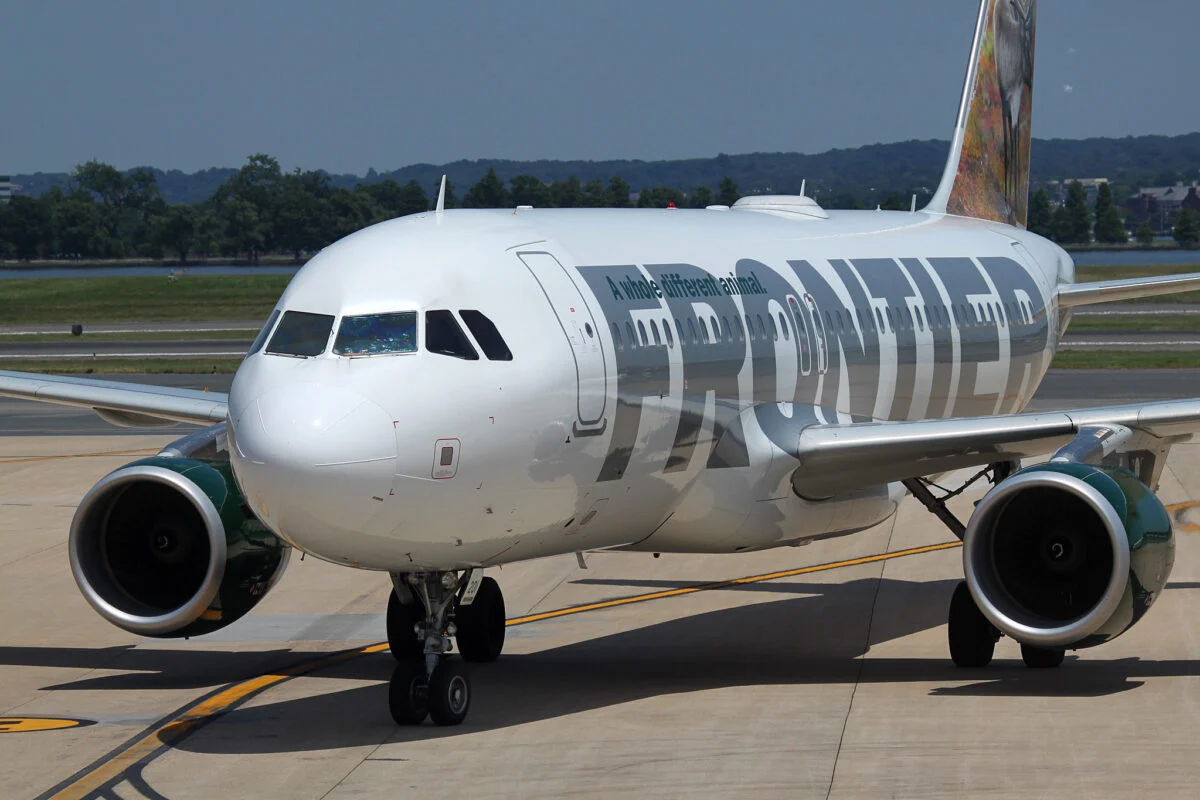
Denver-based Frontier Airlines is strategically positioning itself to absorb a substantial portion of the demand left vacant by the shutdown of ultra-low-cost carrier (ULCC) Spirit Airlines. Executives from Frontier confirmed on Tuesday their expectations to significantly expand their market presence, particularly in key former Spirit strongholds such as Orlando, Fort Lauderdale, Dallas-Fort Worth, and Detroit. This move is anticipated to yield a notable increase in Frontier’s revenue, leveraging extensive route overlap and a proactive expansion strategy.
Strategic Positioning and Market Overlap
During a recent call with financial analysts, Frontier’s Chief Commercial Officer, Bobby Schroeter, articulated the airline’s unique advantage in this evolving market landscape. "We have more route overlap with Spirit than any other U.S. carrier, uniquely positioning us to recapture the demand they left behind, drawing on the benefits realized from prior Spirit capacity adjustments," Schroeter stated. This strategic alignment is critical, as Frontier and Spirit reportedly overlapped on over 100 routes prior to Spirit’s operational cessation. The sheer volume of shared routes suggests a direct and immediate opportunity for Frontier to step in and cater to a displaced passenger base already accustomed to the ULCC model.
The overlap isn’t merely coincidental; it reflects a shared operational philosophy focused on cost efficiency and leisure-oriented travel. Both carriers historically targeted price-sensitive travelers, offering unbundled fares that allowed passengers to customize their travel experience. With Spirit’s departure, Frontier becomes a natural fit for many of these former customers, potentially offering familiar routes and similar pricing structures. This existing alignment minimizes the need for Frontier to develop entirely new markets or significantly alter its operational model, allowing for a more seamless transition and absorption of demand. The ability to "recapture demand" rather than "create new demand" is a crucial distinction, highlighting the efficiency and potential profitability of this strategy.
Financial Projections and Revenue Lift
Schroeter further elaborated on the expected financial uplift for Frontier, projecting a revenue increase of between 3% and 5% directly attributable to Spirit’s shutdown. This projected boost underscores the magnitude of Spirit’s previous market presence and the immediate value Frontier sees in capturing that void. A 3-5% revenue increase, especially for an airline of Frontier’s scale, translates into tens of millions of dollars, potentially hundreds of millions annually, depending on its current revenue base. This financial injection could significantly bolster Frontier’s bottom line, allowing for further investment in its fleet, network expansion, and customer experience initiatives.
The revenue lift is not just about passenger volume but also about optimizing existing assets. By absorbing Spirit’s demand, Frontier can achieve higher load factors on its overlapping routes, maximizing the revenue generated per flight. This efficiency gain is a cornerstone of the ULCC business model, where high aircraft utilization and full planes are paramount to profitability. The ability to fill seats that Spirit previously occupied, often at competitive price points, is a direct pathway to enhanced financial performance for Frontier.
Geographic Expansion and Former Spirit Strongholds
Frontier’s strategy explicitly targets major metropolitan areas that served as significant operational hubs and revenue generators for Spirit. Orlando, Florida, a global tourism mecca, was a critical market for Spirit, connecting leisure travelers from across the U.S. to its theme parks and attractions. Similarly, Fort Lauderdale, Florida, another gateway to the sunshine state and the Caribbean, saw substantial Spirit traffic. Dallas-Fort Worth, Texas, a major hub for both leisure and business travel, and Detroit, Michigan, a key market for both domestic leisure and visiting friends and relatives (VFR) traffic, also represented significant strongholds for Spirit.
These markets are characterized by high passenger volumes and a strong demand for affordable air travel, making them ideal targets for Frontier’s expansion. By increasing service in these areas, Frontier aims to not only fill the immediate void but also solidify its position as a dominant ULCC in these critical regions. Frontier CEO Jimmy Dempsey confirmed during the analyst call that the carrier plans to expand service significantly this summer, a clear indication of their readiness to capitalize on Spirit’s exit without delay. This aggressive expansion includes adding frequencies on existing routes and potentially launching new routes that Spirit previously operated, further cementing Frontier’s presence.
Background Context: Spirit’s Downfall and Prior Challenges
The context of Spirit Airlines’ shutdown and its filing for a second Chapter 11 bankruptcy is crucial to understanding Frontier’s current strategic maneuvers. Spirit, once a formidable player in the ULCC space, had been facing increasing operational and financial headwinds for several years. The intensely competitive nature of the ULCC sector, coupled with rising fuel costs, labor disputes, air traffic control delays, and fluctuating consumer demand, had placed significant pressure on its business model.
Spirit’s operational performance had often been scrutinized, with reports of lower completion rates and higher-than-average delays impacting customer perception. While the ULCC model thrives on unbundled fares and ancillary revenue, it also relies heavily on efficient operations and a positive customer experience to encourage repeat business. Any consistent disruption to these factors can erode passenger loyalty and financial stability. The "prior Spirit capacity adjustments" mentioned by Schroeter likely refer to periods where Spirit had to scale back its operations due to financial strain, fleet issues, or market unprofitability, offering earlier glimpses into its vulnerability. These adjustments would have provided Frontier with valuable data on route performance and passenger demand in Spirit’s key markets. The ultimate decision to file for a second Chapter 11 bankruptcy signifies a culmination of these prolonged challenges, indicating that efforts to restructure or find a viable path forward were ultimately unsuccessful. This exit creates an unprecedented opportunity for remaining ULCCs like Frontier to consolidate market share.
Chronology of Frontier’s Proactive Strategy
Frontier’s current strategy is not a reactionary measure but rather the culmination of a proactive and calculated approach. The Denver-based carrier began aggressively adding more routes in Spirit strongholds "shortly before" the company filed for its second Chapter 11 bankruptcy. This foresight suggests that Frontier executives had been closely monitoring Spirit’s deteriorating financial health and operational struggles, anticipating a potential market disruption.
This pre-emptive expansion allowed Frontier to establish a foothold in critical markets and begin attracting Spirit’s customers even before the official shutdown. By increasing its presence, Frontier could offer an immediate alternative to Spirit passengers experiencing service disruptions or uncertainty, positioning itself as the go-to carrier as Spirit’s operations wound down. This strategic timing minimized the lag between Spirit’s exit and Frontier’s ability to capitalize, ensuring maximum recapture of demand. The summer expansion plans articulated by CEO Jimmy Dempsey are a direct continuation of this proactive strategy, aimed at fully capitalizing on the peak travel season immediately following Spirit’s departure.
Industry Implications and Competitive Landscape
The shutdown of Spirit Airlines and Frontier’s subsequent expansion will undoubtedly reshape the competitive landscape of the U.S. ultra-low-cost carrier market. With one major player exiting, the sector becomes more consolidated, potentially leading to reduced competition on certain routes and shifts in pricing dynamics.
For consumers, the immediate implication might be a reduction in direct choices on routes previously served by both Spirit and Frontier. While Frontier aims to fill the void, the absence of a direct competitor could, in some instances, lead to less aggressive pricing pressure over time, though the ULCC model inherently relies on offering competitive fares to attract its target demographic. Other airlines, including legacy carriers and smaller regional players, will also likely attempt to capture some of Spirit’s former passengers, but Frontier’s extensive route overlap gives it a distinct advantage.
The consolidation could also lead to a more stable environment for the remaining ULCCs. Intense competition, often characterized by aggressive fare wars, can erode profit margins. With fewer players, the industry might see a slight stabilization in pricing and a greater focus on operational efficiency and ancillary revenue generation. This scenario might benefit Frontier by allowing it to operate in a less cutthroat environment on certain routes, potentially improving its overall profitability.
Operational Expansion and Summer Plans
Frontier’s CEO, Jimmy Dempsey, emphasized the airline’s readiness to significantly expand service during the upcoming summer travel season. This expansion is critical, as summer typically represents the peak demand period for leisure travel, aligning perfectly with the ULCC business model. The increased service will likely manifest in higher flight frequencies on existing popular routes, the reintroduction of routes previously operated by Spirit, and potentially the launch of new destinations that cater to the displaced demand.
To support this expansion, Frontier will need to ensure it has adequate aircraft, crew, and ground support infrastructure. The airline has been modernizing its fleet with new, fuel-efficient Airbus A320neo family aircraft, which will be crucial for scaling operations efficiently. Recruitment and training of pilots, flight attendants, and ground staff will also be key considerations to ensure a smooth operational ramp-up without compromising service quality or on-time performance, challenges that have plagued many airlines post-pandemic.
Long-Term Outlook for Frontier
The strategic absorption of Spirit’s demand marks a pivotal moment for Frontier Airlines. If successful, this move could significantly enhance Frontier’s market share, particularly in high-growth leisure markets, and solidify its position as a leading ultra-low-cost carrier in the United States. The projected revenue increase provides a strong financial foundation for future growth, allowing Frontier to potentially accelerate its fleet expansion plans, invest in technological improvements, and explore new market opportunities.
However, success will hinge on several factors: effectively integrating the new demand without compromising its own operational efficiency, maintaining competitive pricing, and delivering a consistent customer experience that encourages loyalty among former Spirit passengers. The long-term outlook for Frontier appears promising, as it navigates a less crowded ULCC landscape, armed with a clear strategy to capitalize on a major competitor’s exit and emerge as an even stronger force in affordable air travel.




 Anjar Salim
 Chandra Hamzah
 Budi Mulyono
 Lukman Taruna Persada Ramadan
