
 Tatiana Tantri Indah Sari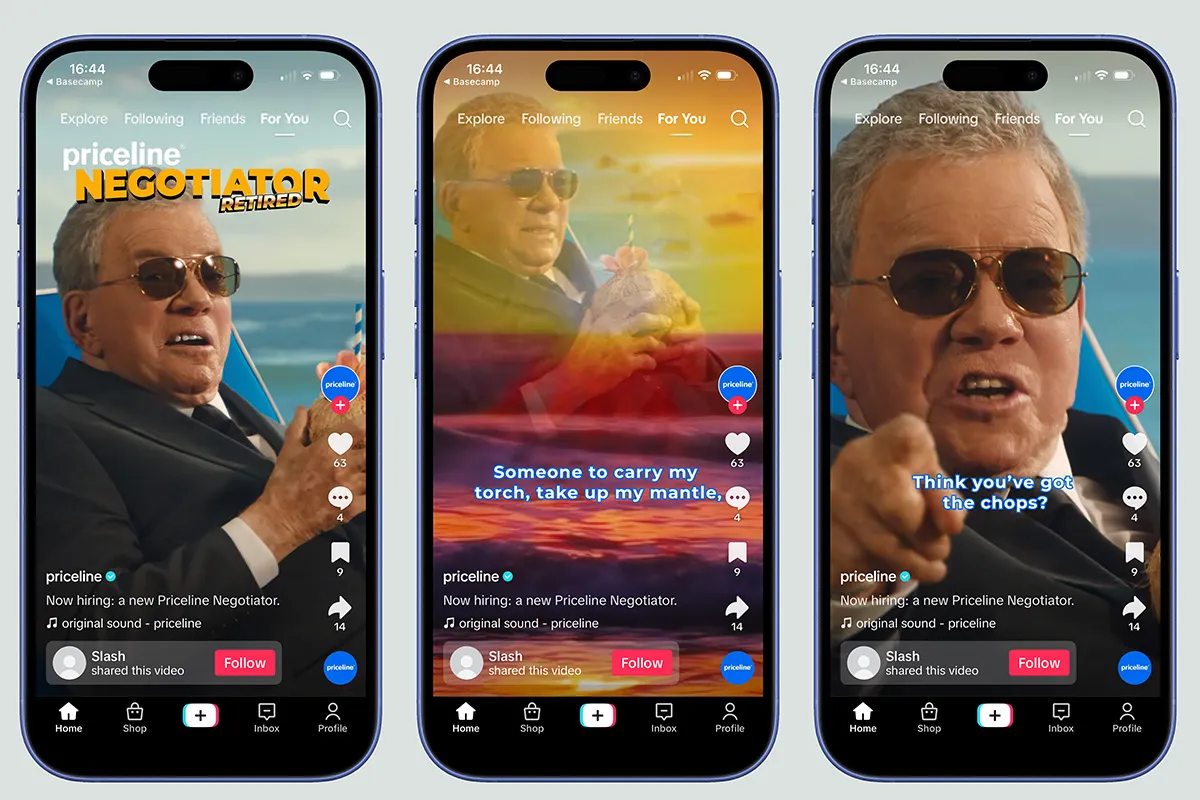
William Shatner, the legendary actor who has embodied the iconic Priceline Negotiator for over two decades, has made a highly anticipated return to the brand’s marketing efforts, not to resume his role, but to announce a global search for his successor. At 95 years old, Shatner features prominently in a new "Now Hiring" campaign launched on TikTok, signaling a significant brand refresh and a strategic pivot to engage a new generation of travelers amidst growing concerns over affordability. The campaign teaser, which has quickly garnered attention across digital platforms, portrays Shatner in a relaxed beach chair, dressed in a suit and sipping a drink, a playful nod to his enduring persona. The advertisement opens with a familiar, yet subtly twisted, rendition of the Negotiator’s theme music, followed by a voiceover declaring, "Priceline Negotiator." Shatner then interjects with a concise, "Retired," setting the stage for the search. The voiceover continues, "We need a new Priceline Negotiator," to which Shatner responds, "Yes, a successor. Someone to carry my torch, take up my mantle. Negotiate unmatched travel deals for Pric…" The abrupt cut-off leaves viewers anticipating the full reveal of the campaign, which strategically taps into both nostalgia and contemporary digital marketing trends. This move by Priceline, a subsidiary of Booking Holdings, comes at a crucial juncture for the travel industry, where value and budget-consciousness have become paramount considerations for consumers.
The Enduring Legacy of the Priceline Negotiator
William Shatner first stepped into the role of the Priceline Negotiator in 1998, a pivotal moment for the burgeoning online travel agency (OTA). At its inception, Priceline.com revolutionized the industry with its "name your own price" model, allowing consumers to bid for flights, hotels, and rental cars. The concept was innovative but required a charismatic figure to convey its uniqueness and build trust. Shatner, already a household name from his iconic portrayal of Captain James T. Kirk in Star Trek, brought an inimitable blend of gravitas, theatricality, and comedic timing to the character. His advertisements often featured him in dramatic, almost operatic, scenarios, passionately extolling the virtues of negotiating travel deals. The "Negotiator" became an almost mythical figure, a quirky hero fighting for the consumer’s right to affordable travel.
For over 20 years, Shatner’s presence was a cornerstone of Priceline’s brand identity. His campaigns consistently ranked among the most recognizable and effective in the travel sector. The longevity of his tenure is remarkable in the fickle world of advertising, a testament to his unique appeal and the character’s resonance with the public. Throughout the 2000s and 2010s, as Priceline evolved its business model from primarily "name your own price" to offering more conventional, direct booking options, Shatner’s character adapted, becoming more of a general advocate for finding great deals rather than strictly a "negotiator." His ads helped Priceline navigate competitive landscapes, differentiate itself from rivals like Expedia and Orbitz, and maintain a consistent brand voice. This sustained presence contributed significantly to Priceline’s growth, culminating in its position as a key player within Booking Holdings, one of the world’s largest online travel conglomerates.
Priceline’s Marketing Evolution and Strategic Pivots
Priceline’s marketing journey has been characterized by strategic adaptations to a dynamic market. Initially, its focus was on educating consumers about its novel "name your own price" bidding system. Shatner’s early campaigns were instrumental in demystifying this process and building consumer confidence. As the OTA market matured, Priceline expanded its offerings, incorporating standard booking options alongside its unique model. This shift necessitated a broader marketing approach, moving beyond just "bidding" to emphasize comprehensive travel solutions. By the mid-2010s, Priceline had largely transitioned away from the "name your own price" model for most of its inventory, focusing instead on packaged deals and discounts, mirroring the competitive landscape.
The brand’s parent company, Booking Holdings (formerly The Priceline Group), diversified its portfolio with acquisitions such as Booking.com, Kayak, and OpenTable, broadening its global reach and market segments. Within this larger ecosystem, Priceline continued to serve a crucial role, often positioned as the value-oriented brand. Its marketing strategies, while still leveraging Shatner’s star power, began to incorporate digital elements, though traditional television advertising remained a significant component. The current "Now Hiring" campaign marks a pronounced shift, reflecting a deliberate effort to modernize its brand image and reach new demographics. This pivot is not merely about finding a new face; it’s about signaling a new era for Priceline, one that is highly attuned to contemporary consumer behaviors and digital consumption patterns.
The Digital Shift: TikTok as a Strategic Platform
The decision to launch the successor search campaign on TikTok is a powerful indicator of Priceline’s strategic realignment. TikTok, with its predominantly younger user base – a significant portion falling within Gen Z and younger millennial demographics – offers an unparalleled platform for viral marketing and direct engagement. Data from various analytics firms indicates that TikTok boasts over a billion active users globally, with a significant percentage spending hours daily on the platform. For a brand like Priceline, which has traditionally relied on broader, more conventional advertising channels, this move represents a deliberate effort to inject new energy into its brand and cultivate relevance among future generations of travelers.
TikTok’s short-form video format, emphasis on authenticity, and high virality potential make it an ideal environment for a campaign designed to generate buzz and user-generated content. The "Now Hiring" theme inherently invites participation and speculation, elements that thrive on TikTok. By featuring Shatner, an icon recognized by older generations, on a platform dominated by younger ones, Priceline ingeniously bridges a generational gap. It leverages the nostalgia factor to capture the attention of older users who might be on TikTok, while simultaneously introducing the brand’s enduring value proposition to a new audience. This dual-pronged approach maximizes reach and ensures the campaign resonates across different age groups, a critical strategy for a brand seeking both continuity and renewal. The interactive nature of TikTok also allows Priceline to potentially crowdsource ideas or even applicants for the new Negotiator, transforming a traditional casting call into a dynamic, community-driven event.
Addressing the Affordability Imperative in Travel
The timing of this campaign is particularly astute given the current economic climate and its impact on consumer travel behavior. Post-pandemic, there has been a significant resurgence in travel demand, often termed "revenge travel." However, this demand has coincided with inflationary pressures, rising interest rates, and broader economic uncertainties, leading to heightened concerns about affordability. Reports from organizations like the U.S. Travel Association and various consumer surveys consistently show that cost is the primary determinant for travelers when planning trips. From airline fares to hotel rates and rental car prices, consumers are actively seeking value and deals more than ever.
Priceline’s historical brand promise has always been centered on value and helping consumers find affordable travel options. By explicitly framing the search for a new Negotiator around the mission to "negotiate unmatched travel deals," the campaign directly addresses this prevailing consumer sentiment. It reinforces Priceline’s core value proposition at a time when it is most relevant. This focus on affordability is not just a marketing slogan; it’s a strategic alignment with market realities. As discretionary spending becomes tighter for many households, a brand that positions itself as a champion of cost-effective travel is likely to resonate strongly. This campaign subtly reassures consumers that even with a new face, Priceline remains committed to its foundational mission of making travel accessible and affordable.
The Power of Nostalgia and Brand Rejuvenation
The return of William Shatner, even in a transitional capacity, is a masterclass in leveraging nostalgia for brand rejuvenation. Nostalgia marketing, when executed effectively, can evoke positive emotions, foster brand loyalty, and create a sense of continuity. Shatner’s long association with Priceline has embedded him deeply into the brand’s identity, making his departure, or rather his "retirement" from the active negotiating role, a significant moment. By having him personally announce the search for his successor, Priceline ensures a smooth transition that honors the brand’s heritage while signaling its future direction.
This strategy allows Priceline to tap into the goodwill and recognition built over two decades without being perceived as stagnant. It’s a calculated risk to move on from such a beloved and iconic figure, but by involving Shatner in the handover, the brand mitigates potential backlash and leverages his enduring charm. The campaign becomes a narrative of evolution, a "passing of the torch" rather than an abrupt replacement. This approach can attract older, long-time customers who appreciate the continuity and respect for the brand’s history, while simultaneously creating intrigue and a fresh start for younger audiences who might be encountering Shatner’s Priceline persona for the first time on TikTok. It’s a delicate balancing act that, if successful, can significantly broaden Priceline’s appeal and ensure its relevance for years to come.
The Search for a Successor: Challenges and Opportunities
The task of finding a successor to William Shatner as the Priceline Negotiator presents both considerable challenges and immense opportunities. Shatner’s unique blend of gravitas, eccentricity, and comedic timing is virtually irreplaceable. Any new Negotiator will inevitably be compared to him, making the casting choice critical. Priceline will likely seek an individual who can capture the spirit of the role – someone charismatic, relatable, and capable of conveying the brand’s message of value and deals – while also bringing a fresh perspective that resonates with contemporary audiences.
The "Now Hiring" campaign on TikTok suggests a potentially open and inclusive search, possibly even engaging the public in the selection process. This could involve user submissions, public voting, or a reality-show-like competition, all of which could generate significant engagement and media attention. The opportunity lies in defining what the "Negotiator" means for the modern era. Will it be a celebrity, an influencer, or an everyman/woman? The choice will reflect Priceline’s desired brand image for the next decade. A younger, more diverse, or digitally native successor could help Priceline solidify its appeal among Gen Z and millennials, expanding its market share. Conversely, a poor choice could alienate existing customers and fail to captivate new ones. The successor will need to embody Priceline’s core values while also possessing a unique voice and style that can stand on its own, distinct from Shatner’s formidable shadow.
Industry Reactions and Expert Analysis
Marketing experts and industry analysts have largely viewed Priceline’s campaign as a shrewd and well-timed strategic move. Sarah Jenkins, a branding consultant, commented, "Bringing Shatner back for a ‘passing the torch’ moment is brilliant. It respects the brand’s heritage while boldly stepping into the future. The TikTok launch is particularly smart, signaling Priceline’s intent to capture the attention of younger demographics without alienating their established customer base." Another expert, Dr. Emily Carter, a professor of marketing at a leading business school, noted, "This campaign effectively leverages the dual power of nostalgia and digital innovation. It’s not just about a new spokesperson; it’s about redefining the brand’s relevance in a highly competitive and digitally-driven travel market, especially with the renewed focus on affordability."
Analysts also point to the potential for significant earned media and viral engagement, given the nature of the campaign and Shatner’s involvement. The element of a public search for a successor adds a layer of interactivity that can generate sustained interest beyond the initial announcement. However, some caution that the selection of the new Negotiator will be paramount. "The true test will be who they choose," stated Mark Thompson, a digital marketing strategist. "They need someone who can carry that mantle, not just mimic Shatner, but bring their own authentic voice to the brand’s message of value." The general consensus suggests that Priceline is making a bold, calculated move that could rejuvenate its brand image and position it strongly for future growth in the evolving travel industry.
Broader Implications for the Online Travel Agency (OTA) Landscape
Priceline’s strategic brand refresh and digital-first approach have broader implications for the entire online travel agency (OTA) landscape. In a market dominated by a few major players like Booking Holdings, Expedia Group, and Airbnb, differentiation and continuous brand evolution are critical. This campaign sets a precedent for how established OTAs can modernize their image, engage new audiences, and remain competitive. Competitors will undoubtedly be observing the success of this campaign, particularly its TikTok integration and the public search for a successor. This could spur similar innovative marketing strategies across the industry, leading to a more dynamic and engaging advertising environment.
Furthermore, the explicit emphasis on "negotiating unmatched travel deals" underscores the ongoing importance of value in the travel sector. As economic uncertainties persist, OTAs that can effectively communicate their ability to save consumers money will likely gain market share. This campaign reinforces Priceline’s commitment to that core promise, potentially influencing how competitors frame their own value propositions. It also highlights the growing importance of influencer marketing and platform-specific content in reaching diverse consumer segments. The move signifies a shift from purely transactional marketing to a more narrative-driven, community-focused approach, which could redefine how travel brands interact with their audiences in the digital age.
In conclusion, Priceline’s "Now Hiring" campaign featuring William Shatner is far more than just a search for a new spokesperson; it is a meticulously crafted strategic maneuver to revitalize its brand. By honoring its iconic past through Shatner while boldly embracing digital platforms like TikTok, Priceline is aiming to bridge generational gaps, reaffirm its commitment to affordability, and secure its relevance in an ever-evolving travel market. The successful transition and the selection of a compelling successor will be key to determining the long-term impact of this significant brand evolution.




 Anjar Salim
 Chandra Hamzah
 Budi Mulyono
 Lukman Taruna Persada Ramadan
