
 Budi Mulyono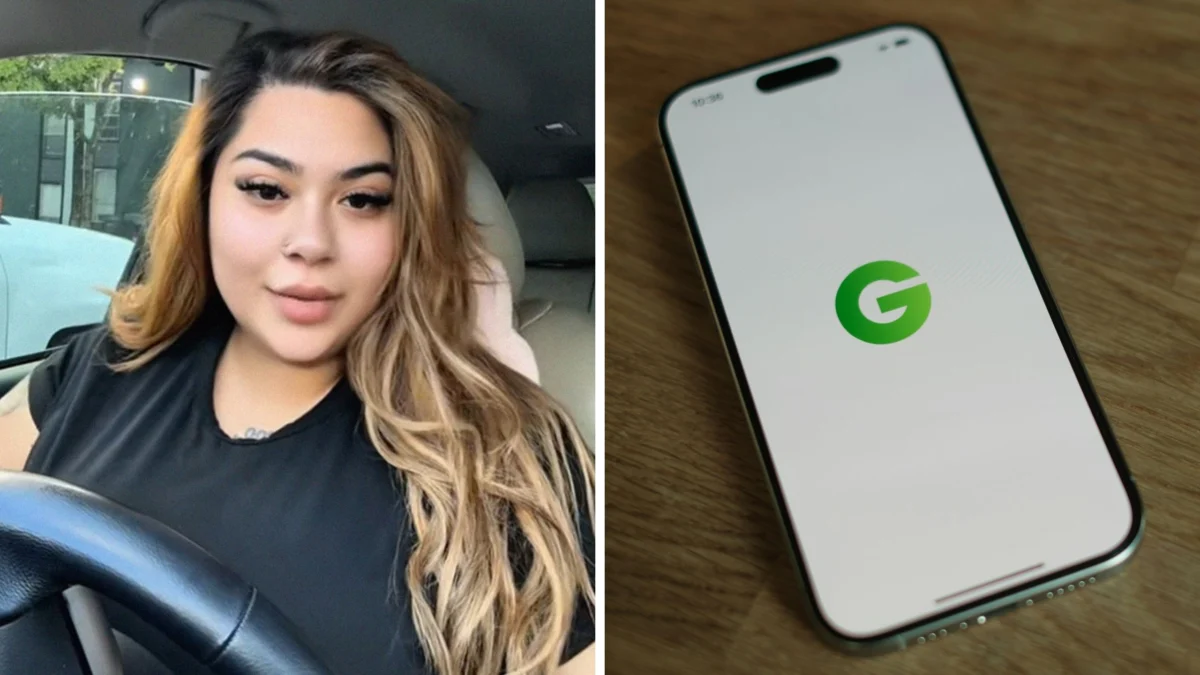
The rise of "blind booking" travel experiences has reached a new peak of social media visibility following the viral account of a Dallas-based content creator and single mother who opted for a Groupon "mystery vacation" as a birthday gift for her young son. The traveler, identified as Riah, shared her journey with her audience on TikTok, documenting the transition from a traditional domestic vacation plan to a high-stakes, low-cost mystery itinerary priced at $386.18 for two people. While the allure of a non-stop flight and hotel stay for under $400 remains high for budget-conscious consumers, the experience has illuminated the complexities of the discount travel market, particularly following the recent collapse of major low-cost carriers and the hidden costs often associated with third-party aggregators.
The Pivot to Mystery Travel: A Chronological Overview
The narrative began in early May 2026, when Riah, a hospital employee and mother of a seven-year-old, initially planned a birthday excursion to a national park. The original booking, an Airbnb priced at $542, featured niche amenities including "highland cow yoga" and outdoor recreation facilities. However, social media algorithms shifted her focus toward Groupon’s "Mystery Vacation" vouchers, a product of Groupon Getaways that promises a round-trip flight and hotel accommodations to an undisclosed location.
Driven by the need to balance a celebration with a strict household budget, Riah canceled her initial plans and purchased two mystery vouchers for a total of $386.18. The terms of the Groupon deal stipulated that the traveler must provide a preferred departure airport—in this case, Dallas-Fort Worth (DFW)—and three sets of preferred dates. Per the company’s policy, the booking team then takes up to 72 hours to finalize the destination, flights, and hotel, notifying the traveler only after the purchase is non-refundable.
The "reveal" occurred within the promised 72-hour window, identifying Orlando, Florida, as the destination. While Orlando is a standard hub for family travel, the process of reaching that conclusion has sparked a wider conversation regarding the transparency and actual "randomness" of these mystery packages.
The Mechanics of the Groupon Mystery Deal
Groupon Getaways, a partnership originally launched in conjunction with Expedia in 2011, has long utilized the mystery vacation model to fill excess inventory in the travel sector. The current iteration of the deal, often managed by third-party fulfillment partners like MysteryVacations.com, relies on a high-volume, low-margin strategy. By keeping the destination secret until after the purchase, the providers can leverage the most cost-effective flight paths and hotel vacancies available at the moment of booking.
According to consumer reports and historical data from the platform, the "mystery" is often a logistical calculation rather than a truly random selection. Frequent purchasers of the vouchers note that destinations are heavily influenced by the traveler’s home airport. Travelers based on the East Coast are frequently funneled to hubs like Orlando or Atlanta, while those on the West Coast often find themselves sent to Las Vegas or Phoenix. This regional clustering allows the travel providers to secure the lowest possible fares on regional budget carriers, maximizing the profit margin on the $190-per-person voucher price point.
The Spirit Airlines Collapse and Its Impact on Budget Travel
The timing of Riah’s trip coincided with a period of significant volatility in the American aviation industry. On May 2, 2026, Spirit Airlines officially ceased operations following its second bankruptcy filing in less than a year. The grounding of Spirit’s fleet resulted in the immediate loss of thousands of low-cost seats and the displacement of 17,000 employees.
For years, Spirit Airlines served as the primary backbone for "mystery" travel vouchers and budget vacation packages. The carrier’s ultra-low-cost model allowed aggregators to fulfill flight requirements for under $100 per passenger, leaving sufficient funds to cover hotel costs within the voucher’s price ceiling. With Spirit out of the market, the supply of non-stop, low-cost flights has tightened significantly.
Industry analysts suggest that the loss of Spirit Airlines may force Groupon and its partners to pivot toward other budget carriers such as Frontier or Allegiant, or potentially increase the base price of mystery vouchers. For consumers like Riah, the closure of a major budget airline adds a layer of uncertainty regarding flight availability and the likelihood of receiving a "non-stop" flight as promised in the original deal terms.
Consumer Feedback: Hidden Costs and Administrative Risks
As Riah’s story gained traction, it served as a catalyst for a broader discussion on the "hidden" expenses of discount travel. While the Groupon voucher covers the base airfare and hotel room, it often excludes "resort fees," which have become a contentious issue in the hospitality industry.
Several consumers shared experiences of arriving at their "mystery" hotels only to be met with mandatory fees ranging from $30 to $100 per night. In Riah’s specific case, she reported a relatively modest resort fee of $27. However, other travelers documented in the discourse claimed that these fees, when combined with baggage costs—often not included in budget airline fares—can bring the total cost of a "discount" trip close to the price of a traditionally booked vacation.
Furthermore, the administrative reliability of third-party bookings remains a concern. Professional travel advisors often warn that vouchers purchased through discount sites may not be immediately confirmed with the end provider. Testimonials from the travel community highlight instances where travelers arrived at hotels only to find their reservations non-existent in the hotel’s internal system, necessitating out-of-pocket payments to secure a room.
Comparative Analysis: Groupon vs. Costco Travel
The viral discussion surrounding Riah’s trip also brought attention to alternative budget travel models, most notably Costco Travel. Unlike the mystery model, Costco Travel functions as a transparent booking portal available exclusively to its members.
Data provided by long-term Costco members suggests that while the upfront cost of a Costco package may be higher than a $386 Groupon voucher, the value proposition often exceeds the mystery model. For example, Costco’s "Executive" tier membership offers a 2% reward on qualifying travel purchases, which can effectively offset the membership fee. Furthermore, Costco packages typically include transparent flight selections, car rentals, and often "extras" such as resort credits or breakfast, which are rarely included in the Groupon mystery model.
A comparison of the two models reveals a divide in consumer psychology: the Groupon model appeals to the "thrill of the unknown" and the lowest possible entry price, whereas the Costco model targets the "value-added" traveler who prioritizes reliability and bundled perks over the element of surprise.
The Broader Implications for the Travel Industry
The popularity of Riah’s TikTok video, which garnered over 637,000 views, underscores a significant shift in how younger generations approach travel planning. The "gamification" of vacationing—treating a trip as a mystery to be solved—is a growing trend among Gen Z and Millennial travelers who value experiences and "content-worthy" moments.
However, from a consumer protection standpoint, the trend raises questions about the adequacy of disclosures. The reliance on social media influencers to market these deals often bypasses the traditional scrutiny of travel terms and conditions. As the budget airline sector continues to consolidate and the "resort fee" remains a standard industry practice, the gap between the advertised price of a mystery trip and the final cost to the consumer is likely to widen.
Conclusion and Current Outlook
As of late May 2026, Riah remains optimistic about her upcoming trip to Orlando, maintaining that the value of the experience is defined by the traveler’s perspective. "It’s really what you make it," she noted in a follow-up dispatch to her followers. Her experience serves as a modern case study in the trade-offs of the digital-age travel economy: the sacrifice of choice and certainty in exchange for affordability and adventure.
The travel industry at large continues to monitor the fallout of the Spirit Airlines closure and the evolving consumer appetite for mystery-based products. While the $386.18 vacation for two remains a tempting offer, the collective experience of the travel community suggests that such deals require a high degree of flexibility, a willingness to navigate hidden fees, and a proactive approach to confirming reservations. For the single mother in Dallas and her son, the mystery has been solved, but for the broader travel market, the sustainability of the ultra-low-cost mystery model remains an open question.




 Anjar Salim
 Chandra Hamzah
 Tatiana Tantri Indah Sari

