
 Budi Mulyono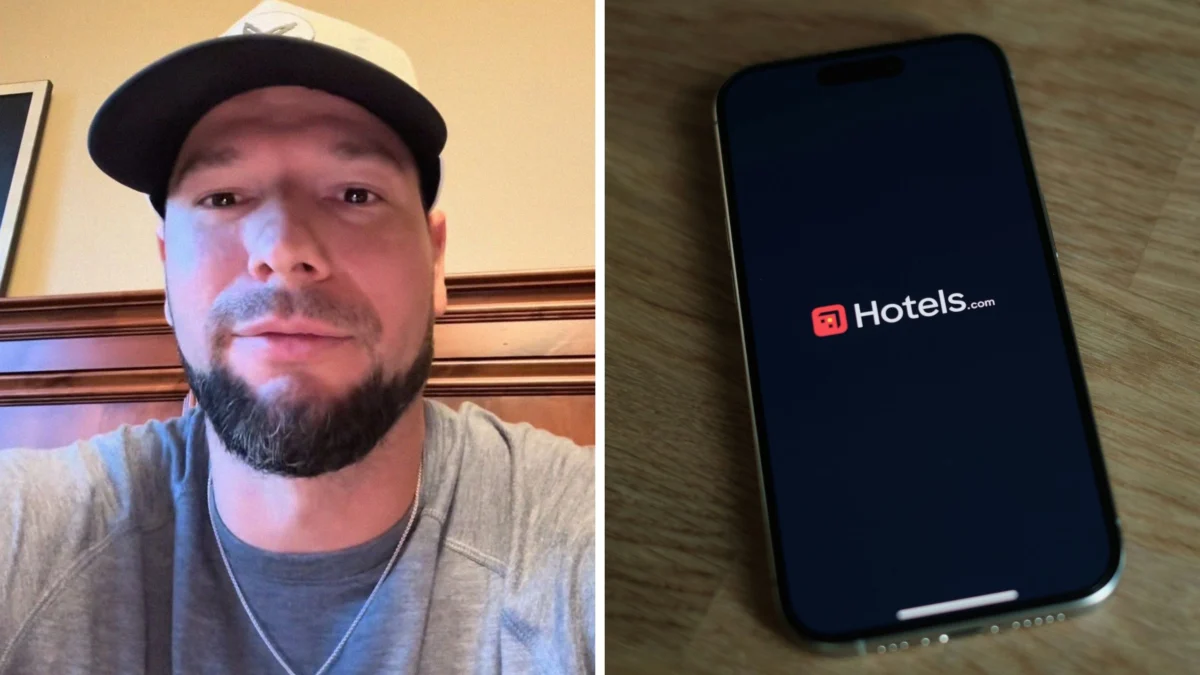
The travel landscape in Columbus, Ohio, became a focal point of consumer frustration and industry debate following a series of last-minute hotel cancellations that left travelers stranded during a weekend of high-profile events. The incident, brought to national attention by a central Ohio man using the social media handle @thediydepot, has reignited discussions regarding the reliability of third-party booking platforms and the ethics of hotel management during periods of peak demand. The traveler, whose primary content focuses on home improvement and personal finance, reported that his reservation at The Standard in downtown Columbus was terminated just four hours before his scheduled check-in, citing vague "unforeseen circumstances." This occurred as the city prepared to host both a sold-out Luke Combs concert at Ohio Stadium and a major half marathon, creating a perfect storm of high demand and limited inventory.
Chronology of the Cancellation Dispute
The timeline of the incident begins approximately one month prior to the Luke Combs concert, when the traveler secured a room at The Standard. At the time of booking, the guest reportedly locked in what he described as a "pretty decent price," a common strategy for travelers looking to avoid the inevitable price surges associated with major stadium tours. The reservation was made through Hotels.com, a subsidiary of the Expedia Group, which acts as an intermediary between the guest and the lodging provider.
On the morning of the concert, a Saturday, the traveler opened the Hotels.com mobile application to finalize logistics, including parking and check-in procedures. Instead of a confirmation QR code, he was met with a notification stating that his reservation had been canceled. The justification provided by the property was limited to "unforeseen circumstances." With the traveler living several hours away and already preparing for the trip, the cancellation triggered an immediate search for alternative accommodations.
Attempts to contact the hotel directly were unsuccessful. According to the traveler’s account, repeated phone calls to the property were diverted to a voicemail system, and no staff members were available to provide a verbal explanation or assist with relocation. This lack of communication forced the traveler to engage with Hotels.com customer support, which also struggled to obtain a clear reason for the cancellation from the property management. After significant delays, Hotels.com representatives reportedly confirmed that the hotel would not provide a specific reason for the voided reservation, ruling out physical emergencies such as fire, flooding, or sudden construction.
Market Conditions and the Theory of Economic Displacement
The core of the controversy lies in the disparity between the original booking price and the market rates on the day of the event. As the Luke Combs concert and the Columbus Half Marathon converged, hotel inventory within a 30-minute radius of the city center became nearly non-existent. The traveler noted that remaining rooms were being listed for between $1,000 and $2,000 per night—a staggering increase from standard weekend rates in the region.
This financial environment has led many industry observers and the affected traveler to conclude that the "unforeseen circumstances" were, in fact, a calculated business decision. The theory suggests that hotels may intentionally cancel lower-priced reservations made weeks or months in advance to re-list those same rooms at the hyper-inflated "day-of" market rate. In this scenario, a property could potentially quadruple its revenue for a single night by displacing a guest who booked early.
The compensation offered by Hotels.com—a $100 future booking credit—was criticized as inadequate given the market conditions. With local rooms retailing for over $1,000, a $100 credit represented less than 10% of the cost of a replacement room, effectively leaving the consumer to absorb the financial brunt of the hotel’s decision.
The Mechanics of Walking and Third-Party Vulnerability
While the traveler’s experience was particularly jarring due to its timing, the practice of "walking" guests is a long-standing, albeit controversial, reality in the hospitality industry. Historically, hotels overbook rooms by a small percentage, anticipating a certain number of "no-shows." When every guest arrives, the hotel must "walk" the excess bookings to a comparable nearby property, usually covering the cost of the first night’s stay and transportation.
However, the Columbus incident appears to differ from standard overbooking procedures. Industry veterans, commenting on the situation, noted a distinct hierarchy in which guests are prioritized during high-occupancy events.
- Direct Bookers and Loyalty Members: Guests who book directly through the hotel’s website or hold elite status in a loyalty program are rarely canceled. These guests represent higher-margin revenue because the hotel does not have to pay a commission to a third party.
- Online Travel Agencies (OTAs): Reservations made through platforms like Hotels.com, Expedia, or Booking.com are often the first to be targeted for cancellation or "walking." This is because the hotel pays a commission (often 15% to 25%) to the OTA, making these the least profitable reservations for the property.
In the case of The Standard in Columbus, former hotel general managers and front-desk staff suggested that third-party bookings are viewed as more "disposable." Because the guest’s primary financial relationship is with the OTA rather than the hotel, the property can claim that the guest must resolve the issue with the booking platform, effectively distancing themselves from the immediate fallout.
Supporting Data on Event-Driven Price Surges
The economic impact of major tours like Luke Combs’ "Growin’ Up and Gettin’ Old" tour is significant. When a stadium-filler like Combs performs at Ohio Stadium, which has a capacity exceeding 100,000 people, the influx of visitors can exceed the total hotel room inventory of the downtown area. According to travel data analysts, "event-based dynamic pricing" can cause hotel rates to spike by 300% to 500% within a 24-hour window.
A similar phenomenon was observed during the Taylor Swift "Eras Tour," where cities saw record-breaking hotel revenue. However, with this revenue potential comes an increased temptation for properties to engage in "rate poaching"—canceling existing contracts to capture higher bids.
This is not an isolated incident. In 2023, during the Formula One Grand Prix in Montreal, a traveler reported that a $4,300 booking was canceled, only for the same unit to be re-listed for over $17,000. In that instance, the booking platform eventually honored the original price only after the story gained significant media traction. This suggests a pattern where the "court of public opinion" becomes the only effective tool for consumer recourse when contractual protections fail.
Official Responses and Regulatory Gaps
When reached for comment, a spokesperson for Hotels.com emphasized that they expect their partners to honor all confirmed bookings. "We expect our hotel partners to honor all bookings and sincerely apologize for this traveler’s experience. The traveler has been fully refunded following the unforeseen changes," the statement read. While the refund and the $100 credit fulfill the letter of the platform’s terms of service, they do not address the logistical and financial nightmare of a guest being stranded in a city with no available housing.
The Standard Hotels and the specific property management have remained largely silent on the matter, a common tactic when faced with allegations of price gouging. From a legal standpoint, hotels often include "force majeure" or "operational necessity" clauses in their contracts with OTAs, which provide them with broad discretion to cancel reservations.
In Ohio, consumer protection laws regarding hotel cancellations are relatively narrow. While the Ohio Consumer Sales Practices Act prohibits "unfair or deceptive acts," proving that a cancellation for "unforeseen circumstances" was actually a deceptive move to increase profit requires a level of discovery and litigation that is out of reach for the average concert-goer.
Broader Implications for the Travel Industry
The Columbus incident serves as a cautionary tale for the modern traveler. It highlights a growing rift between the convenience of third-party booking sites and the security of direct hotel relationships. As algorithmic pricing becomes more aggressive, the incentive for hotels to "bump" early-bird travelers in favor of high-paying, last-minute arrivals will only increase.
Travel experts suggest several strategies to mitigate these risks:
- Book Direct: Whenever possible, book through the hotel’s official website. This establishes a direct contract with the property and usually places the guest higher on the priority list if overbooking occurs.
- Confirm Twice: Call the hotel directly 48 hours before arrival to ensure the reservation is in their internal system, not just the OTA’s system.
- Loyalty Programs: Even free-tier loyalty memberships can provide a layer of protection, as hotels are less likely to alienate members of their own brand ecosystem.
As for the traveler in Columbus, his quest for "retribution" via social media has garnered tens of thousands of views, serving as a reputational warning to the hotel involved. However, the systemic issue remains: as long as the financial gain from re-listing a room outweighs the penalties imposed by booking platforms, "unforeseen circumstances" will likely continue to be a convenient excuse for economic opportunism in the hospitality sector.




 Anjar Salim
 Chandra Hamzah
 Tatiana Tantri Indah Sari
 Lukman Taruna Persada Ramadan
