
 Anjar Salim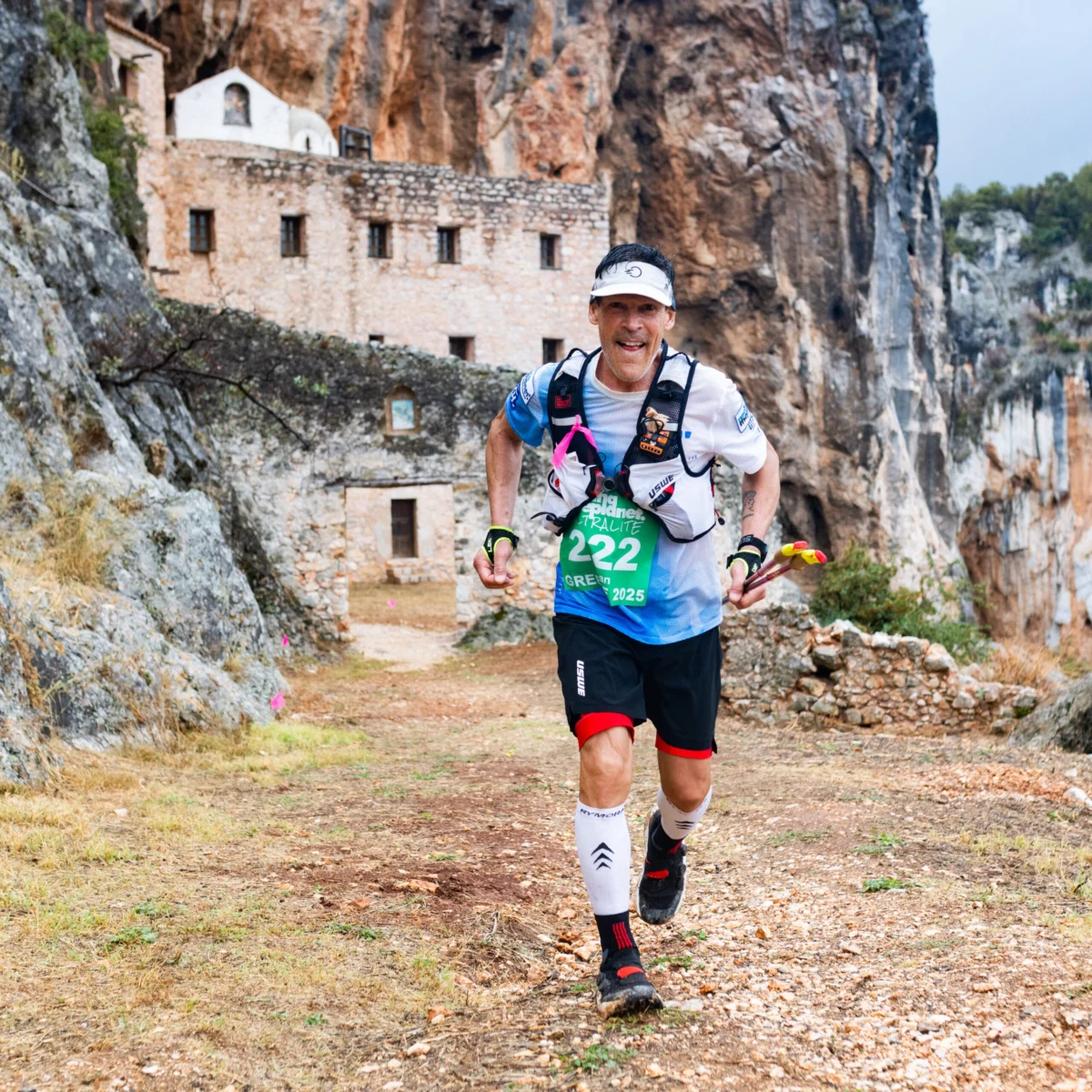
In the autumn of 2006, the landscape of American endurance sports shifted fundamentally when a 44-year-old runner from the San Francisco Bay Area embarked on a feat that many physiological experts at the time deemed nearly impossible. Dean Karnazes, already a known figure within the insular community of ultrarunning, announced he would complete 50 marathons in 50 different U.S. states on 50 consecutive days. The "50/50/50" expedition, as it became known, was more than a test of human stamina; it was a watershed moment that signaled the birth of the modern athlete-influencer and the mainstreaming of extreme endurance culture.
Two decades later, Karnazes remains a central figure in the running world. Now 63, he continues to compete in 100-mile races and maintains a rigorous schedule that includes 14 to 15 competitive events annually. His career serves as a living timeline for the sport of ultrarunning, tracing its evolution from a fringe "dirtbag" hobby to a multi-million dollar global industry.
The Genesis of the 50/50/50 Expedition
When Karnazes first proposed the 50/50/50 challenge, the concept of an "expedition" was traditionally reserved for mountaineering or polar exploration. The North Face, Karnazes’ primary sponsor, typically funded athletes aiming for summits like K2 or the Eiger. Karnazes, however, argued that an expedition did not require a mountain, only a frontier. At the time, the frontier was the untapped potential of the human body to recover from repetitive, high-impact stress over an extended duration.
The logistics of the 50/50/50 were staggering. The journey began on September 17, 2006, with the Lewis and Clark Marathon in St. Louis, Missouri, and concluded on November 5 at the New York City Marathon. The schedule required constant travel, with Karnazes and his support team navigating a labyrinth of flights and drives to reach each start line.
To manage the media and public engagement, the campaign utilized what were then cutting-edge technologies. A tech company called Bones in Motion used early GPS and SMS capabilities to broadcast Karnazes’ location to local running communities. This allowed hundreds, and eventually thousands, of amateur runners to join him for segments of his daily marathons. This grassroots engagement turned a solo athletic endeavor into a traveling community festival, catching the attention of national outlets such as National Geographic and The New York Times.
Ultrarunning in the Pre-Digital Era
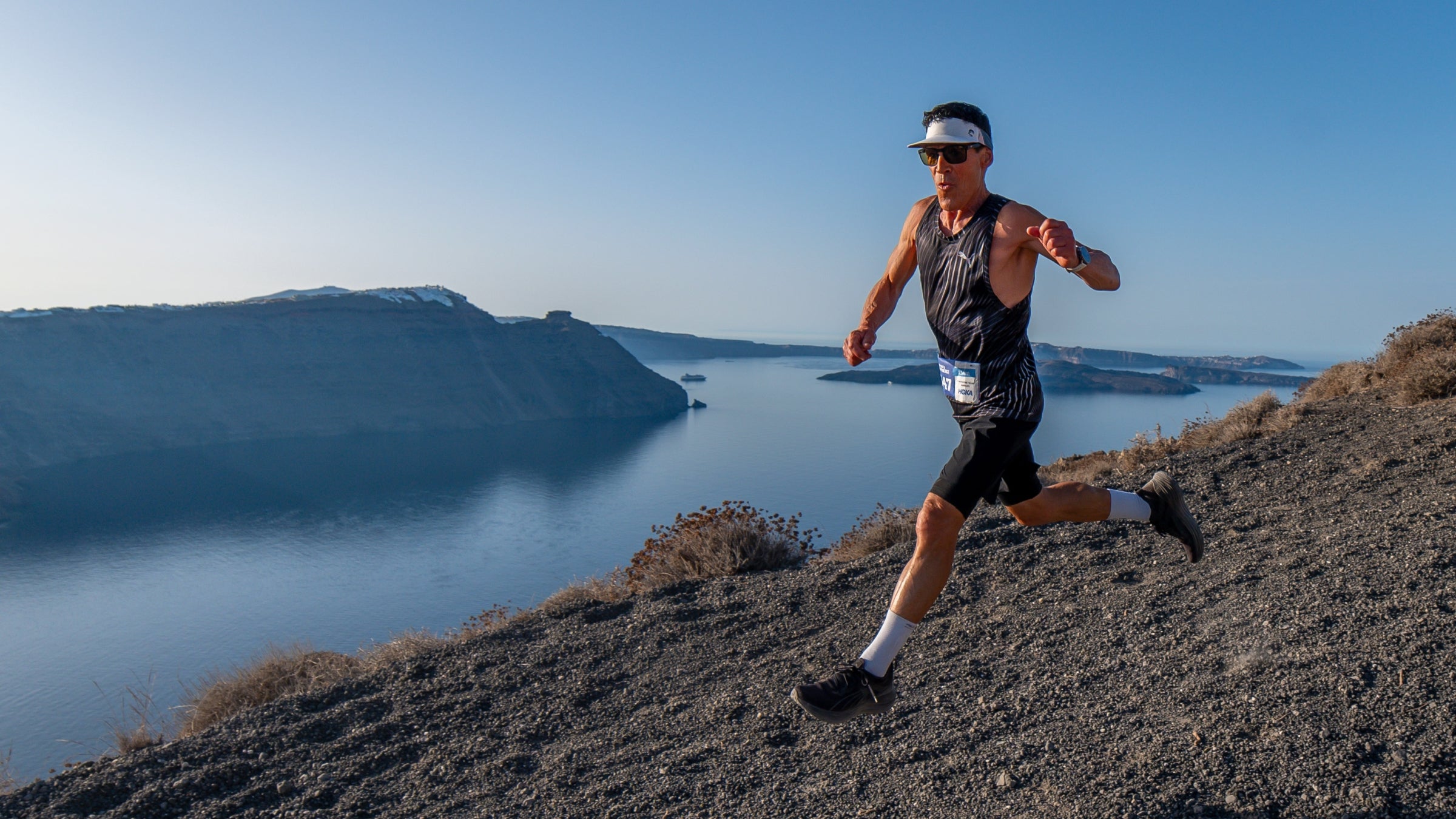
To understand the impact of Karnazes’ rise, one must look at the state of ultrarunning in the early 1990s. Before the advent of smartwatches and sophisticated hydration vests, the sport was defined by its rugged simplicity and lack of commercial viability.
"The races were much more about adventure because nobody had a smartwatch to tell them they were two feet off trail," Karnazes recalls. "You’d get lost a lot. The competitor fields were small, mostly older men."
The economics of the sport were equally humble. Elite runners, including legends like Ann Trason—who dominated the Western States 100-Mile Endurance Run with 14 victories—often struggled to pay basic bills through their athletic pursuits. Even Scott Jurek, one of the most decorated ultrarunners in history, made headlines within the community for securing a shoe deal with Brooks that paid a mere $5,000 annually.
Nutrition was also in its infancy. While products like PowerBar had entered the market, they were often criticized for their texture and taste. Karnazes famously relied on "real food," once famously ordering a pizza to be delivered to him mid-run during a 200-mile solo effort. This relatability, combined with his extraordinary physical capabilities, began to bridge the gap between elite performance and public fascination.
The Physiology of Longevity: Training at 63
As Karnazes enters his mid-sixties, his approach to training has shifted from sheer volume to scientific precision. While many of his contemporaries have succumbed to overuse injuries or the natural decline of age, Karnazes reports that he has never suffered a major running-related injury, such as an Achilles tear or hamstring rupture.
His current regimen prioritizes high-intensity intervals and hill repeats over the massive mileage totals of his youth. Perhaps most notable is his adoption of nasal breathing as a primary training tool. By breathing exclusively through his nose during high-effort runs, Karnazes induces a state of "forced hypoxia." He reports that this technique has contributed to a 10-point increase in his VO2 max, a metric that typically declines as athletes age.
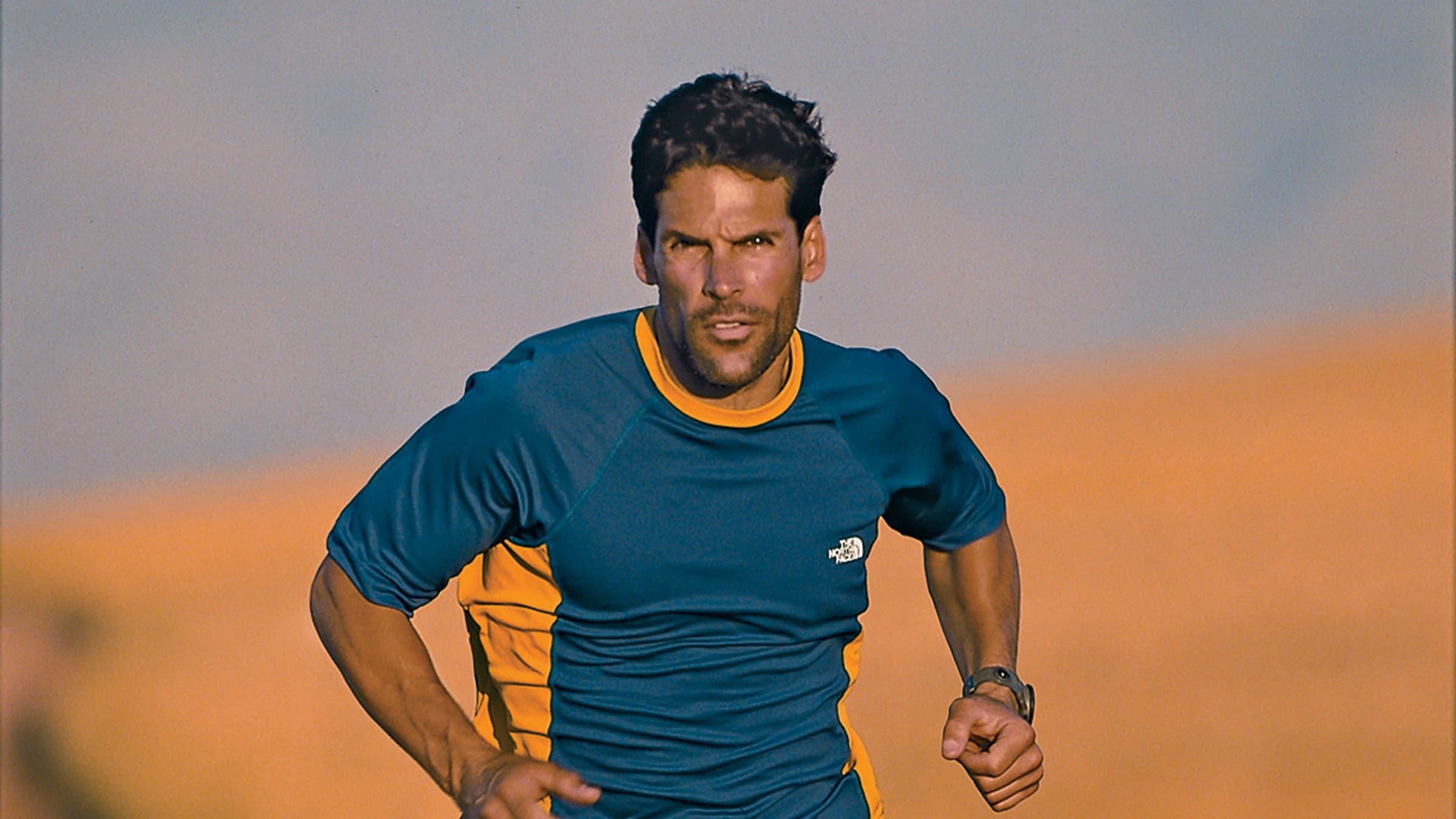
In addition to cardiovascular work, Karnazes has increased his focus on strength training and muscle preservation. This holistic approach to fitness allows him to remain competitive in 100-mile races, even as his raw speed has naturally decreased. His ability to maintain this level of activity provides a case study for "master" athletes seeking to extend their competitive lifespans.
The Cultural Impact of the Athlete-Influencer
Karnazes was an "influencer" long before the term was popularized by social media platforms like Instagram or TikTok. His 2005 memoir, Ultramarathon Man: Confessions of an All-Night Runner, became a New York Times bestseller and remains a foundational text for many entering the sport.
The 50/50/50 stunt demonstrated that an athlete’s value was not solely dependent on winning races, but on the ability to tell a compelling story and inspire a broad audience. This shift paved the way for the current era of professional trail running, where athletes secure significant sponsorships based on their digital reach and "Fastest Known Time" (FKT) attempts as much as their podium finishes.
"I’m very proud of the work that I did, because one of the challenges I took on early in my career was to get this sport to a point where athletes could actually earn a living off of it," Karnazes says. His appearances on mainstream television programs, such as Live with Regis and Kelly, brought the concept of the 5-kilometer walk or the marathon to viewers who had previously never considered themselves athletes.
Analysis: Why the "Crazy" Challenge Persists
The proliferation of extreme athletic challenges in modern outdoor culture—ranging from 200-mile trail races to self-supported transcontinental bike rides—can be traced back to the "stunt" culture Karnazes helped pioneer. However, Karnazes suggests that the motivation for these feats has evolved.
In an era characterized by digital saturation and sedentary lifestyles, many individuals seek "meaningful insanity" as a form of self-fulfillment. The "stunt" provides a tangible metric of success and a source of awe in a world that often feels predictable. This psychological drive has fueled the rise of the FKT movement, where runners attempt to break records on established hiking trails, often documenting the process for global audiences.
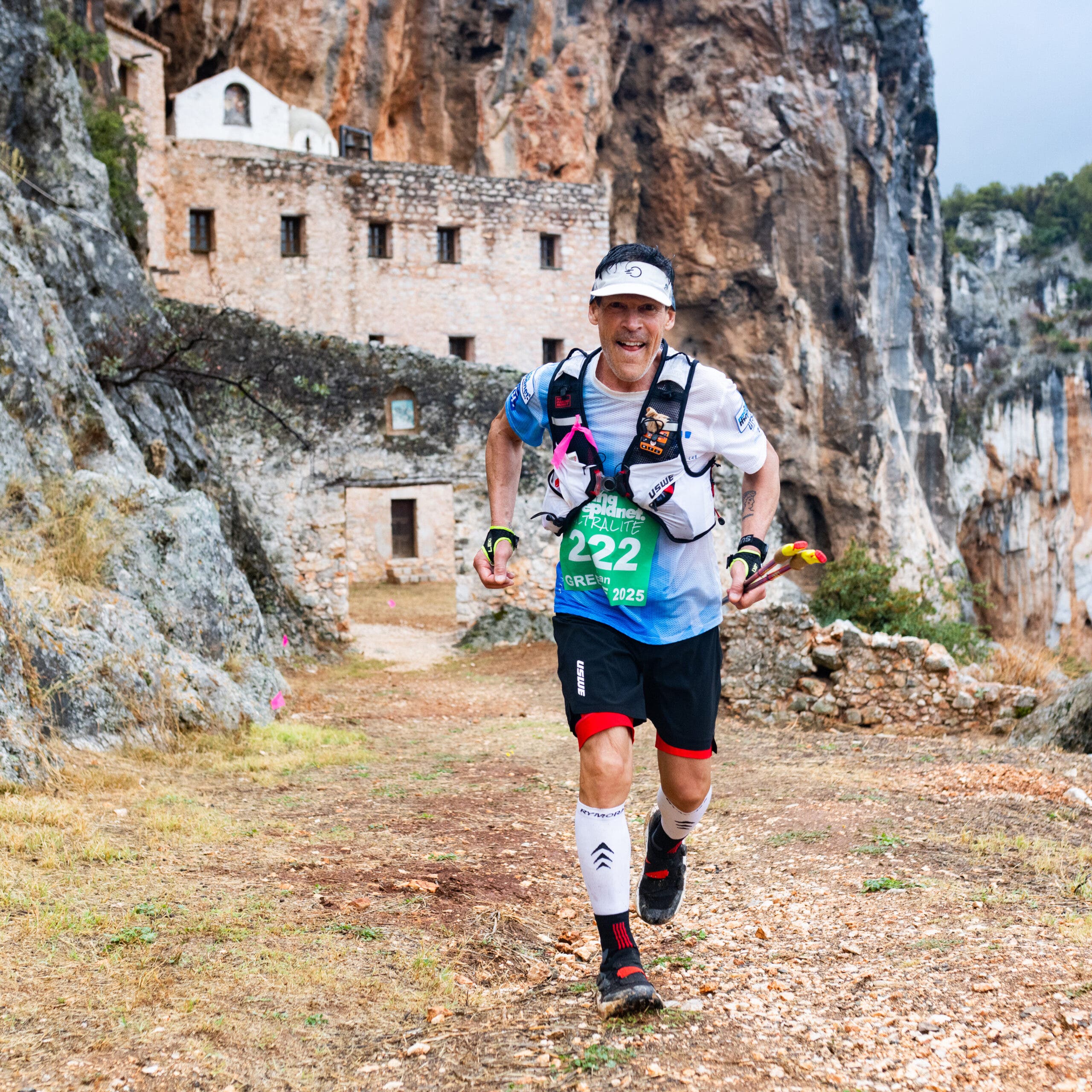
Industry analysts note that this trend has had a profound impact on the outdoor retail market. Companies that once focused on traditional hiking gear have pivoted to accommodate the "fast and light" movement, developing specialized footwear, apparel, and nutrition products designed for high-output endurance activities.
Advice for the Golden Years of Athletics
For the aging athlete, Karnazes offers a philosophy rooted in variety and play. He cautions against the over-quantification of every workout, suggesting that the obsession with data can often sap the joy from the activity.
"Don’t do the same route. Don’t run at the same time of day. Put on a headlamp and run at night," he advises. By treating running as "grown-up play," Karnazes argues that athletes can avoid the mental burnout that often precedes physical decline.
His perspective on the sport remains focused on the sensory experience of the trail. He highlights the unique privilege of the ultrarunner: the ability to witness the sunrise, sunset, and moonrise within a single continuous effort. For Karnazes, the value of the run lies not in the miles logged or the calories burned, but in the enduring connection to the natural world and the persistent curiosity about what lies beyond the next mile.
As the sport of ultrarunning continues to grow—with participation rates in trail races increasing by over 200% in the last decade—the blueprint laid out by Dean Karnazes remains more relevant than ever. From the "dirtbag" days of the nineties to the high-tech, high-stakes environment of 2026, his journey reflects the broader human desire to test the limits of what is possible, one marathon at a time.




 Chandra Hamzah
 Tatiana Tantri Indah Sari
 Budi Mulyono
