
 Anjar Salim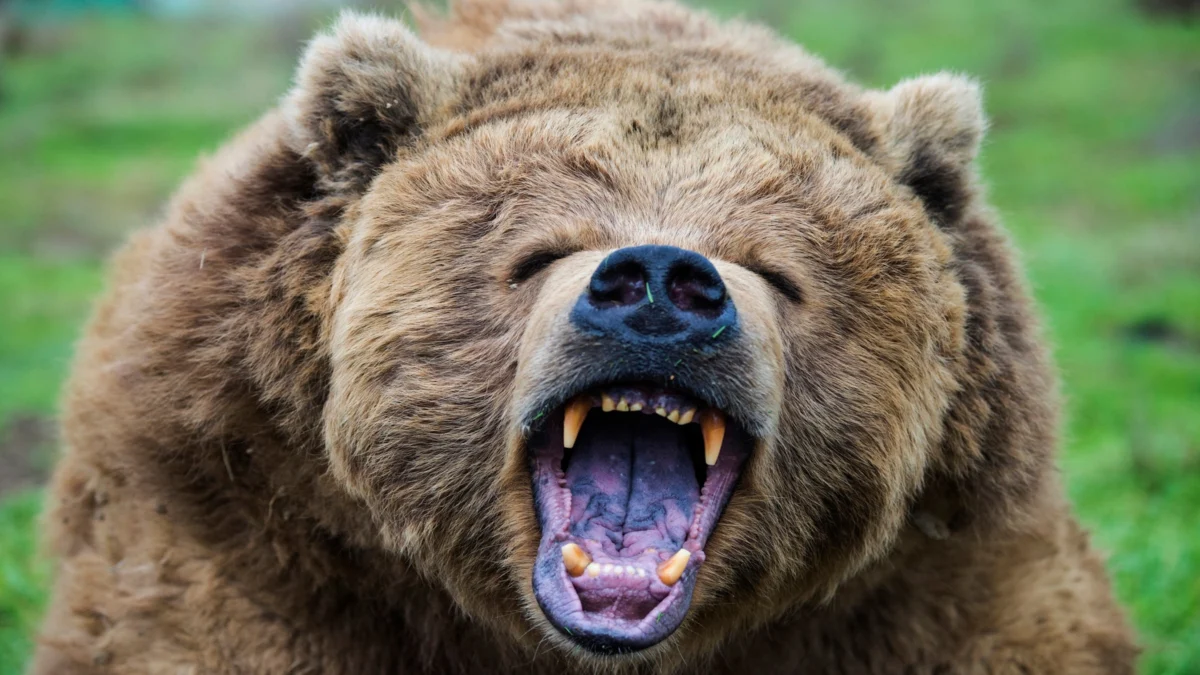
The raw and unyielding reality of the Greater Yellowstone Ecosystem was recently captured in a series of dramatic video clips, documenting a high-stakes confrontation between two of North America’s most formidable apex predators. In a rare display of interspecific competition, a pack of wolves and multiple grizzly bears were filmed engaged in a violent dispute over a bison carcass, highlighting a biological phenomenon known as kleptoparasitism. The footage, captured by wildlife photographer Julie Argyle in early May, provides a window into the brutal survival strategies required in the backcountry, where the acquisition of protein can mean the difference between life and death during the lean spring months.
The encounter centered on the remains of a large bull bison that had reportedly drowned during the winter. As the ice receded and the carcass became accessible, it served as a magnet for the park’s carnivores. The primary footage shows a pack of wolves attempting to secure the meal, only to be challenged by a subadult grizzly bear. The interaction escalated into a series of tactical maneuvers, with the bear swiping and chomping at the wolves while the canines utilized their superior numbers to harass the larger competitor. However, the dynamic shifted significantly when a dominant male grizzly, described by observers as the "king of the carcass," arrived on the scene, asserting absolute dominance over the food source.
The Chronology of the Confrontation
The sequence of events began in the first week of May 2024, a period when Yellowstone’s grizzly bears are emerging from hibernation with depleted fat reserves and a desperate need for high-calorie nutrition. Simultaneously, wolf packs are often supporting new litters of pups, increasing their own demand for stable food sources.
According to Argyle’s documentation, the initial phase of the conflict involved a smaller grizzly bear—likely a subadult or a young female. Because of its relatively modest size, the wolves were emboldened to maintain a close proximity, engaging in "nip-and-run" tactics to distract the bear from the bison remains. A second clip shared by the photographer showed a black wolf snarling and attempting to gnaw on the carcass even as the bear stood guard, a testament to the hunger driving both species.
The climax of the encounter occurred with the arrival of a massive male grizzly. The sheer physical presence of the adult male immediately altered the behavior of every animal present. Unlike the younger bear, which had to actively defend the carcass with swats and lunges, the larger male commanded the space through intimidation. Argyle noted that the wolves immediately increased their distance, recognizing the lethal risk posed by a bear of such stature. This "social order" at the carcass site is a well-documented but rarely filmed aspect of Yellowstone’s wildlife hierarchy.
Scientific Context: The Mechanics of Kleptoparasitism
At the heart of this confrontation is kleptoparasitism, a form of feeding where one animal deliberately takes food that another has caught or prepared. In the Yellowstone ecosystem, this is not merely a behavioral quirk but a fundamental ecological process. Chris Servheen, the former national grizzly bear recovery coordinator for the U.S. Fish and Wildlife Service, noted that while these encounters are rarely caught on such high-quality video, they are a consistent feature of predator life.
"Grizzlies regularly steal carcasses from wolves and even from whole wolf packs," Servheen explained. He emphasized that the energy economics of the wilderness favor the bear in these scenarios. For a grizzly, the caloric cost of chasing a wolf pack and usurping their kill is often lower than the energy required to forage for roots, moths, or small mammals. Conversely, for wolves, the risk of sustaining a debilitating injury from a grizzly swipe often outweighs the benefit of defending a kill.
Research indicates that wolves are frequently the "producers" in this relationship, utilizing their pack structure to bring down large ungulates like elk or bison, while grizzlies act as the "scroungers." However, in this specific instance, the carcass was a "winter kill"—a bison that had succumbed to the elements rather than a predator—making it a neutral prize that both species felt entitled to claim.
Comparative Dynamics: Strength vs. Agility
The physical disparity between the two species dictates their combat tactics. An adult male grizzly in Yellowstone can weigh between 400 and 700 pounds, possessing bone-crushing jaw pressure and paws equipped with four-inch claws. In contrast, a grey wolf typically weighs between 80 and 110 pounds. While a wolf is significantly faster and possesses greater endurance, it lacks the raw power to engage a grizzly in a frontal assault.
Servheen pointed out that a grizzly could easily kill a wolf if it managed to pin the canine down, but such outcomes are rare because wolves are acutely aware of the "danger zone" surrounding a bear. "The grizzly could only catch the wolf if the wolf made a mistake," Servheen said. This creates a "dance" around the carcass, where wolves use their agility to dart in for quick bites while the bear uses its mass to shield the meat.
In the Argyle footage, the subadult bear’s behavior reflected this tension. It was forced to remain hyper-vigilant, as its smaller size did not offer the same level of absolute deterrence as the larger male. This highlights the vulnerability of younger bears, who must balance their need for food with the risk of being overwhelmed by a coordinated wolf pack.
The Role of Carcasses in the Yellowstone Ecosystem
The presence of a large carcass, such as a bull bison, creates what ecologists call a "resource pulse." These events support a wide array of biodiversity beyond just wolves and grizzlies. Once the apex predators have had their fill, the remains provide essential nutrients for coyotes, red foxes, bald eagles, and ravens.
The National Park Service (NPS) has previously noted that the reintroduction of wolves to Yellowstone in 1995 significantly altered grizzly behavior. By providing a more consistent supply of carrion throughout the year, wolves have inadvertently aided grizzly survival, particularly in years when traditional food sources like whitebark pine nuts or cutthroat trout are scarce.
However, the NPS also emphasizes that these interactions are a primary source of interspecific mortality. While rare, grizzlies have been known to dig into wolf dens to prey on pups, and large wolf packs have occasionally succeeded in killing weakened or young bears. The video captured this year serves as a reminder that the "peace" of the wilderness is maintained through a precarious balance of power and mutual respect for lethal capabilities.
Official Responses and Wildlife Management Implications
Wildlife officials use footage like Argyle’s to educate the public on the importance of maintaining distance from park fauna. The proximity of the wolves to the bear in the video—sometimes appearing to be within just a few feet—is a behavior that should never be mimicked by human observers.
The National Park Service issued a statement regarding similar past encounters, noting that "since hunting is dangerous and often unsuccessful, it’s better for wolves to wait their turn at a carcass that has been usurped by a bear than it is for them to continue hunting." This pragmatic approach to survival is a key takeaway for biologists studying predator-prey equations.
Furthermore, the timing of this event is significant for conservationists. As the U.S. Fish and Wildlife Service continues to evaluate the recovery status of the grizzly bear in the Greater Yellowstone Ecosystem, understanding how these bears compete for natural food sources is vital. The ability of grizzlies to successfully compete with wolves for high-protein carcasses suggests a robust and adaptable population capable of navigating the challenges of their environment.
Broader Impact and Environmental Outlook
The "King of the Carcass" video has resonated far beyond the scientific community, garnering thousands of views on social media and sparking renewed interest in Yellowstone’s delicate balance. It serves as a stark contrast to the often-sanitized view of nature presented in popular media.
As climate change continues to alter winter patterns in the Rocky Mountains, the frequency of "winter kills" may shift, potentially leading to more intense competition for fewer resources. If winters become milder, fewer bison may drown or starve, reducing the number of "free" meals available to predators in the spring. This would force wolves to hunt more frequently and grizzlies to rely more heavily on kleptoparasitism, likely increasing the number of these violent confrontations.
For now, the interaction captured by Julie Argyle stands as a definitive record of the "brutal reality" of the backcountry. It underscores the fact that in Yellowstone, no meal is ever truly free, and even the most powerful predators must be prepared to fight for their place at the table. The dominant male grizzly’s eventual takeover of the bison carcass confirms his status at the top of the food chain, a position maintained through a combination of massive size, aggressive defense, and the evolutionary history of a species built for dominance.




 Budi Mulyono
 Chandra Hamzah
 Tatiana Tantri Indah Sari

 Lukman Taruna Persada Ramadan