
 Budi Mulyono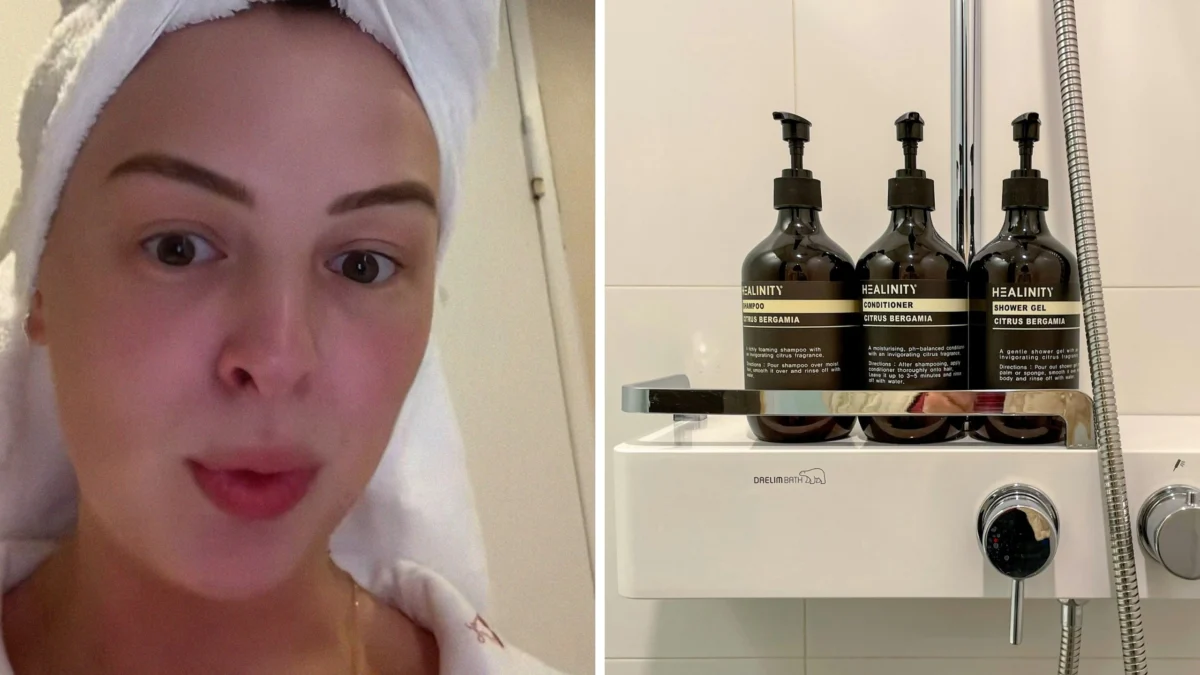
The intersection of travel hygiene and environmental sustainability has become a focal point of international discussion following a viral social media post by an Australian fashion entrepreneur. Brittney Saunders, the founder of the fashion label Fayt, recently released a 22-second video on the platform TikTok that has garnered over 2.1 million views, reigniting a long-standing debate regarding the safety and cleanliness of refillable hotel amenities. In the clip, Saunders advises her 495,000 followers to avoid using large, wall-mounted shampoo, conditioner, and body wash dispensers, citing concerns that the contents may be tampered with by previous guests. This warning comes at a time when the global hospitality industry has largely completed a massive transition from single-use plastic bottles to bulk dispensers as part of broader environmental, social, and governance (ESG) initiatives.

The Genesis of the Viral Warning
The video, captioned "Basically just don’t use anything in a hotel xx," features Saunders speaking directly to the camera from a hotel room. She asserts that travelers should eschew the large bottles bolted to shower walls because "some people tamper with them and put things in them." To emphasize her point, she draws a parallel to a persistent travel urban legend: the claim that guests use hotel kettles to boil soiled undergarments. While the video was presented as a brief public service announcement, the scale of its reach—millions of views within a matter of days—reflects a deep-seated consumer anxiety regarding shared facilities in the post-pandemic travel era.

The response to the video was immediate and polarized. While many commenters expressed newfound fears, labeling the information a "new fear unlocked," others from within the hospitality and manufacturing industries were quick to provide technical rebuttals. These responses highlighted a significant gap between consumer perception and the engineering realities of modern hotel fixtures.
The Technical Reality of Tamper-Proof Dispensers
Industry experts and suppliers of hotel amenities have noted that the "big bottles" Saunders refers to are rarely simple pump containers that can be unscrewed by a guest. Since the industry-wide shift toward bulk dispensers began in earnest around 2018, manufacturers have developed sophisticated locking mechanisms specifically designed to prevent the very tampering Saunders described.
According to representatives from companies specializing in hotel hardware, most modern wall-mounted units are housed in tamper-proof brackets. These brackets typically require a specialized housekeeping key to open. Once locked, the bottle’s pump mechanism and cap are inaccessible, meaning a guest would have to physically destroy the fixture to introduce foreign substances into the product. Commenters identifying as active housekeepers and motel managers confirmed this, noting that the locking systems are often so robust that staff themselves struggle to open them for routine refills.
However, the industry is not uniform. While major international chains such as Marriott, Hilton, and IHG have standardized these secure systems, smaller boutique hotels or older motels may still utilize non-locking dispensers. This inconsistency provides a factual basis for Saunders’ concerns in specific contexts, even if the risk is significantly lower in premium or modernized properties.
Chronology of the Sustainability Shift
To understand the current prevalence of refillable bottles, it is necessary to examine the timeline of the hospitality industry’s move away from single-use plastics. For decades, the "tiny bottle" was a staple of the hotel experience, serving as both a convenience and a souvenir for travelers. However, the environmental cost of this practice became untenable as global awareness of plastic pollution grew.
In August 2019, Marriott International, the world’s largest hotel chain, made a landmark announcement. The company pledged to eliminate single-use shower toiletry bottles from its properties worldwide by the end of 2020. This initiative aimed to replace approximately 500 million small bottles annually, representing a 30% reduction in the company’s overall amenity plastic use. Following Marriott’s lead, IHG (InterContinental Hotels Group) announced a similar commitment to switch its entire estate of over 5,600 hotels to bulk-size amenities. Hilton and Hyatt followed suit shortly thereafter, aligning with global efforts to reduce the carbon footprint of the tourism sector.

By 2026, the year of Saunders’ viral post, the transition is largely viewed as a standard industry practice. The environmental data supporting this shift is substantial. According to industry reports, the move to bulk dispensers has diverted thousands of tons of plastic from landfills annually. Furthermore, the logistics of transporting fewer, larger containers has marginally reduced the carbon emissions associated with the supply chain of guest room amenities.

The Kettle Controversy and Shared Appliances
Saunders’ video also touched upon the controversial use of hotel kettles, a topic that has circulated in travel forums for nearly a decade. The claim that guests use electric kettles to wash laundry, specifically underwear, is frequently cited by flight attendants and frequent travelers as a reason to avoid in-room coffee and tea facilities.
While there is little empirical data to suggest this is a widespread practice, anecdotal evidence from hotel staff suggests that kettles are frequently misused. Comments on Saunders’ post from individuals identifying as former housekeeping staff included claims of finding noodles, soup, and even seafood cooked inside kettles. These anecdotes contribute to a broader "hygiene theater" in which travelers feel the need to perform their own sanitization rituals. Common workarounds suggested by travelers include running a "boil and dump" cycle—boiling plain water and discarding it before use—to theoretically sterilize the unit.
Broader Implications for the Hospitality Industry
The viral nature of Saunders’ warning highlights a significant challenge for hotel brands: balancing sustainability goals with guest perceptions of hygiene. While the environmental benefits of bulk dispensers are clear and measurable, the perceived loss of "freshness" and "security" associated with a sealed, single-use bottle remains a point of friction for some consumers.

Industry analysts suggest that hotels must do more to communicate the security features of their amenities to guests. Transparent labeling that indicates a bottle is "locked and secure" or visible tamper-evident seals could bridge the trust gap. Furthermore, the hygiene of high-touch items—kettles, remote controls, and light switches—remains a top priority for travelers, a sentiment that has remained elevated since the COVID-19 pandemic.

The debate also touches on the economic side of hospitality operations. Bulk dispensers are not only more sustainable but also more cost-effective over the long term. They require less frequent restocking by housekeeping staff and reduce the volume of waste management required by the property. However, if guest dissatisfaction leads to a significant number of travelers bringing their own toiletries—as Saunders suggests—the "sustainability" of the move is partially offset by the plastic waste generated by consumer-purchased travel-size products.
Conclusion and Traveler Best Practices
The controversy sparked by Brittney Saunders serves as a reminder of the complexities inherent in modern travel. While the hospitality industry has made significant strides in reducing its environmental impact through the implementation of refillable amenities, consumer trust remains a variable that cannot be ignored.

For travelers concerned about hygiene, experts recommend a balanced approach. In reputable, major hotel chains, the risk of tampering in shower dispensers is minimal due to advanced locking hardware. However, for those staying in budget accommodations or properties with accessible pump bottles, bringing personal toiletries remains a viable alternative. Regarding shared appliances like kettles, travelers may choose to rely on hotel common-area facilities or perform a pre-use cleaning cycle.
Ultimately, the shift toward a more sustainable hospitality industry requires both corporate commitment and consumer adaptation. As hotel chains continue to refine their guest room offerings, the focus will likely shift toward more transparent hygiene protocols and the continued development of secure, eco-friendly infrastructure. The viral debate of 2026 underscores that while the "tiny bottle" era may be over, the conversation regarding guest safety and environmental responsibility is far from finished.




 Anjar Salim
 Chandra Hamzah
 Tatiana Tantri Indah Sari

