
 Budi Mulyono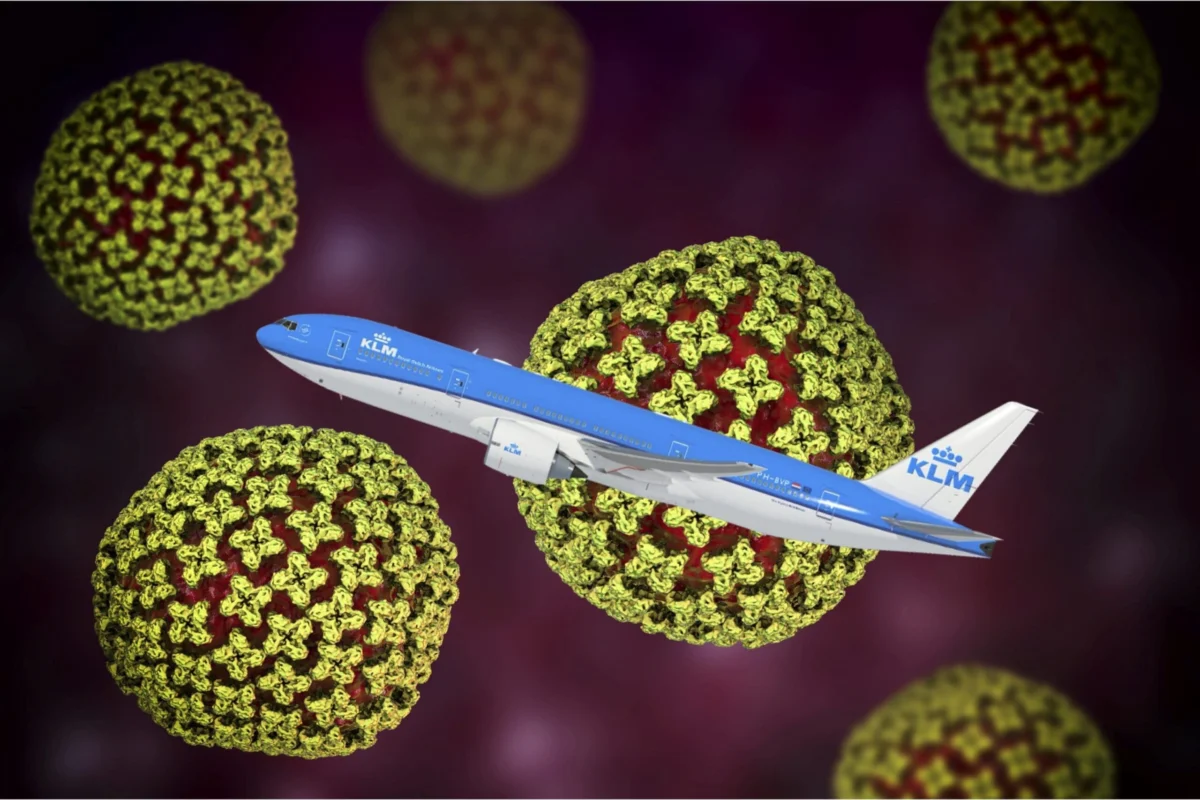
The global aviation industry and public health authorities have recently come under scrutiny following reports of a potential hantavirus exposure involving a commercial flight and a separate outbreak linked to a cruise ship. While these events have sparked concern among international travelers, medical experts and aviation safety specialists emphasize that the risk of contracting hantavirus in an aircraft cabin remains exceptionally low. The convergence of advanced air filtration technology, specific viral transmission characteristics, and rigorous ground-based screening protocols creates a multi-layered defense system that protects the flying public from such rare pathogens.
The KLM Incident: A Chronology of Events
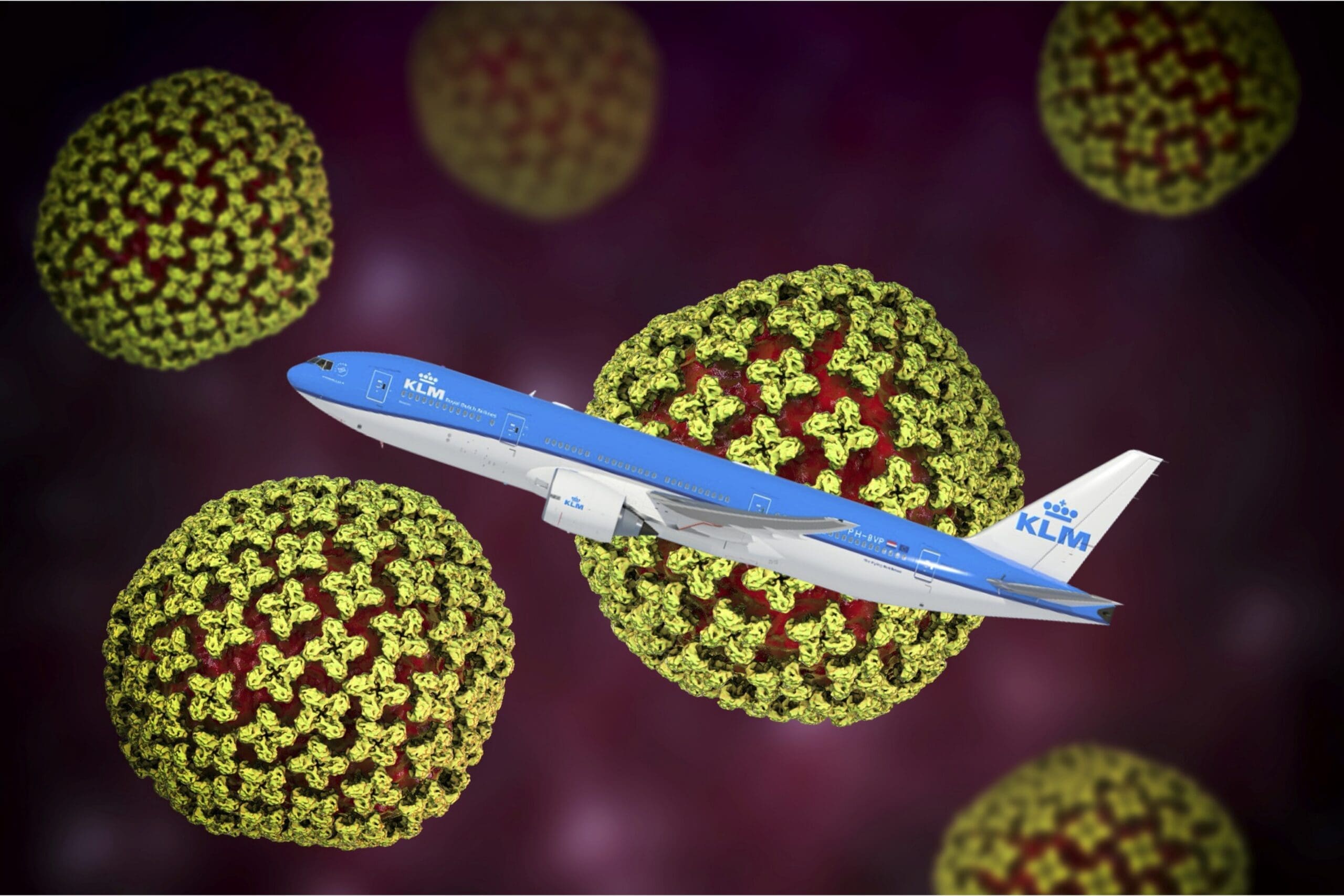
The recent heightening of awareness regarding hantavirus in travel settings stems from a specific incident involving a KLM Royal Dutch Airlines flight. The event began at Johannesburg’s O.R. Tambo International Airport (JNB), where a passenger prepared to board a long-haul flight destined for Amsterdam Airport Schiphol (AMS).
According to reports from Dutch health authorities and airline representatives, the passenger displayed visible signs of severe illness prior to the aircraft’s departure. Recognizing the potential health risk, crew members and ground staff intervened, and the individual was removed from the aircraft before it left the gate. The passenger was immediately transported to a local medical facility for emergency treatment. Despite the rapid intervention, the individual’s condition deteriorated quickly, and she succumbed to the illness the following day.
Subsequent medical evaluations and laboratory testing identified the presence of the Andes strain of hantavirus. This specific strain is of particular interest to epidemiologists because, unlike most other forms of hantavirus, it has demonstrated the capacity for human-to-human transmission. In response to the diagnosis, the Netherlands National Institute for Public Health and the Environment (RIVM) initiated a comprehensive contact-tracing operation. This protocol involved identifying and communicating with passengers and crew members who may have been in close proximity to the deceased individual during the boarding process or while she was seated on the aircraft.
Understanding Hantavirus and the Andes Strain
Hantaviruses are a family of viruses spread mainly by rodents. In the United States and much of the Northern Hemisphere, hantavirus infections typically manifest as Hantavirus Pulmonary Syndrome (HPS), a severe and sometimes fatal respiratory disease. The primary mode of transmission for the majority of hantavirus strains is through the aerosolization of viral particles found in the urine, droppings, or saliva of infected rodents. Humans typically contract the virus by breathing in contaminated air or through direct contact with infected materials followed by touching their mouth or nose.
The Andes virus (ANDV), named after the Andes mountains where it was first identified, represents a unique subset of the Hantaviridae family. While it shares the primary rodent-to-human transmission route—specifically through the long-tailed pygmy rice rat in South America—it is the only hantavirus strain documented to spread between humans. This transmission usually occurs through close contact, such as between family members or healthcare workers and patients.
However, health experts note that the Andes strain is not endemic to the African continent or the United States. Its appearance in a traveler in Johannesburg suggests a complex travel history or a rare cross-continental transmission event. The rarity of the Andes strain outside of its native South American habitat further minimizes the baseline risk for the average international flyer.
Aviation Air Quality and HEPA Filtration Systems
One of the primary reasons health experts remain confident in the safety of air travel is the sophisticated design of modern aircraft environmental control systems (ECS). The air in a commercial jet cabin is not a stagnant pool; rather, it is a highly controlled environment that undergoes total replacement every two to three minutes.
Most modern aircraft, including the Boeing and Airbus models used by major carriers like KLM, utilize High-Efficiency Particulate Air (HEPA) filters. These filters are identical to those used in hospital operating rooms and are capable of capturing 99.97% of airborne particles, including bacteria, fungi, and viral pathogens. The air circulation pattern in a cabin is designed to flow from the ceiling to the floor, rather than front to back. This "laminar flow" significantly reduces the likelihood of respiratory droplets or aerosolized particles traveling between rows.
In the context of the KLM incident, the combination of the passenger being removed before flight and the aircraft’s filtration system effectively neutralized the threat to other passengers. Even if the passenger had remained on board for the duration of the flight, the vertical air movement and constant filtration would have localized any potential viral shedding to the immediate vicinity, rather than allowing it to circulate throughout the entire cabin.
Comparative Risk: Aviation vs. Other Travel Modes
The recent concern regarding hantavirus was amplified by a separate outbreak reported on a cruise ship. However, epidemiologists point out that the transmission dynamics on a cruise ship differ vastly from those on an airplane. Cruise ships involve long-term stays, communal dining, and shared ventilation systems in living quarters that may not always match the rapid air-exchange rates found in pressurized aircraft cabins.
In a cruise ship environment, the risk of rodent-borne illness can be higher if the vessel docks in areas where infected rodent populations are active. Conversely, the high-altitude, low-humidity environment of an airplane cabin is hostile to many viruses. Furthermore, the stringent sanitization protocols implemented by airlines—many of which were permanently enhanced during the COVID-19 pandemic—ensure that surfaces like tray tables, armrests, and overhead bins are regularly treated with high-grade disinfectants.
Official Responses and Public Health Protocols
The response to the KLM incident highlights the efficacy of the International Health Regulations (IHR) established by the World Health Organization (WHO). When a "public health event of international concern" is identified, national health agencies work in tandem with airlines to mitigate spread.
The RIVM in the Netherlands has maintained a transparent line of communication, stating that while the risk to fellow passengers is "negligible," the contact-tracing effort is a standard precautionary measure. KLM has also reaffirmed its commitment to passenger safety, noting that their crew members are trained to identify symptoms of communicable diseases during the boarding process. This "gatekeeper" function is the first line of defense, as seen in the Johannesburg case where the passenger was identified and deplaned before the risk could escalate.
Public health data supports this cautious but calm approach. According to the Centers for Disease Control and Prevention (CDC), Hantavirus Pulmonary Syndrome remains a rare occurrence. In the United States, only several hundred cases have been reported since the virus was first recognized in 1993. The vast majority of these cases are linked to rural areas and activities that involve cleaning or entering enclosed spaces infested by rodents, rather than commercial travel.
Implications for the Travel Industry
The incident serves as a reminder of the challenges facing the global travel industry in an era of high mobility. Pathogens can cross borders in a matter of hours, necessitating a robust infrastructure for detection and response. For airlines, the financial and operational implications of a health scare can be significant, ranging from the costs of specialized aircraft deep-cleaning to the loss of passenger confidence.
However, the industry has demonstrated resilience through technological investment. The widespread adoption of touchless technology, improved boarding procedures to prevent crowding, and the continued use of hospital-grade air filtration have made the modern cabin one of the cleanest indoor environments available.
For travelers, the takeaway is one of informed caution rather than alarm. Health experts recommend standard hygiene practices that are effective against a wide range of illnesses, including hantavirus and seasonal influenza:
- Frequent handwashing with soap and water or the use of alcohol-based hand sanitizers.
- Avoiding the touch of one’s face, particularly the eyes, nose, and mouth.
- Utilizing sanitizing wipes on high-touch surfaces like tray tables and seatbelt buckles.
- Monitoring one’s own health and refraining from travel if symptoms of fever or respiratory distress develop.
Final Analysis: Balancing Vigilance and Perspective
While the death of the passenger in the KLM incident is a tragedy, it does not signal a new era of hantavirus risk for flyers. The Andes strain remains a geographic anomaly, and its human-to-human transmission capabilities are limited to close, prolonged contact—conditions that are largely mitigated by the rapid air turnover and filtration of commercial jets.
The swift action taken by the ground crew in Johannesburg and the subsequent transparency of Dutch health authorities demonstrate that the systems designed to catch and contain infectious diseases are functioning as intended. As long as airlines maintain their current filtration standards and public health agencies remain vigilant in their monitoring, the likelihood of a hantavirus outbreak occurring mid-flight remains statistically infinitesimal.
Flying continues to be a safe mode of transport, supported by decades of engineering focused on air quality and a global network of health professionals dedicated to the early detection of emerging threats. For the vast majority of passengers, the primary focus should remain on routine health precautions, allowing the advanced technology of the aircraft and the expertise of health officials to manage the complexities of rare viral threats.




 Anjar Salim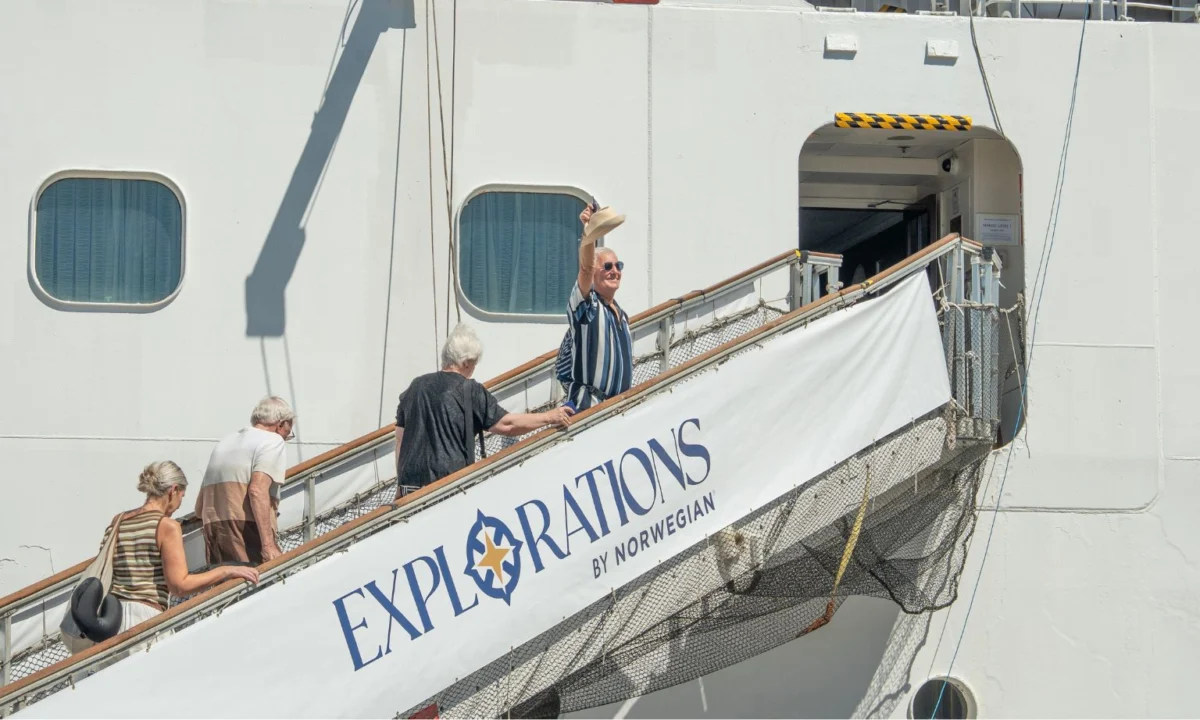
 Chandra Hamzah
 Tatiana Tantri Indah Sari

