
 Hendra Ismail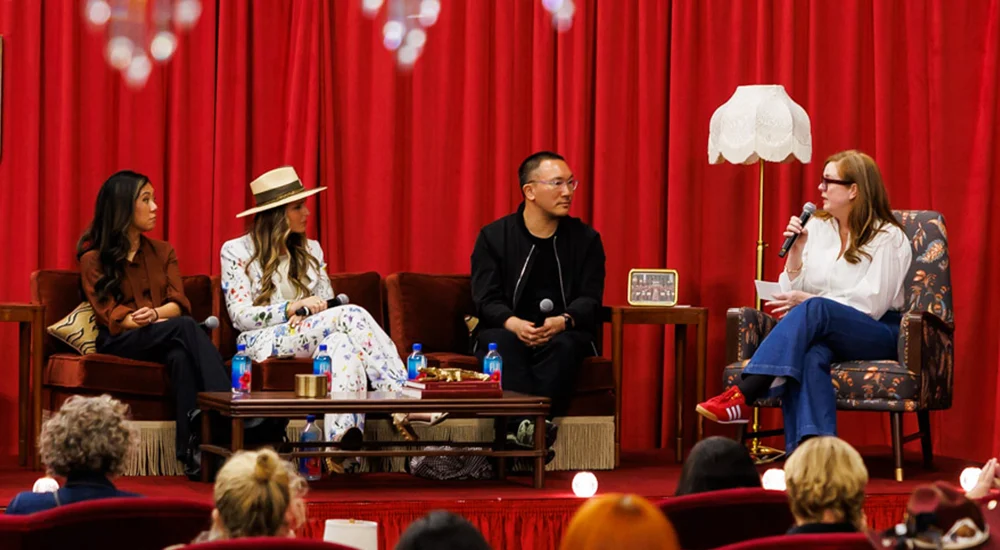
The second day of HD Expo, a premier event for the hospitality design industry, unfolded with a series of insightful conference sessions that illuminated the evolving landscape of guest experiences. Industry leaders and design experts converged to explore how a multifaceted approach to hospitality design—encompassing sensory branding, contextually relevant wellness, and the thoughtful revitalization of legacy properties—is creating more profound emotional connections and operational efficiencies. The overarching theme underscored a shift towards design that is not only aesthetically pleasing but also deeply resonant, contextually aware, and meticulously executed.
The Genesis of HD Expo and its Significance
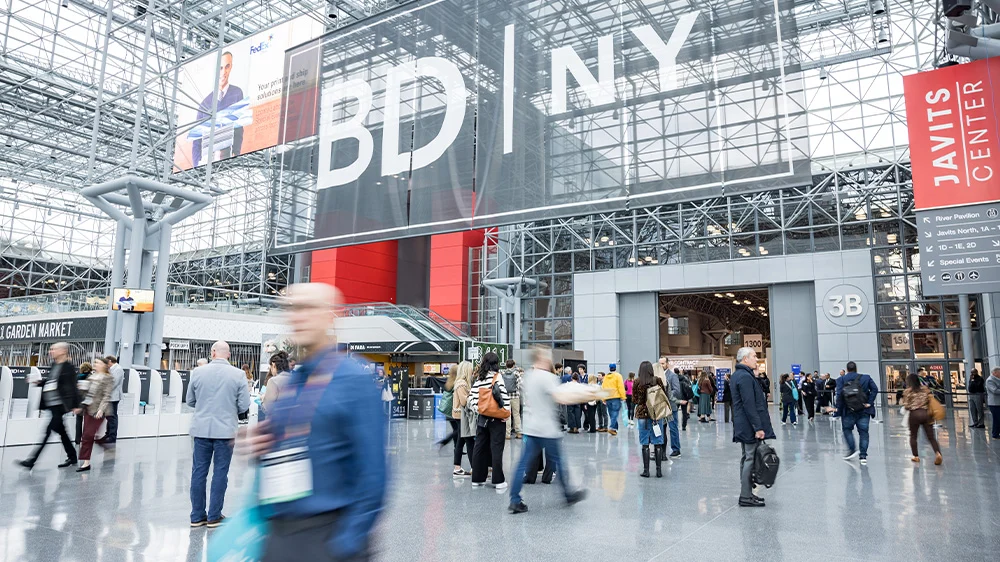
HD Expo, produced by Hospitality Design magazine, has long served as a crucial nexus for designers, architects, owners, operators, and manufacturers in the hospitality sector. Held annually in Las Vegas, the event provides a platform for showcasing cutting-edge products, sharing innovative ideas, and fostering dialogue on the trends shaping the future of hotels, restaurants, bars, and other hospitality venues. This year’s iteration, building on the momentum of its opening day, continued to delve into the intricate ways design influences guest perception, satisfaction, and ultimately, brand loyalty. The sessions on day two specifically highlighted how an increasingly sophisticated consumer demands more than just a comfortable stay; they seek immersive, memorable, and emotionally engaging environments.
Multisensory Design: Weaving Brand Narratives Through Experience
A significant takeaway from Wednesday’s discussions was the profound evolution of hospitality branding, extending far beyond traditional visual cues. The "Hospitality as a Multisensory Brand Narrative" panel emphasized that a brand’s identity is now intricately woven into the entire spectrum of sensory input a guest encounters. This includes not only the visual aesthetics of interior design but also the subtle influences of scent, lighting, sound, materiality, and even tactile sensations.
Michelle Gagnon of Bio Alchemy Olfactive articulated this concept powerfully, stating, "Every space you walk into is multisensory. You’re going to see things, smell things, hear things, touch things, maybe taste things. So it’s really about having control and telling a cohesive story among those elements that enhance your brand." This holistic approach suggests that brands must intentionally curate every sensory touchpoint to create a unified and impactful narrative. The strategic deployment of scent, for instance, can evoke specific emotions and memories, while carefully considered lighting can alter perceptions of space and mood. The choice of materials, from the smooth coolness of marble to the warm texture of wood, contributes to a tactile dialogue with the guest.
This principle was further reinforced during the "Private Club Effect: Amenity-Rich Living in Hospitality" session. Panelists discussed how the careful orchestration of materials, lighting, scent, and comfort directly shapes the emotional resonance of a space. Colby Weaver Walker of InterMountain Renovations succinctly captured this sentiment: "People remember how a space makes them feel." This underscores that multisensory design is not merely an add-on but an intrinsic component of how a property communicates its core values—quality, a sense of belonging, and the creation of lasting memories. In an era where authenticity and emotional connection are paramount, brands that master this sensory storytelling are poised to forge deeper relationships with their clientele.
Site-Specific Design: Listening to the Land and Culture
The concept of site-specific design emerged as a critical element in creating authentic and resonant hospitality experiences. In the "Site as Strategy: The Architecture of Wellness" session, speakers advocated for a design philosophy rooted in restraint and deep observation. Rather than imposing pre-conceived notions onto a location, designers are increasingly tasked with allowing the inherent characteristics of the site—its natural landscape, cultural heritage, climate, and the anticipated guest journey—to guide the creative process.
Jorey “Shosh” Friedman of 10 Design highlighted this approach: "Site-responsive design requires a lot of restraint more than anything else. You restrain yourself from pre-thinking what the project is going to be, so that you don’t impose buildings on it, but instead listen to what the site is telling you." This philosophy necessitates a departure from a one-size-fits-all design methodology, encouraging a more nuanced and contextually intelligent approach. It acknowledges that a building’s success is intrinsically linked to its harmonious integration with its surroundings.
This principle extends beyond the architectural form to encompass the experiential programming offered by a property. Jeanine Allpress Cliffe of TLEE Spas + Wellness described this discovery process as an immersion into the destination. This involves exploring local art galleries, botanical gardens, indigenous plant life, cultural practices, and even the competitive landscape to ensure that wellness offerings are deeply aligned and in tune with the specific locale. The goal is to create programming that feels organic and authentic to the place, thereby enhancing the guest’s connection to their surroundings. This approach acknowledges that true luxury often lies in authentic experiences that are inextricably linked to their geographical and cultural context.
Wellness Redefined: From Spa Amenity to Pervasive Atmosphere
Building upon discussions from the first day of HD Expo, the "Site as Strategy" panel further advanced the notion of wellness, moving it beyond the confines of a traditional spa. Panelists described wellness as an encompassing element, integrated into every facet of the guest experience, from the moment of arrival and circulation pathways to gardens, outdoor spaces, architectural design, sensory cues, and overarching programming.
"Wellness is really moved from the idea of a four-wall spa at one section of the property to the entire immersive experience for the guests from the minute they arrive," explained Allpress Cliffe. This fundamental shift signifies that wellness is no longer a peripheral amenity but a core philosophy that permeates the entire guest journey. It underscores a growing understanding that well-being is a holistic state influenced by the environment, activities, and overall atmosphere.
This broader definition of wellness also fosters a more integrated conversation around nature, sensory design, and sustainability. Allpress Cliffe linked wellness to "decompression and detachment from all of our electronics," highlighting the restorative power of mindful engagement with one’s surroundings. Friedman further elaborated on this connection, pointing to passive energy systems, the influence of circadian rhythms, and the thoughtful use of natural light as examples of how sustainability and wellness are becoming increasingly intertwined. He expressed optimism that, "Over time, they’re just going to be one and the same, hopefully." This convergence suggests a future where sustainable design practices inherently contribute to guest well-being, creating environments that are both ecologically responsible and conducive to personal health. The growing emphasis on biophilic design, which seeks to connect building occupants more closely to nature, is a testament to this evolving integration.
The Enduring Value of Legacy Properties: Authenticity Over Uniformity
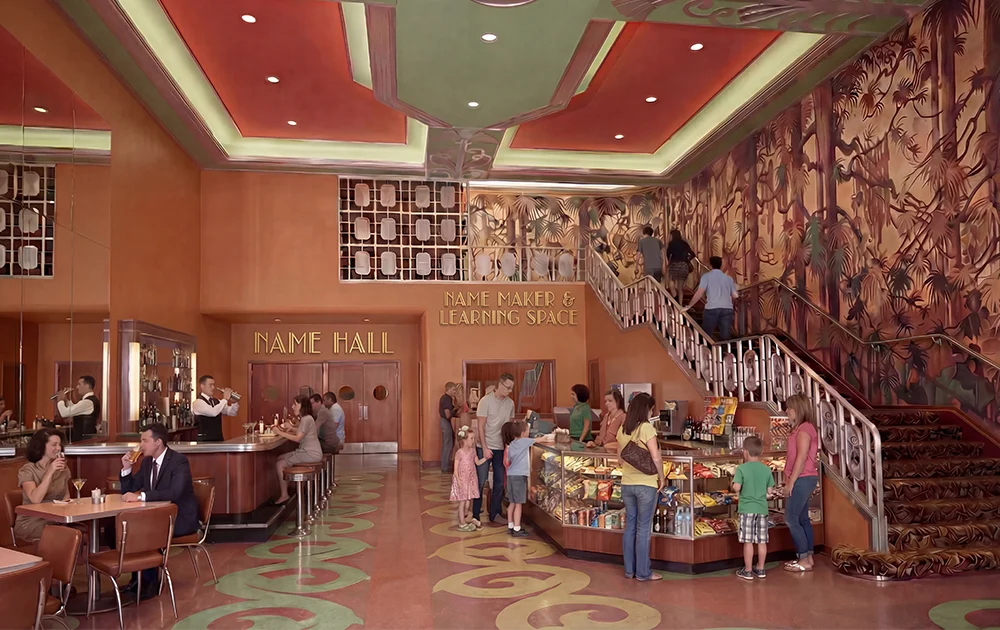
The session titled "Restoring the Past, Designing the Future: Repositioning Legacy Hotels for Today’s Guest" brought into sharp focus the significant business case for preserving the unique character of historic hospitality properties. While renovations of older buildings can present greater complexities, higher costs, and extended timelines, panelists argued that their intrinsic value often lies in their irreplicable heritage and the memories they hold.
Victor Schmick of Davidson Hospitality Group articulated this point, stating, "There’s an inherent value that can’t be tabulated in a pro forma." He cited the Grand Hotel on Mackinac Island, Michigan, as an example of a property deeply entwined with generations of guest memories. "We’re investing in intrinsic emotion," he added, emphasizing that the emotional connection and historical significance of such properties offer a unique selling proposition that transcends purely financial metrics. This sentiment reflects a growing recognition in the industry that authenticity and a sense of place are increasingly valuable commodities for discerning travelers.
Liana Hawes Young of Wimberly Interiors echoed this sentiment, discussing the delicate balance required in refreshing iconic properties like the Hotel del Coronado. The process demands a careful consideration of operational needs, design aspirations, historic preservation mandates, and the cherished memories of returning guests. "There’s a community behind what you’re doing," she noted, underscoring the need for extensive stakeholder engagement and a collaborative approach.
Jessica Sheridan of Mancini Duffy shared insights from the repositioning of Nine Orchard, a former bank building transformed into a hotel in Manhattan’s Lower East Side. The design concept aimed to "maintain a sense of place and to create the storytelling aspect of the experience," including the intentional variation in room design, where "every room is a little bit different." This approach challenges the conventional notion of uniform brand standards, suggesting that in legacy properties, a degree of individuality can enhance the guest experience and contribute to a stronger sense of narrative. Schmick further addressed the inherent friction between brand uniformity and historic character, noting that adaptive reuse projects often necessitate "a heartfelt conversation with the brand about what’s actually going to drive rate." This highlights the importance of strategic brand alignment that respects and leverages the unique DNA of historic sites. The ability to successfully integrate modern amenities and operational efficiencies while preserving the soul of a historic property is a testament to sophisticated design and strategic thinking.
Cultivating Belonging: The Synergy of Emotional Design and Operational Excellence
The "Private Club Effect" session underscored the paramount importance of fostering a sense of belonging, particularly within lifestyle hospitality, fitness, and luxury environments. Panelists emphasized that this feeling of inclusion is not an accidental byproduct but a deliberate outcome of aligning programming, design, and service to tell a consistent story.
"Belonging is alignment," stated Weaver Walker. "It’s whenever the programming and the design and the service all come together and they tell the same story." This interconnectedness is crucial for creating an environment where guests feel welcomed, understood, and valued. The seamless integration of these elements ensures that every touchpoint reinforces the desired brand message and emotional experience.
However, belonging is not solely an emotional construct; it is also deeply rooted in operational precision. Andrew Lee of Equinox stressed the necessity of understanding the local clientele, market dynamics, and the practical flow of a space. Joyce Lynn Lagula of PerkinsEastman further emphasized that "the frictionless guest experience is key, and sometimes drives your decision-making." This focus on operational efficiency extends to every aspect of the guest journey, from accessible parking and intuitive wayfinding to smooth circulation, clearly defined tiered access, and a welcoming initial arrival moment. The panelists collectively made it clear that achieving true hospitality excellence hinges on a harmonious balance between evocative emotional design and meticulous functional execution. The ability to anticipate guest needs and remove potential points of friction is a hallmark of superior hospitality, contributing significantly to a sense of ease and belonging. This focus on operational detail, when executed flawlessly, allows the emotional design to shine without being undermined by practical inconveniences.
The discussions at HD Expo day two served as a powerful reminder that the future of hospitality design lies in creating experiences that are deeply personal, contextually relevant, and seamlessly executed. By embracing multisensory storytelling, respecting the unique spirit of each location, and thoughtfully integrating wellness into the fabric of every experience, the industry is poised to forge even stronger connections with guests, fostering loyalty and creating truly unforgettable stays. The emphasis on legacy preservation also signals a growing appreciation for the enduring value of history and authenticity in an increasingly homogenized world.

 Anjar Salim
 Chandra Hamzah
 Tatiana Tantri Indah Sari
 Budi Mulyono

