
 Hendra Ismail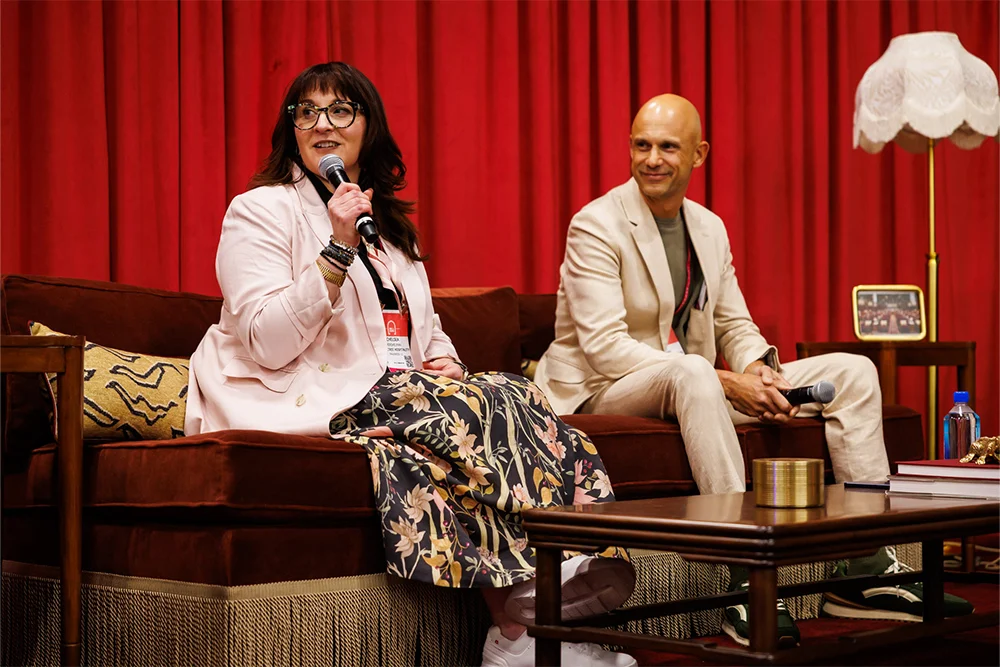
The year 2026 has been a vibrant tapestry woven with threads of high fashion, cinematic nostalgia, and groundbreaking shifts in design and experiential art. As the industry collectively reflects on the past year, several key events and developments have captured the attention of tastemakers, professionals, and the public alike. From the dazzling artistry of the Met Gala to the comforting familiarity of beloved New York eateries revisited on the silver screen, and the emergence of new paradigms in governmental design and wellness spaces, this period has offered a rich milieu of conversation and innovation. The "Five on Friday" series this week encapsulates some of these most talked-about moments, providing a snapshot of a dynamic cultural and professional landscape.
Met Gala 2026: Where Haute Couture Met Masterpiece
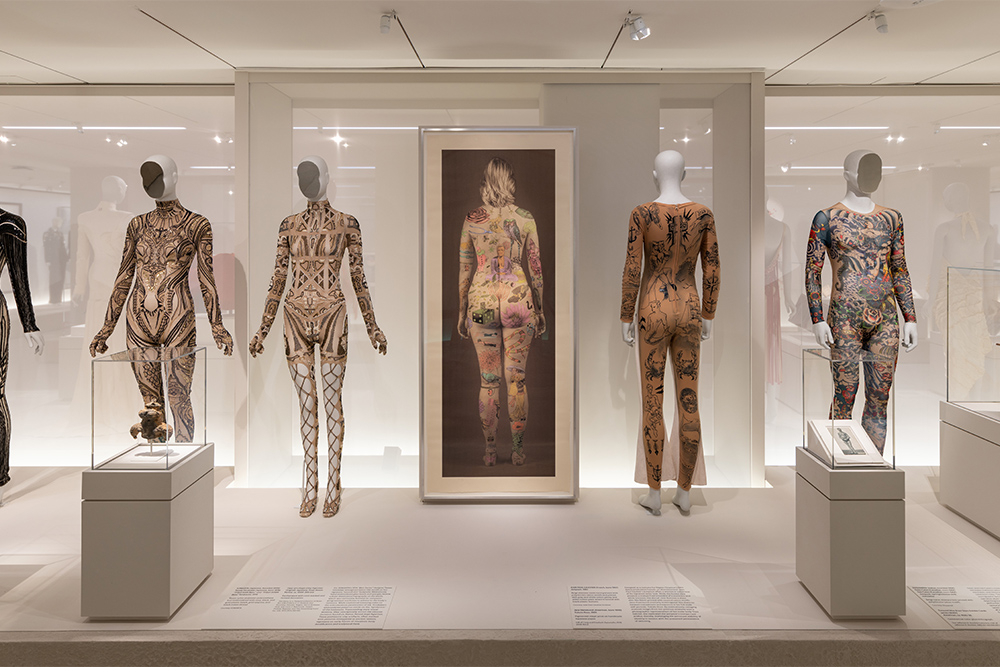
The annual Costume Institute Gala, often dubbed "fashion’s biggest night," reached new heights of artistic synthesis in 2026. The event, which serves as a fundraiser for the Metropolitan Museum of Art’s Costume Institute and marks the opening of its latest exhibition, saw attendees and designers draw profound inspiration from iconic works of art. This year’s theme, "Costume Art," seamlessly blended the realms of visual arts and haute couture, transforming the iconic red carpet into an avant-garde gallery.
Vogue‘s comprehensive analysis of the evening’s fashion revealed a deliberate and sophisticated engagement with art history. Gracie Abrams’ ensemble, a testament to meticulous craftsmanship, paid homage to Gustav Klimt’s opulent "Adele Bloch-Bauer I," a painting renowned for its intricate gold leaf and decorative patterns. Similarly, Hunter Schafer, consistently celebrated for her daring fashion choices, presented a nuanced interpretation of Klimt’s "Mäda Primavesi," showcasing a keen understanding of the artist’s stylistic evolution.
The influence extended to more avant-garde and provocative pieces. Kim Kardashian, alongside Heidi Klum, embraced a bold aesthetic inspired by Allen Jones’s "Body Armour," a series known for its playful yet challenging exploration of the human form and its relation to furniture. Klum’s interpretation was particularly striking, offering a spectral reimagining of Giovanni Strazza’s "The Veiled Virgin," a neoclassical sculpture celebrated for its ethereal depiction of drapery. This juxtaposition of classical sculpture with contemporary fashion highlighted the enduring power of artistic archetypes.
Adding a theatrical dimension to the evening, Queen Mother Madonna’s appearance was a performance in itself. Her ensemble, inspired by Leonora Carrington’s surrealist masterpiece "The Temptation of St. Anthony. Fragment II," featured a dramatic headpiece that required an entourage to support, embodying the mystical and often unsettling narratives of Carrington’s work. Luke Evans, representing a significant segment of the LGBTQ+ community, donned a head-to-toe leather outfit that drew direct inspiration from the iconic, hyper-masculine drawings of Tom of Finland, a celebrated artist whose work has profoundly influenced queer culture and aesthetics.
Artist Amy Sherald, whose portraiture has brought significant visibility to Black subjects in art, also made a personal statement. Her Thom Browne ensemble was directly inspired by her own 2013 painting, "Miss Everything (Unsuppressed Deliverance)," blurring the lines between artist, muse, and artwork. This self-referential approach underscored the exhibition’s theme of art informing fashion and vice versa.
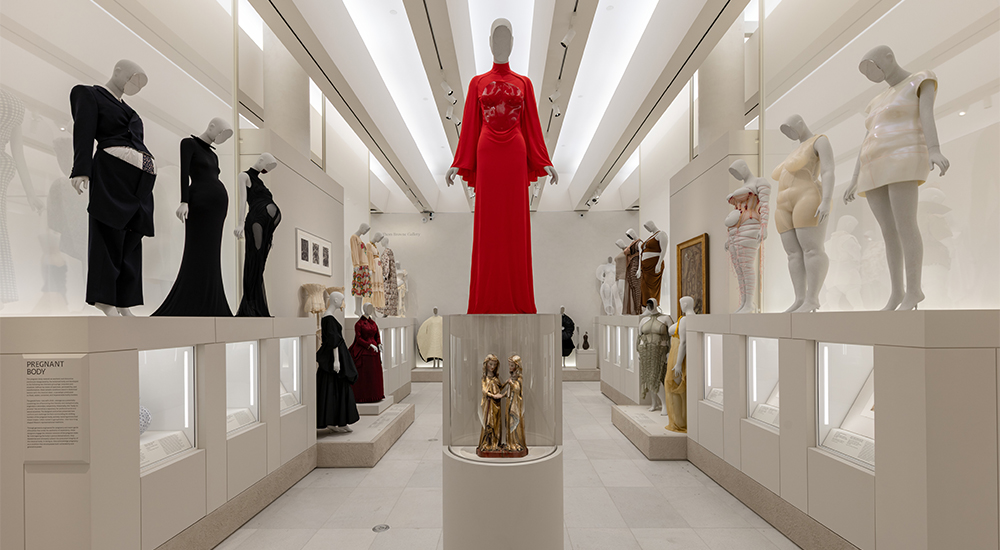
However, for many observers, Emma Chamberlain’s presentation was a standout moment. Her custom Mugler creation, featuring hand-painted watercolors, evoked a sense of fluid artistry and delicate beauty, capturing the essence of watercolor as a medium and its inherent luminosity. This particular ensemble exemplified the exhibition’s core concept: the translation of artistic principles into wearable art. The success of these sartorial interpretations can be partly attributed to the growing trend of celebrity stylists and designers engaging directly with art historians and curators to ensure authenticity and depth in their creative expressions, a practice that elevates red carpet fashion from mere adornment to a form of critical discourse.
"The Devil Wears Prada 2": A Culinary Tour of New York City
The highly anticipated sequel, "The Devil Wears Prada 2," not only delivered a dose of the familiar workplace drama but also served as a love letter to the iconic culinary landscape of New York City. For viewers who, like many, revisited the film’s cinematic offerings last weekend, the familiar backdrops of the city’s renowned restaurants and bars provided a comforting and evocative layer to the narrative. The film’s narrative, set against the backdrop of the ever-evolving fashion and editorial industries, strategically placed its characters within a constellation of beloved hospitality destinations, many of which have stood the test of time.
Eater’s compilation of the film’s filming locations highlighted several legendary establishments. The recently revitalized Waldorf Astoria New York, a landmark of architectural grandeur and historical significance, made a notable appearance, underscoring its continued relevance as a symbol of luxury and enduring class. Tribeca’s quintessential Bubby’s, a restaurant known for its comforting American fare and a staple for locals and visitors alike, featured prominently. Its inclusion echoes its previous appearance in the FX series "Love Story: John F. Kennedy Jr. and Carolyn Bessette," solidifying its status as a cinematic favorite.
The film also showcased the vibrant Soho dining scene with a cameo from Jack’s Wife Freda, a popular eatery known for its eclectic menu and lively atmosphere. These choices reflect a deliberate effort by the filmmakers to ground the high-stakes world of fashion in the tangible reality of New York’s culinary heritage.
A particularly poignant scene unfolds at Marlow East, where Anne Hathaway and Emily Blunt’s characters share fries and a moment of reconciliation. This setting, a testament to the city’s diverse gastronomic offerings, provided a fitting backdrop for the film’s emotional denouement. While the Long Island Bar in Cobble Hill was featured in early promotional materials, its absence from the final cut did not diminish the overall impact of the film’s culinary curation. The scarcity of reservations at such establishments, as noted by critics, further underscores their desirability and the film’s ability to capture the zeitgeist of New York’s dining scene. The integration of these real-world locations adds an immersive quality to the film, allowing audiences to not only connect with the characters but also to experience a virtual tour of the city’s celebrated hospitality venues. This trend of featuring authentic, well-established restaurants in film and television has been on the rise, reflecting a growing audience appetite for relatable and aspirational settings.
A New Era of Governmental Design: The Inaugural U.S. Chief Brand Architect
In a move that signals a significant shift in how government interfaces with the public, Peter Arnell has been appointed as the inaugural U.S. Chief Brand Architect. This unprecedented role, established within the newly formed National Design Studio, is tasked with shaping the identity and perception of a "different type of government." The appointment, as reported by Dezeen, marks a pivotal moment in the strategic deployment of design principles within the public sector.
Arnell brings a wealth of experience from his extensive work with prominent global brands, including DKNY, Samsung, Unilever, and Chrysler, as well as his notable contributions to the Fire Department of the City of New York. His mandate within the National Design Studio is ambitious, encompassing the overhaul of existing government websites and the launch of new digital platforms, such as the controversial "Trump RX," intended to address healthcare system initiatives.
Arnell’s perspective on the pace of governmental operations is particularly striking. He told Dezeen, "This government, unlike many, wants to move at lightning speed." He further elaborated on the unique challenges faced by the studio, stating, "I think the largest challenge that we all face is keeping up with the extraordinary amount of powerful demands and incredible desires that have been coming into the office of National Design at a rate that is truly 10 times over the private sector." This assertion highlights a departure from traditional bureaucratic sluggishness, suggesting a commitment to agile development and rapid implementation of design strategies.
The implications of this appointment are far-reaching. By professionalizing the approach to government branding and digital presence, the administration aims to enhance transparency, improve citizen engagement, and foster a more modern and accessible public service. The success of this initiative will hinge on its ability to navigate the complexities of public policy, stakeholder consensus, and the inherent challenges of large-scale governmental change. However, the strategic investment in design leadership signals a forward-thinking approach to governance, recognizing the power of branding and user experience in shaping public perception and trust. This development could set a precedent for other nations seeking to modernize their public sector communication and service delivery.
Corvas Brinkerhoff’s Submersive: Blending Experiential Art with Wellness
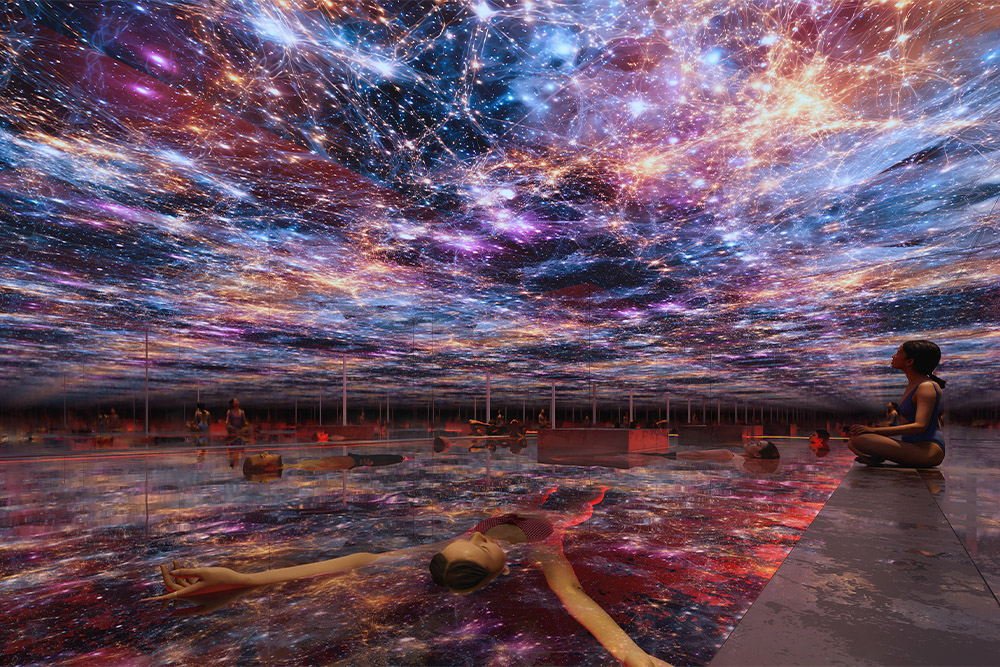
Corvas Brinkerhoff, a co-founder of the globally recognized immersive art collective Meow Wolf, is venturing into a new, more introspective realm with the development of "Submersive," an innovative "art bathhouse" slated to open in Austin in the summer of 2027. Meow Wolf, known for its mind-bending, interactive installations in Las Vegas, Denver, and other locations, has consistently pushed the boundaries of experiential art. Now, Brinkerhoff is channeling this creative energy into a project focused on grounding and rejuvenation.
The Architect’s Newspaper reports that Submersive will be a 20,000-square-foot sanctuary designed to elevate the practice of hydrotherapy through a sophisticated integration of art and technology. The concept promises to immerse visitors in an environment enhanced by cutting-edge light installations and projection art, creating a multi-sensory experience that transcends traditional spa offerings.
Drawing inspiration from the rich traditions of Japanese and Turkish bathing cultures, Submersive will feature 12 distinct rooms, each offering a unique therapeutic journey. A central gathering hub will serve as a communal space for guests, fostering a sense of connection and shared experience. This venture represents a significant convergence of the burgeoning wellness industry and the growing demand for experiential design.
The timing of Submersive’s development aligns with a broader cultural shift towards prioritizing mental and physical well-being. As societal pressures increase, individuals are seeking out spaces that offer respite, rejuvenation, and a departure from the everyday. Brinkerhoff’s background in creating highly engaging and transformative environments positions him uniquely to deliver an art bathhouse that is not only aesthetically compelling but also deeply restorative. The fusion of ancient bathing rituals with contemporary artistic expression and technological innovation is poised to redefine the concept of urban wellness, offering a unique antidote to the stresses of modern life. The potential impact of such a venue extends beyond individual well-being, potentially influencing the future of hospitality and leisure design by demonstrating the powerful synergy between art, technology, and personal care.
HD Expo 2026: A Deep Dive into the Future of Hospitality Design
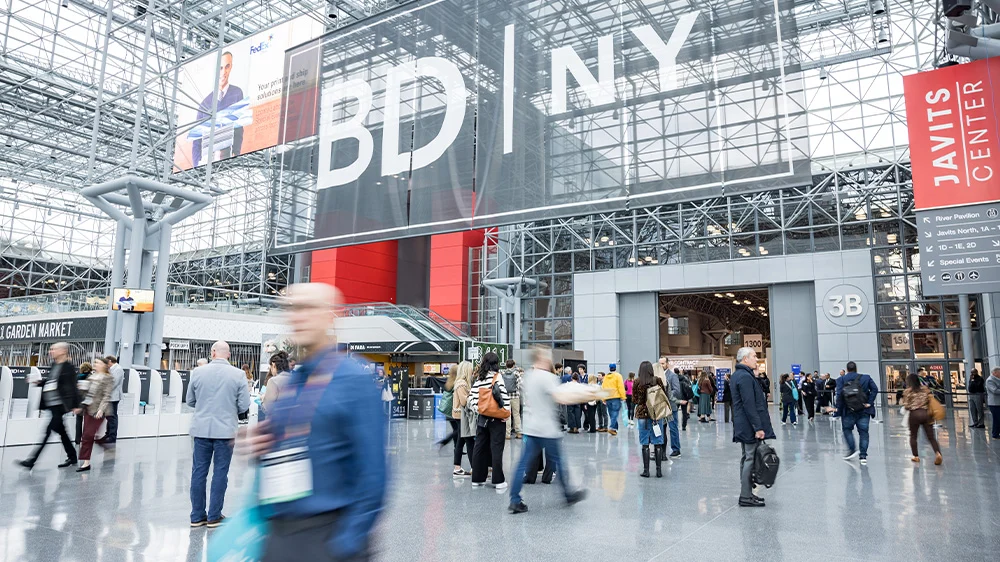
The recent conclusion of HD Expo in Las Vegas marked a significant moment for the hospitality industry, offering a comprehensive overview of current trends, emerging innovations, and the future trajectory of design and guest experience. The expo floor and its associated panel sessions served as a crucial platform for industry professionals to exchange insights and forge valuable connections.
Key takeaways from the various expert discussions underscored the increasing imperative of integrating wellness considerations into every facet of hospitality design. This holistic approach recognizes that guest comfort and satisfaction extend beyond aesthetics to encompass physical, mental, and emotional well-being. The expo also highlighted a notable shift towards a new precedent of luxury, characterized by greater restraint, contextual awareness, and a focus on authentic experiences rather than ostentatious displays. This evolution suggests a more discerning traveler who values substance and thoughtful design.
The delicate balance between business acumen and creative design was a recurring theme, emphasizing the need for projects that are both commercially viable and artistically resonant. Discussions also delved into the power of multisensory design, exploring how to engage guests through sight, sound, touch, taste, and smell to create memorable and emotionally impactful experiences. The precision required to achieve such emotional resonance was a key point of emphasis, suggesting that successful hospitality design requires a deep understanding of human psychology and sensory perception.
The expo floor itself was a vibrant showcase of creativity and innovation, featuring glamorous and experiential booths that invited attendees to explore new product launches and connect with leading manufacturers and designers. The annual Best Booth Awards celebrated excellence in presentation and engagement, with Williams-Sonoma Business to Business taking home the coveted top prize. This recognition underscores the importance of impactful visual merchandising and experiential storytelling within the trade show environment.
Beyond the expo floor, the 22nd annual HD Awards ceremony recognized outstanding achievements in hospitality design projects and products. The Standard, Brussels, received the prestigious Best in Show award for projects, signifying its exemplary execution and design innovation. In the product category, Kevin Barry Art Advisory earned the same honor for its art program at Colorado’s Chamonix Casino Hotel, highlighting the growing importance of curated art experiences within hospitality spaces. The week was further punctuated by a series of celebratory events, underscoring the industry’s collaborative spirit and its commitment to recognizing excellence. The success of HD Expo 2026 serves as a testament to the industry’s resilience, adaptability, and its unwavering pursuit of creating exceptional guest experiences. The collective energy and shared vision evident at the event suggest a promising future for the hospitality sector, one that is increasingly focused on thoughtful design, holistic well-being, and authentic connection.


 Budi Mulyono
 Anjar Salim
 Chandra Hamzah
 Tatiana Tantri Indah Sari

 Lukman Taruna Persada Ramadan