
 Diana Nuri Rohmawati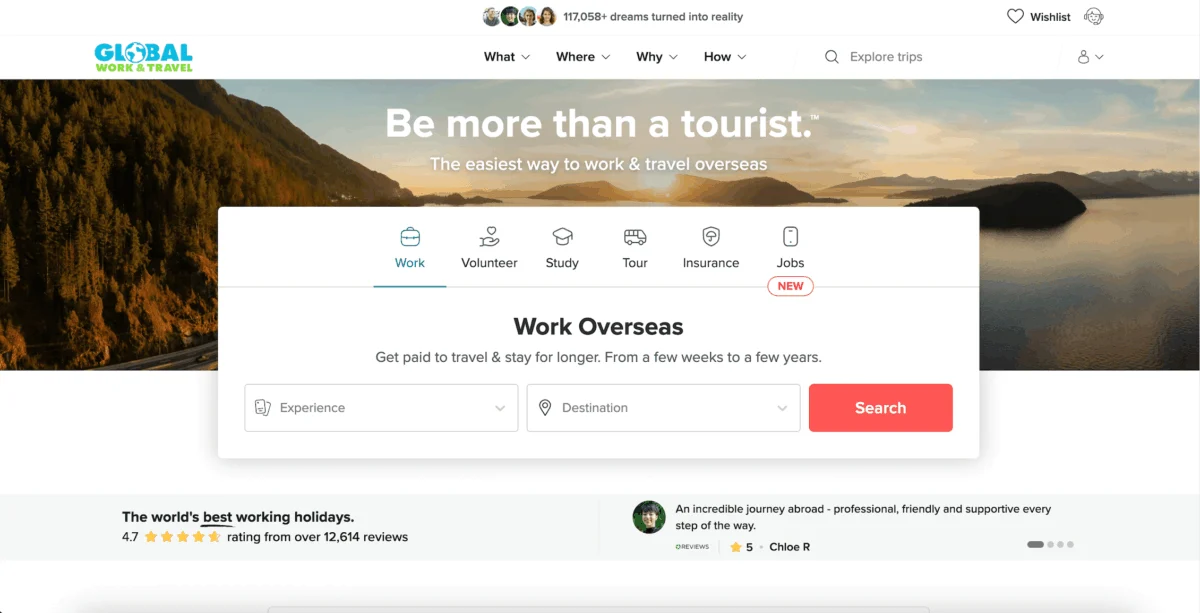
The global travel industry is witnessing a significant paradigm shift as travelers move away from traditional, "extractive" tourism toward more immersive, long-term experiences that prioritize cultural integration and local contribution. For decades, the standard model of international travel was defined by short-term visits to landmark sites, reliance on guidebooks, and minimal interaction with local populations. However, recent trends indicate a growing demand for "deep travel"—a concept centered on staying in a single location long enough to build authentic relationships and contribute to the local economy or environment. This shift is being spearheaded by the rise of structured working holidays and vetted volunteer programs, which provide the logistical scaffolding necessary for travelers to transition from passive observers to active participants in foreign communities.
The Limitations of Traditional Tourism and the Rise of "Deep Travel"
Industry analysts have long noted that traditional tourism often functions as an extractive industry. Travelers arrive in a destination, consume resources, photograph famous monuments, and depart without establishing a meaningful connection to the locale. While the "digital nomad" movement of the last decade attempted to solve this by encouraging remote work from international hubs, that model remains inaccessible to a large portion of the global population. Digital nomadism typically requires a pre-existing remote career, a stable high-level income, and professional flexibility that younger travelers or those in service-oriented industries do not possess.
In contrast, the "working holiday" model is emerging as a more democratic and grounded alternative. Instead of bringing a remote job to a new country, participants find employment within the local economy. This integration allows travelers to interact with coworkers, adhere to local schedules, and navigate the same daily realities as the residents of their host city. By shifting the focus from "working remotely" to "working locally," travelers are finding more sustainable ways to fund long-term stays while gaining a profound understanding of different cultures.
The Role of Structured Support in International Mobility
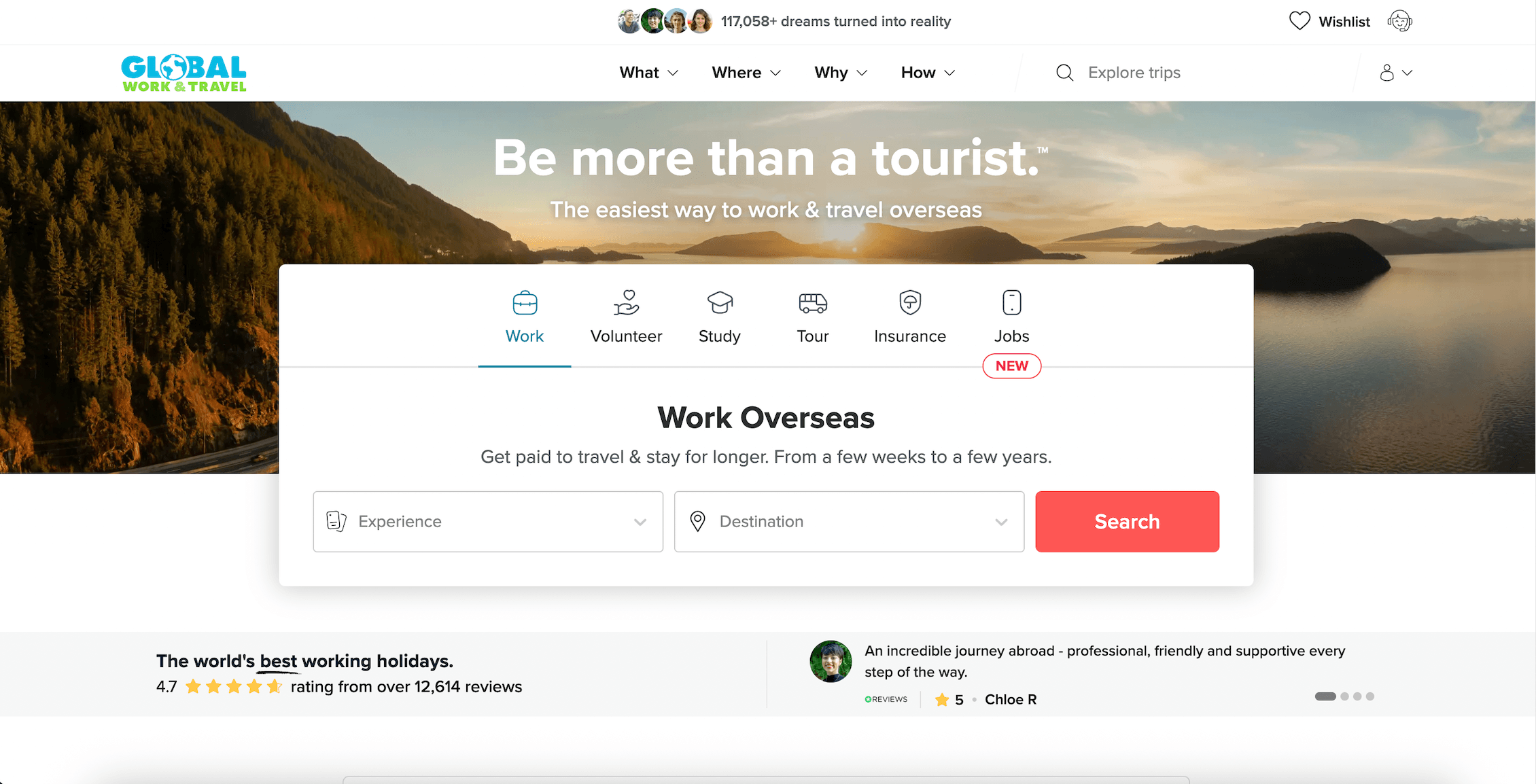
For many, the primary barrier to living and working abroad is not a lack of desire, but the complexity of international logistics. Navigating visa requirements, securing safe accommodation, and finding reputable employers in a foreign market can be a daunting task. This has led to the growth of specialized travel organizations that provide the "scaffolding" for long-term stays. Global Work & Travel, a leader in this sector for nearly two decades, has facilitated experiences for over 116,000 individuals across the United Kingdom, Europe, the Americas, Asia, Africa, and the Pacific.
These organizations offer a centralized support system that manages job matching, pre-departure guidance, and ongoing assistance through digital portals. For example, the gWorld platform utilized by Global Work & Travel allows participants to manage their trip logistics, visa documentation, and community connections through a single application. This structured approach mitigates the risks associated with moving abroad, such as falling victim to predatory landlords or struggling with bureaucratic hurdles in a foreign language.
A Chronology of the Working Holiday Movement
The concept of the working holiday has its roots in post-World War II diplomacy, designed to foster cultural exchange and international understanding among young people.
- Post-1945: Early bilateral agreements between nations allowed for limited youth exchanges.
- The 1970s and 80s: Countries like Australia, New Zealand, Canada, and the United Kingdom formalized Working Holiday Visa (WHV) programs, creating a regulated pathway for young adults (typically aged 18–30 or 35) to work and travel for up to two years.
- The 2000s: The rise of specialized gap-year companies began to streamline the process, moving beyond simple visa assistance to full-service placement in teaching, internships, and agricultural work.
- The Post-Pandemic Era (2022–Present): As borders reopened, a surge in "revenge travel" combined with a desire for more meaningful life experiences led to record applications for working holiday visas. Nations have responded by increasing age limits and expanding visa quotas to address local labor shortages in hospitality and tourism.
Data and Economic Impact of Long-Term Travel
Recent data from the youth travel sector suggests that long-term travelers contribute significantly more to local economies than short-term tourists. While a typical tourist might spend heavily on international hotel chains and tour operators, working holiday makers spend their earnings locally on rent, groceries, and domestic leisure activities.
According to industry reports, the youth and student travel market is valued at over $300 billion globally. Participants in these programs often stay in a destination for six to twelve months, providing a stable source of labor for sectors that experience seasonal fluctuations. Furthermore, the "Global Animal Welfare Fund" and similar initiatives associated with structured travel programs ensure that a portion of program fees is reinvested directly into local conservation and community projects. In locations such as Zanzibar, South Africa, and Thailand, these funds support wildlife rehabilitation and educational infrastructure, creating a regenerative cycle of travel and development.
The Ethics of International Volunteering
The volunteering sector, often referred to as "voluntourism," has faced scrutiny over the years due to programs that prioritize traveler satisfaction over community needs. Critics point to short-term placements that can disrupt local social structures or profit-driven wildlife "sanctuaries" that do not adhere to ethical standards.
To counter these issues, the modern travel industry is moving toward "vetted volunteering." This involves rigorous auditing of partner organizations to ensure that projects are defined by the local communities themselves. Programs in healthcare, education, and wildlife conservation—such as elephant rehabilitation in Thailand or community development in Zanzibar—are now frequently managed with a focus on long-term sustainability. Ethical providers now require participants to undergo specific training (such as TEFL certification for teachers) to ensure they provide actual value to their host communities.
Professional and Personal Development Implications
Beyond the cultural experience, working and volunteering abroad are increasingly recognized as significant resume builders. In an increasingly globalized labor market, employers value "soft skills" such as cross-cultural communication, adaptability, and problem-solving in unfamiliar environments.
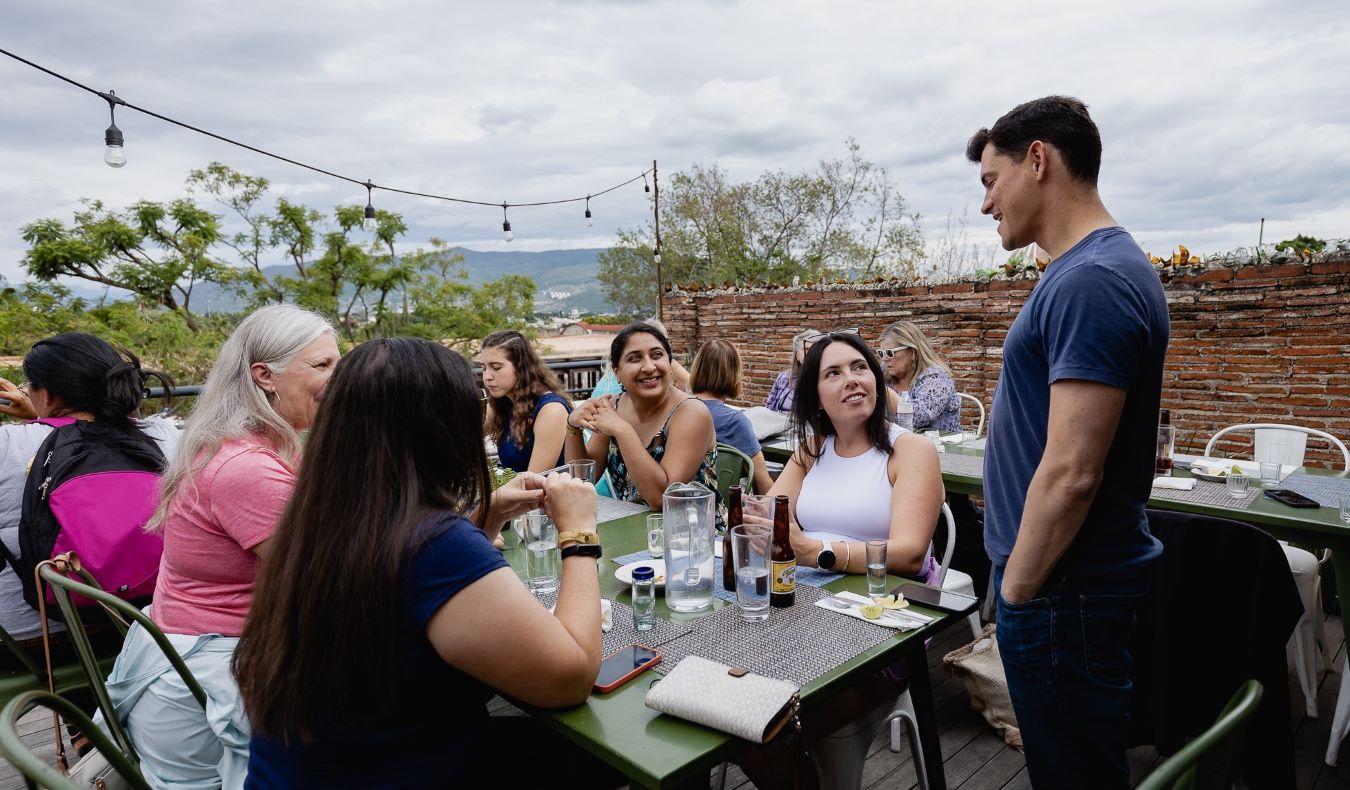
Professional benefits identified by program participants include:
- International Work Experience: Demonstrates a high degree of independence and initiative.
- Language Acquisition: Immersion in a local workplace is often more effective than traditional classroom learning.
- Networking: Building a global network of professional and personal contacts.
- Financial Sustainability: The ability to earn in a local currency makes long-term travel accessible to those without significant savings.
Logistical Challenges and Consumer Protection
Despite the benefits, moving abroad remains a complex undertaking. Potential travelers must consider visa quotas, which for popular destinations like the UK or Australia can fill up within minutes of opening. There is also the matter of financial security; long-term planning requires a commitment of funds months in advance.
To address these concerns, the industry has adopted more flexible policies. Many reputable organizations now offer "lifetime deposits," ensuring that if a traveler’s circumstances change, their initial investment remains valid for future use. Additionally, membership in consumer protection services provides a layer of financial security against travel disruptions or organizational insolvency.
Future Outlook: Travel as a Lifestyle
As the world becomes more interconnected, the distinction between "vacation" and "real life" is blurring. The rise of working holidays and structured volunteer programs suggests that the future of travel lies in immersion rather than observation. By providing the tools to live and work in foreign environments, the travel industry is enabling a new generation of "global citizens" who are more likely to understand and contribute to the world around them.
The shift toward deep travel is not merely a trend but a response to the limitations of the old tourism model. As more travelers seek out moments of genuine connection and contribution, the demand for structured, ethical, and long-term travel opportunities is expected to grow. This evolution promises a future where travel is no longer a temporary escape from reality, but a sustainable and transformative lifestyle choice.




 Anjar Salim
 Chandra Hamzah
 Tatiana Tantri Indah Sari
 Budi Mulyono
 Lukman Taruna Persada Ramadan
