
 Diana Nuri Rohmawati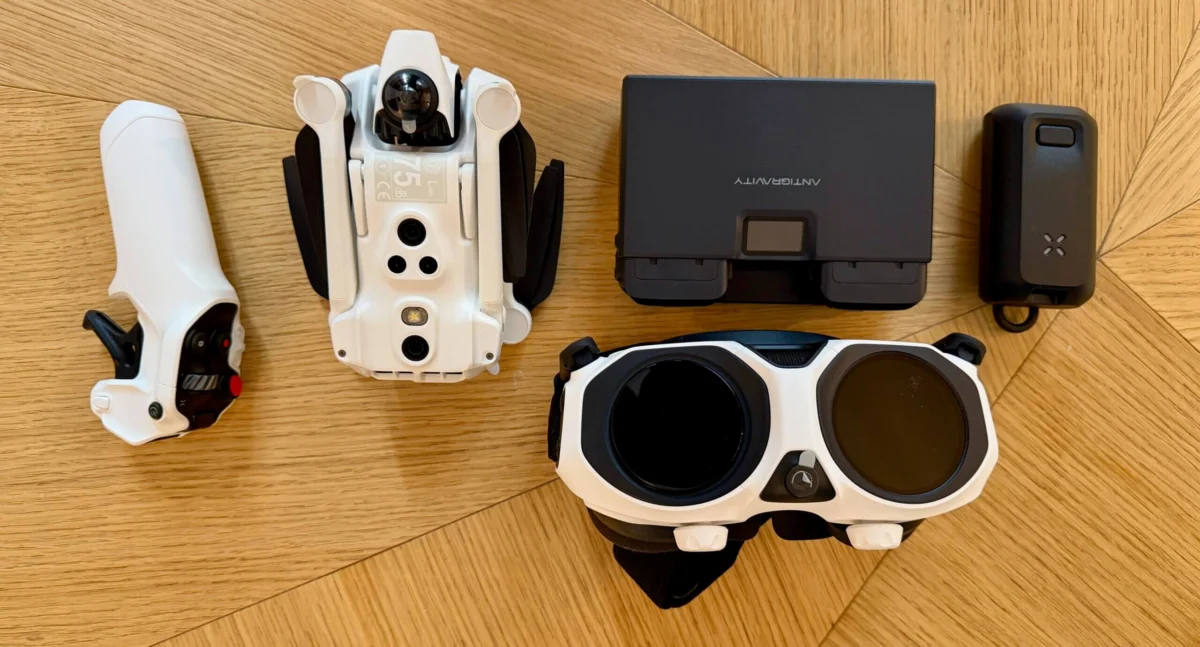
The landscape of consumer unmanned aerial vehicles (UAVs) underwent a significant shift in late 2025 with the commercial release of the Antigravity 360 A1, a device designed to challenge the necessity of the traditional mechanical gimbal. By integrating a dual-lens 360-degree capture system into a sub-250-gram airframe, the A1 introduces a "fly now, frame later" workflow that prioritizes comprehensive environmental data collection over traditional directional filming. This technical shift represents a departure from the established norms of aerial photography, moving the primary creative decisions from the flight phase to the post-production environment.
Technological Foundation and Sensor Architecture
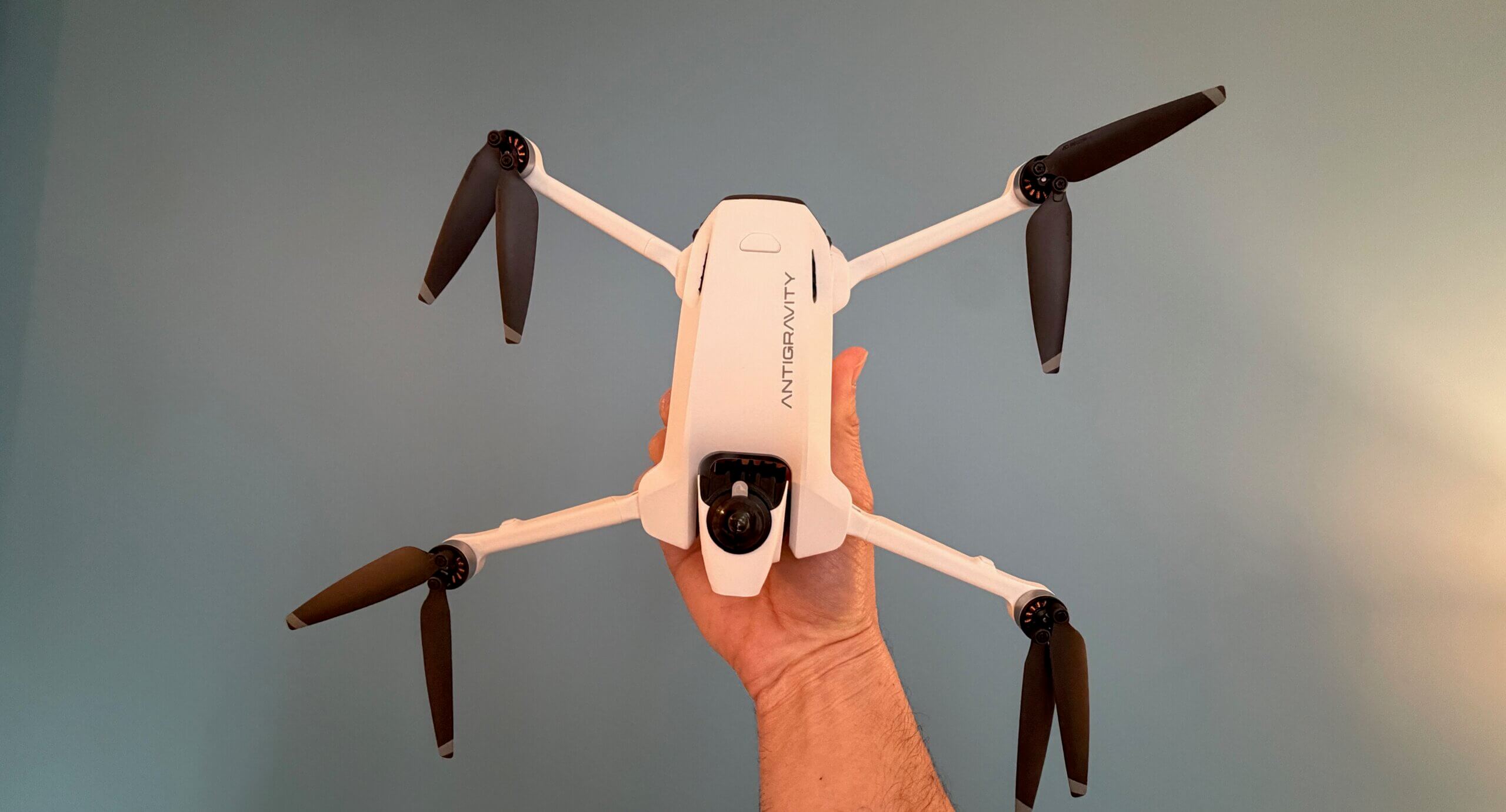
At the core of the Antigravity A1’s capability is its optical array. Unlike standard drones that utilize a single, forward-facing camera mounted on a three-axis gimbal, the A1 utilizes two ultra-wide-angle lenses. These lenses are positioned on the dorsal and ventral sides of the central fuselage, each providing a 200-degree field of view. Through sophisticated onboard stitching algorithms, these two hemispherical images are merged into a seamless 360-degree spherical video.
The imaging hardware consists of dual 1/1.28-inch CMOS sensors. In the context of the drone market, these sensors occupy a middle ground between the small sensors found in budget action cameras and the 1-inch or Micro Four Thirds sensors found in professional-tier aircraft like the DJI Mavic Pro or Inspire series. The 1/1.28-inch architecture provides a significant advantage in light-gathering capability compared to standard 360-degree cameras, resulting in improved dynamic range and reduced noise in low-light environments. This sensor size allows for the capture of 8K resolution spherical video, which, while spread across a 360-degree field, provides sufficient pixel density to export high-definition "flat" video after the reframing process.
Regulatory Compliance and Structural Engineering
A critical factor in the design of the A1 is its weight. Global aviation authorities, including the Federal Aviation Administration (FAA) in the United States and the European Union Aviation Safety Agency (EASA), have established a 250-gram threshold for drone regulation. Aircraft weighing 249 grams or less are often exempt from mandatory registration and are subject to less restrictive flight categories. Antigravity engineered the A1 to weigh exactly 249 grams with its standard Intelligent Flight Battery, effectively maximizing its utility for casual users and professional creators seeking to minimize bureaucratic hurdles.
To achieve this weight without sacrificing structural integrity, the manufacturer utilized a high-grade carbon-fiber-reinforced polymer. This material choice provides a superior strength-to-weight ratio compared to the Acrylonitrile Butadiene Styrene (ABS) plastic commonly found in the consumer electronics sector. The drone features a folding arm mechanism designed for high-cycle durability, allowing the unit to be compressed to the approximate dimensions of a large smartphone for transport.
The Immersive Flight Interface
The A1 system is bundled with Vision Goggles that utilize dual 4K micro-OLED displays. These displays feature a 120Hz refresh rate, which is essential for minimizing motion sickness and providing a fluid pilot experience. The inclusion of integrated head tracking allows for an immersive viewing experience: as the pilot rotates their head, the goggle feed pans within the 360-degree sphere recorded by the drone. This provides a level of spatial awareness that traditional screen-based controllers cannot replicate, as the pilot can effectively "look" in any direction regardless of the drone’s orientation.
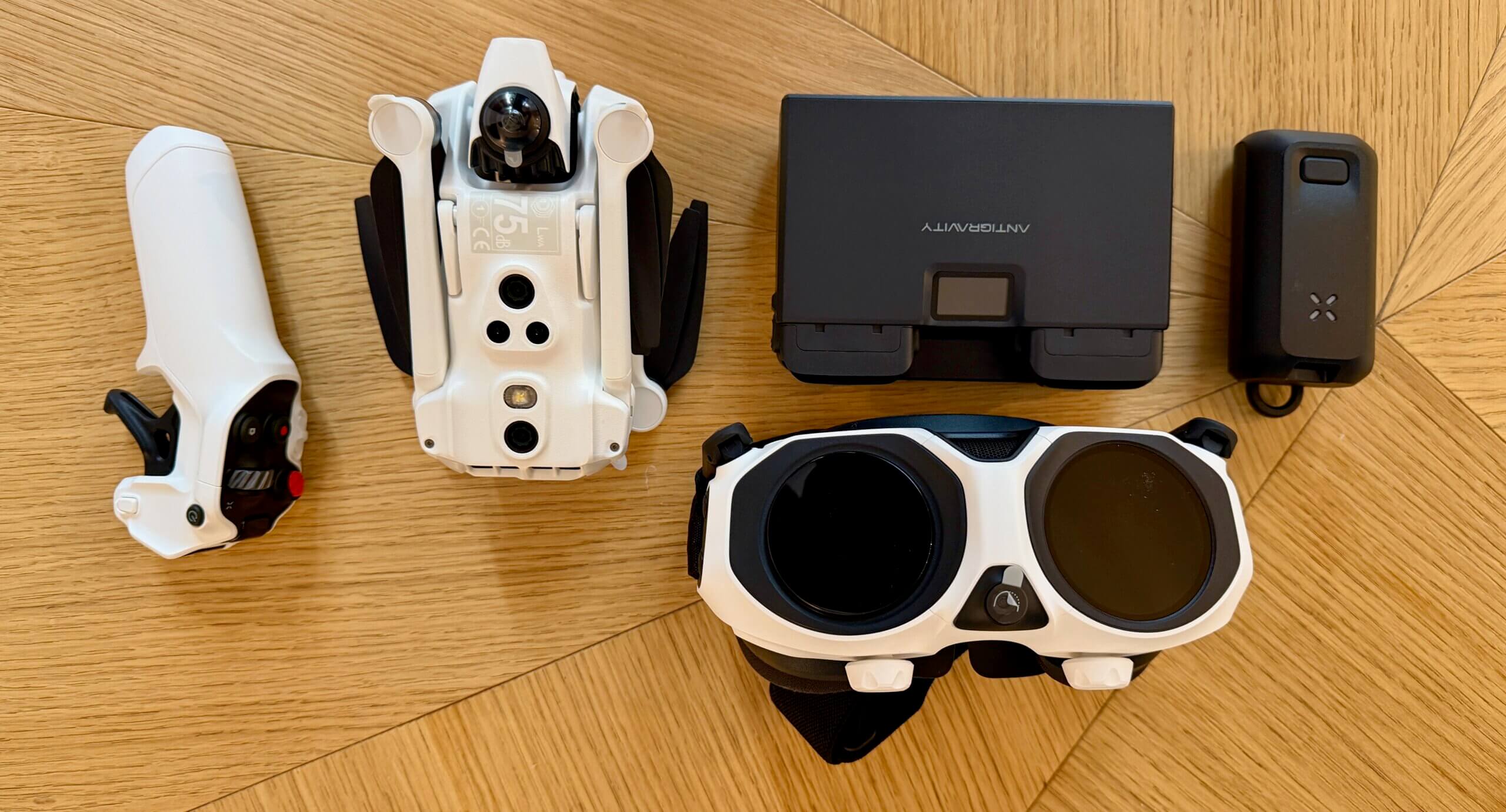
Flight control is managed via a single-handed motion controller. This interface translates wrist movements and trigger pulls into flight commands, a system designed to lower the barrier to entry for novice pilots. For experienced users requiring higher precision, the system remains compatible with traditional dual-stick "Mode 2" controllers, though the motion-based system is marketed as the primary method for achieving cinematic fluidity.
Computational Photography and Stabilization
The A1 relies heavily on computational photography to replace mechanical stabilization. Traditional gimbals use motors to keep a camera level, but they are prone to mechanical failure and add significant weight. The A1 uses "FlowState" stabilization, a suite of electronic image stabilization (EIS) algorithms that utilize internal gyroscopes to lock the horizon and smooth out vibrations in real-time.
One of the most notable features of the A1 is the digital removal of the aircraft from the final footage. Because the dual lenses overlap their fields of view, the software can stitch the images in a way that excludes the drone’s body, creating an "invisible drone" effect. This allows for perspectives that mimic a floating camera, previously only achievable with complex post-production or specialized 360-degree rigs.
Chronology of Development
The path to the Antigravity A1’s release can be traced through several key industry milestones:
- 2020-2022: The rise of 360-degree action cameras (such as the Insta360 X series) popularized the "reframing" workflow on the ground.
- 2023: Early experiments with mounting 360 cameras on custom-built FPV (First Person View) drones demonstrated the potential for "invisible" aerial shots, though these rigs were often heavy and required advanced piloting skills.
- 2024: Antigravity announced the development of a dedicated 360-degree flight platform that would integrate the camera and the airframe into a single, optimized unit.
- Late 2025: The Antigravity 360 A1 was officially launched, marking the first time 8K 360-degree capture was successfully integrated into a sub-250g consumer drone.
Performance Metrics and Battery Limitations
While the A1 introduces significant innovation, it remains bound by the current limitations of lithium-polymer battery technology. The standard Intelligent Flight Battery is rated for 24 minutes of flight time under ideal conditions. However, real-world testing indicates that constant 8K recording and environmental factors such as wind resistance typically reduce this to approximately 19 to 20 minutes.
To address the needs of professional users, a "Pro Battery" is available, extending flight time to 39 minutes. However, this battery increases the total takeoff weight beyond the 250-gram threshold, necessitating registration in many jurisdictions and slightly altering the aircraft’s power-to-weight ratio.
The flight dynamics are characterized as "Cinewhoop" style, meaning the drone is tuned for stability and predictable movement rather than high-speed acrobatics. It reaches a top speed of approximately 36 mph, which is sufficient for tracking most subjects in a lifestyle or travel context. Additionally, the inclusion of "Turtle Mode"—a feature derived from the FPV racing community—allows the drone to use its motors to flip itself over if it lands upside down, reducing the risk of being stranded after a minor collision.
Software Ecosystem and Post-Production
The "Antigravity Studio" app serves as the primary editing interface, allowing for wireless data transfer at speeds of up to 80MB/s. The app utilizes the smartphone’s internal gyroscope to facilitate reframing; users can point their phone at different parts of the recorded sphere to set keyframes and camera angles.
Furthermore, the app incorporates artificial intelligence (AI) for "Auto-Framing." This tool analyzes the footage to identify human subjects, vehicles, or animals, automatically generating a tracking shot that keeps the subject centered. For professional editors, the A1 supports a 10-bit "Log" color profile, providing the necessary latitude for color grading and matching footage with other high-end cinema cameras.
Market Analysis and Industry Implications
Industry analysts view the Antigravity A1 as a disruptive force in the mid-range drone market. By simplifying the filming process, it shifts the value proposition from "piloting skill" to "editorial vision." Traditional manufacturers like DJI and Autel have historically focused on improving gimbal precision and sensor size; the A1 suggests a future where software and spherical capture may render those mechanical components less vital for a large segment of the market.
However, the A1 is not without its trade-offs. The exposed dual-lens design makes the optics more vulnerable to damage during crashes compared to recessed, gimbal-mounted cameras. Furthermore, while 8K spherical resolution is impressive, the resulting "reframed" 1080p or 4K crops do not yet match the raw sharpness of a dedicated 4K fixed-lens sensor.
Broader Impact and Future Outlook
The release of the Antigravity 360 A1 represents a maturation of 360-degree technology within the aerospace sector. It bridges the gap between traditional cinematography and immersive virtual reality (VR) content. As AI-driven editing continues to evolve, the "fly now, frame later" philosophy is expected to become a standard feature in consumer drones, allowing solo creators to capture complex multi-angle sequences that previously required a dedicated camera operator.
In conclusion, the Antigravity 360 A1 is a significant technical achievement that maximizes the potential of the sub-250g category. While it faces challenges regarding battery life and lens durability, its integration of high-resolution spherical capture with an intuitive flight interface marks a pivotal moment in the evolution of aerial imaging. The drone industry will likely continue to monitor the adoption of this technology as it potentially reshapes the standards for both recreational and professional content creation.




 Anjar Salim
 Chandra Hamzah
 Tatiana Tantri Indah Sari
 Budi Mulyono
 Lukman Taruna Persada Ramadan
