
 Hendra Ismail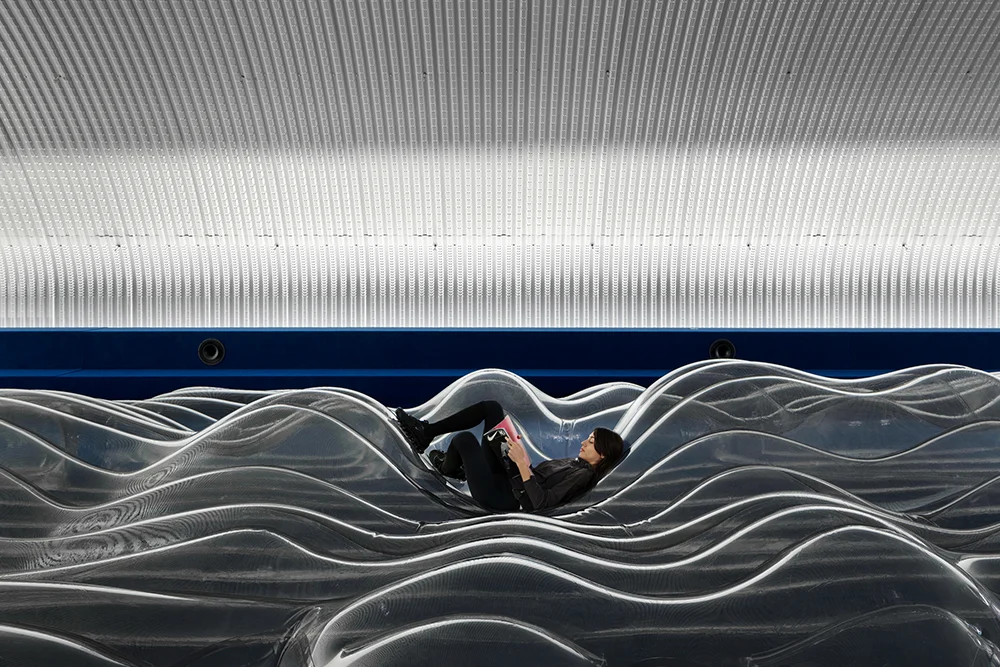
Amidst the vibrant energy of Milan Design Week, a globally recognized hub for innovation and design, Nike has established a significant permanent presence with the inauguration of its cutting-edge Air Lab. This sophisticated facility, situated within the newly launched architecture and design nexus known as Dropcity, signifies a strategic move by the athletic giant to deepen its engagement with the design community and explore new frontiers in material innovation and product development. The Air Lab is poised to become a crucible for groundbreaking ideas, offering access to advanced technological capabilities that will shape the future of not only athletic footwear but potentially a wider array of industrial products.
The opening of the Nike Air Lab in Milan marks a pivotal moment for the brand, extending its influence beyond athletic apparel and into the broader sphere of design and manufacturing. Dropcity, itself a testament to Milan’s commitment to fostering creative industries, provides an ideal ecosystem for such an endeavor. This expansive hub is dedicated to promoting circularity and innovation, housing a diverse range of specialized facilities. These include advanced robotics, state-of-the-art 3D printing capabilities, sophisticated textile labs, and intricate ceramic workshops, creating a synergistic environment where cross-disciplinary collaboration can flourish. The Air Lab, as a key component of this ecosystem, will feature specialized equipment designed to push the boundaries of material science and product design.
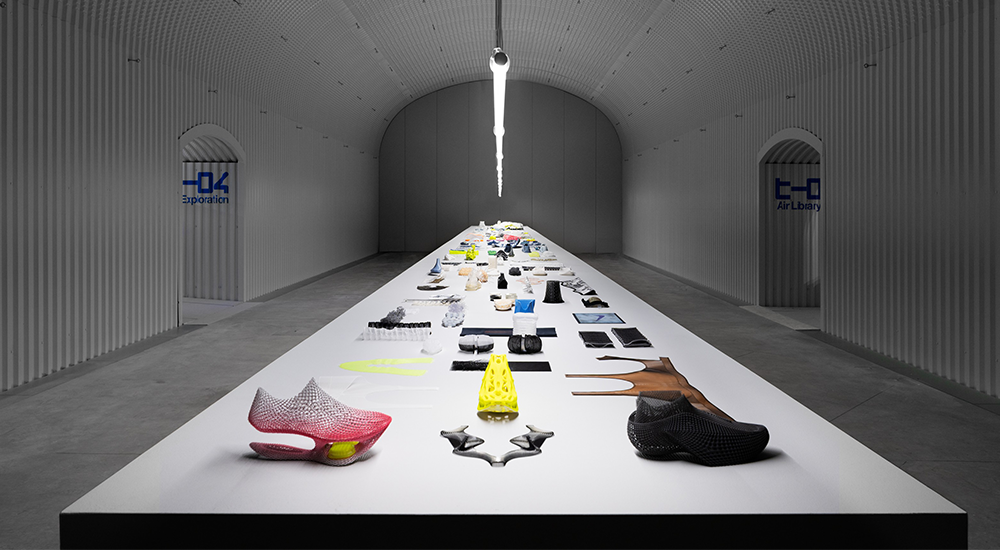
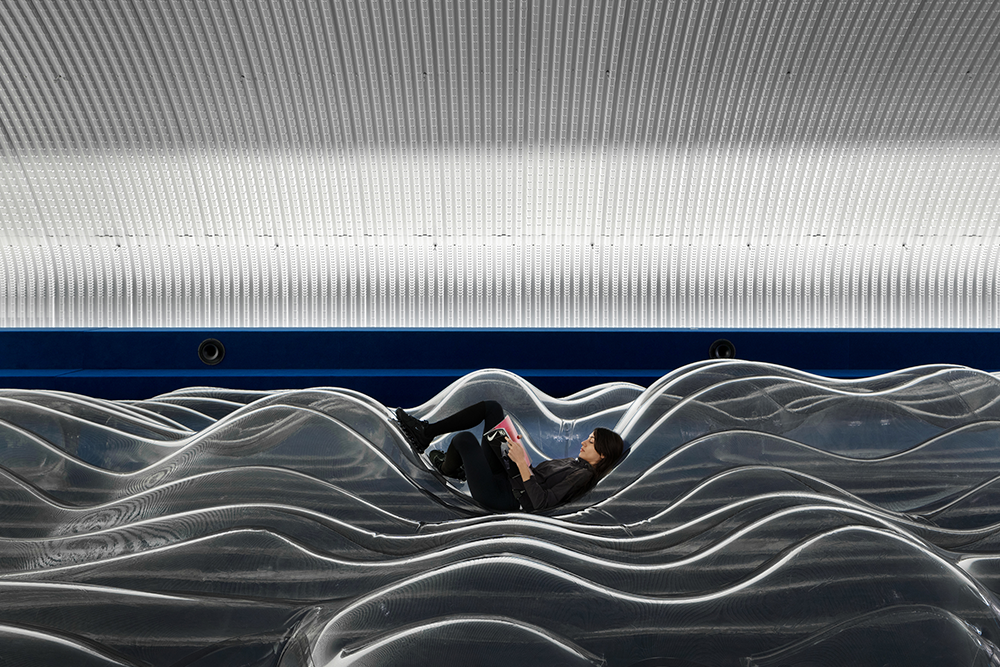
Central to the Air Lab’s operational capacity are advanced thermoforming machines and pneumatic cylinder kits. These technologies are not merely for prototyping; they represent Nike’s commitment to hands-on, iterative design processes. By enabling the rapid development and testing of novel material applications, the lab will facilitate the creation of prototypes for building elements, furniture, and other industrial products. This signifies an expansion of Nike’s design philosophy, demonstrating a willingness to apply its expertise in material innovation to contexts beyond its traditional athletic focus. The strategic decision to locate this facility in Milan, a city synonymous with design excellence and a nexus for global creative talent, underscores Nike’s ambition to embed itself within the international design conversation. The lab’s public accessibility, welcoming not only designers and architects but also the wider public, further reinforces its role as a civic facility intended to inspire and engage. This initiative is expected to commence full operational use in the autumn, with early indications suggesting a strong pipeline of innovative projects. The long-term implications of this investment could see Nike not only redefining its own product lines but also influencing material science and manufacturing processes across various industries, fostering a new era of design-led innovation.
In parallel to these advancements in design and innovation, a discernible shift is occurring within the spending patterns of the ultra-wealthy, with a notable pullback from traditional art acquisitions. While the global economy has witnessed robust growth, particularly in sectors catering to the affluent, the art market appears to be experiencing a period of recalibration. Data from the Art Basel and UBS Art Market Report for 2025 indicated a modest 4 percent rise in global art sales, a figure that stands in stark contrast to the booming performance of other luxury markets.
This contrast is starkly illustrated by the surge in private jet deliveries, which reached a 15-year high in the same period. This trend suggests a re-evaluation of investment priorities among high-net-worth individuals, with tangible assets and experiences taking precedence over traditional art pieces. The art market, which has historically been a significant repository for ultra-wealthy capital, is now facing questions about its future trajectory. Experts are positing several reasons for this apparent stagnation. One prevalent theory suggests a demographic shift, with the influential Baby Boomer generation, a core demographic of art collectors, entering a phase of their lives where peak buying years may have passed. This generational transition could be contributing to a decrease in overall demand.
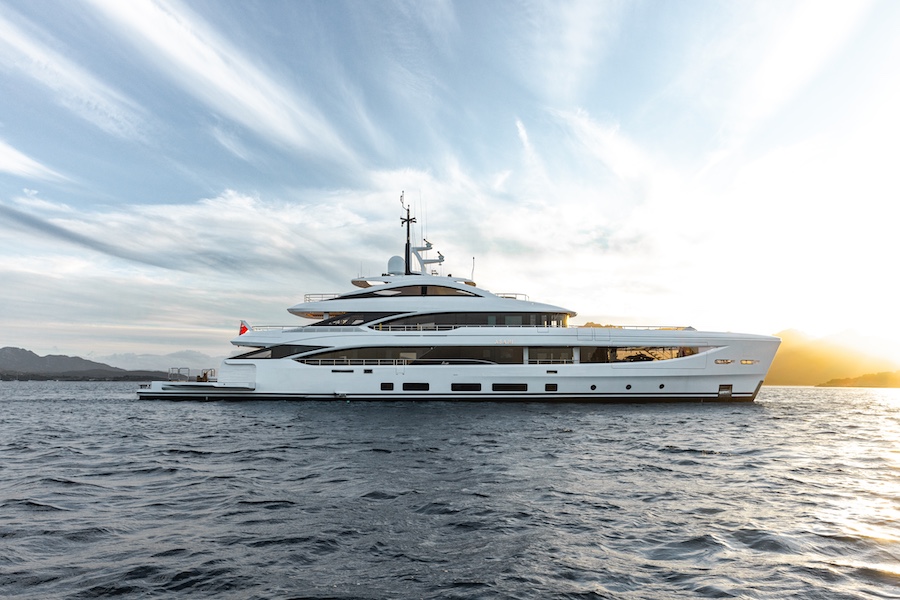
Furthermore, contemporary art collectors are reportedly exhibiting a more discerning and selective approach. While high-profile auctions may still see intense bidding for "trophy paintings" and prominent works, these events might not be indicative of sustained, broad-based market demand. The market’s reliance on a few high-value transactions could be masking a less robust underlying market. This selective buying behavior may also be influenced by the increasing diversification of luxury investments. The allure of alternative assets, such as fine wines, rare automobiles, and experiential luxury travel, could be drawing capital away from the art market. The growing interest in superyachts, as exemplified by brands like Benetti Asani, reflects a broader trend towards investments that offer immediate enjoyment and tangible lifestyle benefits. The implications of this shift are multifaceted. For galleries and auction houses, it necessitates a re-evaluation of their strategies to appeal to a new generation of collectors with different motivations and investment philosophies. It also opens opportunities for emerging art forms and platforms that align with contemporary values and consumption patterns. The art world may need to adapt by embracing digital art, NFTs, or focusing on more accessible and engaging art experiences to recapture the attention and investment of the ultra-wealthy.
On a different, yet equally transformative note, the realm of wellness is being redefined by a groundbreaking initiative spearheaded by renowned Bollywood composer A.R. Rahman. In partnership with the Indian classical ensemble JHALAA, Rahman has unveiled what is recognized as the world’s largest sound-healing dome, named Sonorium. This ambitious project, located within the tulāyā Clinical Wellness sanctuary in Calicut, India, represents a significant advancement in the application of sonic therapy for holistic well-being.
The development of Sonorium is a testament to Rahman’s commitment to exploring innovative avenues for healing and restoration. For Western audiences, Rahman is celebrated for his Academy Award-winning soundtrack for the film "Slumdog Millionaire," a testament to his global musical influence. His foray into the wellness sector, however, taps into a growing global appreciation for practices that promote physical and emotional equilibrium. Sonorium is meticulously designed to harness specific sound frequencies, meticulously calibrated to induce deep states of physical and emotional restoration. This therapeutic approach aligns with the burgeoning wellness industry’s focus on mind-body connection and holistic health.
The realization of this monumental project was an arduous journey, spanning nearly two decades. This extensive timeline underscores the complexity and precision involved in its creation. The development process involved rigorous acoustic simulations, extensive material testing, and a process of iterative design to achieve the desired sonic environment. The dome’s unique sevenfold inner structure presented significant geometric challenges, requiring innovative engineering solutions to ensure optimal acoustic performance. The dedication and perseverance invested in Sonorium highlight a growing trend towards immersive and technologically advanced wellness experiences. As the wellness industry continues to evolve, spaces like Sonorium are likely to become increasingly sought after, offering a sanctuary for individuals seeking profound healing and rejuvenation through the power of sound. The project’s long gestation period also speaks to the increasing sophistication of wellness design, where scientific research and artistic vision converge to create transformative environments.
In a significant development for indigenous communities and affordable housing, the Wiyot Tribe is making strides in reclaiming and revitalizing ancestral lands. After more than 150 years, Tuluwat Island in Northern California has been returned to the Wiyot Tribe’s stewardship. This momentous occasion marks the culmination of a dedicated effort that began in 1999, with tribal members working collaboratively to reacquire the island parcel by parcel. The return of indigenous communities to their ancestral homelands is a profound act of cultural and historical reclamation, yet it often presents ongoing challenges, particularly regarding land affordability for Native populations.
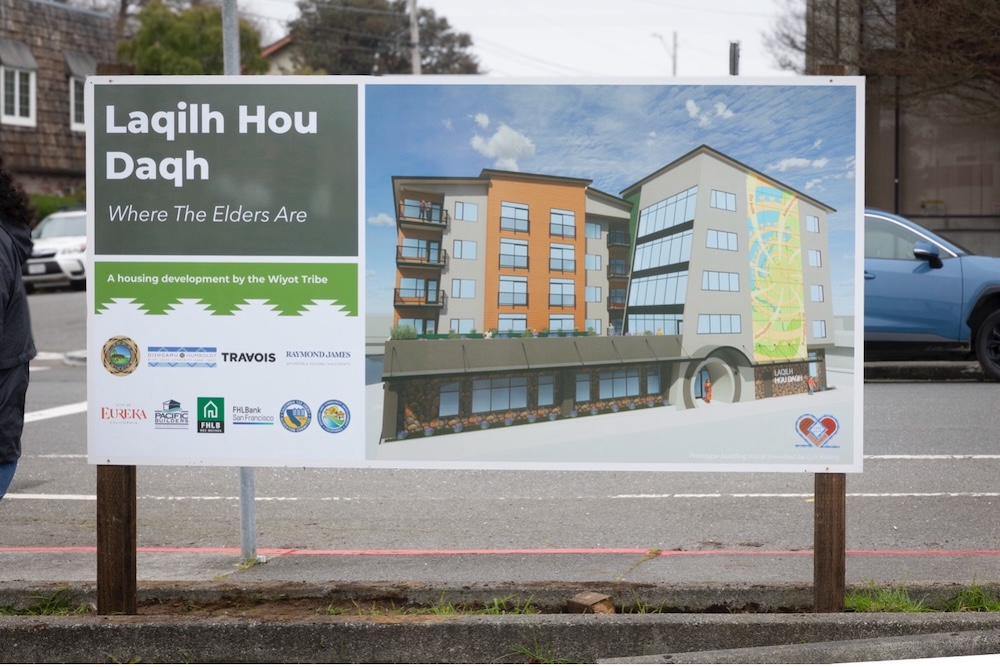
Recognizing this persistent barrier, the Wiyot people established the first community land trust (CLT) operating under tribal law in 2020. This innovative nonprofit development corporation serves as a crucial mechanism for ensuring that reacquired lands remain accessible and livable for tribal members. By acquiring and managing land on behalf of its constituents, the Wiyot Tribe’s CLT is able to facilitate the development of essential public amenities and housing projects. The model of community land trusts is gaining significant traction across the United States, with hundreds of such organizations currently in operation. Like the Wiyot Tribe, these CLTs are playing a vital role in making indigenous lands more affordable and sustainable by prioritizing the reintroduction of public green spaces and employing regenerative economic principles in their development strategies. The establishment of the Laqilh Hou Daqh (Where the Elders Are) Housing Development in Eureka exemplifies this commitment, with plans to provide 52 much-needed affordable housing units for seniors. This initiative not only addresses housing insecurity but also fosters intergenerational connection and community resilience. The Wiyot Tribe’s pioneering work through their CLT is setting a precedent for other indigenous communities, demonstrating a viable pathway towards economic self-determination and the creation of thriving, affordable living environments on ancestral lands.
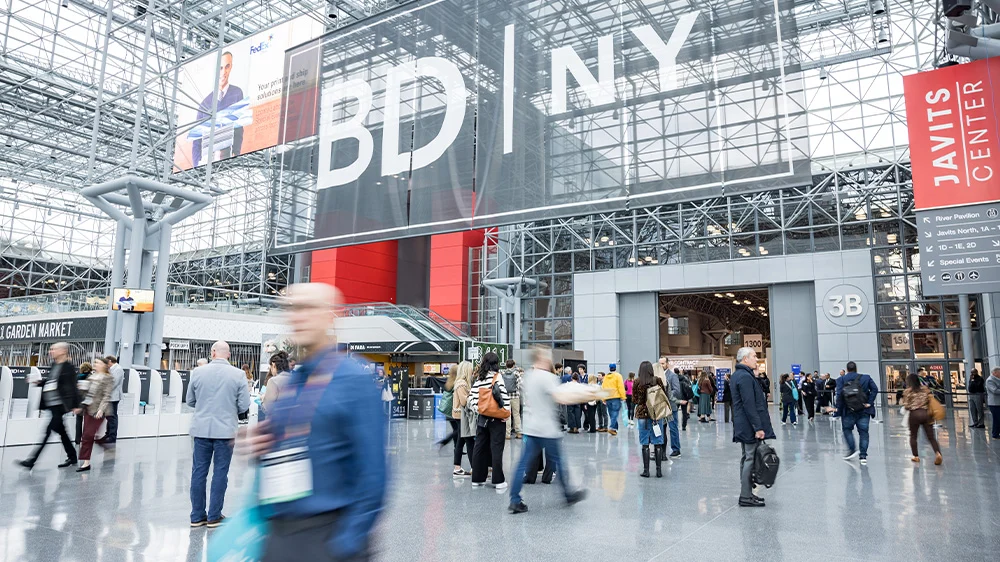
As the industry gears up for the highly anticipated HD Expo 2026, the event promises a dynamic convergence of design professionals, product innovators, and thought leaders. Scheduled to take place at Mandalay Bay in Las Vegas, the expo provides a critical platform for networking, discovery, and professional development within the hospitality design sector. This year’s agenda is particularly robust, featuring a compelling lineup of programs, product showcases, and insightful panels designed to address the evolving landscape of hospitality design.
Among the established highlights, such as the prestigious HD Awards and the Women in Design Awards Breakfast, this year’s expo introduces several new and noteworthy sessions. A particularly anticipated panel, titled "Carved from Stone," will feature the insights of designer Paolo Ferrari and architect Chad Oppenheim. They are set to share the compelling narrative behind their ambitious Desert Rock project in Saudi Arabia’s Red Sea region. This project, already a finalist in multiple categories for the HD Awards, exemplifies innovative design integrated with its natural environment. The panel offers a unique opportunity to delve into the creative process and logistical complexities of large-scale hospitality developments.
Concluding the trade show on Thursday, May 7th, will be a fireside chat with acclaimed restaurateur and hotelier Sam Fox. This session is expected to provide valuable perspectives on entrepreneurship, brand building, and the future of the hospitality industry from one of its most influential figures. The HD Expo serves as an indispensable event for anyone involved in the design and development of hospitality spaces, offering a glimpse into future trends and fostering crucial industry connections. Registration for the event remains open, encouraging continued engagement and participation. The expo’s comprehensive program underscores its commitment to advancing the dialogue and driving innovation within the global hospitality design community.

 Anjar Salim
 Chandra Hamzah
 Tatiana Tantri Indah Sari
 Budi Mulyono

