
 Chandra Hamzah
The escalating conflict in the Middle East has triggered a costly workaround for Australia’s wealthiest travellers intent on embarking on their long-planned European summer cruises. Faced with the prospect of significant travel disruptions and government "Do Not Travel" advisories for key transit hubs, these affluent passengers are resorting to purchasing a second set of flights, often at exorbitant prices, to guarantee their arrival at their dream destinations. This trend underscores the resilience of the Australian traveller, even when confronted with geopolitical instability and substantial financial outlay.
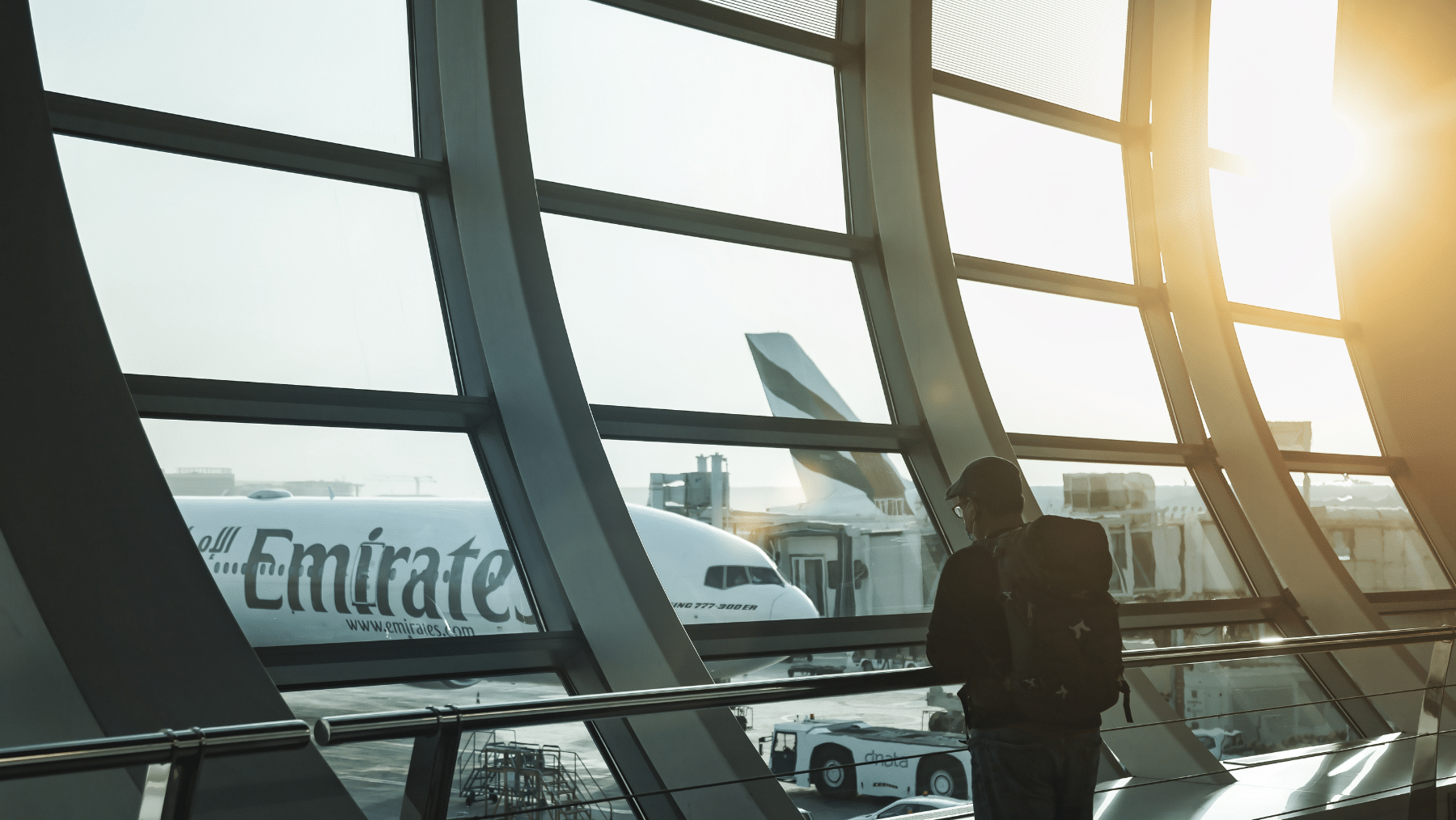
The majority of these luxury European holidays were meticulously planned and booked over a year ago, a testament to the enduring appeal of continental sojourns. However, the recent escalation of hostilities, including Iranian missile strikes on Middle Eastern airports in late February, has thrown established flight routes operated by carriers like Etihad, Emirates, and Qatar Airways into disarray. For those whose itineraries hinge on transiting through nations now flagged by the Australian Government, the risk of missing their meticulously scheduled cruises is a tangible concern. Consequently, a segment of the well-heeled are choosing to bypass these compromised routes entirely, opting for alternative flight paths that avoid any transit through the "Do Not Travel" designated countries. This often involves securing an entirely separate, and significantly more expensive, booking.
For many other Australian travellers, however, the financial implications of securing alternative routes are prohibitive. These individuals, unable to afford the added expense or unwilling to concede their original plans, are proceeding with their existing bookings, which involve transiting through hubs like Dubai and Qatar. This creates a dichotomy in the travel landscape: one segment can absorb the financial hit to ensure their journey, while another must weigh the potential risks against the desire to travel.
Qantas Responds to Shifting Demand
In parallel with these passenger adaptations, Qantas has announced an increase in its flight capacity to Europe. This strategic adjustment comes at the cost of its services to India, reflecting a shift in demand patterns. The airline will be adding approximately 2,000 seats per week to its European network, including the introduction of a direct Perth-Rome service. Additionally, flights to Paris will revert to three return services per week, continuing to operate from Sydney via Singapore. This move by Qantas signals an acknowledgment of the changing geopolitical landscape and its impact on air travel demand for Australian travellers.
The "Double Booking" Phenomenon and its Cost
James Kavanagh, Global Leisure Chief Executive at Flight Centre, has observed a significant increase in this "double booking" phenomenon. "March was huge for double bookings," Kavanagh stated. "Some are still holding those flights. Some have actually given up on the flights that they would have held via the Middle East and they’ve just booked an alternative, and that alternative has cost them a bit more." He further elaborated on the financial capacity of different traveller segments: "The luxury traveller has got the ability to hold their preferred choice and then fork out on an alternative if the preferred doesn’t go ahead."
The financial implications of this hedging strategy are substantial. A standard economy fare booked six months in advance, typically costing between $1,700 and $2,000, can surge to $4,000 for travel within a four-week window. For families opting for business class within the same tight timeframe, the expenditure can easily escalate into six figures. One notable instance involved a family outlaying $100,000 for "back-up plan" flights to Europe, highlighting the extreme measures some are taking to secure their travel. While these additional bookings may offer flexibility or refundability, they invariably involve penalties and represent a significant upfront investment.
The Long-Term Planning Disrupted
The current predicament for many cruise passengers is a direct consequence of the long lead times involved in booking luxury travel. European sailings are typically confirmed 12 to 18 months in advance. This means that holidays booked well before the recent escalation of tensions in the Middle East were based on a perceived stability that no longer exists. The disruption caused by the conflict has rendered reaching these pre-booked cruise destinations significantly more challenging, even though the ships themselves continue to sail.
The Budget-Conscious Dilemma and Insurance Caveats
For budget-conscious travellers, the decision to proceed with flights through potentially volatile regions presents a complex risk assessment. Unable to afford the luxury of booking backup flights, they are weighing the possibility of reaching their destinations against the uncertainties of transit. A critical factor in this decision-making process is travel insurance. However, most standard travel insurance policies contain exclusions for claims arising from "acts of war," "armed conflict," or "military action." This means that even if a passenger encounters difficulties due to the conflict, their insurance may offer little to no recourse.
The Insurance Council of Australia advises travellers to first contact their airline or travel agent and then their insurer before making any decisions regarding their travel plans. A spokesperson for the council stated, "Most travel insurance policies exclude claims caused by war, armed conflict, or military action, and do not cover cancellations simply because you have changed your mind about travelling." They also noted a distinction in traveller behaviour: "Even though the Australian Government says do not travel there, [passengers consider] that’s as a destination. So as a connecting through point, people are actually still travelling on the Middle Eastern carriers." This highlights a nuance where travellers are not necessarily visiting the high-risk areas but transiting through them, a distinction that can have significant implications for insurance coverage.
Navigating the Insurance Minefield
Kavanagh emphasizes the paramount importance of understanding insurance implications. "The single most important thing travellers need to understand is the insurance implication," he asserted. "If you’re transiting through a region that carries a do-not-travel or do-not-transit warning, your travel insurance policy will not cover you. It’s definitely a personal risk you need to weigh up, so I’d recommend going through all the options with your travel agent so you can make an informed decision." This underscores the need for transparency and diligent consultation with travel professionals to fully comprehend the potential risks and limitations of insurance policies in the current geopolitical climate.
Resilience and Shifting Horizons
The ability to absorb unexpected costs and navigate complex travel arrangements is a defining characteristic of the high-end travel market. "The luxury customer is pretty resilient anyway," Kavanagh commented. "If they can fork out that money, they’ll find a way to get there." This inherent resilience, coupled with the financial means, allows them to circumvent obstacles that would otherwise halt travel for the majority.
Beyond the immediate crisis, the situation is also prompting a broader recalibration of popular travel destinations. Kavanagh is observing a growing interest in cruise deals in alternative markets that are emerging as more stable options. "We’ve started to see a bit of a lift in places like Canada," he noted. "Japan has continued to be popular regardless, as it has for the last three years. Aussies want to travel, they want to have a break, they want to have a holiday and they’ll find out where they can go. After all the major events [in the Middle East] had happened, the first things that came out were sales to Hawaii, and then Japan and Canada started to get more attention. So it’s really shifting attention to where people can actually travel to."
Official Guidance Remains Cautious
The Department of Foreign Affairs and Trade (DFAT) continues to advise against all travel to, or transit through, Qatar and the UAE. Their advisory highlights the ongoing volatility in the Middle East region, citing a persistent risk of attacks and escalation. This official guidance serves as a crucial reminder for all travellers to exercise extreme caution and to stay informed about the latest developments when planning any international journeys. The current travel landscape, shaped by geopolitical instability, demands a heightened level of awareness and proactive planning from all those seeking to explore the world. The desire to travel remains strong, but the routes to fulfilling those desires are becoming increasingly complex and, for some, considerably more expensive.




 Anjar Salim
 Tatiana Tantri Indah Sari
 Budi Mulyono
