
 Budi Mulyono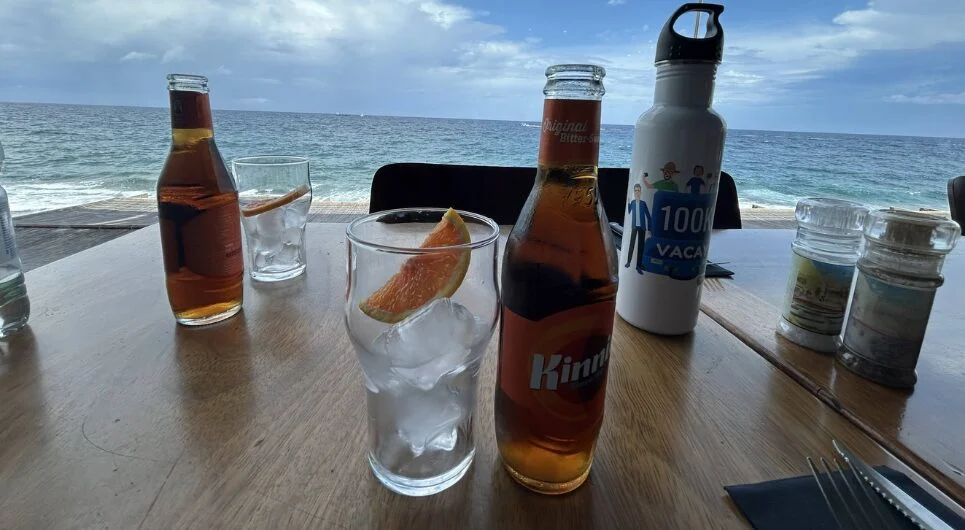
The phenomenon of international travel has long been recognized for its ability to broaden horizons, but recent inquiries into the long-term behavioral shifts of frequent travelers reveal a deeper, more permanent integration of foreign customs into domestic life. During a recent interactive session titled "Ask Us Anything," hosted by the travel analysis platform Frequent Miler, a significant discussion emerged regarding how extensive exposure to diverse cultures fundamentally alters the daily routines of individuals upon their return to their home countries. This exploration of "reverse cultural osmosis" highlights a growing trend among the estimated 35 million digital nomads worldwide, whose lifestyles are increasingly defined by a hybrid of global influences and local traditions.
The Genesis of Cultural Integration in Daily Routine
The dialogue was initiated by a viewer’s inquiry into the "daily habits or routines" that follow travelers home, citing the acquisition of an espresso machine after a trip to Italy as a primary example. This prompted a comprehensive reflection from the Frequent Miler team, particularly from members who have spent nearly a decade as digital nomads, visiting upwards of 70 countries. The resulting analysis suggests that the impact of travel extends far beyond the duration of the trip, manifesting in permanent changes to culinary preferences, linguistic notation, and economic perspectives.
For many high-frequency travelers, the transition from "tourist" to "global citizen" involves a subconscious adoption of foreign standards. This process, often referred to by sociologists as "cultural acculturation," occurs when individuals are immersed in environments where the baseline for quality, efficiency, or social interaction differs from their native upbringing. The Frequent Miler team noted that curiosity serves as the primary driver for this integration, moving past the superficial "miles and points" aspect of travel into a deeper understanding of global living standards.
Culinary Authenticity and the Rise of the Global Palate
One of the most prominent shifts identified in the study of returned travelers is a heightened demand for culinary authenticity, often described as a form of "food snobbery." Travelers who have spent significant time in Southeast Asia, for instance, report a distinct dissatisfaction with Westernized versions of traditional dishes. The substitution of authentic ingredients—such as using peanut butter instead of tamarind or bell peppers instead of Thai chilies—becomes a point of contention for the well-traveled individual.
This shift is supported by broader market data. According to a report by Grand View Research, the global ethnic food market is expected to grow at a compound annual growth rate (CAGR) of 8.2% through 2028. This growth is driven largely by consumers who have experienced authentic flavors abroad and are now seeking those same profiles in their domestic markets. The rejection of "inauthentic" ingredients is not merely a matter of preference but a cognitive recalibration of what a specific dish is "supposed" to taste like.
Furthermore, the preference for specific international staples, such as Italian canned tomatoes (e.g., the Cento brand), highlights a discernment in produce quality. Scientific analyses often point to the volcanic soil in regions like Campania, Italy, which produces tomatoes with lower acidity and higher sugar content than those typically grown in the United States. This objective difference in flavor profile leads travelers to permanently alter their grocery shopping habits, prioritizing imported goods that meet the standards established during their travels.
Behavioral Adaptations in Notation and Infrastructure
Travelers also frequently adopt practical habits that improve clarity or efficiency, such as the European method of striking a horizontal line through the handwritten numeral "7." This practice, common throughout Europe and parts of Latin America, is designed to prevent confusion with the numeral "1." While seemingly minor, such adaptations signify a move toward international standards of communication.
Similarly, the conceptualization of building infrastructure undergoes a shift. In the United States, the "first floor" is almost universally synonymous with the ground level. However, in much of Europe and the British Commonwealth, the ground floor is designated as "0" or "G," and the "first floor" is the level above it. Long-term travelers report a loss of their "base assumption" regarding floor numbering, leading to a more cautious approach to navigating elevators and building directories globally. This cognitive flexibility is a hallmark of the "well-immersed" traveler, who learns to operate without the safety net of domestic norms.
Economic Perspectives and the Mitigation of "Gas Price Gripe"
A significant psychological shift occurs regarding the perception of the cost of living, particularly concerning energy prices. The United States has historically enjoyed some of the lowest gasoline prices among developed nations. According to data from GlobalPetrolPrices.com, as of late 2023, the average price of gasoline in the United Kingdom and Ireland hovered around $7.00 to $8.00 per gallon, nearly double the U.S. average.
Travelers who have resided in Northern Ireland or other parts of Europe report a lessened "sting" when domestic gas prices fluctuate. This broader economic context provides a buffer against local inflation frustrations. By experiencing the high tax environments of Europe, travelers develop an appreciation for the relative affordability of fuel in the American market, leading to a more tempered reaction to domestic economic shifts.
The Beverage Evolution: Carbonation and Cultural Nuance
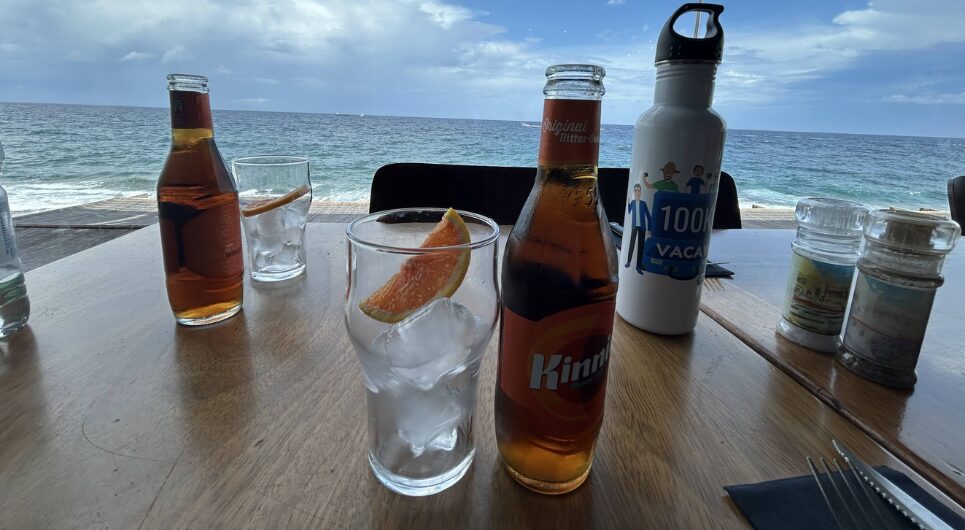
The adoption of regional beverage habits also serves as a lasting reminder of international journeys. In Germany, the consumption of Apfelschorle (apple juice mixed with carbonated water) is a cultural staple, as is the bitter-orange soda Kinnie in Malta. The integration of these habits into the American home—such as keeping club soda on hand to dilute juices—reflects a shift away from the high-sugar soda culture prevalent in the U.S. toward the more refreshing, less sweet alternatives found abroad.
This trend mirrors a larger movement in the beverage industry. The "mocktail" and sparkling water sectors have seen explosive growth, with consumers seeking sophisticated, non-alcoholic options that provide the "adult" experience of a glass of wine without the alcohol content. For many travelers, these carbonated juices serve as a bridge between childhood nostalgia and adult preference.
Global News Consumption and Geopolitical Awareness
Beyond physical habits, travel fosters a heightened state of "global context." Individuals who have visited a wide array of countries report a reflexive increase in attention when international news mentions a location they have personally visited. This "personalization of geography" transforms abstract global events into relevant, tangible news.
This behavior is linked to the "What part?" phenomenon—a conversational habit where travelers ask for specific regions or towns when meeting someone from another country. This granular interest facilitates deeper interpersonal connections and fosters a sense of global community. It moves the conversation from generalities to specific shared experiences, which is a key component of diplomatic and social intelligence.
Socioeconomic Realization and the "Global One Percent"
Perhaps the most profound impact of extensive travel is the recalibration of one’s own socioeconomic status within a global framework. Exposure to varying levels of infrastructure—ranging from "hot water on demand" and reliable waste management to free public restrooms—highlights the luxuries often taken for granted in developed Western nations.
Data from the "Giving What We Can" wealth calculator provides a startling quantitative backing to this qualitative observation. For a single individual living in the United States, an annual post-tax income of approximately $68,000 places them within the top 1% of the global population by income. For many travelers, witnessing the disparity in resource access first-hand serves as a permanent corrective to domestic dissatisfaction. The realization that standard American amenities represent significant wealth on a global scale leads to a more grounded, grateful perspective on daily life.
Analysis of Implications for the Travel and Consumer Sectors
The findings from the Frequent Miler discussion suggest that the "traveler’s mindset" is becoming a permanent fixture of the modern consumer profile. For the travel industry, this implies a need for more authentic, "local-first" experiences rather than sanitized, Westernized tours. For the retail sector, it indicates a growing market for authentic international goods, from specific tomato brands to regional snacks.
The long-term impact of these habits suggests that travel is not a temporary escape but a permanent evolution of the self. As more individuals adopt the digital nomad lifestyle, the boundaries between "home" and "away" will continue to blur, creating a domestic landscape that is increasingly rich with international influence. These nine "weird little daily habit changes" are, in fact, the markers of a more interconnected and culturally literate society.




 Anjar Salim
 Chandra Hamzah
 Tatiana Tantri Indah Sari

