
 Anjar Salim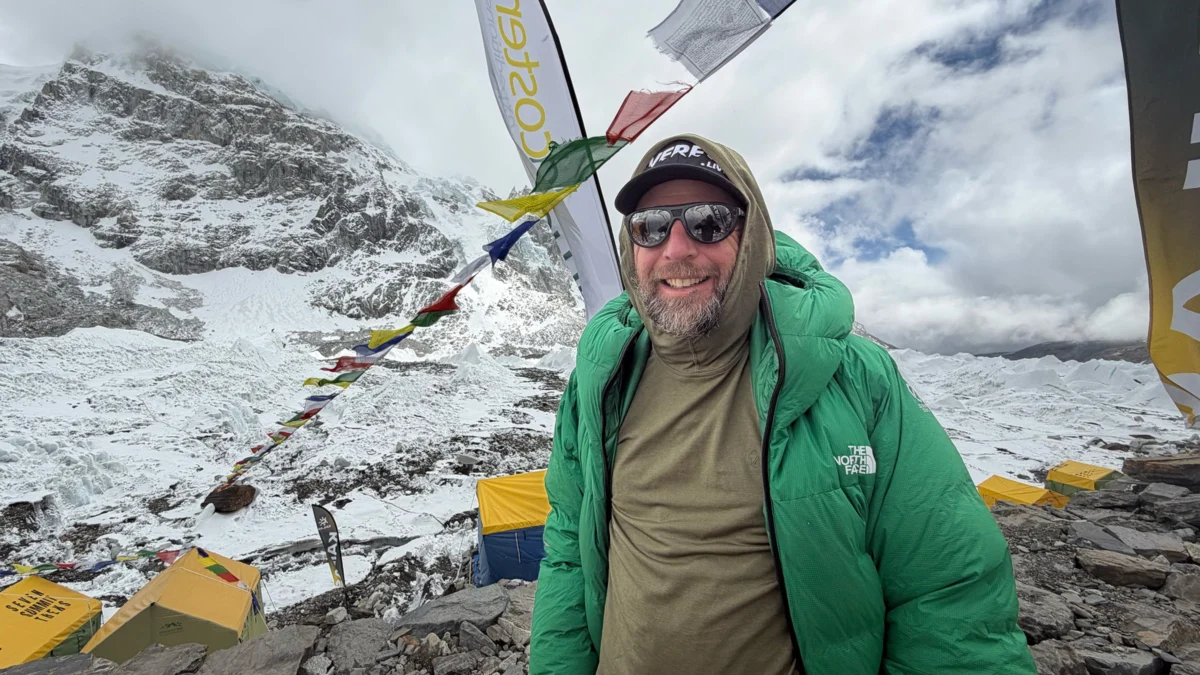
The 11-day journey from the Himalayan foothills of Lukla to Mount Everest Base Camp (EBC) remains one of the most iconic and physically demanding trekking routes in the world, spanning approximately 40 miles and ascending over 8,000 vertical feet. Veteran trekker Ben Ayers, who has spent 28 years living and working in Nepal, completed his latest ascent in May 2026, marking nearly three decades of observation regarding the evolution of the Khumbu region’s tourism infrastructure. This most recent expedition served as a field test for a refined kit of high-performance gear designed to mitigate the specific physiological and environmental hazards of high-altitude trekking, including extreme ultraviolet (UV) radiation, sub-zero temperatures, and the debilitating "Khumbu cough."
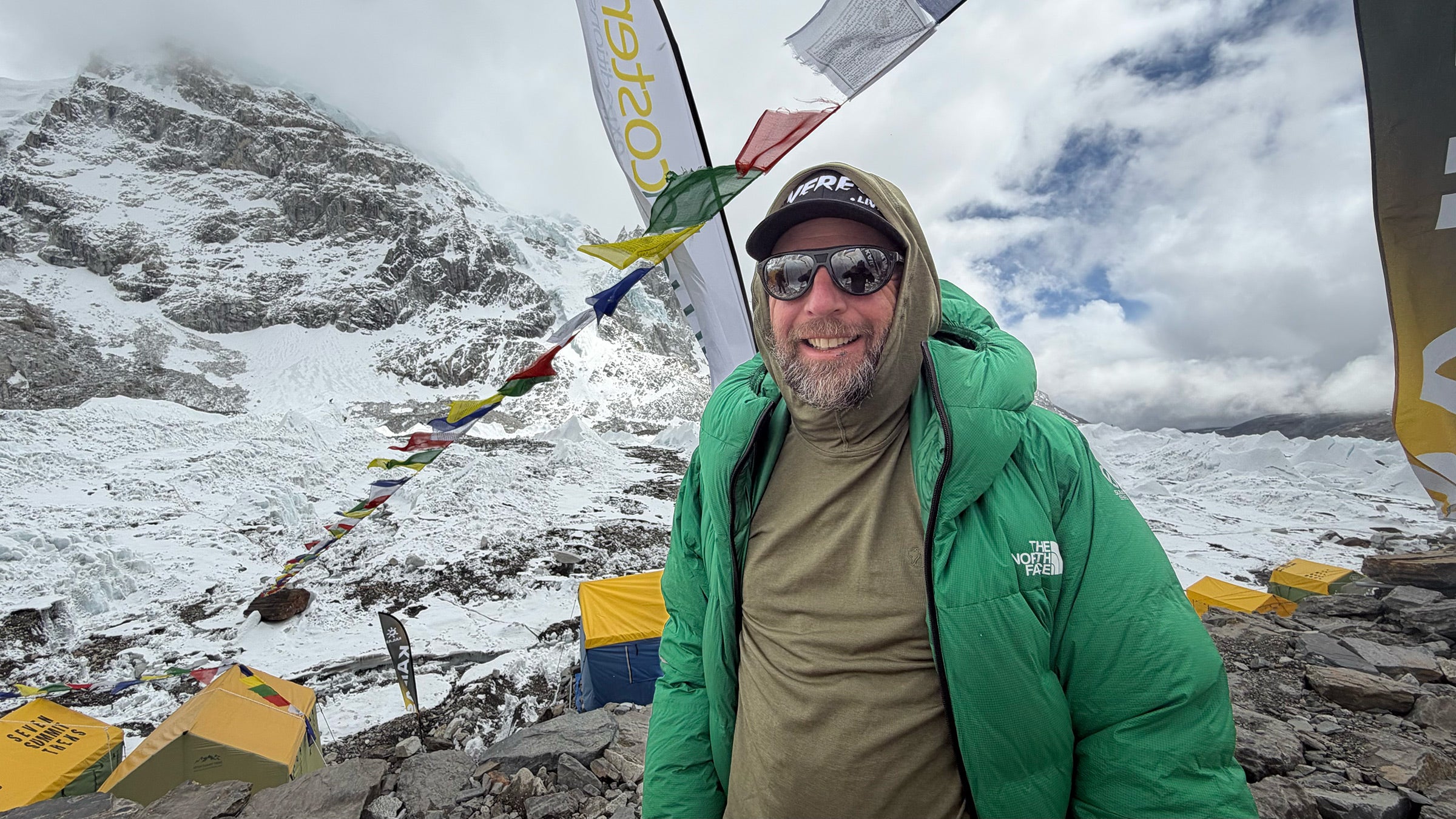
Since Ayers first began trekking in the region in the late 1990s, the path to Everest Base Camp has undergone a significant transformation. What was once a rugged series of trails supported by modest teahouses has evolved into a sophisticated tourism corridor. In 2025, Ayers documented the growth of towns like Namche Bazaar, noting the modernization of accommodations and the professionalization of the guiding industry. However, despite these logistical advancements, the physical challenges of the terrain—ranging from lush temperate forests to the punishing scree and glacial till of the Khumbu Glacier—remain constant, necessitating a meticulous approach to equipment selection.
The Evolution of High-Altitude Footwear and Terrain Challenges
The final approach to Everest Base Camp, situated at approximately 17,598 feet (5,364 meters), requires navigating the Khumbu Glacier, a moving mass of ice covered in unstable rock and debris. For years, a trend toward lightweight trail runners dominated the trekking community, a shift Ayers himself followed as he moved away from the heavy, rigid leather boots of the 1990s. However, the 2025 season highlighted the limitations of minimalist footwear on the technical sections of the upper Khumbu.
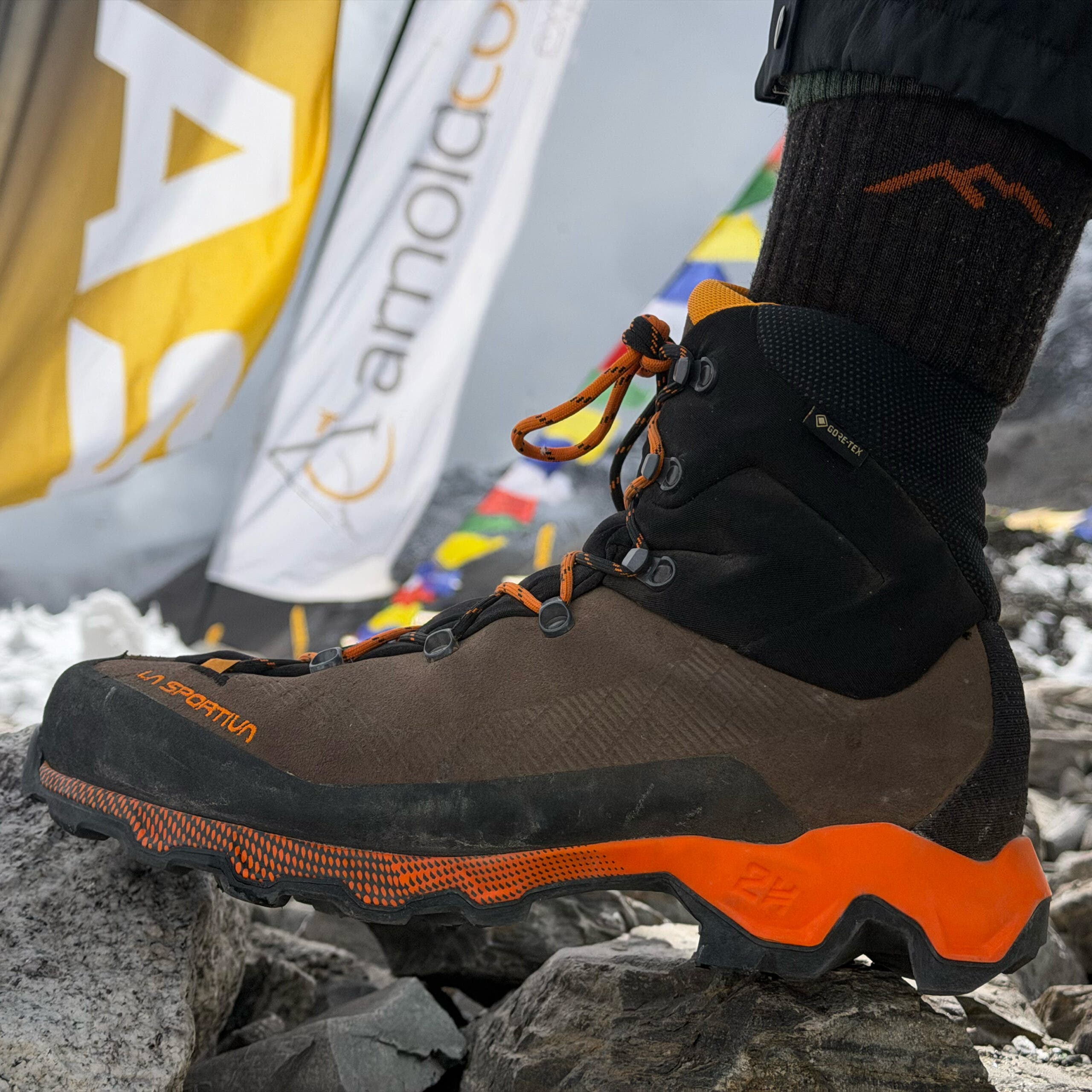
In 2026, Ayers transitioned to the La Sportiva Aequilibrium Trek GTX, a boot engineered to bridge the gap between technical mountaineering durability and trekking comfort. The primary requirement for this terrain is a "sturdy sole" capable of withstanding "punishing hikes on talus and rocks" while remaining supple enough to avoid the lengthy break-in periods associated with traditional boots. Modern footwear engineering now emphasizes weight reduction without sacrificing the lateral stability needed for glacial moraines. This balance is critical for trekkers who must maintain foot health over 11 days of continuous movement to avoid blisters or strain that could compromise the expedition.
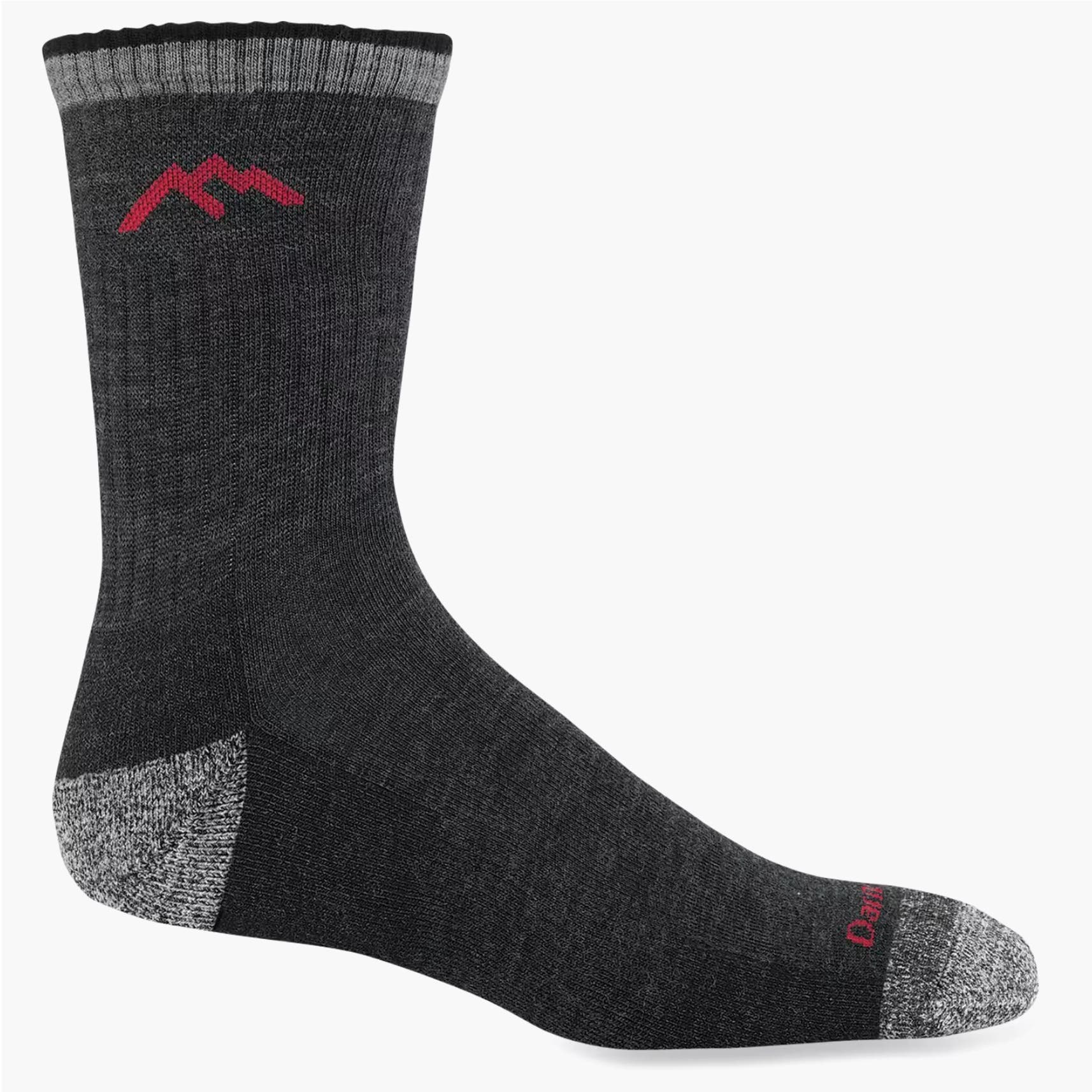
Supporting this footwear is a rigorous approach to hosiery. The industry standard has largely settled on merino wool blends, such as those produced by Vermont-based Darn Tough. These garments are valued for their warmth-to-weight ratio and antimicrobial properties, which allow for multiple days of use without washing—a practical necessity in an environment where water is scarce and drying clothes is difficult. At Base Camp, where temperatures frequently drop well below freezing, trekkers often switch to heavyweight mountaineering socks, which utilize high-density cushioning to provide thermal insulation against the frozen ground.
Managing the "Khumbu Cough" and Respiratory Health
One of the most persistent medical issues facing trekkers and climbers in the Himalayas is the "Khumbu cough." This condition is characterized by a dry, persistent hack caused by the inhalation of extremely cold, dry air, combined with high-altitude hypoxia and atmospheric particulates. At high elevations, the low humidity levels dry out the protective mucous membranes of the respiratory tract, making them susceptible to irritation from dust and pulverized animal waste found on the trails.
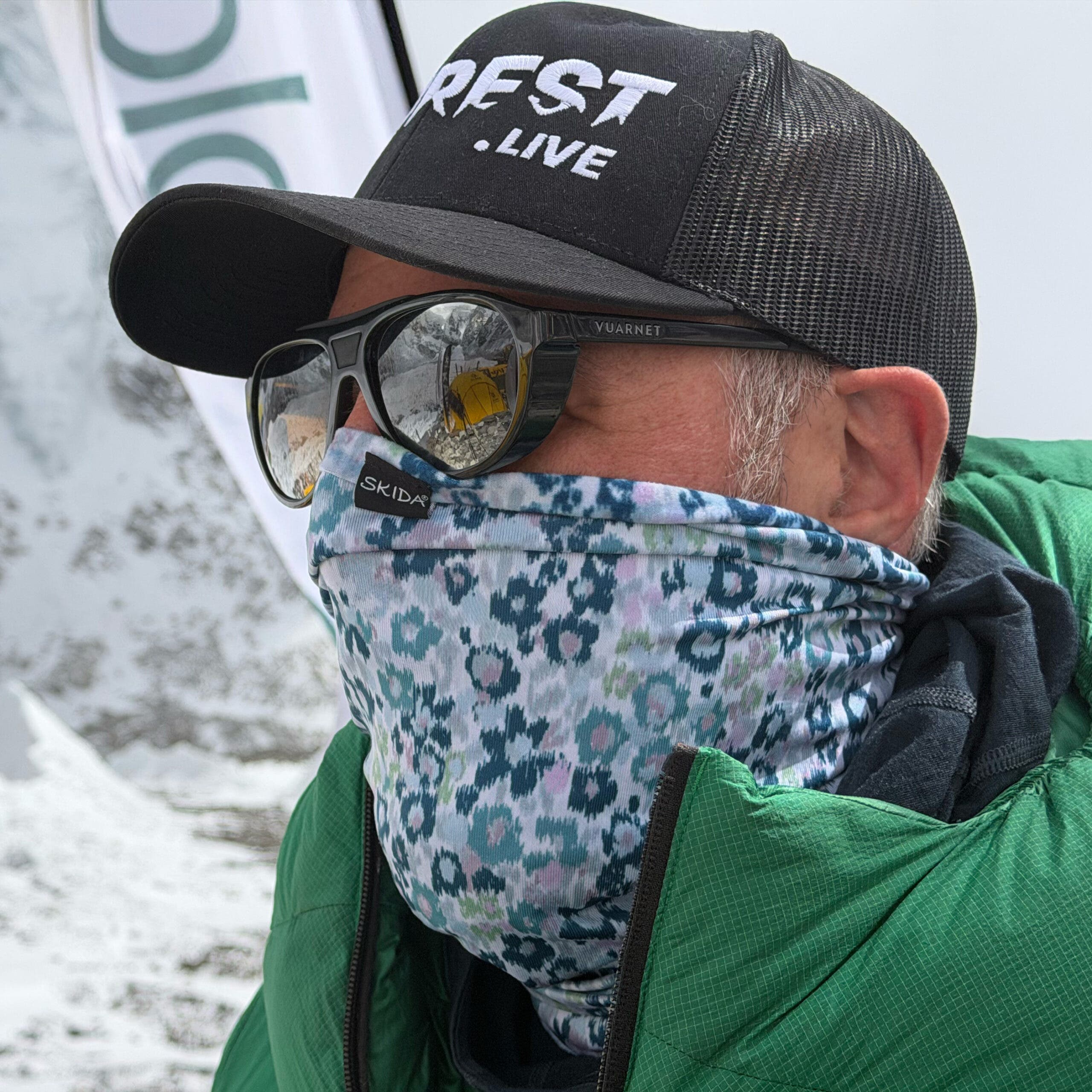
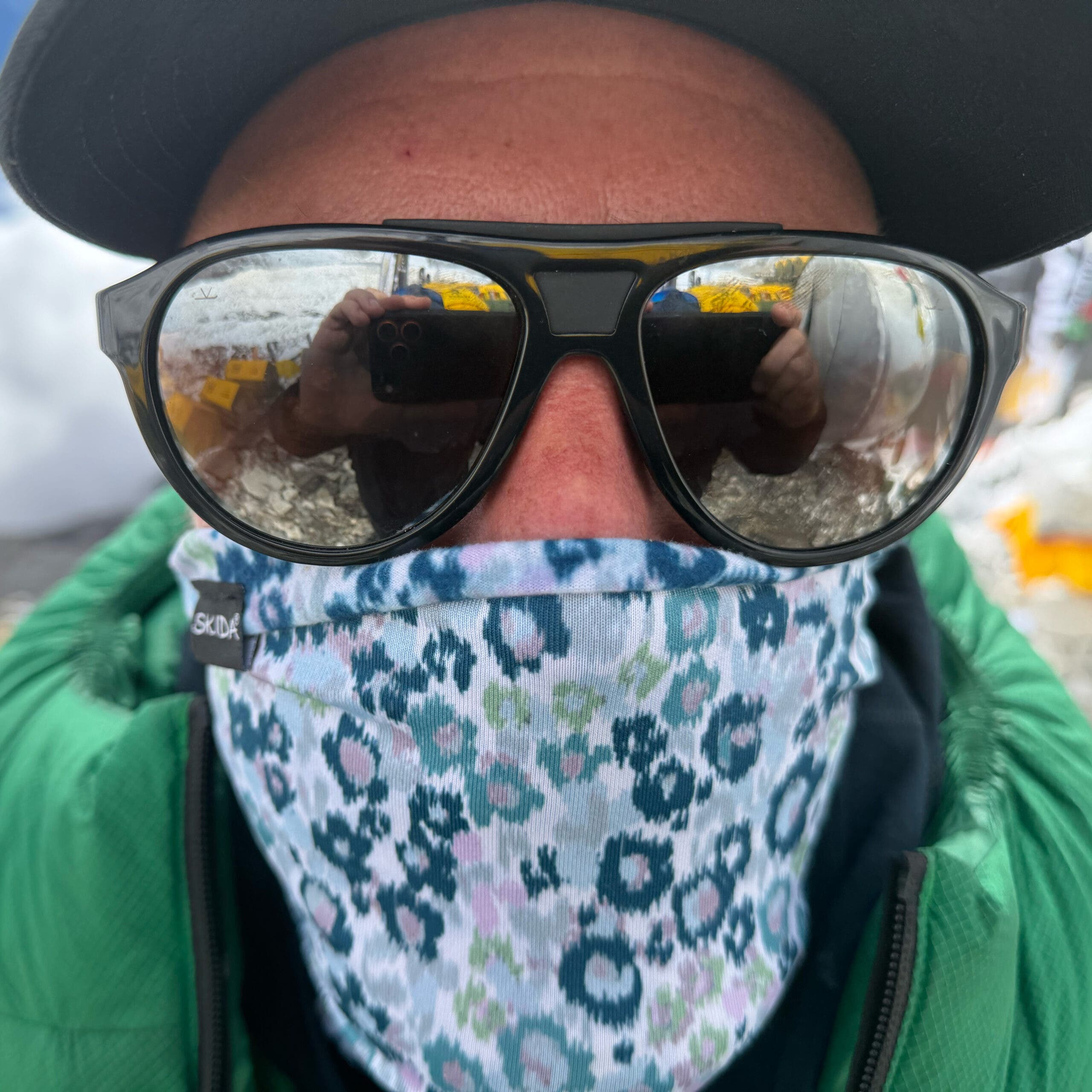
To combat this, Ayers utilized a two-tiered respiratory protection strategy in 2026. At lower elevations and during moderate exertion, the use of a Skida neck gaiter served as a basic barrier. By breathing through a fabric layer, trekkers can trap moisture from their exhalations, humidifying the air before it reaches the lungs. Ayers noted that the resistance provided by a gaiter can also serve as a pacing mechanism; if a trekker finds themselves gasping for breath through the fabric, it is a physiological signal to reduce their pace, thereby preventing overexertion and maintaining a more sustainable heart rate.

As the expedition reached higher altitudes and temperatures plummeted, Ayers transitioned to the Vapro Airtrim Sport Mask. This device, originally designed for cross-country skiers and high-altitude climbers, features a heat-exchange filter. The mechanism recovers heat and moisture from exhaled breath and transfers it to the incoming cold air. Data from high-altitude medical studies suggest that maintaining airway warmth and humidity is the most effective way to prevent the bronchial inflammation that leads to the Khumbu cough. Ayers reported that 2026 was the first year he arrived at Base Camp with entirely clear lungs, suggesting that heat-exchange technology may become a standard recommendation for high-altitude trekking.
Thermal Regulation and Sustainable Apparel Trends
The 2026 gear list also reflects a broader industry shift toward specialized base layers and sustainable natural fibers. The use of hooded long-sleeved shirts, such as the Fjällräven Abisko series, has become a standard practice for managing variable mountain weather. These garments provide "mechanical" sun protection, reducing the reliance on chemical sunscreens which can be difficult to reapply in freezing conditions. Ayers noted a preference for wool-based hoodies over synthetic alternatives as elevation increased, citing the natural fiber’s superior thermal regulation.
In addition to technical layers, there is a growing trend toward using alpaca fiber for high-altitude insulation. The Paka Original Crew sweater, utilized during the 2026 trek, highlights the performance characteristics of Royal Alpaca fiber. Alpaca wool is notable for its hollow-core fibers, which provide exceptional insulation while remaining lighter than traditional sheep’s wool. Furthermore, its natural odor resistance is a significant advantage for long-duration treks where laundry facilities are non-existent. This shift toward natural fibers reflects a desire among the trekking community for apparel that performs in "laboratory-grade" extreme conditions while maintaining a non-technical aesthetic.
Optical Safety and UV Protection at Extreme Altitude
The risk of retinal damage and snow blindness increases exponentially with altitude. For every 1,000 meters of ascent, UV radiation levels increase by approximately 10% to 12%. At Everest Base Camp, the presence of snow and glacial ice creates a highly reflective environment that bounces UV rays upward, necessitating "wraparound" eye protection.
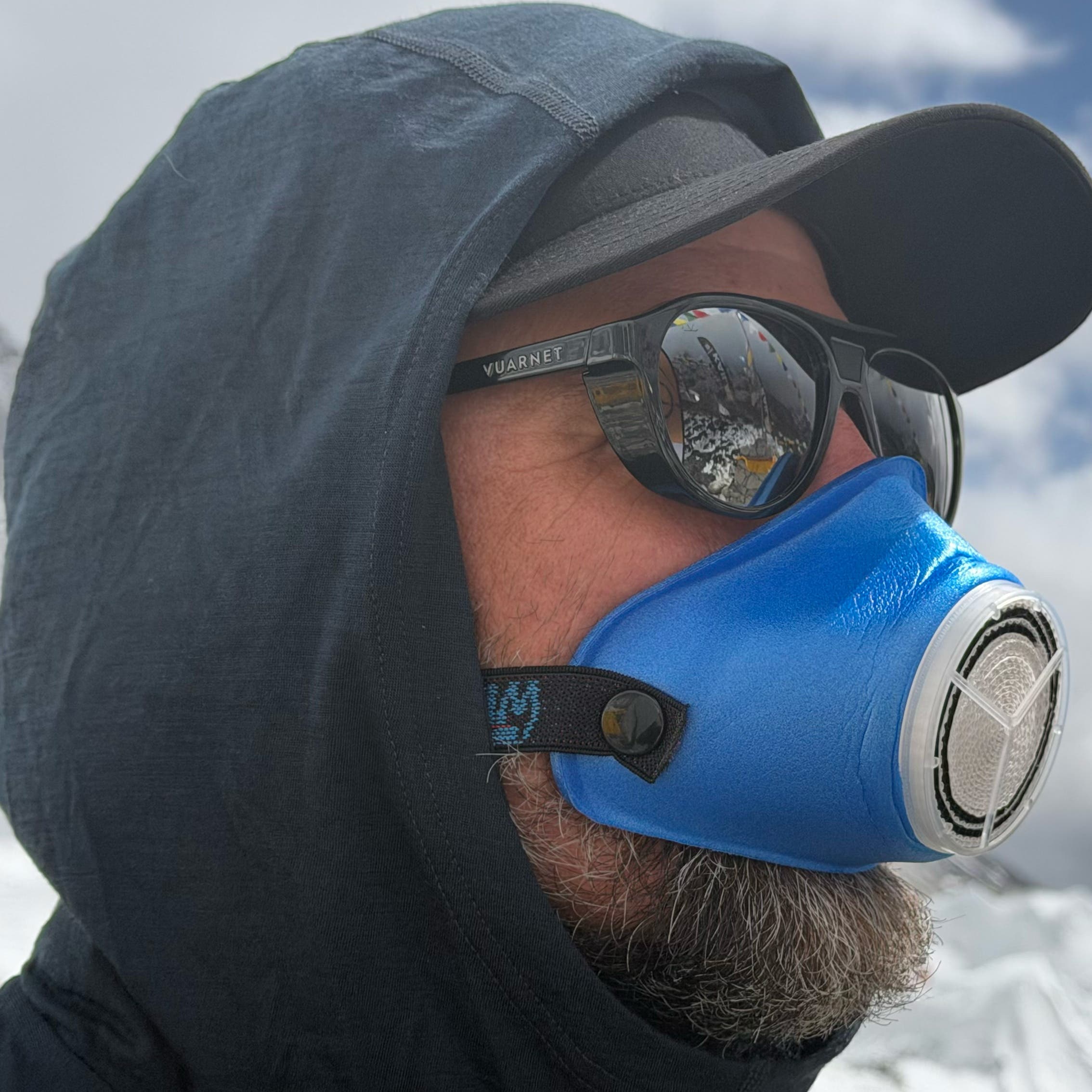
Ayers employed the Vuarnet Ice 01 sunglasses, which utilize mineral glass lenses and side shields to block peripheral light. Unlike standard fashion eyewear, glacier-specific glasses are designed to filter out 100% of UV rays and a high percentage of infrared light. The 2026 expedition underscored the importance of high-quality optics; "chintzy" or low-quality lenses can actually be more dangerous than no glasses at all, as the dark tint causes the pupils to dilate, allowing more harmful UV radiation to enter the eye if the lenses lack proper filters.
Logistical Support and the Rise of Regional Brands
The 2026 trek also highlighted the shifting landscape of outdoor equipment manufacturing and social media reporting. Ayers, operating the Everest.Live platform, provided daily updates from the mountain, reflecting the increasing demand for real-time data from remote locations. This project involved a partnership with Kailas, a Chinese outdoor apparel company that has seen a meteoric rise in popularity within the Himalayan climbing community.
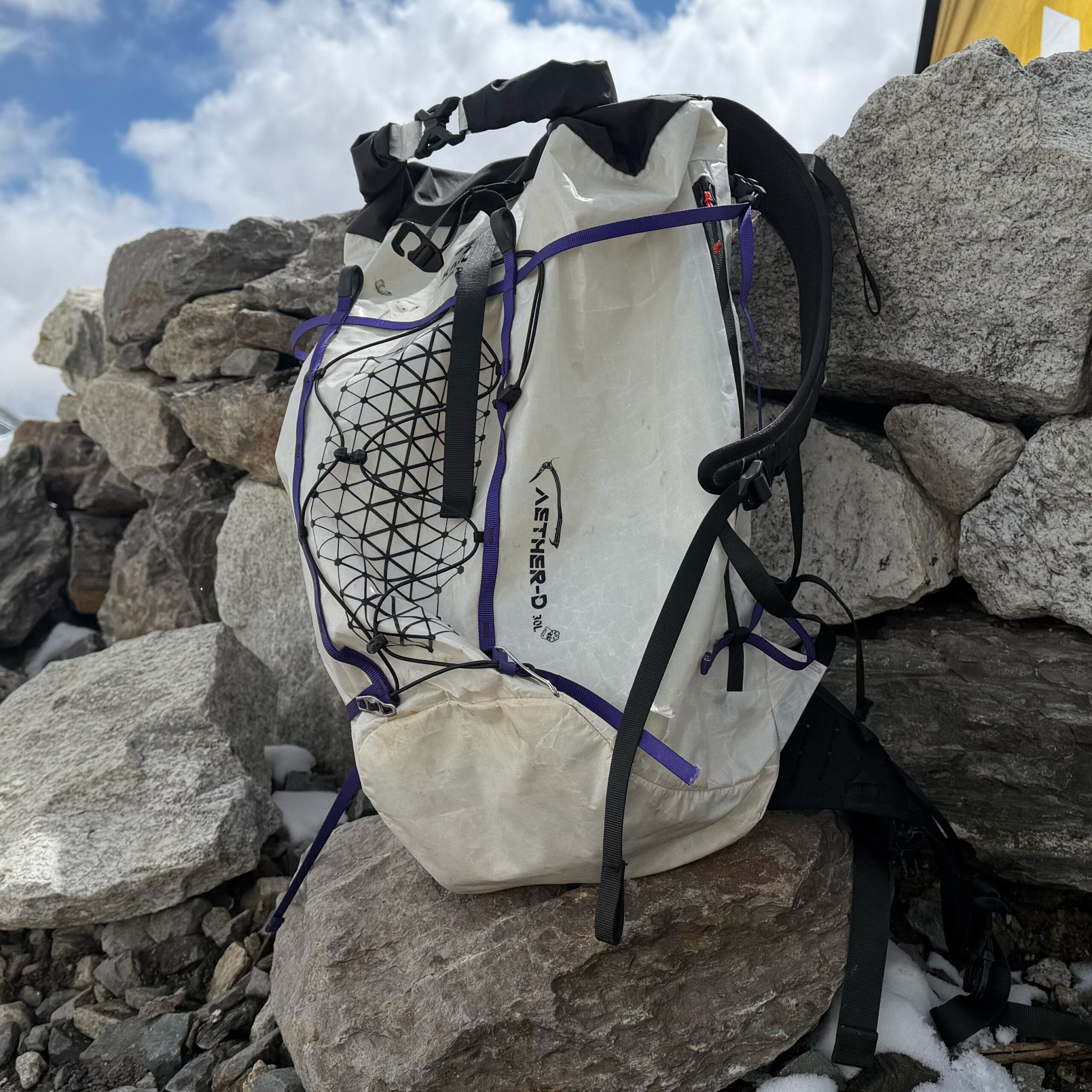
Ayers utilized the Kailas Aether-D 30L backpack, a piece of equipment constructed from Dyneema. Dyneema is an ultra-high-molecular-weight polyethylene that is significantly stronger than steel on a weight-for-weight basis. Its integration into trekking packs allows for a "lightweight, waterproof, and nearly indestructible" vessel for essential gear. The presence of Kailas equipment on the EBC trail signifies the growing influence of Asian manufacturers in a market historically dominated by North American and European brands.
Implications for the Future of Himalayan Trekking
The observations made during the 2026 trek suggest that the "professionalization" of the average trekker is continuing. As more enthusiasts seek to reach Everest Base Camp, the adoption of specialized technology—once reserved for elite mountaineers—is becoming more common. The successful use of heat-exchange masks, Dyneema fabrics, and advanced optical protection indicates that the margin for safety and comfort on the trail is expanding.
However, the core challenges of the Khumbu region remain. While gear can mitigate the effects of the environment, the physiological toll of 8,000 feet of vertical ascent over 40 miles requires disciplined pacing and environmental awareness. Ayers’ 28-year chronology of the trail serves as a reminder that while the equipment evolves, the fundamental relationship between the trekker and the mountain is defined by respect for the terrain and a meticulous approach to health and safety.
As the 2026 season concludes, the data gathered by veteran trekkers and the performance of new equipment will likely inform the packing lists for the thousands of adventurers expected to arrive in Lukla in 2027. The integration of sustainable fibers like alpaca and the mainstreaming of respiratory health tech represent the next frontier in the evolution of the world’s most famous trekking route.



 Chandra Hamzah
 Tatiana Tantri Indah Sari
 Budi Mulyono
