
 Chandra Hamzah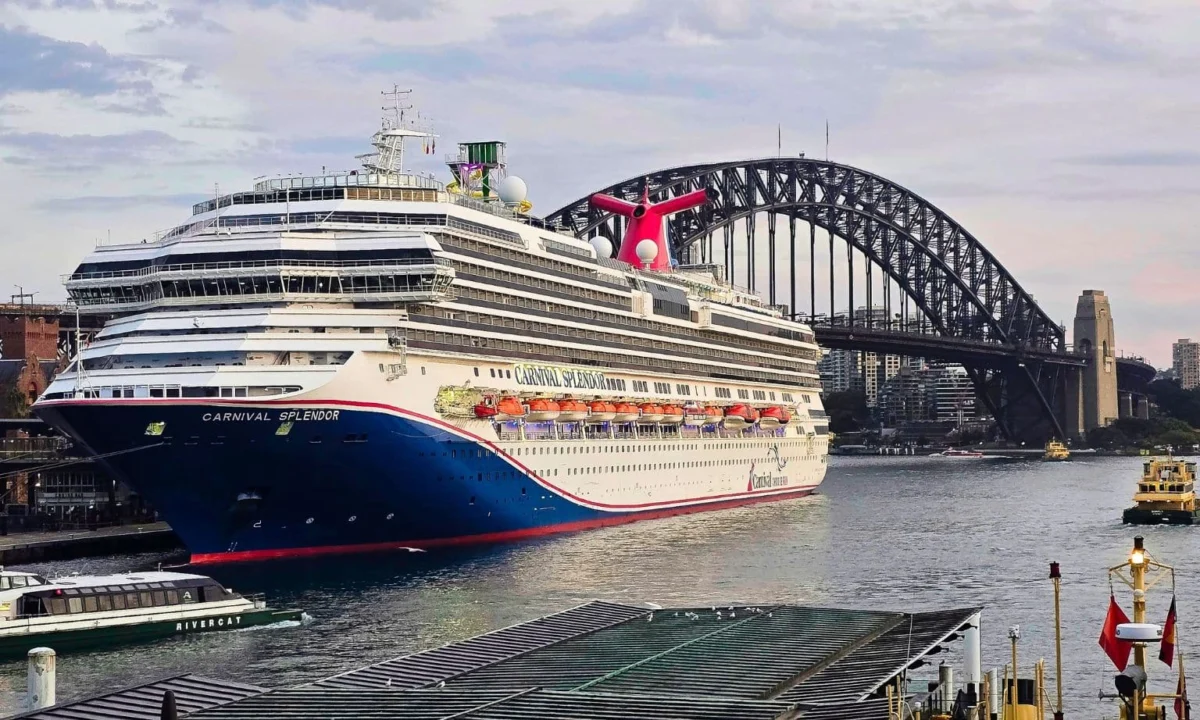
The concept of calling a cruise ship home is rapidly evolving from a niche retirement plan to a viable lifestyle choice for a broader demographic, including those still actively engaged in the workforce. This shift is driven by a confluence of factors, including increasing land-based living costs, the proliferation of remote work opportunities, and the allure of a travel-inclusive lifestyle. Recent headlines have highlighted the story of Katrina and Kevin Middleton, a Scottish couple who traded their traditional brick-and-mortar home for a permanent suite at sea, demonstrating the growing appeal of this unconventional living arrangement.
The Middletons, who work remotely as a marketing manager and an IT consultant respectively for UK-based companies, found themselves grappling with the escalating expenses of land-based living. Their financial pressures included a mortgage, payments on two vehicles, high energy bills, and other associated costs. After a thorough analysis of their expenditures, they made the significant decision to sell their home and embark on a life aboard Royal Caribbean’s Allure of the Seas. Their chosen path offers a stark contrast to the financial burdens they previously faced, with a monthly outlay of approximately US$5,200 (AU$7,300) covering not only their accommodation but also meals, entertainment, gym access, and the unique advantage of sailing through the Caribbean.
Katrina Middleton described their decision as "the best decision we could have made," emphasizing a marked increase in their happiness. She elaborated to People magazine, "We realized this is more affordable, and we’re actually saving money while travelling." The appeal of unpacking once and experiencing a constantly changing global landscape resonated deeply with her, a sentiment that has been a lifelong aspiration.
While the Middletons’ precise income remains undisclosed, their reported monthly expenses, inclusive of cruise fares, Wi-Fi, and select shore excursions, fall below US$6,000 (AUD$8,400). This figure, coupled with the potential for additional loyalty benefits from Royal Caribbean based on their tenure with the cruise line – which could include complimentary Wi-Fi and laundry services – positions their lifestyle as financially advantageous. Annually, this equates to roughly AUD$50,000 per person, a figure that presents a compelling proposition for those seeking to optimize their cost of living.
One of the significant psychological benefits identified by Katrina is the enhanced ability to disconnect from work. "There are always distractions, but you find a quiet spot… and when the day is done, we feel like we switch off a lot better than when we’re home," she explained. The constant environment of a fixed residence can perpetuate a feeling of being perpetually "on," whereas the distinct setting of a cruise ship facilitates a more definitive transition between professional and personal time. She further noted the reduction in incidental spending: "Day to day, you don’t realise how much you’re actually spending if you’re getting a coffee or lunch, or if you’re filling up your car. When you’re in the middle of the ocean, you don’t need to buy or spend anything. It’s definitely a lot more affordable for us." This inherent limitation on spontaneous purchases, a common pitfall in land-based living, contributes to their ability to save money.
The financial disparity highlighted by the Middletons’ experience may be even more pronounced for Australians. Given that Australia’s cost of living, particularly in major cities, is generally higher than in Scotland, the potential savings for Australians considering a similar lifestyle could be substantial. To illustrate this point, a comparative analysis of living costs in Sydney versus a year spent on a Carnival Cruise Line ship provides a tangible perspective.
The Economic Divide: Sydney Living vs. A Life at Sea
Estimated Annual Cost of Living in Sydney (Hypothetical Breakdown)
- Housing: Rent for a one-bedroom apartment in the city center can range from AUD $2,000 to $3,500 per month, totaling approximately AUD $24,000 to $42,000 annually. Property ownership would incur mortgage payments, council rates, and maintenance, often exceeding rental costs.
- Utilities: Electricity, gas, water, and internet typically amount to AUD $300-$500 per month, or AUD $3,600-$6,000 annually.
- Groceries: A modest grocery bill for a single person or couple can easily reach AUD $800-$1,200 per month, resulting in AUD $9,600-$14,400 per year.
- Transportation: Owning and maintaining a car (fuel, insurance, registration, maintenance) can cost upwards of AUD $5,000-$8,000 annually. Public transport, while an alternative, still represents a significant monthly expense.
- Dining Out & Entertainment: Social activities, dining out, and entertainment are substantial discretionary expenses that can easily add AUD $10,000-$20,000+ annually.
- Healthcare & Insurance: Private health insurance premiums and out-of-pocket medical expenses contribute to the overall cost.
- Miscellaneous: Clothing, personal care, household items, and unforeseen expenses add to the total.
Estimated Annual Cost of Living on a Cruise Ship (Hypothetical Breakdown based on Middleton’s experience)

- Accommodation, Meals, and Basic Entertainment: The Middletons’ reported US$5,200 (AU$7,300) per month covers accommodation, all meals in various dining venues, access to entertainment shows, live music, and onboard activities. This annual cost is approximately AUD $87,600.
- Wi-Fi: While often an additional cost, loyalty programs or bundled packages can mitigate this. If factored in, it might add a few hundred dollars annually.
- Shore Excursions & Personal Spending: This is the primary variable cost. Depending on the frequency and nature of excursions, this could range from AUD $5,000-$15,000+ annually.
- Travel Insurance: Essential for any travel, this would be an ongoing expense.
- Incidentals: Minor personal purchases onboard or during shore visits.
The Verdict on Affordability
When comparing the estimated annual costs, a lifestyle at sea, as exemplified by the Middletons, presents a compelling economic argument. While the headline figure of AUD $50,000 per person per year might seem substantial, it is crucial to consider what is encompassed. This cost includes housing, all food, comprehensive entertainment, and the unique benefit of continuous travel.
A hypothetical scenario for a couple living in Sydney, aiming for a comfortable but not extravagant lifestyle, could easily exceed AUD $100,000 to $150,000 annually when all expenses are aggregated. This figure does not account for the significant capital tied up in property ownership or the ongoing maintenance and depreciation associated with owning a home and vehicles.
The cruise ship lifestyle, therefore, offers a potential pathway to significant savings, particularly for individuals and couples who can leverage remote work. The all-inclusive nature of cruise fares, when compared to the fragmented and often unpredictable costs of land-based living, simplifies budgeting and provides a level of financial predictability. Furthermore, the psychological benefit of reduced stress and a more defined separation between work and leisure time contributes to an improved quality of life, which is increasingly valued alongside financial considerations.
The Growing Trend and its Implications
The trend of living at sea is not confined to the Middletons. Numerous cruise lines are recognizing this emerging market and are beginning to offer more long-term residency options. This includes the development of "residential cruises" or "world cruises" that operate for extended periods, catering to individuals seeking a nomadic yet settled existence. Companies are exploring models that offer apartment-style living with dedicated amenities for long-term guests, blurring the lines between a vacation and a permanent home.
The implications of this trend are multifaceted. For the cruise industry, it represents a significant new revenue stream and a way to maximize ship occupancy outside of traditional holiday periods. It also allows for greater engagement with a demographic that might otherwise not be frequent cruise passengers. For individuals, it offers an escape from the rising costs of living, a chance to explore the world without the logistical complexities of frequent travel, and a potentially more fulfilling lifestyle.
However, this lifestyle is not without its considerations. Long-term residency on a cruise ship requires a significant shift in mindset and an acceptance of a communal living environment. Access to specialized healthcare, personal space limitations, and the need for consistent internet connectivity for remote work are all factors that individuals must carefully evaluate. Furthermore, the economic viability can fluctuate with cruise line pricing, fuel costs, and geopolitical events that may impact travel routes.
Despite these considerations, the growing popularity of the cruise ship lifestyle signifies a broader societal re-evaluation of traditional living arrangements. As remote work continues to shape employment landscapes and the cost of land-based living remains a persistent challenge for many, the allure of a life at sea, offering affordability, adventure, and a unique sense of community, is likely to continue its upward trajectory. The story of Katrina and Kevin Middleton serves as a compelling case study for a growing movement that is redefining what it means to live, work, and thrive in the 21st century.




 Anjar Salim
 Tatiana Tantri Indah Sari
 Budi Mulyono
 Lukman Taruna Persada Ramadan
