
 Budi Mulyono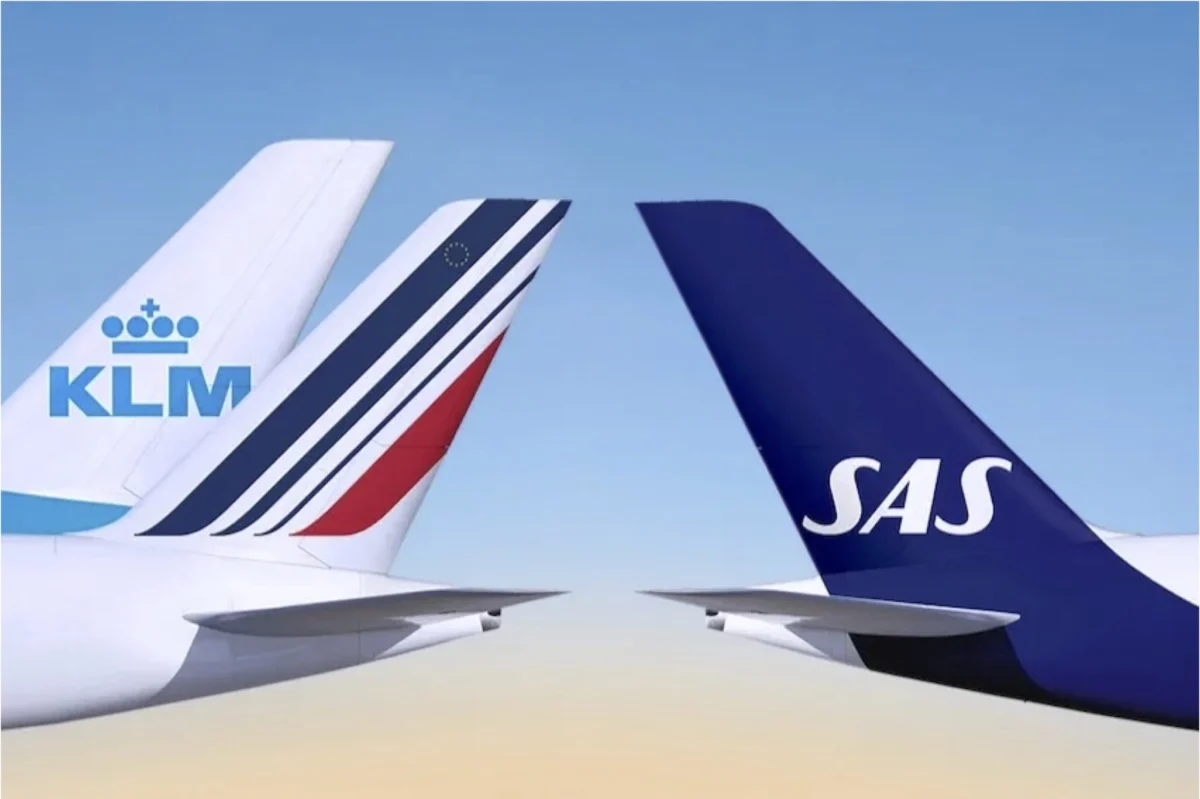
The Air France-KLM Group, one of the most prominent players in the global aviation sector, is reportedly entering a period of significant structural reflection that may culminate in a complete corporate rebranding. According to industry reports and internal discussions, the group is considering a transition to a more neutral identity, with "The Blue Group" emerging as a primary candidate for the new name. This move comes as the company seeks to distance its overarching corporate identity from its two founding national carriers to better accommodate its expanding portfolio of international subsidiaries and future acquisition targets. Since its formation in 2004, the group has operated under a hyphenated name that pays homage to its French and Dutch roots, but as the European aviation market undergoes a new wave of consolidation, leadership believes a more inclusive brand architecture is necessary to reflect its status as a pan-European powerhouse.
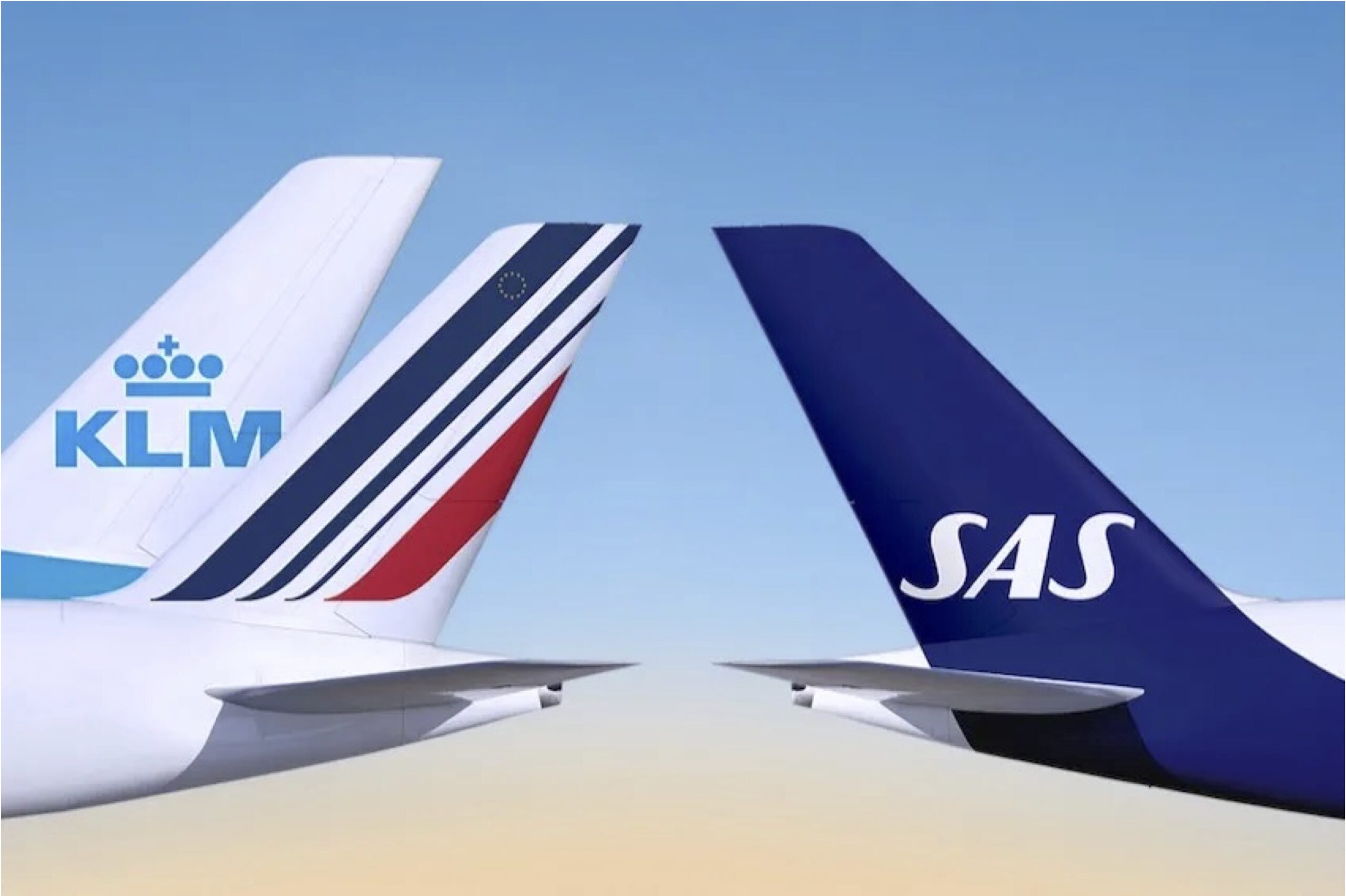
The potential shift in branding is not merely a cosmetic change but a strategic maneuver aimed at streamlining the group’s identity during a period of aggressive expansion. Under the leadership of CEO Benjamin Smith, Air France-KLM has pivoted from a defensive posture toward an offensive strategy, seeking to secure its position against rivals like the Lufthansa Group and International Airlines Group (IAG). The current nomenclature, while historically significant, is increasingly viewed by some executives as restrictive. By adopting a name like The Blue Group, the organization could integrate diverse carriers—such as the recently acquired stake in Scandinavian Airlines (SAS) or a potential future stake in TAP Air Portugal—without the cultural or nationalistic friction that often accompanies cross-border mergers in the airline industry.
Historical Context: Two Decades of the Air France-KLM Alliance
To understand the weight of a potential name change, one must look back at the origins of the group. The merger of Air France and KLM Royal Dutch Airlines in 2004 was a landmark event in aviation history. It represented the first major cross-border consolidation of European flag carriers, creating what was then the world’s largest airline group in terms of total operating revenues. At the time, the dual-branded name was a political and social necessity. It reassured both French and Dutch stakeholders that their respective national icons would maintain their distinct identities, hubs, and cultures within a shared corporate framework.
For twenty years, this "one group, two airlines" model has been the bedrock of the company’s operations. However, the aviation landscape of 2024 is vastly different from that of 2004. The rise of low-cost carriers (LCCs), the impact of global pandemics, and the necessity of massive capital investments have forced airline groups to become more integrated and efficient. The group has already expanded its reach through Transavia, its low-cost subsidiary which operates under both French and Dutch branches. As the group looks toward the next decade, the hyphenated name "Air France-KLM" is seen by some as a legacy of a bygone era of bilateralism rather than a modern, scalable corporate umbrella.
The Strategic Logic Behind The Blue Group
The choice of "The Blue Group" as a potential moniker is rooted in the shared visual heritage of the founding carriers. Both Air France and KLM have long utilized blue as a primary color in their liveries and branding—KLM with its iconic bright "Royal Blue" and Air France with its sophisticated navy blue accents. By choosing a name centered on a color, the group can maintain a subtle link to its origins while providing a neutral platform for new members.
In the world of corporate branding, "neutrality" is a valuable asset during mergers and acquisitions. When a national carrier is acquired by a foreign group, there is often significant public and political pushback regarding the loss of national sovereignty. A group name that does not explicitly favor one nation can help mitigate these concerns. This strategy was successfully employed by International Airlines Group (IAG), the parent company of British Airways, Iberia, Vueling, and Aer Lingus. By choosing a neutral name, IAG allowed its constituent brands to retain their national prestige while operating under a single, unified corporate strategy. Air France-KLM’s consideration of a similar path suggests a desire to replicate this success as it pursues a broader European footprint.
Expansion and Acquisition: The Catalyst for Change
The immediate catalyst for this rebranding discussion is the group’s recent activity in the mergers and acquisitions (M&A) market. In late 2023 and early 2024, Air France-KLM made headlines by securing a 19.9% stake in Scandinavian Airlines (SAS) as part of the carrier’s restructuring process. This investment signaled a major shift in the Nordic market, as SAS prepared to move from the Star Alliance to the SkyTeam alliance, of which Air France and KLM are founding members. Integrating a major Nordic brand into a group named "Air France-KLM" creates a branding disconnect; SAS is neither French nor Dutch, and its inclusion highlights the limitations of the current corporate title.
Furthermore, the group has expressed a clear interest in TAP Air Portugal. The Portuguese government has been preparing for the privatization of its national carrier, which occupies a strategic niche with its extensive network to South America, particularly Brazil. Air France-KLM is currently in a "three-way tug-of-war" with the Lufthansa Group and IAG for a stake in TAP. Should Air France-KLM succeed, the addition of a Southern European carrier would further dilute the relevance of the Franco-Dutch name. A neutral identity would allow the group to present itself to the Portuguese government and public as a truly international partner rather than a foreign entity looking to "take over" a national symbol.
Comparative Analysis: How Rivals Manage Multi-Brand Portfolios
The European aviation market is dominated by three major legacy groups, each with a different approach to branding and integration:
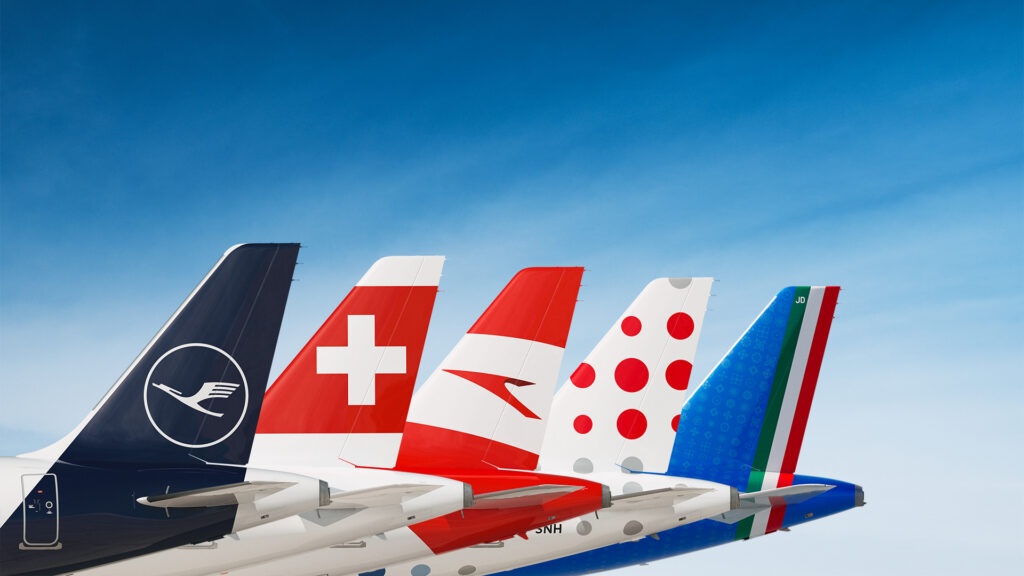
- The Lufthansa Group: This group has maintained its primary brand name for the parent company while acting as a "House of Brands." It includes Lufthansa, Swiss International Air Lines, Austrian Airlines, Brussels Airlines, and most recently, a significant stake in Italy’s ITA Airways. Despite the diverse nationalities, the group remains the "Lufthansa Group," leaning on the strength and reputation of the German carrier.
- International Airlines Group (IAG): As previously mentioned, IAG opted for a completely neutral name upon its formation via the merger of British Airways and Iberia. This has allowed it to add brands like Vueling and Aer Lingus without creating an identity crisis.
- Air France-KLM: Currently, the group sits in the middle, using a descriptive name that lists its primary assets.
Industry analysts suggest that the "IAG model" of neutrality is increasingly attractive in a globalized economy. It provides a cleaner separation between the holding company—which deals with investors, regulators, and fleet procurement—and the consumer-facing airlines. If Air France-KLM transitions to The Blue Group, it would align more closely with the IAG approach, signaling a shift toward a more centralized corporate governance structure.
Internal Challenges and Stakeholder Reactions
Despite the strategic advantages, the proposal to rebrand is not without internal opposition. Reports suggest that some high-level executives and board members are wary of abandoning two of the most recognized names in aviation history. The brands "Air France" and "KLM" carry immense equity, representing decades of service, safety, and cultural identity. There are concerns that a move to a generic name like The Blue Group could diminish the group’s prestige in the eyes of institutional investors or corporate partners who value the heritage of the founding carriers.
Furthermore, the logistical and financial cost of a rebrand is substantial. While the individual airlines would likely retain their names and liveries—meaning planes would not need to be repainted—the corporate identity change would require a massive overhaul of legal entities, internal communications, digital infrastructure, and marketing materials. In an industry with razor-thin margins, such an expenditure must be justified by clear long-term gains.
The Economic and Operational Implications
From an operational standpoint, a name change could facilitate deeper integration. Currently, Air France and KLM maintain separate headquarters in Paris and Amstelveen, respectively, though they share many back-office functions. A unified "Blue Group" identity could serve as a psychological catalyst for further streamlining operations, reducing redundancies, and improving the group’s overall operating margin, which has historically trailed behind that of IAG and the Lufthansa Group.
Financially, the group has shown resilience in its post-pandemic recovery. In its recent fiscal reports, Air France-KLM highlighted significant revenue growth and a return to profitability, driven by strong demand for long-haul travel and the expansion of its cargo and maintenance divisions. A rebrand at this stage would be a "move from a position of strength," intended to future-proof the organization rather than fix a failing brand. It would signal to the market that the group is ready to move beyond its original merger objectives and become a more agile, multi-national entity.
Timeline and Future Outlook
While no official timeline has been released for the potential rebranding, industry observers expect that a decision could be reached within the next 12 to 18 months, coinciding with the finalization of the SAS integration and the outcome of the TAP Air Portugal bidding process. If the board approves the change, a phased rollout would likely begin at the corporate level before being introduced to the broader public.
The transformation of Air France-KLM into The Blue Group would represent more than just a name change; it would mark the end of the post-merger transitional phase that has lasted two decades. It would signify the birth of a new era in European aviation, where the "national" in "national carrier" becomes secondary to the scale and efficiency of the "global group." As the industry continues to consolidate, the success or failure of this rebranding effort will likely serve as a case study for other major airlines looking to navigate the complex intersection of national heritage and global ambition.
In conclusion, the potential emergence of The Blue Group reflects a broader trend in the aviation industry toward corporate anonymity for the sake of strategic flexibility. While the names Air France and KLM will undoubtedly continue to grace the skies, the entity that controls them is preparing for a future where its wingspan reaches far beyond the borders of France and the Netherlands. Whether this shift will provide the "neutrality" needed to dominate the European skies remains to be seen, but the discussion itself underscores the evolving identity of one of the world’s most significant aviation enterprises.




 Anjar Salim
 Chandra Hamzah
 Tatiana Tantri Indah Sari
 Lukman Taruna Persada Ramadan
