
 Susilo Edi Turonggo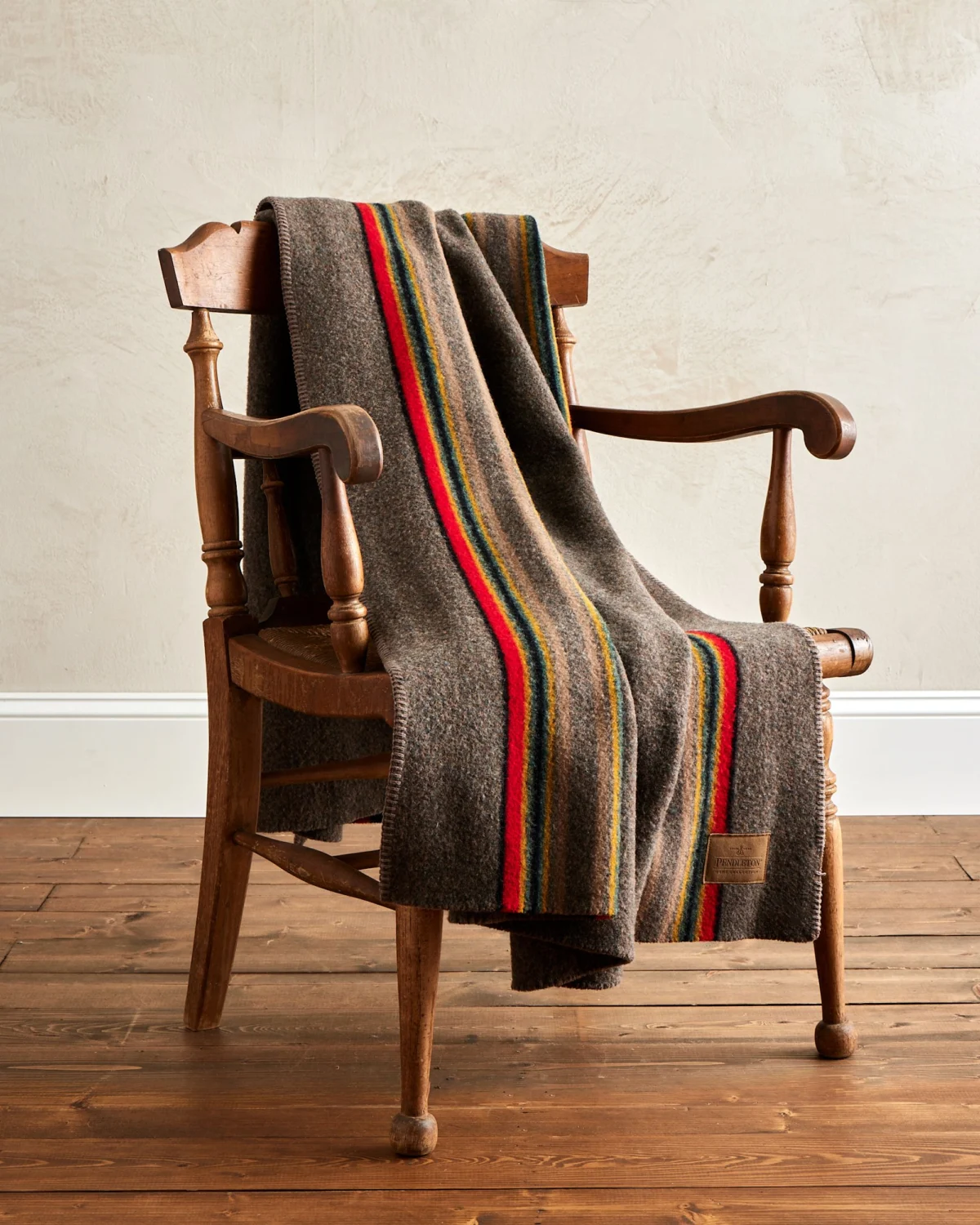
The modern consumer landscape is increasingly defined by a demand for products that not only serve their primary function but also align with environmental stewardship and social responsibility. In the realm of home textiles, particularly blankets, this shift has led to a critical re-evaluation of manufacturing processes, material sourcing, and supply chain ethics. What once was a simple purchase for warmth has evolved into a decision laden with considerations for ecological impact, human health, and artisan welfare. This comprehensive guide delves into the crucial factors discerning buyers should consider when selecting a blanket, highlighting brands at the forefront of sustainable and ethical production.
The Growing Imperative for Sustainable Home Textiles
The textile industry, globally, is one of the most polluting, contributing significantly to water pollution, greenhouse gas emissions, and landfill waste. Annually, an estimated 92 million tons of textile waste are generated, a figure projected to rise to 134 million tons by 2030. Within this vast industry, the production of household linens, including blankets, carries its own substantial footprint. Traditional manufacturing often relies on synthetic fibers derived from petrochemicals, intensive water usage for conventional cotton cultivation, and a cocktail of harsh chemical dyes and finishes. These practices not only degrade the environment but also pose direct health risks to workers and consumers. The increasing awareness of these issues has fueled a robust movement towards sustainable alternatives, where transparency, ethical labor, and ecological preservation are paramount.
Environmental and Health Ramifications of Conventional Blanket Production
The environmental impact of textiles begins at the raw material stage. Conventional cotton, for instance, accounts for a disproportionate share of global pesticide use, contaminating soil and water systems. Synthetic fibers like polyester, while durable, are petroleum-based, non-biodegradable, and contribute to microplastic pollution, shedding tiny plastic particles into waterways with every wash. A single laundry load can release hundreds of thousands of microfibers, which enter the food chain and accumulate in ecosystems.
Beyond the fibers themselves, the dyeing and finishing processes are notorious for their environmental harm. Many synthetic textiles, including blankets, are colored with immuno-sensitizing azo-benzene disperse dyes. These chemicals, when in direct contact with skin, can trigger allergic reactions. Furthermore, these hazardous substances can leach into household dust, becoming airborne or ingested, posing risks to respiratory health and overall well-being, particularly for children and vulnerable populations. The wastewater from dyeing facilities, often untreated, is a major source of water pollution in manufacturing regions, poisoning rivers and impacting local communities.
Social Equity and Supply Chain Transparency
The quest for inexpensive textiles has often come at the expense of human rights. The global textile supply chain is notoriously complex and opaque, making it difficult to trace the origins of materials and ensure fair labor practices. Reports of exploitative wages, unsafe working conditions, and even forced labor are not uncommon in regions where textile production is concentrated. This lack of transparency undermines consumer trust and perpetuates a cycle of poverty and injustice.
In response, ethical consumerism has gained traction, with a growing number of consumers actively seeking brands that demonstrate a commitment to social responsibility. This includes fair wages, safe and healthy workplaces, non-discrimination, and the empowerment of artisan communities. Certifications from organizations like Fair Trade USA and the World Fair Trade Organization have emerged as crucial benchmarks, offering consumers assurance that products meet stringent social and economic standards. These labels signify not only fair compensation for producers but also investments in community development and sustainable practices.
Key Pillars of Sustainable Blanket Selection
Selecting a truly sustainable and ethical blanket requires careful consideration across several dimensions. The leading brands in this space prioritize three core pillars: skin-safe materials and dyes, durability and timeless style, and a traceable and ethical supply chain.
Prioritizing Skin-Safe and Eco-Friendly Materials
The choice of material is foundational to a blanket’s sustainability and safety profile. Natural fibers generally offer a superior alternative to synthetics due to their biodegradability, renewable nature, and often lower environmental processing footprint. Organic cotton, for instance, is cultivated without synthetic pesticides or fertilizers, significantly reducing its ecological impact compared to conventional cotton. Alpaca and merino wool are prized for their exceptional warmth, breathability, and natural anti-odor properties, requiring less frequent washing and thus conserving water. Linen, derived from flax, is a highly durable and low-impact fiber, requiring minimal water and pesticides. Innovative cellulosic fibers like Tencel (lyocell), made from sustainably sourced wood pulp, are produced in a closed-loop system that recycles water and solvents, minimizing waste. Hemp, another robust and fast-growing fiber, requires little water and no pesticides, making it an excellent sustainable choice.
Crucially, the dyes and finishes applied to these fibers must also be non-toxic. Certifications such as Oeko-Tex Standard 100 and bluesign provide independent verification that textiles are free from harmful substances, ensuring they are safe for skin contact and do not contribute to indoor air pollution or ecological contamination during production. Oeko-Tex tests for a wide range of harmful substances, while bluesign focuses on optimizing environmental performance at every step of the manufacturing process.
The Value of Durability and Timeless Design
In an era of fast fashion and disposable goods, durability is a cornerstone of sustainability. A well-made blanket, designed to last for years, reduces the need for frequent replacement, thereby conserving resources and minimizing waste. Brands committed to sustainability often invest in high-quality craftsmanship and robust materials that withstand the test of time and use. For example, wool blankets are naturally resilient and resist odors, meaning they don’t require washing as frequently as their synthetic counterparts, further extending their lifespan and reducing water and energy consumption.
Beyond physical longevity, timeless style plays a significant role. Designs that transcend fleeting trends ensure that a blanket remains a cherished item in a home for decades, avoiding the cycle of obsolescence driven by changing aesthetic preferences. This thoughtful approach to design minimizes the overall environmental footprint by promoting mindful consumption over rapid turnover. Consumers are encouraged to check care instructions to maximize the life of their investment.
Ensuring an Ethical and Traceable Supply Chain
A truly sustainable blanket goes beyond its material composition; it embodies the principles of social justice throughout its production journey. Brands committed to ethical practices maintain transparent and traceable supply chains, ensuring that every individual involved, from fiber farmers to weavers, is treated fairly and works in safe conditions. This often involves direct partnerships with artisan communities, supporting traditional craftsmanship and empowering local economies.
Certifications from Fair Trade USA and the World Fair Trade Organization (WFTO) are critical indicators of a brand’s commitment to these principles. Fair Trade certification ensures fair prices, safe working conditions, environmental protection, and community development. The WFTO, specifically, focuses on holistic fair trade practices across the entire organization, not just individual products. These certifications provide consumers with confidence that their purchase contributes positively to the livelihoods of producers and supports equitable global trade.
Leading Brands in Ethical Blanket Production: A Comprehensive Overview
The market for ethical and sustainable blankets is growing, with several brands distinguishing themselves through their commitment to responsible practices. Below is a detailed look at some of the industry’s leaders, offering a range of styles, materials, and price points for the conscious consumer.
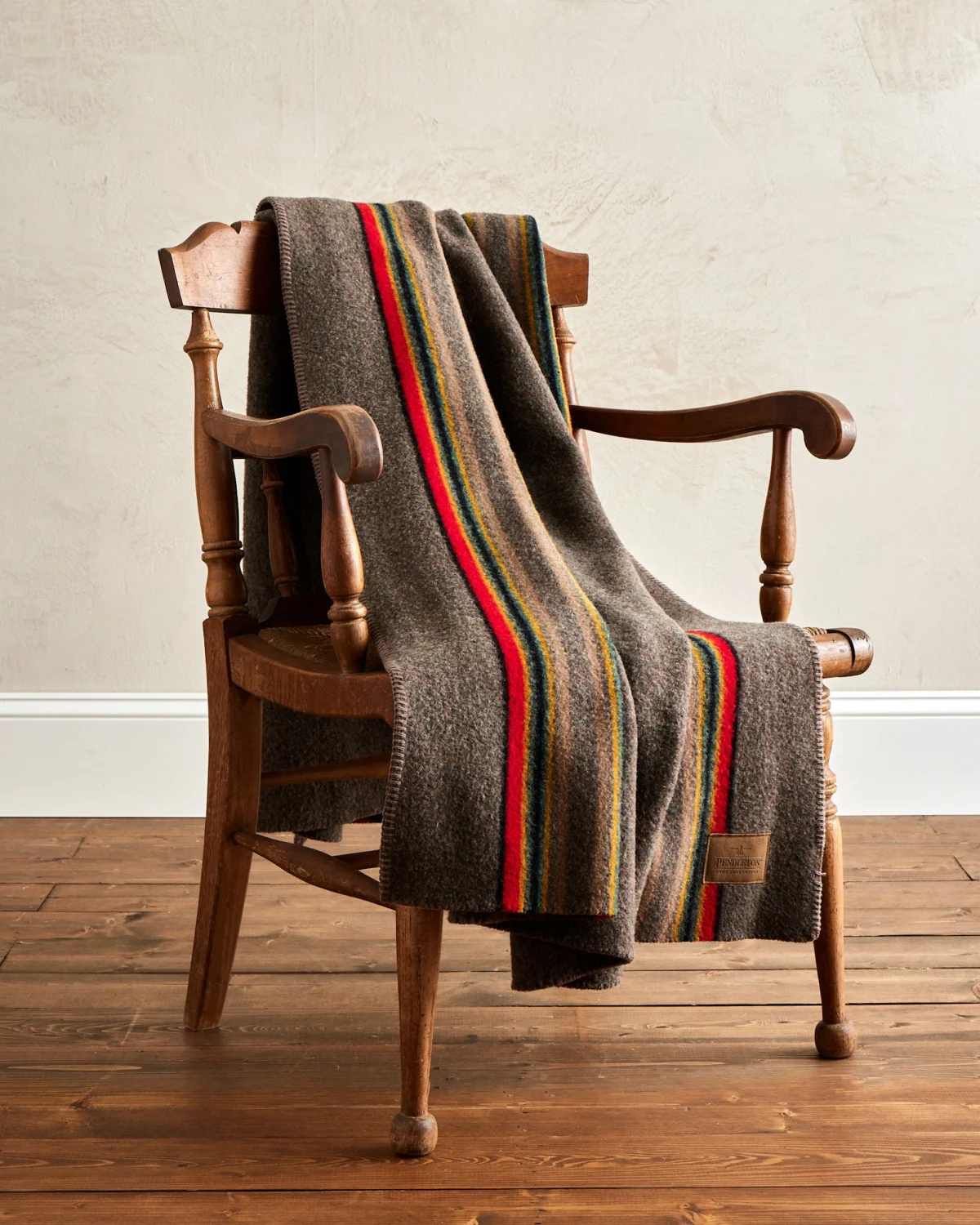
1. Pendleton
Legacy and Craftsmanship: Pendleton Woolen Mills, with a heritage dating back to 1909, stands as a testament to enduring American craftsmanship. Operating two of the last remaining woolen mills in the U.S., Pendleton oversees the entire production process—from scouring raw wool to dyeing, spinning, weaving, and hand-finishing its exquisite wool and cotton blankets. This vertical integration allows for meticulous quality control and adherence to high environmental standards, evidenced by their Oeko-Tex certification for blankets.
Artisan Collaboration: A hallmark of Pendleton is its deep respect for tradition and culture. The brand cultivates long-standing relationships with local wool farmers, ensuring sustainable sourcing practices. Furthermore, it collaborates with indigenous artists, whose iconic patterns are intricately woven on looms, preserving cultural heritage and providing fair compensation for artistic contributions. This commitment to provenance and artisan partnership makes Pendleton a unique player in the sustainable textile market.
Price Range: $60-$529
Availability: The U.S.
2. Minna
Artisan-Led Design and B Corp Certification: Minna, a certified B Corp and queer-led business based in Upstate New York, embodies a philosophy of ethical design and production. Their blankets are celebrated for their beautiful abstract patterns and minimalist aesthetics, reflecting a contemporary approach to traditional craftsmanship. Each piece is handmade in small batches using high-quality, sustainably sourced materials such as alpaca, Oeko-Tex-certified cotton, and merino wool.
Transparent Sourcing: Minna is dedicated to building meaningful relationships with its artisan partners across Central and South America. This commitment to transparency is showcased by their practice of listing the specific artisan who made each blanket on every product page, fostering a direct connection between creator and consumer. This model ensures fair wages, safe working conditions, and the preservation of traditional textile skills.
Price Range: $165-$398
Availability: Most countries.
3. April Notes
Earth-Friendly Linens and On-Demand Production: April Notes specializes in soft, earth-friendly home linens, including a collection of blankets crafted from linen, cotton, and merino wool. The brand prioritizes health and environmental safety, ensuring all products are certified free of harmful chemicals and synthetic dyes. Their materials are naturally breathable and hypoallergenic, catering to sensitive skin and promoting a healthy home environment.
Minimizing Waste: A key tenet of April Notes’ sustainability strategy is its commitment to on-demand production. This approach significantly minimizes textile waste and overproduction, a common issue in the conventional textile industry. By crafting items only as they are ordered, the brand reduces its environmental footprint and ensures resource efficiency.
Ethical Manufacturing: The brand works in close collaboration with a boutique atelier in Lithuania, fostering strong relationships that guarantee fair wages and safe working conditions for artisans, upholding a high standard of craftsmanship and ethical labor.
Price Range: $149-$180
Availability: The U.S., Canada, the U.K., Australia, New Zealand, Mexico, Norway, Switzerland, Gibraltar, and all European Union countries.
4. Avocado
Eco-Luxury Bedding and Certified B Corp Status: Avocado Green Mattress, a Los Angeles-based certified B Corp, is renowned for its comprehensive range of eco-luxury bedroom stylings. Their throw blankets are meticulously crafted from Oeko-Tex-certified organic cotton, alpaca wool, cashmere, merino wool, and recycled cotton. The brand emphasizes natural processes; for example, the colors of their alpaca wool throws are naturally occurring, eliminating the need for dyes. Other blankets are produced using azo-free dyes, ensuring safety and environmental responsibility.
Audited Supply Chain: Avocado maintains a rigorously audited supply chain, particularly for its wool sourced from Northern India, to ensure ethical practices and environmental compliance. This commitment to transparency and accountability underpins their reputation as a leader in sustainable home goods.
Price Range: $39-$349
Availability: The U.S.
5. Coyuchi
Minimal Environmental Impact and Comprehensive Guidance: Coyuchi is a pioneer in creating high-quality home goods with a minimal environmental footprint. Their blankets are made from organic cotton and wool, ethically sourced from India, and woven in Fair Trade-certified factories located in Turkey, Portugal, and Germany. This global approach to sourcing and manufacturing ensures both quality and ethical labor standards are met.
Consumer Empowerment: Understanding the nuances of sustainable textiles can be challenging, which is why Coyuchi provides a comprehensive "blanket guide" to assist consumers in finding the perfect product that aligns with their values and needs. This educational resource underscores their commitment to empowering informed purchasing decisions.
Price Range: $58-$478
Availability: The U.S.
6. Savvy Rest
Organic and Dye-Free Simplicity: Savvy Rest, another certified B Corp in the bedding industry, offers a collection of organic cotton dye-free blankets. These blankets are available in a wide range of sizes, from throws to king-size, catering to diverse needs. The brand takes pride in its local production, with cotton grown and woven into blankets entirely within the United States.
Local Sourcing and Production: By localizing their supply chain and manufacturing processes, Savvy Rest minimizes transportation emissions and supports domestic agriculture and textile industries. The dye-free approach further reduces chemical exposure, ensuring a pure and natural product for consumers.
Price Range: $89-$198
Availability: The United States.
7. Under the Canopy
Intentional Design and Global Sourcing: Under the Canopy crafts blankets with intentional designs built for longevity. Their products are manufactured in India, Pakistan, Turkey, and China, utilizing Oeko-Tex-certified low-impact dyes. The brand sources merino wool from Argentina and organic cotton from Turkey, carefully selecting materials for their environmental credentials and performance.
Sustainable Focus: This global sourcing strategy allows Under the Canopy to leverage specialized expertise and resources while adhering to strict sustainability standards through certifications and careful material selection. Their emphasis on durability and low-impact dyes reflects a holistic approach to sustainable textile production.
Price Range: $178-$212
Availability: The U.S.
8. Boll & Branch
Fair Trade Certified Excellence: Boll & Branch is a leading Fair Trade Certified bedding company that places a strong emphasis on non-toxic processes to create safe and exceptionally soft blankets. Their throws are meticulously made by skilled artisans in India, Turkey, and Pakistan, utilizing traceable Oeko-Tex-certified organic cotton and alpaca.
Commitment to Transparency: The brand’s commitment to transparency in its organic cotton sourcing is exemplary, ensuring that consumers can trace the origins of the materials and be confident in their ethical and environmental claims. This dedication to non-toxic and Fair Trade production sets a high standard in the home textile market.
Price Range: $149-$699
Availability: The U.S. and Canada.
9. Bearaby
Innovative Weighted Blankets and Sustainable Materials: Bearaby specializes in weighted blankets designed to promote better sleep and reduce anxiety, but also offers comfortable and lightweight throws. The brand innovates with materials, using Tencel from Austria, organic cotton from India, and Oeko-Tex-certified recycled polyester. This diverse material palette allows them to create blankets in multiple weights and sizes, catering to various needs while maintaining a focus on sustainability.
Thoughtful Material Choices: The inclusion of Tencel highlights their commitment to advanced sustainable fibers, while the use of recycled polyester, certified by Oeko-Tex, demonstrates a responsible approach to utilizing synthetic materials by giving new life to existing resources.
Price Range: $149-$309
Availability: The U.S.
10. Cold Picnic
Artistic Home Goods and Local Production: Cold Picnic transforms home goods into beautiful art pieces, with a strong emphasis on domestically-sourced Oeko-Tex-certified recycled cotton for many of its blankets. Designed in Brooklyn, their blankets are produced in the U.S. in small batches by a family-owned company, supporting local industry and reducing transportation emissions. Their quilts, however, are handmade in India by skilled artisans, showcasing a blend of local and international craftsmanship.
Material Considerations: While prioritizing recycled cotton, Cold Picnic acknowledges that some blankets may contain polyester. Consumers sensitive to synthetics are advised to check the material details before purchase. This transparency allows for informed choices, recognizing that even sustainable brands may integrate different materials for specific aesthetic or functional purposes.
Price Range: $130-$560
Availability: Worldwide.
11. Parachute
Direct-to-Consumer Quality with Ethical Partnerships: Parachute is a direct-to-consumer brand known for creating quality and durable home goods with a timeless modern design aesthetic. Their blankets are crafted from Oeko-Tex-certified materials, including cotton, alpaca wool, and linen. Parachute is committed to an ethical supply chain, partnering with Fair Trade manufacturers in Portugal and Turkey.
Balancing Aesthetics and Sustainability: Like some other brands, Parachute occasionally incorporates a small percentage of polyester in some blankets, primarily for durability or specific textural qualities. Consumers prioritizing natural fibers are encouraged to review material details. This approach reflects the ongoing challenge and balance brands navigate between material properties, design, and environmental impact.
Price Range: $99–$289
Availability: The U.S. and Canada.
12. The Citizenry
Globally Inspired, Fair Trade Certified: The Citizenry is a Fair Trade Certified brand that offers warm and lightweight blankets, quilts, and throws. Their products are made from ethically sourced Oeko-Tex-certified materials such as alpaca wool, mohair, linen, and cotton. The brand’s commitment to transparency is evident in its detailed listing of international partners and the specific location where each blanket was handwoven or loomed on its product page.
Artisan Empowerment: This direct connection to global artisans not only ensures fair wages and conditions but also helps preserve traditional textile techniques and supports local economies. The Citizenry’s dedication to global partnerships makes it a standout for those seeking culturally rich and ethically produced home goods.
Material Transparency: While predominantly natural, some of The Citizenry’s blankets may contain a small amount of polyester. As with other brands, checking the material composition is recommended for consumers sensitive to synthetics or those preferring 100% natural fibers.
Price Range: $189-$299
Availability: The U.S. and Canada.
13. Made Trade
Curated Marketplace for Ethical Goods: Made Trade operates as an online marketplace that rigorously vets every product for genuine sustainability and transparency. It empowers consumers to shop by their specific values, offering filters for categories like USA Made, handcrafted, or Fair Trade. Shoppers can also refine their search by preferred materials, including cotton, recycled polyester, hemp, linen, and merino and alpaca wool.
Empowering Conscious Choices: Made Trade’s comprehensive filtering system is invaluable for consumers navigating the complexities of ethical purchasing. By providing detailed information and selection options, the marketplace ensures that buyers can align their purchases with their personal sustainability and ethical criteria.
Navigating Synthetics: Given the wide range of products from various brands, Made Trade advises using its filter settings to specifically avoid synthetics if that is a primary concern, offering maximum control to the consumer.
Price Range: $40-$719
Availability: The U.S., Australia, Canada, the U.K., most European and Asian countries.
The Broader Impact and Future Outlook
The rise of ethical and sustainable blanket brands signifies a broader shift in consumer values and industry practices. This movement is not merely about individual purchases; it represents a collective push towards a more responsible global economy. By choosing products from brands committed to non-toxic materials, fair labor, and environmental protection, consumers directly contribute to:
- Reduced Environmental Degradation: Less pollution from pesticides, dyes, and microplastics; conserved water and energy resources.
- Improved Human Health: Fewer hazardous chemicals in homes and ecosystems, leading to better health outcomes for both producers and consumers.
- Enhanced Social Equity: Fair wages, safe working conditions, and empowerment for artisans and workers in the global supply chain.
- Economic Resilience: Support for local economies and traditional craftsmanship, fostering sustainable livelihoods.
Looking ahead, the demand for transparency and accountability in the textile industry is expected to grow. Innovations in sustainable materials, advancements in recycling technologies, and increasingly stringent certifications will continue to shape the market. As consumers become more informed and empowered, the ethical embrace of sustainable home textiles will likely move from a niche concern to a mainstream expectation, driving positive change across the industry. The simple act of choosing a blanket thus becomes a powerful statement of commitment to a healthier planet and a more equitable world.



 Chandra Hamzah
 Tatiana Tantri Indah Sari
 Budi Mulyono
 Anjar Salim

