
 Budi Mulyono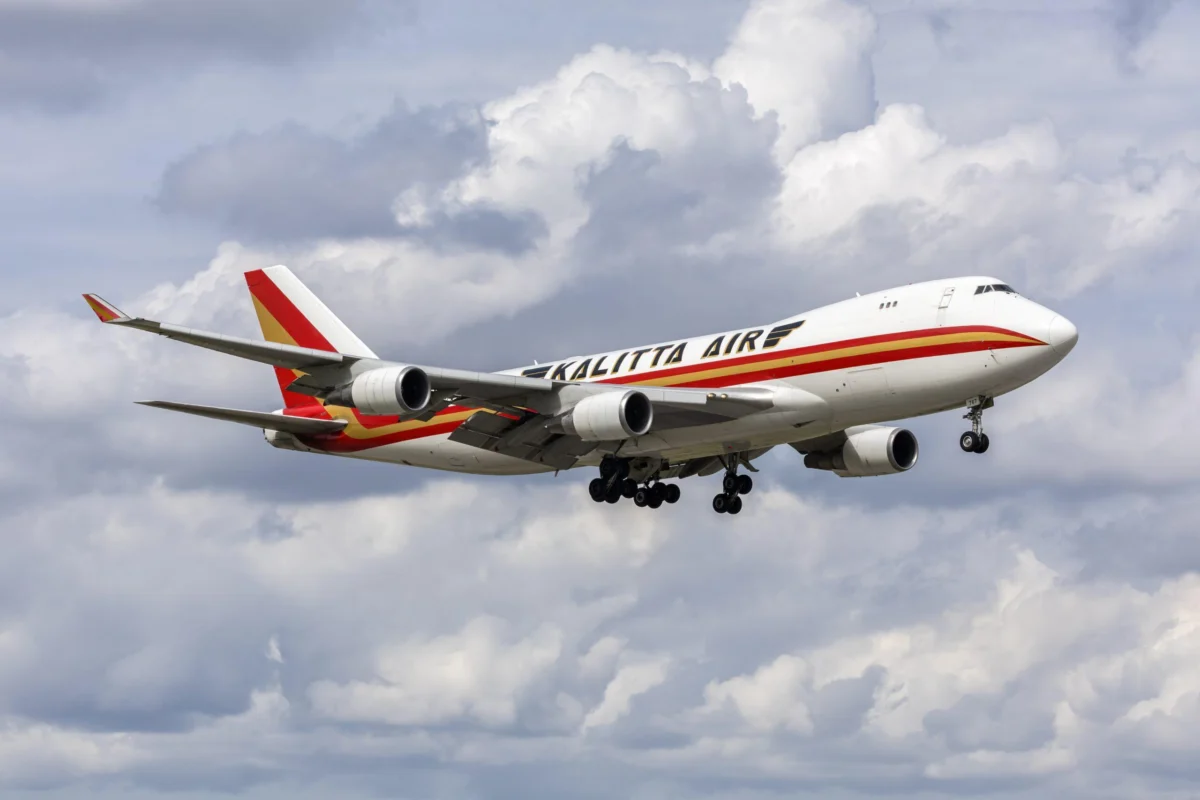
The United States Department of Health and Human Services (HHS) confirmed late Sunday that at least one American citizen among the 17 passengers repatriated from the MV Hondius cruise ship has tested positive for the Andes strain of Hantavirus. The confirmation came via a Polymerase Chain Reaction (PCR) test conducted as the group was being airlifted from Tenerife, Canary Islands, to a specialized medical facility in Omaha, Nebraska. This development has intensified the focus of global health authorities on an outbreak that carries a documented fatality rate of between 30% and 50%, marking a significant escalation in the public health response to the ill-fated voyage.
The infected individual is one of 17 U.S. citizens who were aboard the MV Hondius, a vessel that has recently become the center of an international health crisis. According to official reports, a second passenger is currently exhibiting symptoms consistent with Hantavirus Pulmonary Syndrome (HPS), though their diagnostic results remain pending. Both individuals were isolated in specialized biocontainment units aboard a chartered Boeing 747-400 freighter as the flight crossed the Atlantic. The remaining 15 passengers, while currently asymptomatic or testing negative, are being treated as high-risk contacts due to the unique nature of the Andes virus strain.
The Repatriation Mission and Aviation Logistics
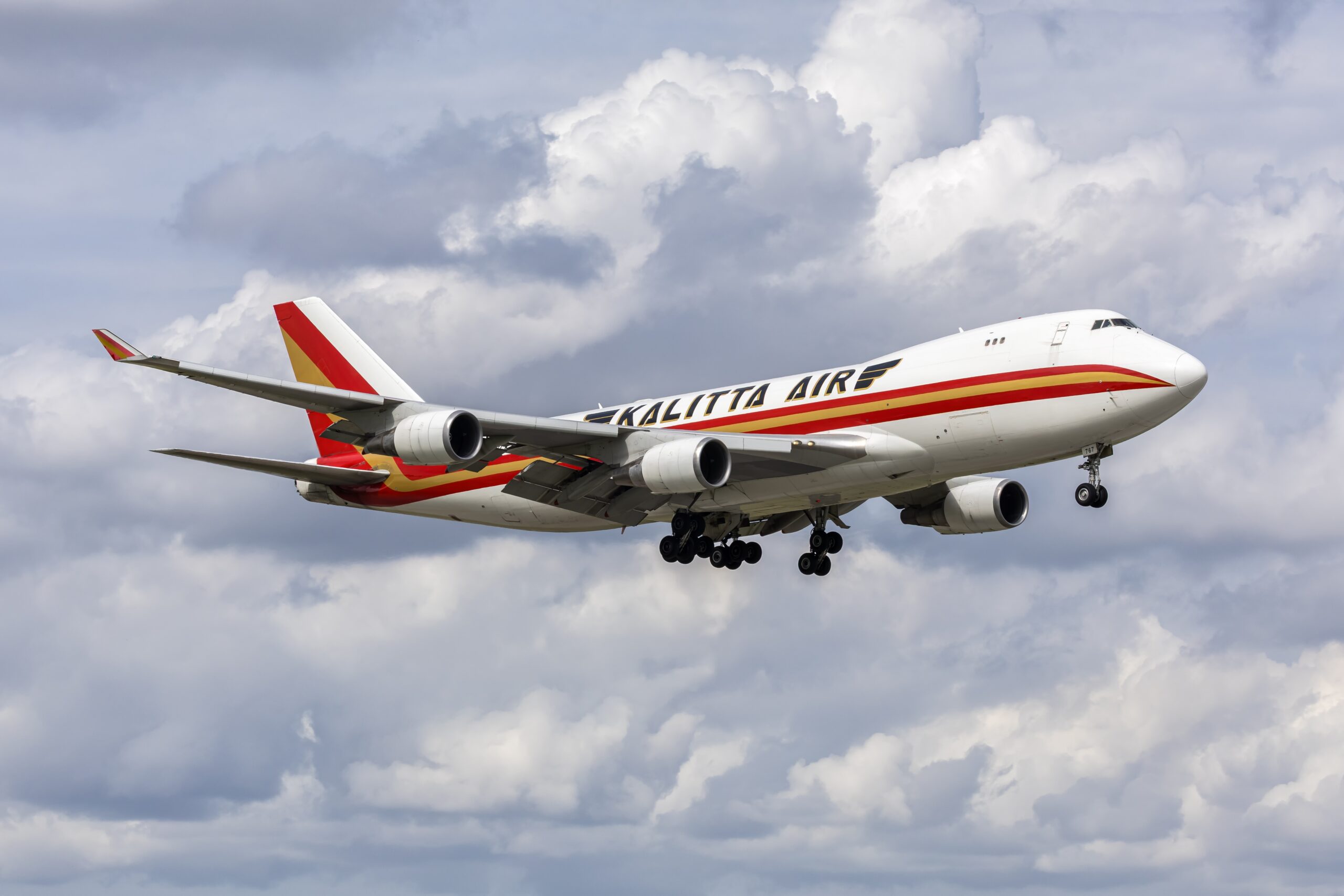
The repatriation mission was executed using a 20-year-old Boeing 747-400F cargo aircraft owned and operated by Kalitta Air, a Michigan-based carrier frequently contracted by the U.S. government for high-stakes humanitarian and logistical operations. The aircraft arrived at Tenerife-South Airport (TFS) on May 10, timed to coincide with the arrival of the MV Hondius, which had moored in the Canary Islands specifically for this international repatriation effort.
Unlike standard passenger repatriations, this mission required the use of a freighter to accommodate Containerized Bio-Containment Systems (CBCS). These units are self-contained, pressurized environments designed to transport patients with highly infectious diseases while protecting the flight crew and the integrity of the aircraft. The HHS confirmed that the two passengers—one with a confirmed PCR positive result and one with mild symptoms—were placed in these units "out of an abundance of caution" to prevent any potential in-flight transmission.
The flight path from Tenerife to Omaha Eppley Airfield (OMA) represents a critical link in a multi-agency operation involving the Department of State, the CDC, and HHS. The choice of a cargo jet allowed for the necessary floor space and ventilation requirements that a standard commercial cabin could not provide under such stringent biocontainment protocols.
Understanding the Andes Virus Strain
The revelation that the passenger tested positive for the Andes strain (ANDV) is particularly concerning to epidemiologists. While Hantaviruses are generally found worldwide, the Andes strain, native to South America, is unique among its peers. Most Hantaviruses are transmitted to humans through contact with the droppings, urine, or saliva of infected rodents, with no evidence of human-to-human spread. However, the Andes virus is the only known Hantavirus capable of person-to-person transmission.
The Andes virus first gained international notoriety during a 1996 outbreak in Argentina, where researchers documented that the virus could spread through close physical contact or respiratory droplets between humans. This characteristic, combined with a high mortality rate, makes it a "high-consequence pathogen." Patients typically experience a prodromal phase of fever, muscle aches, and fatigue, which can rapidly progress to severe respiratory failure as the lungs fill with fluid—a condition known as Hantavirus Pulmonary Syndrome.
The fatality rate, which HHS noted sits between 30% and 50%, places the Andes virus in a similar risk category to certain strains of Ebola or Avian Influenza. The severity of the illness necessitates the highest level of clinical intervention, which is why the U.S. government opted for a direct transfer to one of the nation’s premier biocontainment facilities.
Timeline of the MV Hondius Crisis
The MV Hondius is an ice-strengthened expedition ship primarily used for polar cruises. While the exact location where the initial exposure occurred remains under investigation, the vessel had recently been operating in regions where the Andes virus is endemic, specifically the mountainous and forested areas of southern Chile and Argentina.
- Early May: Reports begin to emerge of a respiratory illness among passengers and crew aboard the MV Hondius. Initial concerns regarding COVID-19 or standard influenza are quickly superseded by the severity of the symptoms in several patients.
- May 8-9: International health agencies are notified of a potential Hantavirus outbreak after preliminary testing on board. The ship begins transit toward a logistical hub for repatriation.
- May 10: The MV Hondius moors in Tenerife, Canary Islands. The Kalitta Air Boeing 747 arrives shortly thereafter to begin the boarding process for the American contingent.
- May 12 (Late Night): HHS releases a statement confirming the first PCR-positive case for the Andes strain as the aircraft is in transit over the Atlantic.
- May 13 (Scheduled): The aircraft is expected to touch down in Omaha, Nebraska, at approximately 3:30 am local time.
Clinical Management at the University of Nebraska Medical Center
Upon arrival in Omaha, the 17 passengers are slated for immediate transfer to the University of Nebraska Medical Center (UNMC). Specifically, they will be housed at the Regional Emerging Special Pathogen Treatment Center (RESPTC). The UNMC facility is globally recognized for its expertise in handling highly infectious diseases, having played a central role in treating American citizens during the 2014 Ebola outbreak and the early stages of the COVID-19 pandemic in 2020.
The clinical protocol upon arrival will bifurcate the group:
- Symptomatic and Confirmed Cases: The passenger who tested PCR positive and the passenger displaying symptoms will be moved to the highest-level isolation unit. Here, they will receive supportive care, which may include mechanical ventilation or extracorporeal membrane oxygenation (ECMO) if their respiratory status deteriorates.
- Asymptomatic Contacts: The remaining 15 passengers will be monitored in a separate wing of the facility. While some may eventually be cleared for home self-isolation, they will first undergo a rigorous clinical assessment and likely a period of observation, given that the incubation period for Hantavirus can range from one to eight weeks.
Official Responses and Public Health Coordination
In their Sunday night statement, the HHS emphasized that the risk to the general American public remains extremely low. The use of a chartered freighter and specialized biocontainment units ensures that the virus is contained within a controlled environment from the moment the passengers left the MV Hondius until they reached the isolation wards in Omaha.
"Our priority is the health and safety of these American citizens and the prevention of any further transmission of this virus," the HHS statement read. "By utilizing the specialized capabilities of the Nebraska Medical Center, we are ensuring that these individuals receive the best possible care while maintaining the highest standards of public health security."
The CDC is also working in tandem with international partners to trace the source of the infection on the MV Hondius. This includes testing the ship’s food supply, water systems, and investigating any shore excursions that may have brought passengers into contact with rodent habitats in endemic regions.
Broader Impact and Implications for Global Travel
This incident raises significant questions regarding health protocols on expedition-style cruises, which often visit remote and ecologically sensitive areas. Unlike large-scale Caribbean cruises, expedition vessels like the MV Hondius take travelers into the heart of wilderness areas where zoonotic diseases (diseases that jump from animals to humans) are a constant, albeit rare, risk.
The maritime industry may face renewed pressure to implement more stringent screening and environmental controls for ships operating in South American waters. Furthermore, the successful (though high-cost) execution of this "biocontainment airlift" underscores the logistical complexity required to manage high-consequence pathogens in a globalized world.
As the 17 Americans begin their journey through the specialized care systems in Nebraska, the global medical community will be watching closely. The outcome of these cases will provide vital data on the Andes strain’s behavior and the effectiveness of modern biocontainment strategies in preventing a localized outbreak from becoming a broader public health emergency. For now, the focus remains on the arrival in Omaha and the stabilization of those already showing signs of this deadly respiratory illness.




 Anjar Salim
 Chandra Hamzah
 Tatiana Tantri Indah Sari
 Lukman Taruna Persada Ramadan
