
 Gabriela Annisa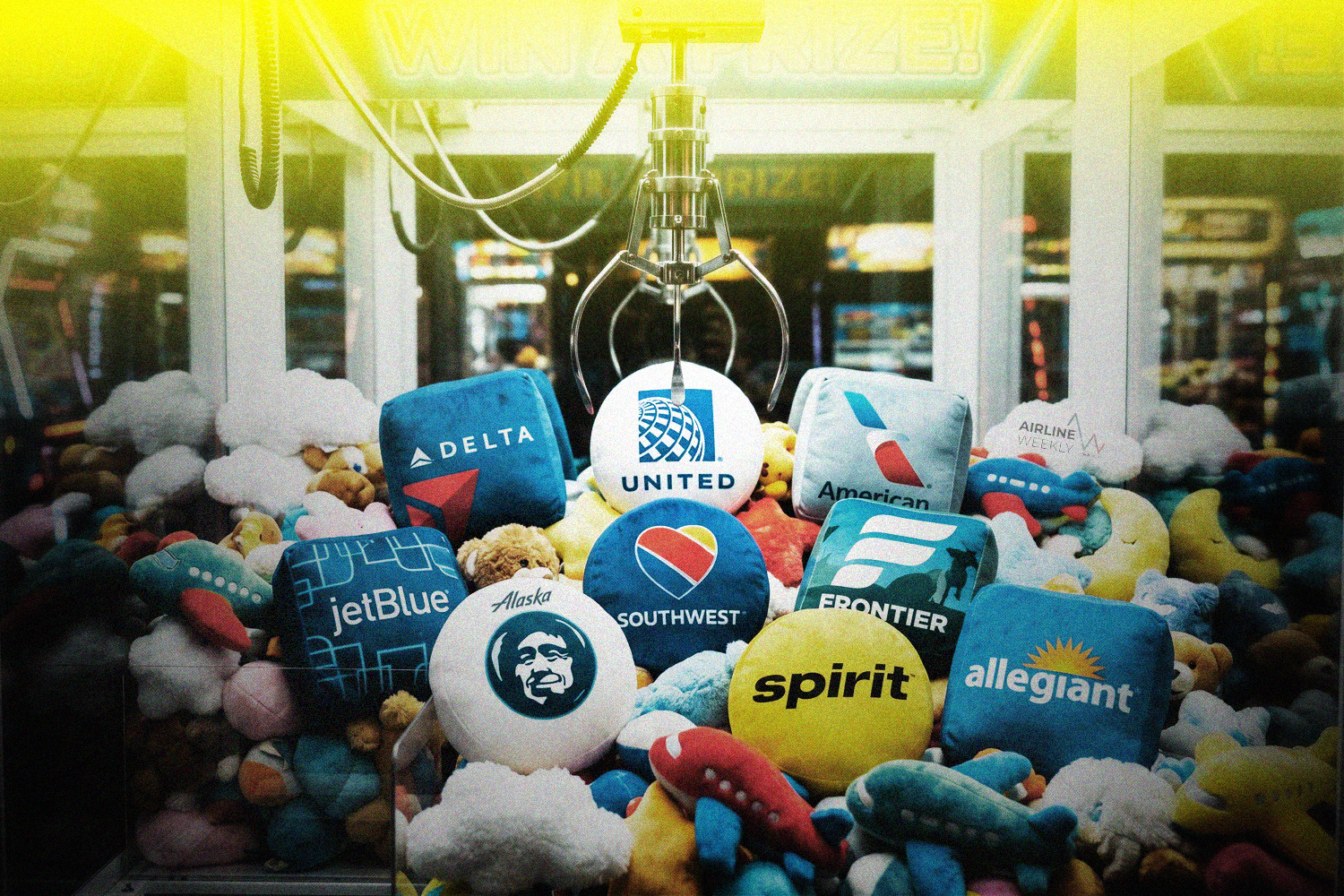
Spirit Airlines, a name synonymous with ultra-low-cost travel in the United States for decades, has ceased all operations, effective immediately. The sudden collapse of the pioneering carrier marks a seismic shift in the North American aviation sector, triggering the immediate loss of over 14,000 jobs and prompting widespread concern regarding competitive dynamics and consumer options on numerous key routes. Industry analysts point to a confluence of factors, including persistent surging fuel prices, the inability to secure crucial bailout funding or private investment, and a business model increasingly challenged by evolving market conditions and passenger expectations, as the primary drivers behind Spirit’s demise. This week’s issue delves into the immediate fallout, the broader implications for the U.S. airline industry, and the pressing question of which carriers, if any, are positioned to absorb the vacuum left by Spirit’s departure.
A Legacy Undone: Spirit’s Journey and the Ultra-Low-Cost Model
Founded in 1983 as Charter One, a Detroit-based charter tour operator, Spirit Airlines officially began scheduled passenger service in 1990. Over the ensuing decades, it carved out a distinctive niche by aggressively adopting the ultra-low-cost carrier (ULCC) model, a strategy pioneered by European airlines like Ryanair and easyJet. Spirit’s hallmark "Bare Fare" approach unbundled nearly every aspect of the flight experience, offering exceptionally low base fares while charging separately for services traditionally included by legacy carriers, such as checked baggage, carry-on bags, seat selection, and even bottled water. This model attracted a significant segment of budget-conscious travelers, allowing Spirit to grow its network across the U.S., Latin America, and the Caribbean.
By the mid-2010s, Spirit had established itself as a major player, operating a modern fleet primarily composed of Airbus A320 family aircraft. Its distinct yellow livery became a common sight at airports, and its expansion often brought competitive pressure, forcing larger airlines to offer more budget-friendly options on overlapping routes. At its peak, Spirit served over 80 destinations with a fleet exceeding 180 aircraft, carrying tens of millions of passengers annually. The airline prided itself on operational efficiency and high aircraft utilization, characteristics essential to the ULCC model’s profitability. However, this model also brought challenges, particularly in customer perception, with Spirit frequently ranking lower in satisfaction surveys due to its fee-heavy structure and sometimes austere service. Despite these criticisms, its rapid growth underscored the demand for affordable air travel, validating the ULCC strategy in the U.S. market.
The Chronology of Decline: From Pandemic Resilience to Terminal Struggle
While Spirit’s collapse appears sudden, the seeds of its undoing were sown over several years, exacerbated by external shocks and internal vulnerabilities.
- Pre-Pandemic Headwinds (2018-2019): Even before the global health crisis, Spirit faced increasing competitive pressure. Other ULCCs like Frontier Airlines were expanding, and legacy carriers, through their basic economy fares, began to mimic some aspects of the unbundled model, albeit with less stringency. Spirit’s older aircraft, while efficient, required continuous maintenance investments, and increasing labor costs began to erode its cost advantage.
- The COVID-19 Pandemic (2020-2021): The initial travel shutdown devastated the entire aviation industry. Spirit, like its peers, received significant federal aid through the CARES Act, which helped cover payroll and maintain operations during the unprecedented downturn. This government support, however, was temporary. While domestic leisure travel rebounded strongly in late 2020 and 2021, providing a lifeline, the pandemic introduced new operational complexities, including crew shortages, increased sanitization costs, and fluctuating demand patterns.
- Post-Pandemic Challenges (2022-2024): The period following the initial pandemic recovery proved particularly arduous for Spirit.
- Soaring Fuel Prices: Global geopolitical events and increased demand led to a dramatic spike in jet fuel prices, which represent one of the largest operating expenses for any airline. For a ULCC like Spirit, whose profit margins were inherently thin, these elevated costs were devastating. Unlike some larger carriers with more diversified revenue streams or robust hedging strategies, Spirit found it increasingly difficult to absorb these shocks while maintaining its competitive low fares.
- Inflationary Pressures: Beyond fuel, general inflation drove up costs for parts, maintenance, airport fees, and ground services. Labor costs also rose significantly as airlines competed for pilots, flight attendants, and mechanics, driven by industry-wide shortages and strong union negotiations. Spirit’s ability to pass these costs onto its ultra-sensitive customer base was limited.
- Operational Reliability: The airline struggled with consistent operational reliability, experiencing frequent delays and cancellations, often attributed to staffing shortages and adverse weather. These issues not only damaged its reputation further but also incurred significant costs in passenger compensation and re-accommodation.
- Failed Merger Attempts (2022): In early 2022, Spirit was the subject of a highly publicized bidding war between Frontier Airlines and JetBlue Airways. A merger with Frontier, another ULCC, was initially seen as a logical consolidation that could create a formidable low-cost giant. However, JetBlue launched a competing bid, arguing that its acquisition of Spirit would create a more competitive third force against the legacy carriers. After months of intense negotiation and regulatory scrutiny, Spirit’s shareholders ultimately voted against the Frontier deal in favor of JetBlue’s higher offer. This merger, however, was ultimately blocked by a federal judge in early 2024 on antitrust grounds, citing concerns that it would lead to higher fares and reduced competition. The failure of both merger attempts left Spirit in an extremely vulnerable position, having expended significant resources and time without securing a strategic partner or financial injection.
- Failed Bailout Talks and Investment Search (Late 2024-Early 2025): Following the failed merger, Spirit reportedly engaged in desperate, last-ditch efforts to secure private investment or government assistance. Discussions with various financial institutions and even federal agencies were rumored to have taken place, exploring options such as bridge loans, equity injections, or even a targeted industry stabilization fund. However, these talks ultimately failed to yield a viable solution. The high debt load, persistent unprofitability, and uncertain market outlook made Spirit an unappealing investment for private capital, while the political will for a targeted government bailout for a single airline, especially one that had previously received substantial aid, was absent.
- Model Inflexibility: Spirit’s rigid ULCC model, while effective in specific market conditions, proved less adaptable to the volatile post-pandemic environment. Consumers, while still price-sensitive, also increasingly valued reliability, convenience, and a more seamless travel experience, often preferring bundled options or airlines that offered a clearer value proposition. Spirit’s "nickel-and-dime" reputation became a greater liability as discretionary travel budgets tightened, and competitors offered more appealing alternatives.
The Immediate Fallout: Jobs, Routes, and Market Reaction
The immediate consequence of Spirit’s cessation of operations is the profound human impact. Over 14,000 employees, ranging from pilots and flight attendants to mechanics, ground staff, and corporate personnel, are now facing unemployment. This loss represents a significant blow to their families and the communities where Spirit maintained operational bases, such as Fort Lauderdale, Orlando, Detroit, and Las Vegas. Employee unions, including the Air Line Pilots Association (ALPA) and the Association of Flight Attendants-CWA (AFA-CWA), have expressed profound regret and pledged to assist their members in navigating the transition, including exploring options for retraining and placement with other carriers facing staffing shortages.
Financially, the collapse leaves a trail of unfulfilled tickets and outstanding liabilities. Passengers holding future Spirit bookings are advised to contact their credit card companies for refunds, as the airline’s reservation system has been shut down. Competing airlines, including American, Delta, United, Southwest, Frontier, and Allegiant, have announced limited "rescue fares" or waivers for Spirit passengers stranded or holding upcoming tickets, though these are typically offered on a case-by-case basis and may not cover all affected travelers.
The news sent immediate ripples through the stock market, particularly affecting shares of other low-cost carriers and airport operators. While some analysts initially predicted a boost for competitors by removing a significant source of low-fare pressure, concerns also arose regarding the stability of the broader ULCC segment and potential ripple effects on airport revenues.
Broader Impact and Implications for U.S. Aviation
Spirit’s disappearance will undeniably reshape the competitive landscape of U.S. domestic and international short-haul aviation.
- Competitive Rebalancing: Spirit’s primary competitors, especially Frontier Airlines and Allegiant Air, are likely to be the immediate beneficiaries. These ULCCs operate similar models and will likely move to absorb some of Spirit’s former market share, particularly on leisure-oriented routes. Legacy carriers (American, Delta, United) and hybrid carriers (Southwest, Alaska) will also likely expand their offerings on previously contested routes, potentially increasing their market power. This could lead to a short-term increase in airfares on routes where Spirit was a dominant low-cost option, although long-term market forces and potential expansion by remaining carriers may mitigate this.
- Airport Slot Allocation: Spirit held valuable gate slots and operating authorities at numerous constrained airports, including major hubs like Fort Lauderdale (FLL), Orlando (MCO), and Las Vegas (LAS). The redistribution of these assets will be a critical process, potentially allowing other airlines to expand their presence or even attracting new entrants, though the latter is less likely in the immediate term given the high barriers to entry.
- Consumer Choice and Fare Structures: The loss of Spirit removes a significant ultra-low-cost option for millions of travelers. While its "Bare Fare" model was often criticized, it undeniably pushed down prices across the board. Without this aggressive competitor, there is a risk that average fares on certain routes could creep upwards, particularly for the most budget-conscious segments of the population. The broader trend toward unbundling, however, is likely to continue as other airlines have adopted similar strategies to varying degrees.
- The Future of the ULCC Model: Spirit’s collapse raises critical questions about the long-term viability of the pure ULCC model in the U.S. market, particularly given escalating operating costs and changing consumer expectations. While Frontier and Allegiant continue to operate successfully, they may need to adapt their strategies, potentially offering more flexible bundles or enhancing customer service to retain their market share and attract a broader range of travelers. The regulatory environment, particularly regarding antitrust scrutiny of mergers, will also play a crucial role in how the market evolves.
- Regulatory Scrutiny and Market Oversight: The Department of Transportation (DOT) and other regulatory bodies will undoubtedly scrutinize the market impact of Spirit’s exit. Concerns about potential monopolistic practices or reduced competition on specific routes may lead to increased oversight of fare changes and market entry/exit dynamics. The failure of the JetBlue-Spirit merger, intended to create a stronger challenger, now ironically precedes the collapse of one of the parties, underscoring the complexities and unintended consequences of antitrust interventions.
Who Fills the Gap?
The immediate void left by Spirit is substantial. In the short term, existing carriers will likely absorb the bulk of the demand. Frontier Airlines, with its similar business model and overlapping route network, is strategically positioned to capture a significant portion of Spirit’s former leisure travelers. Allegiant Air, focused on smaller markets and point-to-point routes, may also see an uptick. Legacy carriers will likely expand capacity on high-demand routes, potentially utilizing their basic economy offerings to attract some of Spirit’s former customers.
However, completely filling the "ultra-low-cost" gap will be challenging. Replicating Spirit’s extensive network and operating model would require substantial investment and time. While new airline startups periodically emerge, the capital intensity, regulatory hurdles, and current economic headwinds make the rapid emergence of a new, large-scale ULCC unlikely. The market will likely settle into a new equilibrium where existing players expand, potentially leading to a slight increase in average fares but also possibly to more reliable service as fewer airlines compete on razor-thin margins.
The ultimate legacy of Spirit Airlines may be a bittersweet one. It undeniably democratized air travel for millions, making flying accessible through its aggressive pricing strategy. Its demise, however, serves as a stark reminder of the unforgiving nature of the airline industry, where even established pioneers can be undone by the relentless pressures of fuel costs, competition, and an inability to adapt to a rapidly changing economic and consumer landscape. The coming months will reveal the full extent of this transformation as the U.S. aviation market adjusts to life without its most prominent ultra-low-cost ghost.



 Anjar Salim
 Chandra Hamzah
 Tatiana Tantri Indah Sari
 Budi Mulyono

