
 Gabriela Annisa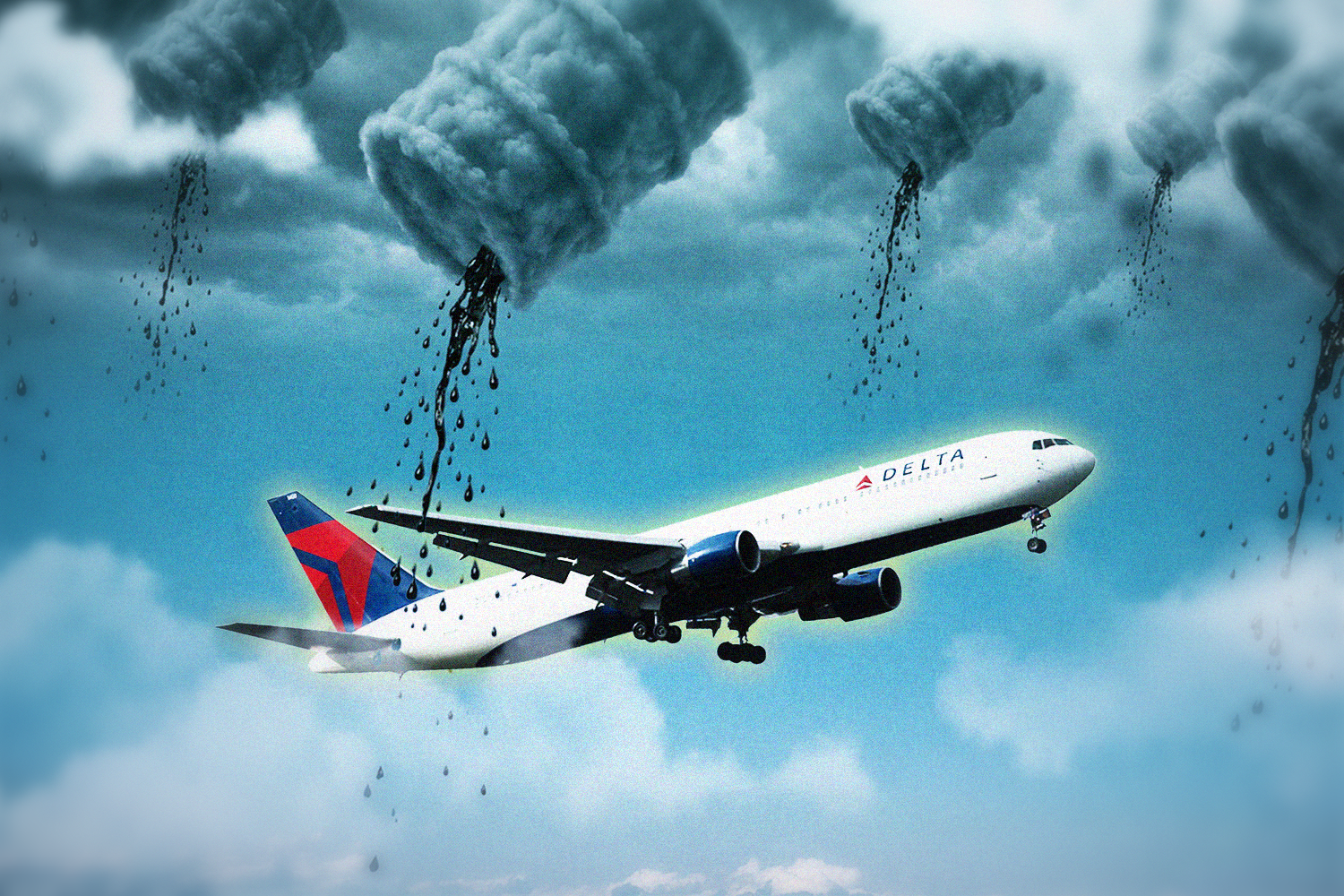
Delta Air Lines, a titan in the global aviation industry, finds itself once again navigating turbulent skies, this time grappling with a projected $2 billion hit from escalating fuel costs. This significant financial headwind marks a stark pivot from the revenue uncertainties that defined the previous year, presenting a fresh and formidable challenge to the carrier’s renowned resilience. The pressing question for investors, analysts, and passengers alike is whether Delta can once more chart a course through this latest shock, or if the current confluence of market forces presents an unprecedented test of its strategic acumen.
The Shifting Sands of Airline Economics
For airlines, fuel represents the single largest operating expense, often accounting for 20-30% of total costs, making them acutely vulnerable to price volatility in the global energy markets. Last year, the primary concern for Delta and its peers revolved around the unpredictable trajectory of post-pandemic travel demand, particularly the slow recovery of lucrative business and international routes. Airlines had to adapt swiftly, focusing on domestic leisure markets, managing capacity judiciously, and optimizing revenue streams through dynamic pricing and ancillary services. Delta, with its strong domestic network and premium positioning, navigated this period with notable agility, often outperforming competitors in terms of load factors and yield management.
However, the economic landscape has since shifted dramatically. As global economies began to reopen more robustly and travel demand surged, so too did the price of crude oil and, consequently, jet fuel. The initial optimism surrounding a return to pre-pandemic profitability is now tempered by the specter of soaring operational costs, threatening to erode hard-won margins and potentially dampen the pace of recovery. The $2 billion projected impact underscores the severity of this shift, representing a substantial portion of potential annual profits and placing immense pressure on the airline’s financial targets.
Understanding the Fuel Price Conundrum
The current surge in jet fuel prices is not a singular event but rather the culmination of several complex global factors. Geopolitical tensions, particularly those impacting major oil-producing regions, have played a significant role, disrupting supply chains and injecting uncertainty into futures markets. Decisions by OPEC+ (Organization of the Petroleum Exporting Countries and its allies) regarding production quotas also exert considerable influence, as do broader macroeconomic trends like global economic growth, which drives demand for energy. Furthermore, refinery capacity, still recovering from pandemic-era shutdowns and underinvestment, has struggled to keep pace with the rebound in demand, contributing to higher crack spreads—the difference between the price of crude oil and refined products like jet fuel.
Historically, airlines have employed various strategies to mitigate fuel price volatility. Fuel hedging, where carriers buy future fuel at a predetermined price, is a common tactic. While effective in providing cost certainty, hedging can also backfire if prices fall significantly, leading to missed savings. Delta has historically maintained a more conservative hedging strategy compared to some of its rivals, often opting for less extensive coverage or relying on its unique asset: the Monroe Energy refinery. Fleet modernization, transitioning to more fuel-efficient aircraft like the Airbus A321neo, A350, and Boeing 787, is a long-term strategy to reduce consumption, but the pace of fleet renewal is often dictated by capital availability and market conditions. Operational efficiencies, such as optimizing flight paths, reducing aircraft weight, and improving ground operations, also contribute to fuel savings, albeit incrementally.
Delta’s History of Overcoming Adversity: A Chronology of Resilience
Delta’s corporate history is replete with instances of navigating severe industry shocks, cementing its reputation for strategic fortitude.
- Post-9/11 Era (Early 2000s): The devastating impact of the September 11th attacks on air travel demand plunged the industry into an unprecedented crisis. Delta, like many carriers, faced immense financial pressure, ultimately filing for Chapter 11 bankruptcy protection in 2005. Its emergence from bankruptcy in 2007 was a testament to a painful but successful restructuring, shedding legacy costs and re-evaluating its network.
- The Great Recession (2008-2009): The global financial crisis brought another sharp downturn in travel demand. Delta, having recently merged with Northwest Airlines in 2008, leveraged its expanded network and operational synergies to weather the storm, focusing on disciplined capacity management and maintaining a strong balance sheet.
- Volatile Fuel Markets (Various Periods): Delta has faced multiple cycles of high fuel prices throughout the 2000s and 2010s. It was partly in response to this perennial challenge that Delta made its boldest move in the fuel arena.
- The Monroe Energy Acquisition (2012): In a groundbreaking move, Delta acquired the Trainer oil refinery in Pennsylvania from Phillips 66 for $150 million, renaming it Monroe Energy. The rationale was clear: to gain direct control over a portion of its jet fuel supply, reduce reliance on volatile wholesale markets, and generate cost savings. The refinery, operated by a subsidiary, processes crude oil into jet fuel, diesel, and gasoline. When crack spreads are favorable (i.e., the price difference between crude and refined products is wide), Monroe can provide significant cost advantages. However, it also introduces exposure to the refining business itself, which can be cyclical and incur losses if crack spreads narrow or if crude oil procurement becomes challenging.
- The COVID-19 Pandemic (2020-2022): The most recent and arguably most severe challenge saw Delta, like the entire industry, grapple with an almost complete halt in air travel. The airline swiftly implemented aggressive cash preservation measures, retired older, less efficient aircraft, leveraged government aid (CARES Act), and focused on building confidence among travelers with initiatives like blocking middle seats and enhanced cleaning protocols. Its strong brand loyalty and strategic focus on domestic leisure routes allowed it to lead the recovery in many metrics, returning to profitability sooner than some of its competitors.
This track record demonstrates Delta’s capacity for strategic adaptation, whether through operational restructuring, innovative asset acquisition, or agile market response. The current fuel crisis, however, tests these capabilities anew.
The Monroe Energy Factor: A Double-Edged Sword?
Delta’s ownership of Monroe Energy is a critical differentiator. The refinery was designed to process approximately 185,000 barrels of crude oil per day, converting about one-third of that into jet fuel for Delta’s operations, with the remainder sold as gasoline, diesel, and other products. In periods of high and volatile fuel prices, especially when crack spreads are wide, Monroe Energy can provide a significant competitive advantage by reducing Delta’s direct exposure to the wholesale jet fuel market and offering a degree of cost certainty. It essentially allows Delta to capture the refining margin that would otherwise go to third-party suppliers.
However, the refinery also introduces its own set of complexities and risks. Operating a refinery is a capital-intensive business, subject to its own market dynamics, maintenance costs, and regulatory compliance. If crack spreads are narrow, or if crude oil input costs are disproportionately high compared to refined product prices, Monroe Energy can become a drag on earnings, potentially operating at a loss. Furthermore, while it supplies a significant portion of Delta’s jet fuel needs, it does not cover 100% of the airline’s consumption, meaning Delta remains exposed to the open market for a substantial volume of its fuel. The effectiveness of Monroe Energy in mitigating the current $2 billion fuel hit will depend heavily on the sustained profitability of refining operations and the airline’s ability to optimize its crude procurement for the facility.
Implications and Potential Responses
The projected $2 billion fuel hit carries significant implications for Delta’s financial performance and strategic direction:
- Profitability Pressure: This cost increase will directly impact operating margins and net income, potentially forcing the airline to revise its financial outlooks.
- Fare Increases: To offset rising costs, Delta may be compelled to raise airfares. However, this is a delicate balance. While strong demand currently allows for some price elasticity, excessive increases could dampen demand, particularly in price-sensitive leisure segments. Delta, with its focus on premium service and loyal customer base, might have more room to maneuver on pricing than some ultra-low-cost carriers.
- Capacity Management: The airline might strategically adjust capacity on less profitable routes or defer expansion plans to optimize its network against higher operational costs.
- Capital Expenditure Review: Investments in new aircraft, airport infrastructure, or technology might be scrutinized more closely, prioritizing projects that offer the most immediate and significant returns or fuel efficiency gains.
- Shareholder Returns: Pressure on profitability could impact dividend policies or share buyback programs, affecting shareholder value.
Inferred Statements and Analyst Perspectives
While Delta has not issued specific statements regarding the $2 billion projection beyond the initial recognition of fuel cost uncertainty, one can infer potential responses based on past behavior and industry norms. Delta executives would likely emphasize their robust operational controls, disciplined cost management, and the strategic benefits of their integrated model, including Monroe Energy, in navigating the challenge. They would likely reiterate their commitment to long-term profitability and shareholder value, highlighting the strength of their balance sheet and their differentiated customer experience. Phrases like "prudent capacity management," "focus on premium revenue," and "operational excellence" would likely feature prominently.
Industry analysts, such as those from Skift, often provide a more detached perspective. They would likely acknowledge Delta’s strong track record but also point to the sheer magnitude of the current fuel cost increase. Comparisons would be drawn to competitors’ hedging strategies and financial health. Analysts might suggest that while Delta’s unique refinery asset provides some insulation, it’s not a complete shield, and the airline will still face pressure to pass on costs to consumers or find new efficiencies. They might also highlight the broader industry trend of higher fares becoming the new normal as airlines grapple with elevated input costs and supply chain constraints.
Broader Industry Context and the Path Forward
The challenge faced by Delta is symptomatic of a broader industry-wide issue. Airlines globally are grappling with the dual pressures of surging demand and escalating costs. This environment also intersects with the industry’s ambitious sustainability goals. While high fuel prices might incentivize faster adoption of fuel-efficient aircraft, the development and deployment of Sustainable Aviation Fuel (SAF) remain expensive and limited in supply. The cost premium for SAF adds another layer of complexity to airlines’ long-term operational expenses.
Looking ahead, Delta’s strategy will likely involve a multi-pronged approach:
- Continued Operational Excellence: Relentless pursuit of efficiencies in every aspect of operations, from flight planning to ground services, to minimize fuel burn.
- Strategic Network Optimization: Dynamic adjustment of routes and frequencies to match demand while maximizing profitability in a high-cost environment.
- Leveraging Premiumization: Doubling down on its strategy of attracting high-value customers through superior service, loyalty programs, and premium cabin offerings, which tend to be less price-sensitive.
- Monroe Energy Optimization: Maximizing the refinery’s efficiency and profitability, potentially exploring opportunities to optimize its crude oil sourcing and product mix.
- Long-term Fleet Modernization: Accelerating the acquisition of next-generation, fuel-efficient aircraft as capital allows.
Delta has consistently demonstrated an ability to adapt and innovate in the face of significant headwinds. From the existential threat of bankruptcy to the unprecedented collapse in demand during the pandemic, the airline has found a way through. However, the current environment of persistent inflationary pressures, geopolitical instability impacting energy markets, and the sheer scale of the potential $2 billion fuel hit presents a formidable test. It demands not just tactical adjustments but potentially a re-evaluation of long-term strategic assumptions. The coming months will reveal whether Delta’s proven resilience and strategic assets are sufficient to navigate this new uncertainty, or if this challenge indeed proves to be fundamentally different from those it has successfully overcome in the past. The industry, and particularly its travelers, will be watching closely to see how this crucial chapter unfolds for one of America’s leading carriers.




 Anjar Salim
 Chandra Hamzah
 Tatiana Tantri Indah Sari
 Budi Mulyono
 Lukman Taruna Persada Ramadan
