
 Lukman Taruna Persada Ramadan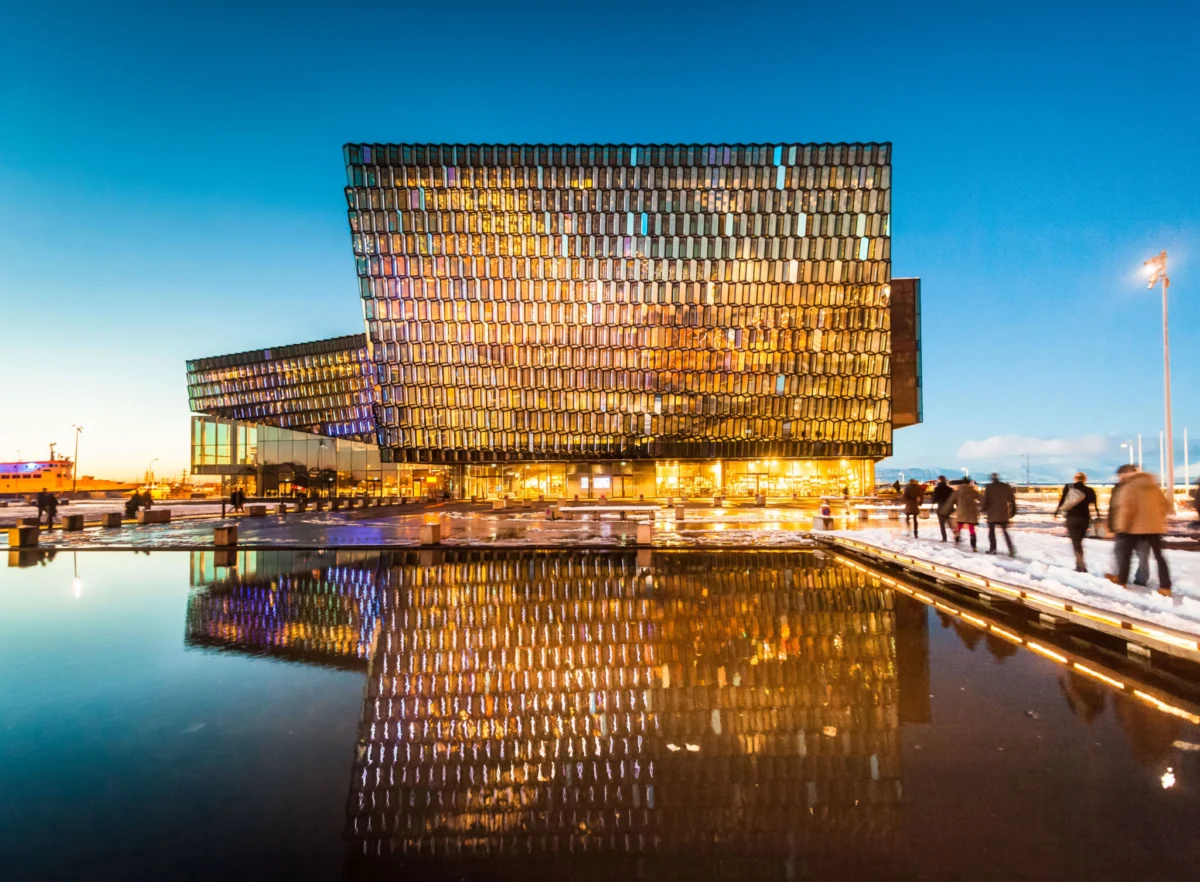
Iceland, often heralded as the "Land of Fire and Ice," presents a unique confluence of extremes – the raw power of its volcanic landscapes juxtaposed with the serene beauty of its glaciers, the extended daylight of summer contrasting with the ethereal darkness of winter nights. This dynamic environment extends beyond its natural phenomena to its appeal as a global hub, seamlessly blending the rigors of professional engagement with opportunities for profound personal discovery. For the discerning traveler, especially those navigating the demands of international business, Iceland offers an unparalleled proposition: a place where strategic meetings can unfold against a backdrop of breathtaking scenery, and where the next day’s agenda might include witnessing a volcanic eruption from the vantage point of an ancient ice cap.
Strategic Connectivity and Seamless Arrivals
Iceland’s geographical positioning acts as a natural bridge between North America and Europe, making it an increasingly attractive and logistically sound choice for international gatherings. Keflavík International Airport (KEF), the country’s primary gateway, boasts a robust network of direct flights to major cities across both continents. For instance, direct flights from New York typically range around 5.5 to 6 hours, while those from London are approximately 3 hours, significantly reducing travel fatigue for multinational teams converging from disparate locations. This strategic advantage minimizes transit times, allowing delegates to arrive refreshed and ready to engage, thereby maximizing productivity and the overall event experience.
Upon arrival at KEF, travelers benefit from efficient and varied ground transportation options to the capital city, Reykjavík, located approximately 50 kilometers away. The public city bus, Route 55, offers an economical transfer for around $17, accepting both cash and card payments onboard. This service provides a direct link to various points within Reykjavík, catering to budget-conscious travelers. For those seeking enhanced comfort and convenience, the Flybus service operates frequently, priced at approximately $30. Flybus offers a more direct journey to the central bus terminal (BSÍ), with an optional hotel drop-off service, providing a seamless transition from the airport directly to one’s accommodation. Additionally, private transfer services and taxis are readily available for those prioritizing exclusivity and speed. The journey itself offers a scenic introduction to Iceland’s unique volcanic terrain, hinting at the adventures that lie beyond the city limits. Reykjavík itself is renowned for its walkability, ensuring that once settled, attendees can easily navigate between meeting venues, hotels, and a myriad of cultural and culinary attractions, all within a compact and engaging urban core.
Reykjavík: A Hub for Innovation and Culture
At the heart of Reykjavík’s appeal for business travelers lies the iconic Harpa Conference Centre. More than just a venue, Harpa is a architectural masterpiece and a cultural landmark, its dazzling glass façade reflecting the ever-changing Icelandic sky and the shimmering waters of the Old Harbour. Designed by Henning Larsen Architects in collaboration with artist Olafur Eliasson, its crystalline structure creates a mesmerizing play of light, providing an inspiring environment for any event. Harpa boasts state-of-the-art facilities capable of hosting conferences, meetings, and exhibitions for up to 3,500 attendees across its various halls and breakout rooms. Its central location, immediately adjacent to the city center, ensures easy access to an expanding array of hotels, restaurants, and cultural sites.

Beyond the formal agenda, Reykjavík invites delegates to immerse themselves in its vibrant urban fabric. A short stroll from Harpa can lead to Laugavegur, the city’s main shopping street, brimming with boutique stores offering Icelandic design, woolens, and souvenirs, alongside charming cafes and eateries. For a taste of local history and culinary tradition, a visit to Bæjarins Beztu Pylsur, a legendary hot dog stand operating since 1937, is a must-do. This unassuming stand has served everyone from locals to celebrities, offering a simple yet profoundly Icelandic gastronomic experience.
Reykjavík also offers a rich tapestry of museums and cultural institutions. Perlan, the Wonders of Iceland exhibition, provides an interactive journey through Iceland’s natural marvels, featuring a realistic ice cave, a Northern Lights planetarium show, and panoramic views of the city from its observation deck. The National Museum of Iceland offers a deep dive into the nation’s history, from its Viking settlement to the present day, showcasing artifacts that tell the story of Icelandic heritage and resilience. For those seeking to explore the city at their own pace, self-guided walking tours are an excellent option. Platforms like GPSmyCity offer detailed itineraries such as the "Reykjavík Introduction Walking Tour" and the "Reykjavík Historical Buildings Tour," which lead visitors past significant landmarks like Hallgrímskirkja church, the Parliament House (Alþingishúsið), and the Old Harbour, providing context and insight into the city’s past and present.
Transitioning from Work to Wilderness: The Call of the Open Road
Once the business objectives have been met, Iceland truly unfolds as a land of adventure, with the open road beckoning. Renting a car offers the ultimate freedom to explore, and while airport car rentals are available, picking up a vehicle in Reykjavík is often more convenient. This avoids the initial hassle of navigating city parking with a rental car, and aligns perfectly with the common itinerary of concluding city-based meetings before embarking on a journey into the wild. Numerous car rental agencies, such as Reykjavík Cars, provide affordable options, with daily rates starting around $20. It is advisable to choose a vehicle suitable for Icelandic conditions, particularly a 4×4 if planning to venture onto F-roads (mountain roads) or travel during winter months. Comprehensive insurance, including gravel protection, is highly recommended due to the diverse road surfaces encountered outside urban areas.
Planning is crucial for any Icelandic road trip, whether a short excursion or a comprehensive tour. Travelers are strongly advised to monitor weather conditions closely via official channels like Veður.is and Road.is, as Iceland’s weather can be notoriously unpredictable and change rapidly. This foresight ensures safety and allows for flexible itinerary adjustments, which are often necessary.
The Iconic Golden Circle: A Glimpse into Iceland’s Core
For those with limited time or seeking an accessible introduction to Iceland’s natural wonders, the Golden Circle is an essential 155-mile route easily undertaken in a single day, or comfortably spread over two or three with Reykjavík as a base. This circuit showcases some of the country’s most iconic geological and historical sites, all within a relatively short driving distance of each other.

The first major stop is Thingvellir National Park (Þingvellir), a UNESCO World Heritage site of immense historical and geological significance. It is here that the Alþingi, Iceland’s ancient parliament, was established in 930 AD, making it one of the oldest parliamentary institutions in the world. Visitors can walk among the dramatic fissures and cliffs that mark the Mid-Atlantic Ridge, where the North American and Eurasian tectonic plates slowly pull apart. A truly unique experience available here is snorkeling or diving in the Silfra fissure, renowned for its crystal-clear glacial water and visibility exceeding 100 meters, offering an unparalleled opportunity to literally swim between continents.
Next, the route leads to the Geysir Geothermal Area, home to the namesake Great Geysir, which, while largely dormant today, gave its name to all geysers worldwide. The star attraction here is Strokkur Geyser, which reliably erupts every 5-10 minutes, shooting a powerful plume of superheated water up to 90 feet (30 meters) into the air. The area is a spectacle of boiling mud pots, steaming vents, and vibrant mineral deposits, a testament to Iceland’s intense geothermal activity.
Finally, the majestic Gullfoss (Golden Falls) captivates with its immense power and beauty. This two-tiered waterfall plunges into a deep canyon, creating a dramatic mist that often produces rainbows on sunny days. Multiple viewing platforms allow visitors to appreciate the falls from various angles, feeling the spray and hearing the thunderous roar of the glacial river Hvítá. The sheer volume of water cascading over the falls is a humbling reminder of nature’s grandeur. The Golden Circle serves as a perfect microcosm of Iceland’s diverse landscapes, offering historical depth, geological marvels, and stunning natural beauty in a conveniently packaged route.
The Grand Icelandic Expedition: Journeying the Ring Road
For travelers with at least a week to spare, the ultimate Icelandic adventure awaits along the 820-mile (1,332 km) Ring Road (Route 1), which circumnavigates the entire island. This epic journey promises an immersive experience through the country’s varied regions, each offering its own distinct charm and natural wonders. Planning for the Ring Road is paramount, especially regarding weather, which can shift dramatically and quickly. Travelers must be prepared for all conditions, regardless of the season, and always consult official road and weather reports before setting out each day. The direction of travel (clockwise or counter-clockwise) can be decided based on weather forecasts, aiming to begin in the region with the most favorable conditions.
Southern Wonders: The southern coast, easily accessible from Reykjavík, is a highlight of the Ring Road. Here, waterfalls like Seljalandsfoss, where visitors can walk behind the cascading water, and Skógafoss, famed for its perfect rectangular drop and frequent rainbows, offer breathtaking photo opportunities. Further east, the black sand beach of Reynisfjara mesmerizes with its basalt columns, powerful waves, and the basalt sea stacks of Reynisdrangar offshore. Caution is advised here due to dangerous sneaker waves. The south is also home to the glacial lagoon of Jökulsárlón and the adjacent Diamond Beach, where icebergs calve from Vatnajökull glacier and drift out to sea, eventually washing ashore as glistening ice sculptures on the black sand. Opportunities for glacier hiking, ice caving (seasonal), and boat tours among the icebergs abound in this region, which is dominated by the vast Vatnajökull National Park.
Eastern Fjords and Coastal Charm: Heading east, the landscape transforms into dramatic fjords carved by ancient glaciers. This region is characterized by secluded fishing villages such as Seyðisfjörður and Borgarfjörður Eystri, offering a glimpse into traditional Icelandic life. These areas are also prime spots for puffin colonies during the summer months and provide stunning coastal drives with opportunities for hiking and exploring.

Northern Mysticism: The north of Iceland boasts a different kind of allure, with its geothermal wonders and vibrant cultural centers. The Lake Mývatn region is a geological playground, featuring pseudo-craters, lava formations, geothermal hot springs, and a diverse birdlife. Nearby, Goðafoss, the "Waterfall of the Gods," impresses with its horseshoe shape and historical significance in Iceland’s conversion to Christianity. Akureyri, the "Capital of the North," offers a charming urban experience with its botanical garden, vibrant arts scene, and access to whale watching tours, particularly from the nearby town of Húsavík, renowned as Iceland’s whale-watching capital. The northern skies also offer some of the best opportunities to witness the mesmerizing Northern Lights during the darker months.
Western Peninsulas: Snæfellsnes and Beyond: As the Ring Road loops back towards Reykjavík, the western regions, particularly the Snæfellsnes Peninsula, offer a condensed version of Iceland’s diverse landscapes, often dubbed "Iceland in Miniature." Here, visitors can find the iconic Kirkjufell mountain, black and white sand beaches, bird cliffs, and the Snæfellsjökull glacier, which inspired Jules Verne’s "Journey to the Center of the Earth." Further south in Borgarfjörður, the stunning Hraunfossar (Lava Falls) and Barnafoss (Children’s Falls) are unique natural phenomena where water flows out from beneath a lava field.
The Broader Implications: Iceland’s Role in Global Business and Sustainable Tourism
Iceland’s emergence as a premier destination for both business and leisure carries significant implications. Its unique blend of accessibility, state-of-the-art conference facilities, and unparalleled natural beauty makes it an increasingly sought-after location for companies looking to host impactful meetings, incentive travel, and team-building events. The ability to transition from a productive boardroom session to a glacier hike or a Northern Lights chase within hours offers a powerful draw for corporate groups seeking to inspire creativity, foster collaboration, and reward performance in an extraordinary setting.
However, this growing popularity also underscores the critical importance of sustainable tourism practices. Icelandic authorities and tourism operators are increasingly focused on managing visitor impact to protect the country’s fragile ecosystems and unique cultural heritage. Initiatives range from promoting responsible travel guidelines and educating visitors about environmental conservation to investing in infrastructure that supports sustainable development. Harpa’s own design, for example, incorporates energy-efficient systems, reflecting a broader national commitment to sustainability. The economic benefits of tourism are undeniable, contributing significantly to Iceland’s GDP and creating numerous employment opportunities. Yet, balancing economic growth with environmental preservation remains a central challenge and a key focus for the nation’s future development.
Conclusion: A Harmonious Blend of Business and Unforgettable Adventure
In essence, Iceland offers a compelling narrative for the modern global professional: a destination where the boundaries between work and personal enrichment blur into a harmonious and unforgettable experience. From the strategic convenience of its transatlantic location to the inspiring architecture of its conference centers, and from the vibrant cultural pulse of Reykjavík to the raw, untamed beauty of its volcanic and glacial landscapes, Iceland delivers on every front. It is a place where business objectives are met with efficiency and innovation, and where the soul is rejuvenated by the profound majesty of nature. This unique synthesis solidifies Iceland’s reputation not merely as a travel destination, but as an experience—a testament to its growing influence in the global business landscape and its enduring allure for adventurers worldwide.




 Budi Mulyono
 Anjar Salim
 Chandra Hamzah
 Tatiana Tantri Indah Sari
