
 Lukman Taruna Persada Ramadan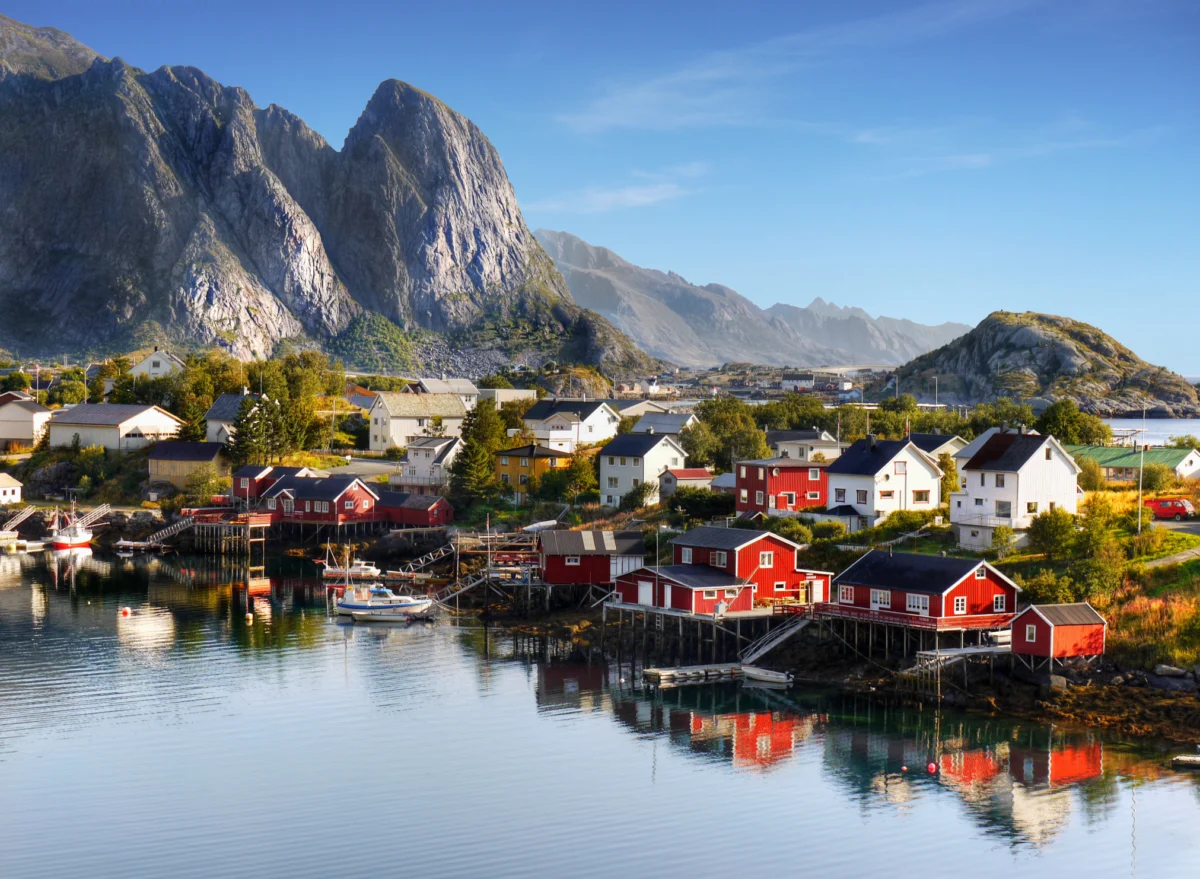
The enduring appeal of small towns lies in their unique ability to transport travelers into realms seemingly plucked from classic literature or folklore. These destinations, often steeped in centuries of history and cradled by breathtaking natural beauty, narrate tales that resonate deeply with those seeking authenticity and charm beyond bustling metropolises. Recognizing this profound allure, the bespoke travel operator Up Norway has meticulously curated a selection of five Norwegian towns that epitomize this storybook quality, inviting visitors to experience the profound magic embedded within their ancient streets, vibrant cultures, and dramatic landscapes.
The concept of a "storybook town" is multifaceted, often encompassing a blend of well-preserved historical architecture, a palpable sense of community, and an environment that feels untouched by the relentless pace of modern life. In an era where travelers increasingly seek immersive and authentic experiences, these quaint locales offer a sanctuary from the ordinary, promising genuine cultural encounters and unparalleled scenic beauty. Norway, with its dramatic fjords, majestic mountains, and rich maritime heritage, provides a fertile ground for such destinations, each offering a distinct narrative waiting to be discovered. Up Norway’s selection underscores a growing trend in the tourism industry towards promoting sustainable, culturally sensitive travel that highlights the unique character of local communities. A spokesperson for Up Norway, in an inferred statement regarding their curation philosophy, might emphasize, "Our mission is to connect travelers with the authentic soul of Norway. These five towns are not just picturesque; they are living testaments to our history, traditions, and the harmonious relationship between humanity and nature. They offer more than a visit; they offer an immersion."
The Allure of Norway’s Storybook Landscape
Norway’s geographical diversity, from its elongated coastline punctuated by thousands of islands and deep fjords to its vast inland forests and mountainous plateaus, creates a backdrop of unparalleled grandeur. This natural splendor has historically shaped its communities, fostering resilience, innovation, and a profound respect for the environment. The country’s commitment to preserving its natural and cultural heritage is evident in its numerous UNESCO World Heritage Sites and national parks, ensuring that its pristine beauty and historical integrity remain intact for future generations.

The Norwegian tourism sector has seen consistent growth, with an increasing number of international visitors drawn to its natural wonders, outdoor activities, and unique cultural offerings. Data from Statistics Norway indicates a steady rise in overnight stays, reflecting a global appetite for destinations that prioritize sustainability and offer distinct cultural narratives. The focus on smaller towns aligns perfectly with the burgeoning interest in "slow travel," where the emphasis shifts from rapid sightseeing to deeper engagement with local life, customs, and the environment. This approach not only enhances the traveler’s experience but also contributes more directly to local economies and encourages the preservation of unique cultural assets.
Spotlight on Five Enchanting Towns
Up Norway’s carefully chosen destinations each possess a singular charm, inviting exploration and promising memories that transcend typical tourist experiences.
Fjærland: Norway’s Literary Haven Amidst Glacial Majesty
Nestled at the innermost arm of the majestic Sognefjord, often hailed as the "King of the Fjords," Fjærland is a truly unique destination, earning its endearing moniker as "the book town of Norway." For both fervent bibliophiles and ardent nature enthusiasts, Fjærland presents an idyllic escape where the gentle rustle of turning pages harmonizes with the awe-inspiring silence of glacial landscapes. This small community, with a population barely exceeding 300 residents, boasts an astonishing density of books, with titles spilling from quaint, freestanding bookshelves, repurposed telephone booths, and charming open-air sheds dotted throughout the village. It’s a place where books are, quite literally, more common than people, creating an atmosphere of intellectual curiosity and serene contemplation.
The concept of Fjærland as a book town began in 1995, inspired by similar initiatives in Hay-on-Wye in Wales. Its success is attributed to the community’s dedication to sustainable tourism and cultural enrichment, offering a distinctive niche that draws visitors seeking quiet reflection and literary discovery. Beyond its literary treasures, Fjærland is a gateway to some of Norway’s most spectacular natural wonders. It sits at the foot of the Jostedalsbreen Glacier, mainland Europe’s largest glacier, and offers breathtaking views of the surrounding mountains and the calm, reflective waters of the fjord. Visitors can embark on guided glacier walks, kayak on the tranquil fjord, or hike through verdant valleys, seamlessly blending intellectual pursuits with invigorating outdoor adventures. The Norwegian Glacier Museum, an architectural marvel in itself, provides fascinating insights into glacial geology and climate science, further enriching the experience of this extraordinary place.

Undredal: The UNESCO-Recognized Village of Goats and Fjord Lore
Perched precariously on the shores of the Nærøyfjord, a UNESCO World Heritage Site renowned for its dramatic, narrow passages and towering cliffs, Undredal is an idyllic village steeped in ancient traditions. This charming hamlet, with its vibrant, colorful buildings contrasting against the deep blue waters and verdant peaks, is famed for its resilient population of goats, its exquisite, locally produced white and brown goat cheese (geitost), and its undeniable, almost mythical charm. The village’s population of roughly 100 people is famously outnumbered by its 500 goats, a testament to its pastoral heritage.
Undredal’s history is deeply intertwined with its remote location and the fjord’s bounty. For centuries, it was primarily accessible by boat, fostering a unique culture of self-reliance and preserving traditional ways of life. The 12th-century Undredal Stave Church, one of the smallest stave churches in Scandinavia, stands as a quiet sentinel over the village, further cementing its historical significance. The tradition of cheesemaking, particularly the distinct brown goat cheese (brunost), is a cornerstone of Undredal’s identity and economy. Visitors can sample this delicacy and learn about its production, a practice passed down through generations.
Perhaps one of Undredal’s most intriguing claims to fame is its role as an inspiration for the fictional kingdom of Arendelle in Disney’s animated hit, Frozen. The village’s picturesque setting, with its colorful houses clinging to the hillside and the dramatic fjord landscape, undeniably echoes the film’s enchanting aesthetic. This cultural connection has brought an additional layer of recognition, drawing fans of the movie to witness the real-life magic that inspired Elsa and Anna’s home. Local authorities and tourism organizations frequently highlight the village’s commitment to sustainable tourism, ensuring that its growing popularity does not compromise its delicate ecosystem or authentic character.
Reine: A Picturesque Fishing Hamlet in the Heart of Lofoten
Located within the breathtaking archipelago of Lofoten in northern Norway, Reine is a quintessential fishing village that offers a scenic and profound glimpse into traditional Northern Norwegian culture. Characterized by its iconic red rorbuer (traditional fishermen’s cabins) set against a backdrop of dramatic, jagged granite peaks plunging directly into the turquoise waters of the Norwegian Sea, Reine consistently ranks among the most photographed villages in Norway. The Lofoten islands themselves are a marvel of nature, a chain of islands linked by elegant bridges and winding coastal roads that make for incredibly scenic drives.
For centuries, Reine and the broader Lofoten region have been the epicenter of Norway’s cod fishing industry. The crisp, clean Arctic waters teem with fish, and the sight of drying cod on traditional wooden racks (hjell) is a common and evocative image during certain seasons. This industry has shaped the architecture, culture, and rhythm of life in Reine, with many rorbuer now converted into charming accommodations for tourists, offering an authentic stay experience. Visitors can immerse themselves in the local fishing heritage, participate in sea fishing excursions, or simply savor fresh seafood caught daily.

Beyond its fishing legacy, Reine is a gateway to unparalleled outdoor adventures. Hiking trails lead to panoramic viewpoints like Reinebringen, offering breathtaking vistas of the village, the surrounding fjords, and the vast expanse of the sea. During winter months, the village transforms into a magical wonderland, often illuminated by the ethereal dance of the Northern Lights (Aurora Borealis), a spectacle that draws visitors from across the globe. The remote yet accessible nature of Reine, coupled with its vibrant local culture and stunning natural beauty, makes it a powerful draw for those seeking an unforgettable Arctic experience.
Røros: A UNESCO Mining Town Frozen in Time
Røros stands as a remarkable testament to Norway’s industrial and architectural heritage, recognized as a UNESCO World Heritage Site for its exceptionally preserved wooden buildings and its history as a copper mining town. Founded in 1644 following the discovery of copper ore, Røros developed into one of Europe’s oldest towns of wooden houses, an architectural legacy meticulously preserved by generations of residents. The town’s layout, with its narrow streets and distinct wooden structures, offers visitors an immersive journey back to the 17th century, where the echoes of mining history still resonate through its cobblestone alleys.
The colorful wooden homes, many of which date back to the 18th and 19th centuries, are not merely historical relics but are still inhabited, reflecting a living heritage. The Røros Copper Works operated for over 333 years, until 1977, leaving an indelible mark on the town’s character and economy. Visitors can explore the Røros Museum Smelthytta, located in the former smelting house, to delve into the town’s mining past, or venture into Olav’s Mine for a fascinating underground tour.
Beyond its historical significance, Røros has cultivated a contemporary reputation as the "local food capital of Norway." The town is a hub for handcrafted goods and traditional culinary experiences, emphasizing locally sourced ingredients and time-honored recipes. Farmers’ markets, artisanal shops, and cozy restaurants showcase the rich gastronomic traditions of the region, from reindeer meat and game to traditional pastries and cheeses. This blend of living history, vibrant local culture, and exceptional food makes Røros a captivating destination for those who appreciate heritage and authentic regional flavors. Its commitment to preservation and sustainable practices ensures that its unique charm continues to flourish.
Skudeneshavn: The White Pearl of Karmøy
Located on the southern tip of Karmøy island, Skudeneshavn is often referred to as "The White Pearl" for its exquisite collection of preserved original timber houses and seafront wharves. This charming town is a captivating example of 19th-century maritime architecture, with its narrow streets lined by over 130 white wooden buildings, many adorned with distinctive orange-tiled roofs. This striking palette creates a bold and beautiful contrast against the deep blue waters of the North Sea, making it a photographer’s delight.

Skudeneshavn’s golden age was during the era of sailing ships in the mid-19th century, when it flourished as a major herring fishing and shipping port. The town’s well-preserved "Old Town" (Gamle Skudeneshavn) offers a poignant glimpse into this prosperous period. Walking through its labyrinthine streets feels like stepping onto a film set, with every corner revealing another picturesque vista of meticulously maintained homes and bustling wharves. The intricate details of the houses, from their ornate doorways to their charming windows, speak volumes about the craftsmanship and pride of their original inhabitants.
The town actively celebrates its maritime heritage with various festivals, most notably the annual Skudeneshavn International Coastal Festival (Sildajazz), which draws visitors with its blend of music, traditional boats, and local festivities. The seafront wharves, once vital for trade and fishing, now host charming cafes, galleries, and boutique shops, inviting visitors to linger and soak in the tranquil atmosphere. The surrounding island of Karmøy also offers beautiful beaches, ancient Viking history sites, and a rugged coastal landscape, complementing the architectural beauty of Skudeneshavn. Its dedication to preserving its unique architectural style and rich history ensures its enduring appeal as a storybook destination.
The Economic and Cultural Tapestry of Storybook Tourism
The deliberate promotion of these "storybook towns" by operators like Up Norway has profound implications for both the local economies and the cultural preservation efforts within these communities.
Economic Impact: Tourism in these smaller, distinctive towns generates vital revenue streams. It supports local businesses, from family-run hotels and guesthouses to artisanal craft shops, restaurants, and tour operators. This influx of capital helps sustain local populations, providing employment opportunities that might otherwise be scarce in remote areas. For towns like Røros, known for its local food, tourism directly benefits farmers, producers, and chefs, fostering a vibrant local economy centered around quality and tradition.

Cultural Preservation: By drawing attention to their unique heritage, these towns are empowered to preserve their historical architecture, traditional crafts, and local customs. The economic incentive provided by tourism often funds restoration projects, supports local artisans, and encourages the continuation of practices that might otherwise fade. Undredal’s goat farming and cheesemaking traditions, or Skudeneshavn’s architectural integrity, are not just attractions; they are living parts of the community that thrive with visitor interest. This creates a virtuous cycle where cultural authenticity attracts tourists, whose visits in turn help safeguard that very authenticity.
Sustainability and Responsible Travel: The curation of such lists by responsible travel operators like Up Norway often comes with an inherent emphasis on sustainable tourism. This involves encouraging visitors to respect local customs, minimize their environmental footprint, and contribute positively to the communities they visit. The focus on slower, more immersive travel inherently reduces the pressure often associated with mass tourism, allowing these delicate ecosystems and cultural landscapes to thrive without being overwhelmed. Inferred statements from tourism bodies often highlight the importance of balancing visitor numbers with the capacity of local infrastructure and the desire to maintain the authentic character of these places.
Broader Implications for Global Travel Trends:
The popularity of these Norwegian storybook towns reflects a broader global shift in travel preferences. Modern travelers are increasingly moving away from conventional, checklist-style tourism towards experiences that offer deeper engagement, personal growth, and a sense of discovery. The appeal of stepping into a "storybook" aligns perfectly with this desire for enchantment, authenticity, and a momentary escape from the digital age. These destinations offer solace, inspiration, and a tangible connection to history and nature, fulfilling a profound human need for wonder.
As the world continues to navigate complex global challenges, the demand for peaceful, beautiful, and culturally rich destinations is likely to grow. Norway, with its pioneering approach to sustainable tourism and its abundance of such enchanting locales, is well-positioned to remain a leading destination for discerning travelers. The continued efforts of organizations like Up Norway in highlighting these hidden gems will ensure that these storybook towns continue to charm, inspire, and educate visitors for generations to come, preserving their unique narratives for a global audience eager to listen.




 Chandra Hamzah
 Tatiana Tantri Indah Sari
 Budi Mulyono
 Anjar Salim

