
 Gabriela Annisa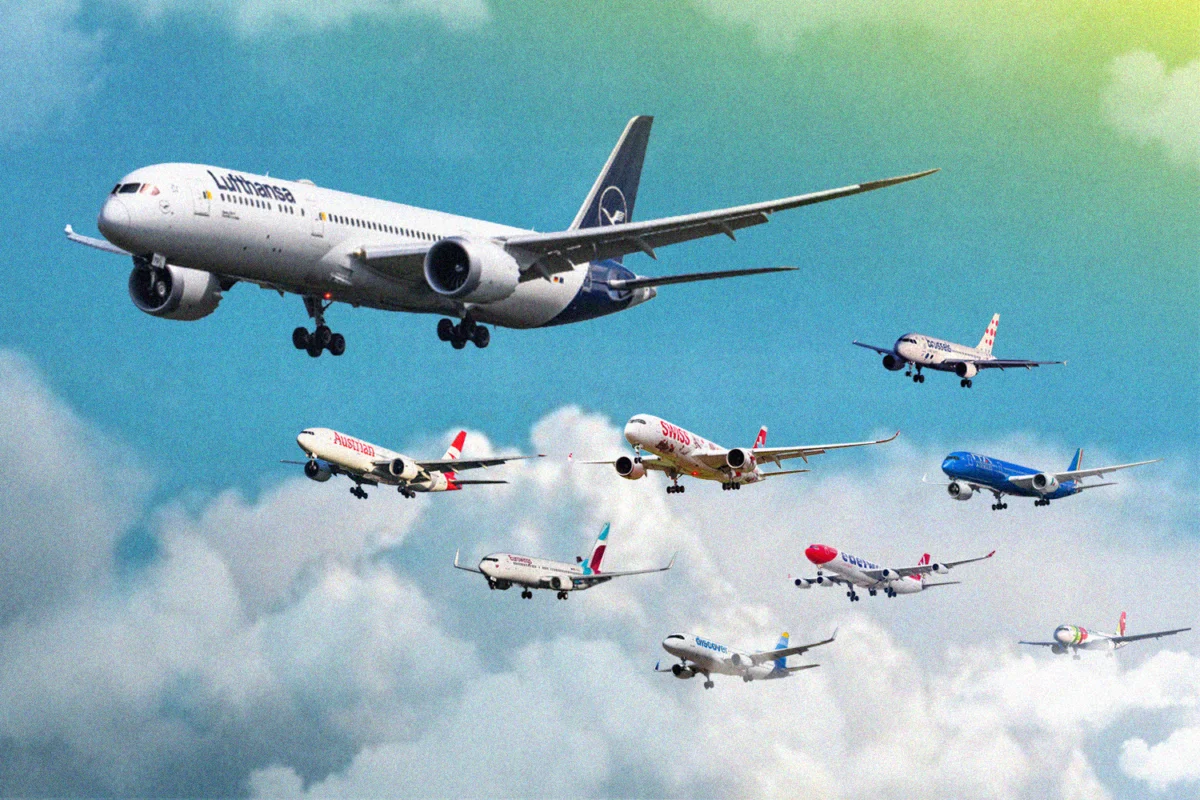
Despite a confluence of formidable global challenges, the Lufthansa Group maintains a steadfast belief in its capacity to not only weather the current storm but to emerge stronger than before. This optimistic outlook, articulated by the leadership of Europe’s largest airline group, confronts a complicated reality marked by persistently surging fuel prices, escalating labor unrest across key operations, and significant geopolitical disruptions impacting air travel and supply chains, particularly from the Middle East. The question for industry observers and stakeholders is whether this confidence is a well-founded strategic conviction or a necessary public posture amidst an increasingly volatile operating environment. This week, we delve into the intricate layers of Lufthansa’s current predicament and its strategic responses.
Navigating a Treacherous Economic Landscape
The airline industry operates on razor-thin margins, highly susceptible to external shocks, and the current global economic climate presents a particularly demanding test. For Lufthansa, the primary economic headwinds are multifaceted:
Fuel Price Volatility: Fuel represents one of the single largest operating costs for airlines, often accounting for 20-35% of total expenses. The past year has seen significant fluctuations in crude oil prices, exacerbated by geopolitical tensions and supply chain uncertainties. While Brent crude prices have seen periods of moderation, they remain elevated compared to historical averages, with spikes driven by events such as conflicts in Eastern Europe and the Middle East. For instance, after falling from peaks of over $120 a barrel in 2022, prices have frequently hovered in the $80-$90 range, with sudden upward movements. This volatility directly impacts Lufthansa’s operational costs, despite sophisticated hedging strategies designed to mitigate some of the risk. Even with hedging, a sustained period of high prices or sharp, unexpected increases can erode profitability significantly, forcing airlines to either absorb the cost, pass it on to consumers through surcharges, or reduce capacity. Lufthansa’s extensive long-haul network, with its fleet of wide-body aircraft, is particularly sensitive to these fuel cost dynamics.
Inflationary Pressures and Labor Demands: Beyond fuel, general inflationary pressures are driving up other operational costs, from aircraft maintenance and spare parts to airport charges and catering. Crucially, these pressures are also fueling demands for higher wages from airline staff, leading to a wave of labor disputes.
The Intensifying Wave of Labor Unrest
One of the most visible and impactful challenges for Lufthansa in recent months has been the escalating series of strikes by various employee groups. These actions, predominantly orchestrated by powerful unions such as ver.di (Vereinte Dienstleistungsgewerkschaft – United Services Union) representing ground staff, and, at times, cabin crew unions, have severely disrupted operations and dented the airline’s financial performance.
A Chronology of Disruption:
- Early 2024: The year began with several rounds of "warning strikes" by Lufthansa ground staff, primarily at key hubs like Frankfurt, Munich, Berlin, Hamburg, and Düsseldorf. These strikes, often lasting 24 to 48 hours, led to the cancellation of hundreds of flights, affecting tens of thousands of passengers.
- March 2024: Ver.di escalated its actions, with more extensive strikes impacting Lufthansa’s technical, logistics, and cargo divisions, as well as passenger services. The union demanded significant wage increases (e.g., 12.5% or a minimum of €500 per month for 12 months, plus an inflation compensation bonus) to counteract the rising cost of living. Lufthansa, while offering increases, argued that the union’s demands were economically unsustainable and threatened the airline’s recovery trajectory.
- April/May 2024: Further strike threats and actual strikes continued, extending to cabin crew in some instances, reflecting broader discontent over compensation and working conditions across the airline group. These disputes often involve complex negotiations over base salaries, shift allowances, and job security, especially following the significant sacrifices made by employees during the COVID-19 pandemic.
The direct financial impact of these strikes is substantial, with estimates suggesting millions of euros in lost revenue per strike day, not including the long-term damage to customer goodwill and operational efficiency. The cumulative effect of these repeated disruptions creates a climate of uncertainty for passengers and complicates Lufthansa’s ability to maintain a consistent flight schedule and deliver reliable service.
Geopolitical Turbulence and Middle East Disruptions
The Middle East, a vital aviation crossroads, has become a source of significant disruption for global air travel, directly affecting Lufthansa’s operations and strategic planning.
Red Sea Shipping Crisis: While primarily impacting maritime trade, the Houthi attacks on shipping in the Red Sea have broader implications. Increased shipping costs and delays can affect the supply chain for aircraft parts, ground equipment, and other consumables essential for airline operations. This can lead to higher procurement costs and potential maintenance delays.
Overflight Restrictions and Route Adjustments: Geopolitical tensions in the broader Middle East region can lead to airspace closures or the need for airlines to reroute flights. This not only adds significant flight time and fuel consumption but also increases operational complexity and costs. For example, any heightened conflict can necessitate longer routes around affected areas, impacting connections and scheduling across Lufthansa’s extensive network to Asia and Africa.
Insurance Premiums: Flights operating to or through regions deemed high-risk face significantly higher insurance premiums, adding another layer of cost to an already challenged industry.
Demand Impact: Perceptions of instability can also temper passenger demand for travel to certain regions, affecting load factors and yields on key routes.
Lufthansa’s Strategic Counter-Measures: A Path to Resilience
Despite these formidable challenges, Lufthansa Group leadership, notably CEO Carsten Spohr, has consistently projected an image of controlled confidence. Their strategy for navigating this crisis hinges on several key pillars:
1. Cost Control and Efficiency Programs:
Lufthansa has a long history of implementing stringent cost-cutting and efficiency programs. Following the pandemic, the group undertook a massive restructuring, streamlining operations, and renegotiating supplier contracts. This discipline remains paramount. They are continuously seeking ways to optimize processes, leverage digital technologies for greater efficiency, and manage non-fuel costs aggressively.
2. Premiumization and Product Investment:
A core tenet of Lufthansa’s strategy is to solidify its position as a premium network carrier. This involves significant investment in its product offering, from new cabin interiors and enhanced in-flight services to modernizing its fleet. The introduction of new aircraft types, such as the Airbus A350 and Boeing 787, not only improves the passenger experience but also offers superior fuel efficiency, directly countering rising fuel costs. The goal is to attract and retain high-yield passengers who are less price-sensitive and value quality and reliability, thus bolstering revenue.
3. Network Optimization and Multi-Hub Strategy:
Lufthansa Group operates a complex multi-hub strategy, leveraging its primary hubs in Frankfurt and Munich, along with those of its subsidiaries Swiss (Zurich), Austrian Airlines (Vienna), and Brussels Airlines (Brussels). This diversified network allows for flexibility in route planning and offers broad connectivity. The group continuously analyzes route profitability and demand patterns, adjusting capacity and launching new routes where opportunities arise, while scaling back or suspending less profitable ones.
4. Digital Transformation:
Investment in digitalization spans across the entire customer journey and internal operations. This includes improving online booking and check-in experiences, enhancing mobile apps, and using data analytics to personalize offers and optimize operational decision-making, from predictive maintenance to crew scheduling.
5. Fleet Modernization for Sustainability and Efficiency:
Lufthansa is committed to modernizing its fleet with more fuel-efficient and environmentally friendly aircraft. This strategy addresses both the economic imperative of reducing fuel burn and the growing pressure for airlines to meet sustainability targets. Newer generation aircraft consume significantly less fuel and produce fewer emissions per passenger kilometer, providing a long-term competitive advantage.
Historical Context: A Legacy of Crisis Navigation
Lufthansa’s current confidence is not unfounded when viewed through the lens of its history. The airline group has a proven track record of navigating severe industry shocks:
- 9/11 and SARS (Early 2000s): Faced a sharp downturn in air travel demand.
- 2008 Global Financial Crisis: Experienced a significant slump in business travel.
- Icelandic Ash Cloud (2010): Grounded flights across Europe for days.
- COVID-19 Pandemic (2020-2022): The most severe crisis in aviation history, which saw Lufthansa receive significant state aid and undergo a massive restructuring to survive. The group demonstrated remarkable resilience in cutting costs, adapting its network, and eventually capitalizing on the rebound in travel demand.
These past experiences have instilled a corporate culture of adaptability and strategic foresight, providing a foundation for their current approach.
Stakeholder Perspectives and Analyst Outlook
Management’s View: Carsten Spohr and the executive board consistently emphasize the underlying strength of the Lufthansa brand, the robustness of its network, and the dedication of its employees. They point to continued strong demand for air travel, particularly in the premium segment, as a key driver of recovery and future profitability. They maintain that ongoing negotiations with unions are part of a normal industrial relations process and that sustainable agreements will be reached.
Union Perspectives: Unions like ver.di argue that their members made significant concessions during the pandemic and are now seeking fair compensation that reflects their contributions and the increased cost of living. They highlight the airline’s return to profitability as justification for their demands and warn that without equitable solutions, labor unrest will continue.
Industry Analysts: Analysts generally acknowledge Lufthansa’s strong brand and market position. However, there is cautious optimism. While passenger demand remains robust, the persistent headwinds of high fuel prices, labor disputes, and geopolitical instability are seen as significant drags on potential earnings. Analysts will be closely watching the outcomes of labor negotiations and the effectiveness of Lufthansa’s cost control measures. Concerns are also raised about the impact on customer loyalty if disruptions become too frequent. Some analysts might suggest that while Lufthansa’s long-term strategy is sound, the short-to-medium term could see continued volatility in financial performance. The ability to successfully implement fare increases to offset costs without dampening demand will be critical.
Broader Impact and Implications
Lufthansa’s ability to navigate these crises has broader implications for the European aviation sector. As a major player, its strategies and successes (or challenges) can influence competitor behavior, industry-wide labor negotiations, and even regulatory responses. If Lufthansa can successfully manage its labor relations and cost base, it could set a precedent for other European carriers. Conversely, prolonged instability could indicate deeper structural issues within the European airline industry, particularly concerning labor relations and the balance between shareholder returns and employee welfare.
The airline’s commitment to fleet modernization and sustainability also sets a benchmark. As regulatory pressure on carbon emissions intensifies, Lufthansa’s investments in new aircraft and sustainable aviation fuels (SAF) are not just about cost efficiency but also about future-proofing the business and maintaining its social license to operate.
The Delicate Balance Ahead
In conclusion, Lufthansa Group finds itself at a pivotal juncture. Its expressed confidence is rooted in a history of resilience, a robust network, and a clear strategic direction focused on premiumization and efficiency. However, this confidence is being severely tested by external economic pressures and internal industrial strife. The path ahead requires a delicate balance: managing immediate crises without sacrificing long-term strategic objectives, fostering constructive labor relations while maintaining financial discipline, and adapting to a constantly shifting global landscape. The coming months will be crucial in determining whether Lufthansa can indeed emerge from this "crisis" stronger, or if the complicated reality beneath the surface will force a recalibration of its ambitious trajectory. The outcome will not only shape the future of Europe’s largest airline group but also offer valuable insights into the broader resilience of the global aviation industry.




 Anjar Salim
 Chandra Hamzah
 Tatiana Tantri Indah Sari
 Budi Mulyono

