
 Gabriela Annisa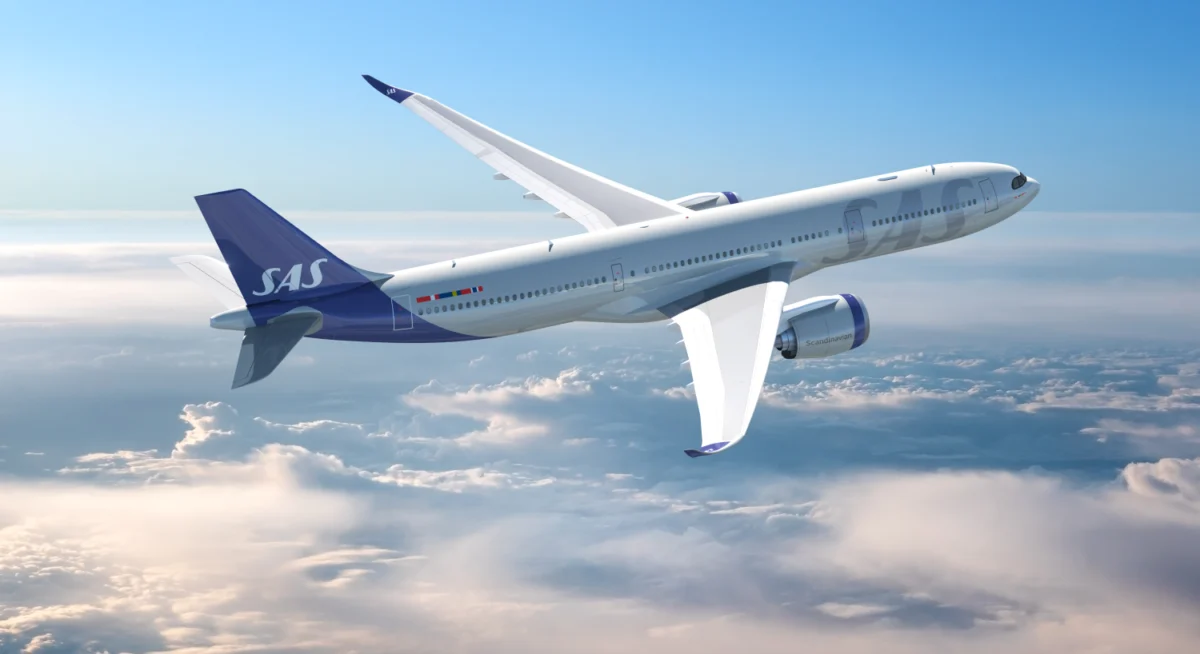
The recent injection of capital from the Air France-KLM Group into SAS Scandinavian Airlines marks a pivotal moment for the beleaguered Nordic carrier, signaling not only a profound shift in its ownership structure but also an ambitious strategic reorientation centered significantly on its Copenhagen hub. This investment, part of a broader consortium deal, positions SAS to emerge from its Chapter 11 bankruptcy proceedings with a revitalized financial footing and a clear path toward network expansion and enhanced competitiveness under the wing of one of Europe’s aviation giants. The move is expected to reshape the competitive landscape of Northern European aviation and solidify Copenhagen Airport’s role as a crucial gateway.
A New Chapter After Financial Turbulence
SAS has navigated a turbulent decade, grappling with intense low-cost competition, fluctuating fuel prices, and the seismic impact of the COVID-19 pandemic. These pressures culminated in the airline filing for Chapter 11 bankruptcy protection in the United States in July 2022, a necessary step to restructure its substantial debt and renegotiate crucial agreements with creditors, lessors, and labor unions. The airline’s "SAS Forward" restructuring plan aimed to secure long-term viability by reducing costs, improving efficiency, and attracting new equity. The search for new investors became paramount, with several parties expressing interest in the strategic asset that SAS represents in the Nordic market.
The eventual winning consortium comprised Air France-KLM, the investment firm Castlelake L.P., Lind Invest, and the Danish state. Air France-KLM’s involvement is particularly significant, as it entails a substantial strategic stake and the promise of integrating SAS into its expansive network. Under the terms of the agreement, the consortium will inject $1.175 billion (approximately SEK 12.925 billion) in new equity and convert over $1.175 billion (approximately SEK 12.925 billion) of existing debt into new equity. This financial overhaul is designed to stabilize SAS and provide the necessary capital for its future growth initiatives.
The Strategic Rationale Behind Air France-KLM’s Investment
For Air France-KLM, the investment in SAS is a calculated strategic maneuver with several compelling objectives. Firstly, it provides the Franco-Dutch airline group with a significant foothold in the highly attractive and affluent Nordic market, an area where its direct presence has historically been less pronounced compared to rival Lufthansa Group. The Nordic region, encompassing Sweden, Denmark, and Norway, boasts strong economies and a high propensity for air travel, both for business and leisure. Integrating SAS’s network will allow Air France-KLM to funnel more traffic through its own major hubs in Paris (Charles de Gaulle) and Amsterdam (Schiphol), strengthening its overall European network.
Secondly, the acquisition is a key component of Air France-KLM’s strategy to bolster the SkyTeam airline alliance. SAS has been a long-standing member of the Star Alliance, a partnership that will be terminated upon the completion of the restructuring and investment. The planned transition of SAS to SkyTeam is a major coup for the alliance, adding a strong regional player with an established brand and extensive intra-Nordic network. This move will enhance SkyTeam’s collective offering, providing members with improved connectivity to Northern Europe and offering SAS passengers access to a vast global network. This shift will inevitably lead to a realignment of codeshare agreements and loyalty programs, presenting both opportunities and challenges during the transition phase.
Finally, the investment positions Air France-KLM to counter the influence of the Lufthansa Group, which has aggressively expanded its portfolio through acquisitions and strategic partnerships, including stakes in Brussels Airlines, Austrian Airlines, Swiss International Air Lines, and more recently, ITA Airways. By securing SAS, Air France-KLM prevents a potential rival from gaining a stronger foothold in Scandinavia and creates a more balanced competitive landscape in Northern Europe.
Copenhagen: The Epicenter of SAS’s Future
The Skift Take insight explicitly highlights the "big plans for the Scandi carrier and specifically its Copenhagen hub." Copenhagen Airport (CPH) has long served as SAS’s primary international gateway, leveraging its strategic geographical location at the crossroads of Northern Europe and as a key link to North America and Asia. The airport benefits from a strong local economy, efficient infrastructure, and a relatively less congested operating environment compared to some of Europe’s mega-hubs.
Air France-KLM’s strategic focus on Copenhagen suggests a vision to significantly enhance its role as a transfer hub, complementing Paris and Amsterdam. This could involve:
- Increased Long-Haul Connectivity: SAS’s planned widebody order, as mentioned in the podcast description, directly supports this ambition. While the initial question of "whether the carrier can justify that many additional planes" is valid, the context of Air France-KLM’s investment suggests these aircraft are crucial for expanding intercontinental routes from Copenhagen. This expansion would aim to capture more traffic from across Scandinavia and Northern Germany, offering direct connections that bypass other major European hubs. Potential routes could include new destinations in North America, Asia, and potentially even Africa, leveraging the combined network strength and sales capabilities of the Air France-KLM Group.
- Enhanced Intra-European Feeder Network: To support a robust long-haul operation from Copenhagen, SAS will need to strengthen its feeder network across the Nordics and beyond. This means more frequent flights to key regional cities, optimized schedules for seamless connections, and potentially new regional routes to funnel passengers into CPH.
- Cargo Operations Expansion: A strengthened hub often comes with increased cargo capabilities. Copenhagen could see an uptick in freight traffic, supporting both passenger aircraft belly cargo and potentially dedicated freighter services, further integrating SAS into Air France-KLM Cargo’s global network.
- Infrastructure Investment: While Copenhagen Airport is already modern, increased traffic and expanded operations might necessitate further investment in terminal capacity, gate assignments, and ground handling facilities to accommodate the projected growth.
Fleet Modernization and Widebody Strategy
The mention of SAS’s new widebody order and the query regarding its justification touches upon a critical aspect of the airline’s growth strategy. Historically, SAS has operated a fleet primarily comprising Airbus A320 family aircraft for short-haul and A330/A350 for long-haul. A significant new widebody order, likely comprising modern, fuel-efficient aircraft such as additional Airbus A350s or Boeing 787s, would serve multiple purposes:
- Replacement of Older Aircraft: Part of the order would likely replace aging A330s, improving fuel efficiency, reducing maintenance costs, and enhancing the passenger experience.
- Network Expansion: As discussed, new widebodies are essential for launching new long-haul routes from Copenhagen and potentially other Nordic capitals, expanding SAS’s global reach under the new ownership.
- Increased Capacity: Even on existing routes, larger or more frequent widebody flights could be justified by increased demand generated through integration with the Air France-KLM network and the broader SkyTeam alliance.
- Harmonization with Air France-KLM: There might be a long-term strategy to harmonize fleet choices where practical, potentially leading to shared maintenance and training synergies within the group.
The justification for "that many additional planes" lies squarely in the ambitious growth plans envisioned by Air France-KLM for SAS. It’s not merely about SAS operating more flights in isolation, but about SAS becoming an integral part of a larger, interconnected global network, where each aircraft contributes to feeding traffic to and from the primary hubs.
Implications for the Nordic and European Aviation Landscape
The transformation of SAS and its impending alliance switch will send ripples across the European aviation market:
- Star Alliance’s Loss: The departure of SAS is a significant blow to Star Alliance, which will lose a key member in a strategically important region. While Lufthansa Group and other members have some presence, SAS provided comprehensive intra-Nordic connectivity and a strong brand. Star Alliance will need to reassess its strategy for the Nordic market.
- SkyTeam’s Gain: SkyTeam stands to significantly strengthen its presence in Northern Europe, offering a more robust alternative to Star Alliance and Oneworld (represented by Finnair). This could lead to increased competition on routes to and from the Nordics, potentially benefiting consumers through more choices and competitive pricing.
- Competition with Norwegian and Finnair: SAS’s revitalization and stronger backing from Air France-KLM will intensify competition with other Nordic players like Norwegian Air Shuttle, particularly on intra-European and some long-haul routes. Finnair, a Oneworld member and a key player in connecting Europe to Asia via its Helsinki hub, will also face renewed competition, particularly from Copenhagen.
- Lufthansa Group’s Response: Lufthansa, having lost a potential acquisition target and a key alliance partner in SAS, will likely respond by bolstering its own operations or seeking new partnerships in the region to maintain its market share.
- Labor Relations and Integration: The integration of SAS into the Air France-KLM ecosystem will require careful management of labor relations, aligning operational standards, and fostering cultural cohesion across different national carriers. This process can be complex and time-consuming.
Timeline and Next Steps
The restructuring process is complex and involves multiple regulatory approvals. Following the agreement with the investor consortium, SAS must navigate the final stages of its Chapter 11 proceedings, which includes securing approval from the U.S. Bankruptcy Court. Once the restructuring plan is confirmed and implemented, the new capital will be injected, and the change of ownership will become effective. This is anticipated to occur in the first half of 2024.
Following the formal completion, the strategic integration into Air France-KLM’s network and the transition from Star Alliance to SkyTeam will commence. This alliance switch is a major undertaking, requiring significant IT system changes, renegotiation of codeshare agreements, adjustments to frequent flyer programs, and extensive communication with customers. While a definitive date for the SkyTeam entry is yet to be announced, such transitions typically take several months, if not over a year, to fully implement.
Statements and Outlook
While specific direct quotes from the immediate aftermath of the initial announcement are not provided, it is possible to infer the likely sentiments of the involved parties:
- Air France-KLM Group CEO (hypothetical): "This investment in SAS is a strategic imperative for the Air France-KLM Group, significantly strengthening our position in Northern Europe and expanding our global reach. SAS is a strong brand with deep roots in Scandinavia, and we are committed to its future success, particularly in developing Copenhagen as a robust international hub. This partnership will enhance connectivity for millions of passengers and solidify SkyTeam’s network."
- SAS CEO (hypothetical): "Today marks a new era for SAS. With the backing of Air France-KLM and our consortium partners, we are now on a solid financial footing, ready to execute our ‘SAS Forward’ plan and embark on a path of growth and renewal. Our focus on Copenhagen as a premier hub, coupled with a modernized fleet, will allow us to offer unparalleled connectivity and an improved customer experience. We look forward to joining the SkyTeam alliance and leveraging its vast network."
- Danish Minister for Transport (hypothetical): "The Danish state’s continued involvement in SAS underscores our commitment to securing vital connectivity for Denmark and the Nordic region. This investment ensures SAS’s long-term viability, protects jobs, and reinforces Copenhagen Airport’s status as a critical gateway for international travel and trade."
- Copenhagen Airport Management (hypothetical): "We welcome the significant investment by Air France-KLM in SAS and the renewed focus on Copenhagen Airport as a strategic hub. This commitment promises increased traffic, new long-haul routes, and enhanced connectivity, which will benefit not only the airport but also the broader Danish economy and tourism sector."
The transformation of SAS under Air France-KLM’s influence represents more than just a financial bailout; it is a strategic repositioning designed to create a stronger, more integrated, and more competitive airline in a critical European market. The renewed focus on Copenhagen and the planned fleet modernization are central to this vision, setting the stage for a dynamic new chapter in Scandinavian aviation. The successful execution of these plans will be closely watched by industry observers as SAS navigates its transition from a venerable independent carrier to a key component of a larger European airline group.




 Anjar Salim
 Chandra Hamzah
 Tatiana Tantri Indah Sari
 Budi Mulyono
 Lukman Taruna Persada Ramadan
