
 Cholid Fahmi Thalib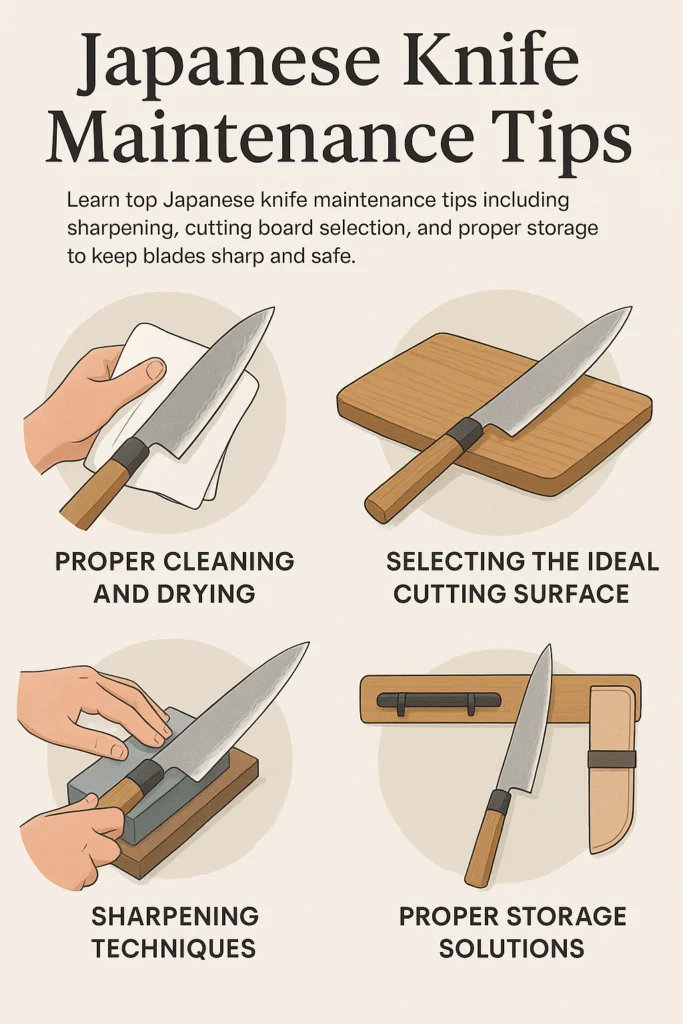
Mastering Japanese knife maintenance tips is paramount to preserving the exceptional sharpness, inherent balance, and aesthetic beauty of these finely crafted culinary instruments. Renowned globally for their unparalleled precision, exquisitely thin edges, and elegant design, Japanese knives represent the pinnacle of metallurgical artistry. However, neglecting their meticulous care can significantly diminish their performance, inflict irreparable damage upon the blade, and ultimately compromise the quality and consistency of culinary outcomes. A comprehensive understanding of how to clean, sharpen, store, and utilize these knives correctly transforms them from delicate implements into durable, dependable partners in the kitchen, ensuring they perform at their zenith for years, even decades, to come. This dedication to proper care not only extends the lifespan of the knife but also elevates the user’s entire cooking experience.
The Foundation of Care: Proper Cleaning and Drying Practices
The journey of meticulous knife care begins with immediate and thorough cleaning after each and every use. Blades crafted from high-carbon steel and layered steel alloys are inherently susceptible to corrosion and staining if exposed to lingering food residues or moisture. The recommended method involves using warm water and a mild dish soap to effectively remove oils, acidic compounds from foods, and microscopic food particles that can adhere to the blade. It is critically important to refrain from placing these fine instruments in automatic dishwashers. The harsh detergents, combined with the intense heat and vigorous water jets, can degrade the delicate edge, compromise the integrity of the handle materials, and lead to premature wear.
Following the washing process, each blade must be carefully and thoroughly dried with a soft, absorbent towel. Even brief exposure to water can initiate the formation of rust spots or surface oxidation, particularly on high-carbon steel. Establishing this routine – washing and drying immediately after every use – cultivates a habit that is fundamental to preserving sharpness, significantly extending the blade’s usable life, and substantially reducing the risk of unsightly staining and corrosive damage. This diligence forms the bedrock of long-term knife preservation.
Selecting the Ideal Cutting Surface: A Critical Consideration
The surface upon which a knife performs its duties plays a crucial role in its longevity and the preservation of its keen edge. For Japanese knives, a cutting board crafted from Japanese cypress (Hinoki) is often the preferred choice among culinary professionals and enthusiasts alike. This wood possesses a unique combination of softness and durability, which effectively absorbs the impact of the blade, thereby minimizing edge wear and aiding in the maintenance of a razor-sharp cutting profile. Conversely, employing cutting surfaces made from harder materials such as glass, stone, or metal can rapidly dull the blade or, in more severe instances, lead to chipping of the delicate edge.
Consistent use of a wooden cutting board also contributes to superior food preparation. It helps prevent the tearing or crushing of delicate ingredients, such as fresh vegetables and fish, leading to smoother, cleaner slices and a more aesthetically pleasing presentation. Furthermore, rotating different cutting boards for various types of food can distribute wear more evenly across the boards and, by extension, help maintain the knife’s optimal cutting performance. This proactive approach ensures that the knife’s edge remains in prime condition for a wider variety of culinary tasks.
The Art and Science of Sharpening Techniques
Maintaining a keen edge is not merely a matter of performance; it is intrinsically linked to safety. A dull knife requires more force to cut, increasing the likelihood of slippage and potential injury. The use of sharpening stones, particularly water stones, is the traditional and most effective method for gradually restoring a blade’s sharpness without removing excessive material. The process typically begins with a coarse-grit stone to address significant dullness or minor chips. This is followed by progression through medium and fine grits, each step refining the edge and culminating in a highly polished, exceptionally sharp finish.
Consistency in maintaining the correct sharpening angle is paramount, especially for single-bevel Japanese knives, which require a precise angle on one side. However, even double-bevel knives benefit immensely from careful angle control during the sharpening process. Applying minimal pressure while systematically working along the entire length of the blade is crucial for producing a clean, uniform, and durable edge. Regular sharpening prevents the formation of uneven cuts, significantly reduces the physical effort required for slicing and dicing, and restores the tactile satisfaction that accompanies the use of a perfectly tuned knife. It is estimated that a properly sharpened knife can reduce cutting time by up to 30% compared to a dull one, significantly impacting efficiency in a professional kitchen.
Honing: The Essential Complement to Sharpening
Honing serves as an indispensable complement to sharpening, focusing on realigning the microscopic bends and irregularities that inevitably develop along the cutting edge with regular use. Employing a honing rod, often made of steel, ceramic, or diamond-coated material, helps maintain a smooth, efficient edge between more intensive sharpening sessions. This process does not remove metal but rather straightens the fine teeth of the blade, restoring its ability to slice cleanly.
Understanding the distinct geometries of single and double-bevel knives is beneficial, as they respond differently during honing. Tailoring each stroke to the blade’s specific angle ensures maximum effectiveness. Regular honing dramatically reduces resistance when cutting through ingredients, thereby improving both the precision of cuts and the speed of preparation. Many professional chefs integrate short honing sessions into their daily prep routines, recognizing that consistent honing is key to maintaining peak performance and ensuring each cut remains clean and effortless without the need for frequent resharpening. Studies in materials science indicate that the microscopic deformation of a blade edge can occur within minutes of heavy use, highlighting the importance of regular honing.
Safeguarding Your Investment: Proper Storage Solutions
Safe and appropriate storage is critical for protecting not only the blade and handle of your Japanese knives but also the safety of those who handle them. It is strongly advised to avoid storing knives loosely in drawers, where their delicate edges can rub against other utensils, leading to premature dulling and potential nicks. Fabric sheaths or roll-up carrying bags provide excellent individual protection for each blade and are ideal for convenient transport, whether to a different area of the kitchen or for travel.
Magnetic knife strips offer a practical and accessible storage solution, holding knives securely in place while keeping their edges exposed and readily available without coming into contact with other surfaces. Knife blocks can also be an effective option, provided the slots are designed to fit snugly. A tight fit prevents the knife from wobbling, which can cause edge damage, and ensures the blade is held securely. Proper storage is a multi-faceted practice that preserves sharpness, actively prevents rust, and significantly minimizes the risk of accidental cuts in busy or cluttered kitchen environments.
The Importance of Handle Care and Inspection
The handle of a Japanese knife is an integral component, directly influencing control, stability, and comfort during cutting tasks. Wooden handles, often prized for their natural beauty and ergonomic feel, may require occasional oiling with food-grade mineral oil or specialized wood conditioners. This helps prevent them from drying out, cracking, or warping due to fluctuations in humidity and temperature. Composite or synthetic handles, while generally more durable, benefit from regular visual inspection to detect any signs of loosening, chips, or cracks that could compromise their integrity.
A secure and well-maintained handle is crucial for reducing fatigue during extended food preparation sessions and, more importantly, for preventing slips that can lead to accidents. Proper handle maintenance also ensures that the blade feels balanced and responsive in the hand, contributing significantly to both the precision of cuts and the overall comfort of the user. A compromised handle can shift the knife’s balance, affecting control and increasing the risk of error.
Proactive Rust Prevention: A Shield Against Corrosion
High-carbon steel blades, celebrated for their exceptional sharpness and ability to hold an edge, are inherently more susceptible to rust if not given proper attention. The most effective strategy for rust prevention involves consistently keeping knives dry, employing appropriate cutting surfaces, and applying a very thin layer of food-grade mineral oil after cleaning. This creates a protective barrier against moisture. While stainless steel knives are significantly more resistant to corrosion, they still benefit greatly from careful drying and appropriate storage to maintain their pristine condition.
Rust not only diminishes the aesthetic appeal of a fine knife but can also negatively impact its cutting performance, creating drag and uneven slicing. Maintaining this protective layer, diligently monitoring for moisture, and promptly cleaning the blade after exposure to acidic foods are essential steps in preserving both the functional integrity and the visual beauty of the knife. Regular inspection can identify early signs of potential corrosion, allowing for immediate intervention.
The Role of Professional Sharpening and Edge Refinement
While diligent home maintenance is essential, occasional professional sharpening can restore blades to their absolute peak condition. Experienced sharpening services possess an intimate knowledge of Japanese bevel angles and the specialized techniques required to refine edges without removing excessive amounts of precious metal. Even knives that are meticulously maintained at home can benefit from professional attention after extended periods of heavy use, particularly those featuring high-carbon steel or particularly delicate edges.
Beyond sharpening, professionals can also conduct thorough inspections and address minor handling issues, such as a slightly loose ferrule or a minor imperfection in the handle. Combining the expertise of professional sharpening with consistent, diligent home care ensures that the knife’s cutting quality is maintained at the highest level, allowing it to perform consistently and effectively for many years. For specialized knives, such as yanagibas used for sashimi, professional services are often indispensable for maintaining their unique single-bevel edge.
Establishing Frequency and Routine Maintenance Schedules
The optimal frequency for maintenance tasks is directly proportional to the knife’s usage. In a professional kitchen environment, where daily work involves extensive chopping, slicing, and filleting, weekly honing and periodic sharpening may be necessary. Knives that are used less frequently still benefit significantly from regular inspection, light cleaning, and occasional honing to prevent degradation.
Paying attention to subtle indicators, such as an increased resistance when cutting through ingredients or the appearance of uneven slices, can help determine when maintenance is becoming necessary. Implementing and adhering to a regular care routine ensures that knives remain sharp, safe, and efficient, minimizing wear and tear and enhancing overall performance and user satisfaction in the kitchen. For example, a chef’s knife used daily might require honing before each significant prep session, while a specialized paring knife used infrequently might only need honing monthly.
Integrating Maintenance Seamlessly Into Daily Practice
The true mastery of Japanese knife care lies in integrating these essential maintenance practices into everyday routines, thereby simplifying care without disrupting the flow of cooking. Washing the knife immediately after use, drying it thoroughly, and storing it carefully are fundamental steps that protect the blade’s integrity. Regular honing and occasional sharpening are crucial for preserving cutting precision and performance.
Utilizing a Japanese cypress cutting board and consistently avoiding hard surfaces significantly reduces edge wear. By consistently practicing these habits, knives remain responsive, safe, and reliable culinary partners. Over time, this conscientious maintenance becomes second nature, leading to smoother preparation, increased efficiency, and an elevated standard of culinary presentation. The cumulative effect of these practices transforms a valuable tool into a cherished heirloom, a testament to both the user’s skill and the maker’s craftsmanship.
Preserving the Legacy: Precision, Craftsmanship, and Enduring Quality
Applying thoughtful and consistent Japanese knife maintenance tips effectively transforms each knife from a mere tool into a long-lasting, precise, and exceptionally reliable culinary instrument. The systematic use of sharpening stones, the wise choice of a Japanese cypress cutting board, regular honing, and secure storage in a fabric sheath or roll-up carrying bag collectively preserve both the sharpness of the edge and the integrity of the handle.
Diligent proper cleaning, thorough drying, and careful handling care are vital in preventing corrosion and minimizing wear, thereby maintaining the knife’s inherent visual appeal and functional excellence. Consistent maintenance not only prolongs the operational life of the blade but also serves as a profound act of respect for the intricate craftsmanship invested in each individual tool. By embracing these principles, every slice, chop, and garnish will not only be executed with precision but will also retain its sharpness and aesthetic appeal, a hallmark of truly exceptional culinary practice. The enduring quality of a well-maintained Japanese knife is a direct reflection of the care and attention it receives, embodying a philosophy of longevity and excellence that resonates deeply within the culinary world.




 Chandra Hamzah
 Gabriela Annisa
 Tatiana Tantri Indah Sari
 Hendra Ismail
 Walid Sujud Trenggono
 Budi Mulyono