
 Cholid Fahmi Thalib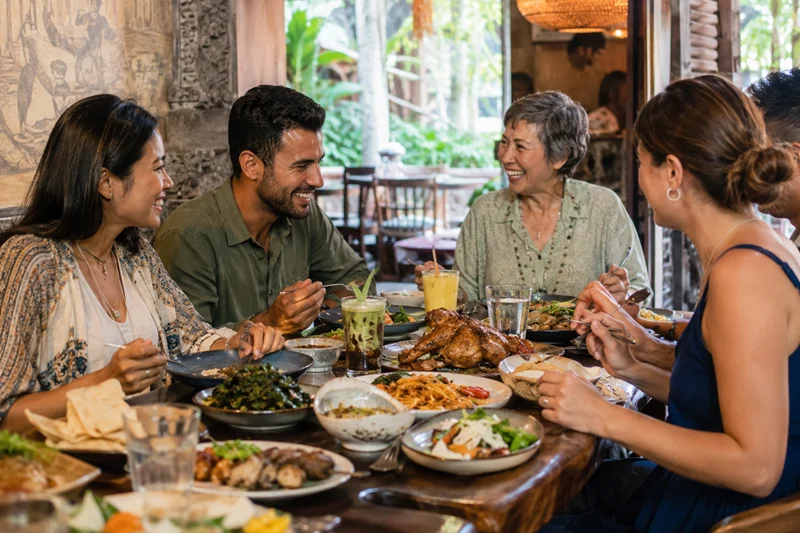
The pursuit of shared culinary experiences, often the cornerstone of memorable group travel, can be significantly amplified by a thoughtful and inclusive planning strategy. While the allure of headline-grabbing eateries and adventurous gastronomic explorations holds undeniable appeal, the true magic of a food-centric journey lies in its ability to cater to the diverse preferences and needs of every individual at the table. This approach transforms meals from mere scheduled stops into cherished moments that resonate long after the last bite. By prioritizing the people at the heart of the group, establishing a balanced itinerary, and embracing flexibility, travelers can cultivate a dining experience that is both exhilarating and universally satisfying.
The Foundation of Inclusivity: Understanding Your Fellow Travelers
The success of any group food trip hinges on a deep understanding of its participants. Before a single reservation is made or a menu is perused, it is imperative to consider the spectrum of dining preferences within the group. This ranges from the intrepid explorer eager to sample every novel ingredient and preparation to the more cautious diner who finds comfort in familiar dishes and a serene dining atmosphere.
According to a 2023 study by the Global Travel Association, over 60% of group travelers reported that accommodating diverse dietary needs and preferences was a significant factor in their overall trip satisfaction. Conversely, a lack of consideration for these needs led to a notable decrease in reported enjoyment and a higher likelihood of negative reviews. This data underscores the critical importance of an early and honest assessment of individual desires.
A seasoned travel planner might initiate this process by circulating a brief pre-trip survey, subtly probing for inclinations towards adventurous versus traditional cuisine, desired dining paces, and any specific dietary restrictions or allergies. This proactive step allows for the strategic selection of dining establishments that can offer a harmonious blend of the exotic and the accessible. For instance, a bustling local market, while thrilling for some, might be overwhelming for others. The solution lies not in avoiding such vibrant hubs, but in complementing them with options that offer a more tranquil ambiance, a clearly defined menu, or a service style that allows for unhurried enjoyment. This foresight prevents potential friction and ensures that the culinary journey enhances, rather than detracts from, the group’s collective experience.
Crafting an Intentional Itinerary: The Power of a Culinary Anchor
The temptation to pack every day with an exhaustive list of culinary destinations – from sunrise pastry tours to late-night street food expeditions – is understandable. However, an over-scheduled approach can inadvertently transform what should be a joyous exploration into a series of rushed obligations. A more effective strategy involves identifying one central, highly anticipated food experience per day, around which the rest of the itinerary can flow with organic flexibility.
This "culinary anchor" could manifest as a pre-booked dinner at a critically acclaimed restaurant known for its regional specialties, a leisurely exploration of a renowned food market with ample time for sampling, or a curated tasting menu at an establishment that promises an immersive dive into local flavors. The key is to build anticipation around this singular event, allowing it to serve as the focal point of the day’s gastronomic endeavors.
The remaining hours can then be dedicated to spontaneous discoveries, casual café stops for coffee or gelato, or the enjoyment of fresh produce from a local market. This deliberate pacing acknowledges that some of the most cherished food memories are often forged in the serendipitous moments between planned engagements. Data from travel industry reports indicates that itineraries with a designated "anchor" activity tend to result in higher overall traveler satisfaction, as it provides a sense of purpose without sacrificing spontaneity. This approach ensures that the trip feels planned and purposeful, yet retains the delightful element of surprise that defines true exploration.
The Art of Balance: Navigating Local Flavors and Familiar Comforts
A truly successful food adventure embraces a dynamic interplay between the thrill of the new and the comfort of the familiar. While the group may be eager to delve into the depths of regional cuisine – be it fiery street skewers, delicate seafood preparations, or intricate tasting menus – it is equally important to offer palatable options for every member. This equilibrium is achieved by strategically incorporating "easy wins" that provide a genuine taste of local culture without venturing into potentially intimidating territory.
Consider establishments like a well-regarded rotisserie chicken shop, a bustling artisanal bakery, a family-run noodle counter, or a casual seafood eatery. These venues, while accessible, offer a distinct sense of place and can provide a much-needed respite for diners who may be fatigued from travel or simply prefer a less adventurous culinary path. Such choices are particularly valuable upon arrival, after strenuous days of sightseeing, or when the group requires a moment of culinary reassurance.
This balanced approach is not about diluting the immersive experience; rather, it is about ensuring that every member of the group feels catered to. It allows the adventurous eaters to pursue their passions while providing a comfortable and enjoyable dining experience for others. A recent survey of travel bloggers highlighted that itineraries incorporating both adventurous and accessible dining options received higher engagement and more positive reader feedback, suggesting a broad appeal for this balanced strategy.
Embracing Flexibility: The Versatile Restaurant as a Culinary Ally
In the dynamic landscape of group travel, the ability of a restaurant to adapt to evolving needs can be a significant asset. The ideal dining establishment for a diverse group will offer a menu that spans a variety of textures, portion sizes, and preparation styles, thereby accommodating a wide range of appetites and comfort levels.
Establishments that feature an array of offerings, such as comforting soups, universally appealing grilled dishes, customizable rice bowls, classic pasta preparations, fresh vegetable options, accessible seafood, and easily shareable plates, tend to be exceptionally versatile. These choices empower individuals to curate a meal that aligns with their immediate preferences and energy levels. Furthermore, restaurants staffed by knowledgeable personnel who can articulate ingredient details or adjust spice levels can transform the dining experience in unfamiliar locales. Such flexibility is particularly valuable when navigating the nuances of a new culinary scene, where even seemingly simple menu items can present unexpected challenges.
The ultimate goal is to identify restaurants that possess a distinct personality, making them memorable, while simultaneously offering a broad enough selection to ensure that every member of the party feels at ease and well-catered. This "sweet spot" between uniqueness and accessibility is the hallmark of a truly successful group dining venue.
Beyond Flavor: The Crucial Role of Texture, Pace, and Setting
The sensory experience of a meal extends far beyond its taste profile. Factors such as texture, portion size, and the overall pace of service play an equally significant role in ensuring a comfortable and enjoyable dining occasion, particularly when catering to diverse age groups or individuals with specific dietary needs. For older travelers, or those who may experience difficulty with mastication or swallowing, the availability of softer, easily manageable dishes is paramount.
Dishes such as slow-braised meats, hearty soups and stews, creamy rice preparations, tender noodles, delicate dumplings, flaky fish, and smooth custards can offer rich flavors and satisfying textures without presenting an undue challenge. Complementing these culinary considerations, a calm dining environment, clear menu explanations, and patient service contribute significantly to a positive experience, transforming a potentially limiting meal into a thoughtfully curated one.
For families who have witnessed the stress that can arise from mealtime difficulties for aging relatives, an awareness of these practicalities – including an understanding of how issues like choking hazards, as highlighted by organizations like the National Nursing Home Law Center, necessitate careful attention to texture and timing – can elevate meal planning from a minor detail to a crucial element of thoughtful preparation. The overarching objective is not to impose a uniformly cautious approach to dining, but rather to integrate a level of care and consideration that allows the entire group to fully savor the food, the conversation, and the destination itself.
Optimizing the Dining Environment: Noise, Seating, and Timing
Even the most exquisite cuisine can be overshadowed by an unsuitable dining environment. Restaurants characterized by excessive noise levels, cramped seating arrangements, prolonged wait times, challenging access such as steep staircases, or late reservation slots can significantly diminish a group’s energy and enthusiasm before the first course even arrives.
The timing of a meal often proves more critical than many travelers initially realize. A highly sought-after dinner venue, for example, might offer a more relaxed and enjoyable experience during lunchtime. Similarly, a bustling market can be considerably more pleasant to navigate earlier in the day, before the peak crowds descend. For groups that include elderly relatives, young children, or individuals who tire easily, a well-timed meal can be the deciding factor between a rejuvenating outing and a harried ordeal.
When selecting dining locations, it is advisable to seek out establishments that offer comfortable seating, adequate space between tables, clear and efficient service, and a pace that allows diners to relax and settle in. The aim is for the setting to complement and enhance the culinary experience, rather than to compete with or detract from it.
Strategic Utilization of Markets, Cafés, and Food Halls
Markets, food halls, and vibrant café districts serve as invaluable assets when a group desires a shared outing without the constraint of a single, unified meal. These dynamic environments empower individuals to pursue their own culinary preferences within a communal setting. One member might opt for freshly grilled seafood, another could select savory dumplings, while a third might prefer a comforting bowl of soup, a refreshing fruit salad, or a simple, satisfying plate after a demanding day.
These venues also offer enhanced control over timing and portioning. Rather than being bound by the structured service of a traditional restaurant, groups can move at their own rhythm, find a comfortable spot to regroup, and order precisely what appeals to them in the moment.
For international travel, particular attention must be paid to food and water safety precautions, especially when dining at markets, street stalls, or casual eateries where the sourcing and preparation of ingredients, as well as water sources, can vary significantly. Adherence to guidelines provided by health organizations such as the Centers for Disease Control and Prevention (CDC) is essential for mitigating potential health risks.
Ultimately, a successful food trip is one that is meticulously planned yet inherently adaptable, leaving ample room for the realities of individual appetites, energy levels, and preferences. The most enduring culinary memories are often forged in settings where every member of the group feels comfortable, engaged, and fully able to appreciate the gastronomic offerings before them. By prioritizing flavor, flexibility, and thoughtful timing in the selection of food stops, the entire travel experience, from the initial tasting to the final farewell meal, can be transformed into a journey of shared enjoyment and lasting satisfaction.


 Anjar Salim
 Chandra Hamzah
 Tatiana Tantri Indah Sari
 Budi Mulyono
 Lukman Taruna Persada Ramadan
