
 Hendra Ismail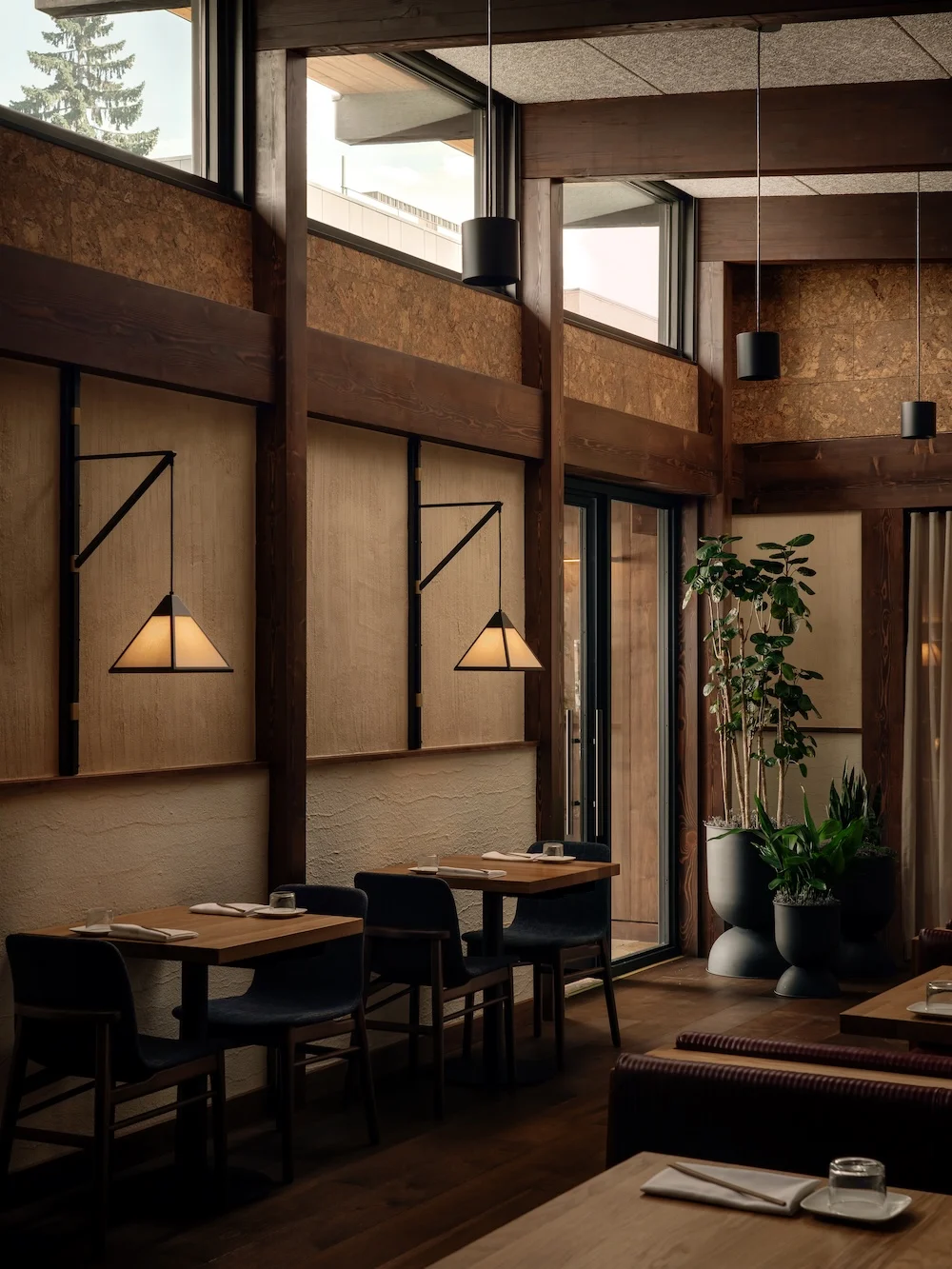
The newly inaugurated Uchiko Denver, a vibrant addition to the city’s burgeoning culinary landscape, has masterfully reimagined a former Cherry Creek art gallery into a warm and inviting neighborhood gathering place. This ambitious transformation, spearheaded by the visionary Michael Hsu Office of Architecture (MHOA), respects and builds upon the intimate scale of the existing structure, breathing new life into a space once dedicated to the private contemplation of art. Originally the esteemed gallery of Ginny Williams, the venue has undergone a profound metamorphosis, shifting from an exclusive, by-appointment-only environment to an open, accessible, and hospitality-driven destination.
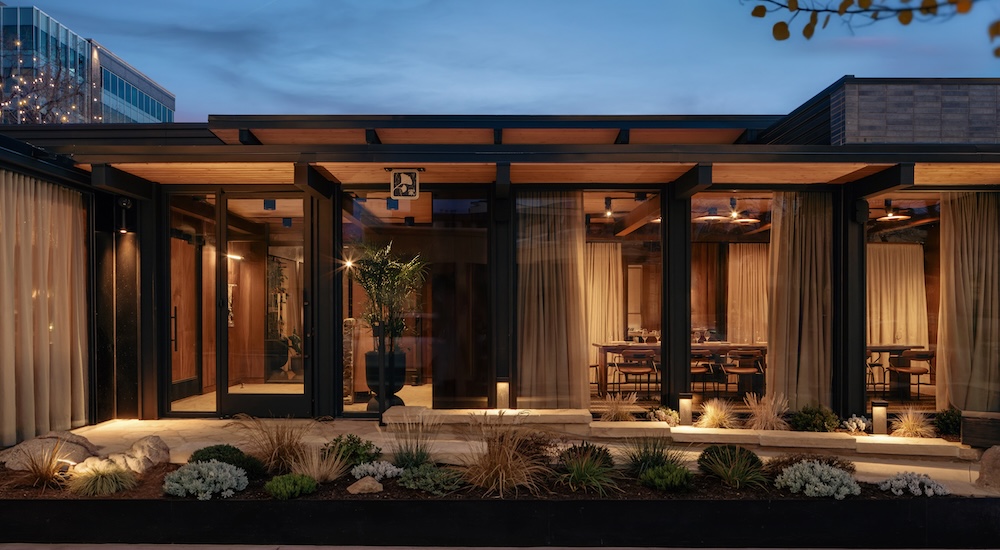
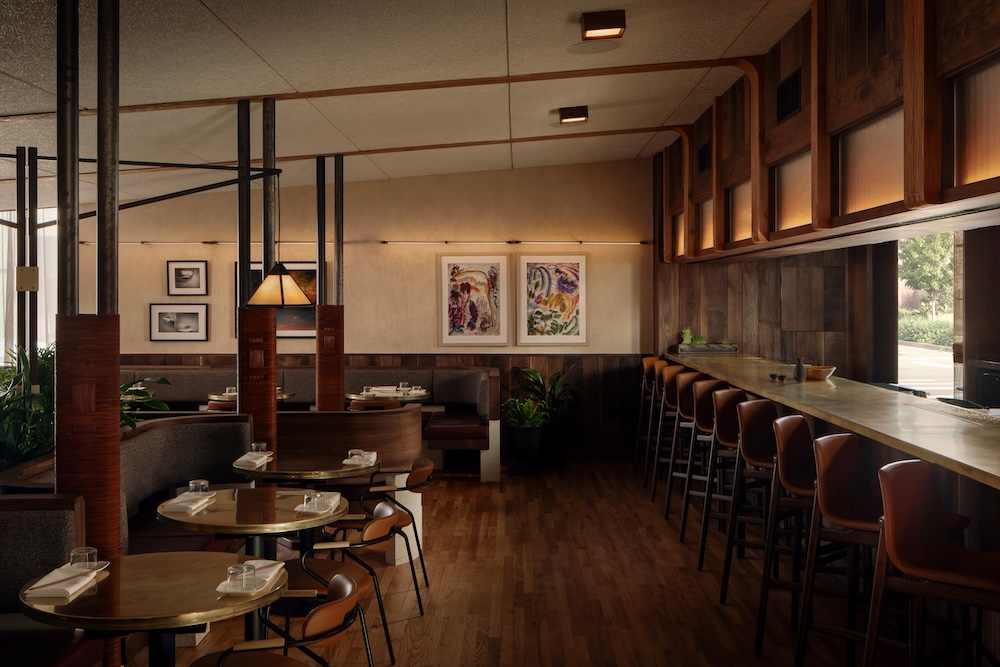
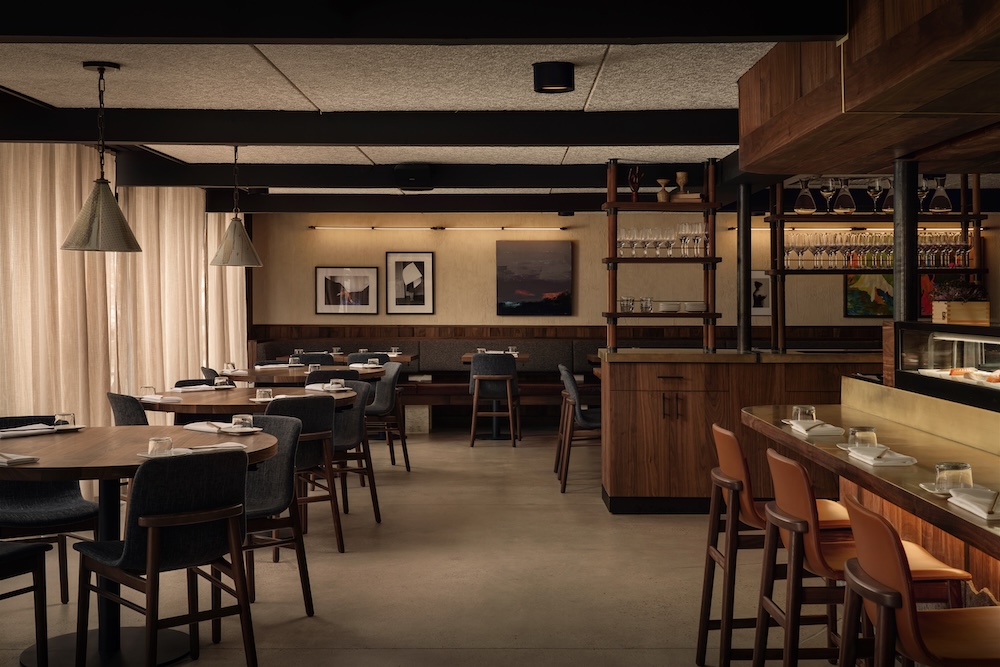
The architectural approach meticulously preserved the unique character and idiosyncrasies of the building’s prior existence. Central to the design is the prominent sushi bar, strategically positioned within the original volume of the gallery. This anchors the dining experience, serving as a focal point that draws patrons into the heart of the establishment. Complementing this, a luminous new sunroom has emerged from what was once a utilitarian service alley. This “glowing garden room” not only significantly expands the restaurant’s functional capacity but also allows the central dining areas and circulation pathways to command greater attention, creating a more fluid and engaging spatial experience. The strategic integration of this new element underscores MHOA’s commitment to enhancing the original architecture rather than overwriting it.
A Design Rooted in Colorado’s Natural Majesty
The design language employed at Uchiko Denver is a thoughtful synthesis of the surrounding Colorado landscape and the distinctive ethos of Uchiko, a brand known for its sophisticated yet approachable Japanese cuisine. The interior is a rich tapestry of tactile elements, meticulously curated to evoke the natural beauty of the region. Rough-sawn walnut, Douglas fir, white oak, and the artful charring of yakisugi—traditional Japanese charred timber—converge with the textured appeal of raked plaster and the ruggedness of rough-hewn stone. These foundational natural finishes are artfully juxtaposed with accents of gleaming brass, deep blackened steel, durable canvas, stamped leather, and the native flagstone that speaks to Colorado’s geological heritage.
In a testament to the project’s respect for its provenance, the existing wood floors and concrete slab have been carefully refinished, preserving the building’s history. A particularly striking design feature is the walnut sushi bar, its surface precisely scribed to meet a rough stone base. This detail, a subtle yet powerful expression of the project’s overarching emphasis on artisanal craftsmanship and handwork, encapsulates the marriage of precision and organic form. This attention to detail extends to every facet of the interior, creating an atmosphere that is both sophisticated and deeply connected to its environment.
Fostering Community Through Local Artistry
Collaboration and the celebration of local artistry are integral to Uchiko Denver’s interior concept, a deliberate strategy to honor and perpetuate the spirit of the original art gallery. This commitment to local talent is evident in the array of custom fabrications that elevate the dining experience. Seating banquettes, crafted by the renowned Housefish, provide both comfort and aesthetic appeal. The back bar and an accompanying shroud were meticulously fashioned by Workshop, adding a unique structural and visual element. Textural leather-wrapped columns, designed by Sarah Neubert, further contribute to the rich, handcrafted feel of the space.
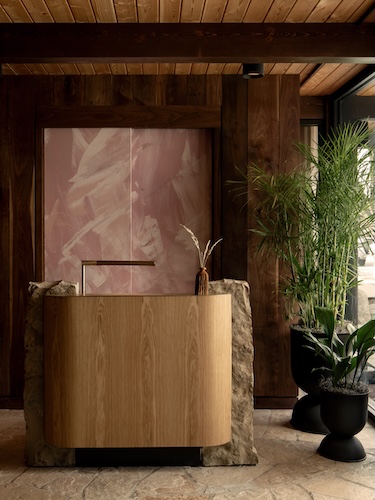
Furthering the connection to the local art scene, the venue proudly showcases a curated collection of artwork. Paintings by Nicole Hyde, Olive Moya, and Matt Tripodi are displayed alongside pieces by Katherine Ingui, Ai Sagawa Campbell, Lisa Tobaz, and Ansley West Rivers. This comprehensive collection was thoughtfully sourced by Hai Hospitality, the parent company of Uchiko, underscoring their dedication to integrating the cultural fabric of Denver into the dining experience. This initiative not only enriches the ambiance for patrons but also provides a vital platform for local artists, echoing the building’s past as a hub for artistic appreciation.
A Chronology of Transformation and Vision
The journey of Uchiko Denver from a private art gallery to a public dining destination is a narrative of strategic vision and meticulous execution. While specific dates for the gallery’s operation under Ginny Williams are not publicly detailed, its presence in Cherry Creek signifies a period where the neighborhood was solidifying its reputation as an arts and culture district. The transition of the space to hospitality began with the acquisition and conceptualization by Hai Hospitality, a group known for its successful ventures in the culinary world, including the original Uchiko in Austin, Texas, which opened in 2010.
The architectural design phase, led by Michael Hsu Office of Architecture, commenced with a deep dive into the building’s history and potential. MHOA, established in 2005, has a portfolio that often emphasizes thoughtful integration with existing structures and a strong connection to place, making them an ideal partner for this project. The design process likely involved extensive site analysis, schematic design, and detailed construction documentation, culminating in the groundbreaking and subsequent construction. The transformation of a service alley into a sunroom represents a significant architectural intervention, requiring careful planning for structural integrity, light infiltration, and climate control. The incorporation of local artisans and artists would have been a parallel process, integrated throughout the design and construction timeline to ensure a cohesive final vision. The official opening of Uchiko Denver marks the culmination of this multi-faceted endeavor, ushering in a new chapter for the historic Cherry Creek space.
Supporting Data and Industry Context
The culinary landscape of Denver has seen substantial growth in recent years, with a particular surge in high-end dining establishments and diverse international cuisines. Data from the Denver Metro Chamber of Commerce indicates a steady increase in the number of food and beverage establishments operating within the metropolitan area, reflecting a growing consumer demand for varied and quality dining experiences. Cherry Creek, in particular, has become a prime location for such ventures, benefiting from its affluence, accessibility, and reputation as a destination for luxury retail and dining.
The success of restaurants like Uchiko is often correlated with their ability to create a unique and memorable atmosphere that extends beyond the food itself. The integration of art, thoughtful design, and a connection to the local community are increasingly recognized as key differentiators in a competitive market. According to a report by the National Restaurant Association, ambiance and the overall dining experience are significant factors influencing customer choice, with many diners willing to pay a premium for establishments that offer a distinct sense of place and curated aesthetics. Uchiko Denver’s approach, rooted in artistic heritage and local craftsmanship, aligns perfectly with these market trends.
Official Statements and Design Philosophy
While direct quotes from the architectural team or restaurant ownership were not provided in the initial information, the design choices themselves speak volumes about their philosophy. Michael Hsu Office of Architecture is known for its commitment to creating spaces that are both functional and evocative, often drawing inspiration from the natural environment and the cultural context of their projects. Their work typically emphasizes a nuanced understanding of materials and a respect for the passage of time. The preservation of original elements and the sensitive addition of new ones at Uchiko Denver are hallmarks of this approach.
Hai Hospitality, as the operator of Uchiko, has consistently demonstrated a dedication to quality and authenticity across its brands. Their expansion into Denver signifies a strategic move to tap into a dynamic and growing market. The emphasis on local sourcing, whether for ingredients or art, is a core tenet of their operational philosophy, aiming to create deeply rooted and community-integrated dining experiences. This approach not only enhances the guest experience but also contributes positively to the local economy and cultural scene.
Broader Implications for Denver’s Cultural and Culinary Scene
The transformation of the former Ginny Williams gallery into Uchiko Denver represents more than just the opening of a new restaurant; it signifies a successful model for adaptive reuse in urban development. By preserving the architectural integrity of a culturally significant space and infusing it with new life, the project contributes to the preservation of Denver’s evolving architectural narrative. The integration of local art and craftsmanship further strengthens the city’s identity as a hub for creativity and innovation.
For the Cherry Creek neighborhood, Uchiko Denver’s arrival reinforces its status as a premier destination for discerning diners and art enthusiasts alike. The restaurant’s warm, communal atmosphere is poised to become a beloved local fixture, attracting both residents and visitors. The success of such projects can inspire further investment in the adaptive reuse of underutilized or historically significant spaces across the city, fostering a more sustainable and culturally rich urban environment. Uchiko Denver stands as a testament to the power of thoughtful design to create spaces that are not only aesthetically pleasing but also deeply meaningful and community-oriented, enriching the fabric of Denver’s vibrant culinary and cultural landscape for years to come.

 Anjar Salim
 Chandra Hamzah
 Tatiana Tantri Indah Sari
 Budi Mulyono

